
China Photography Trip FAQ: Photos, People, Drones and Travel Tips
Can you take pictures in China, photograph people, fly a drone, use Google? Our China photography trip FAQ for travellers.
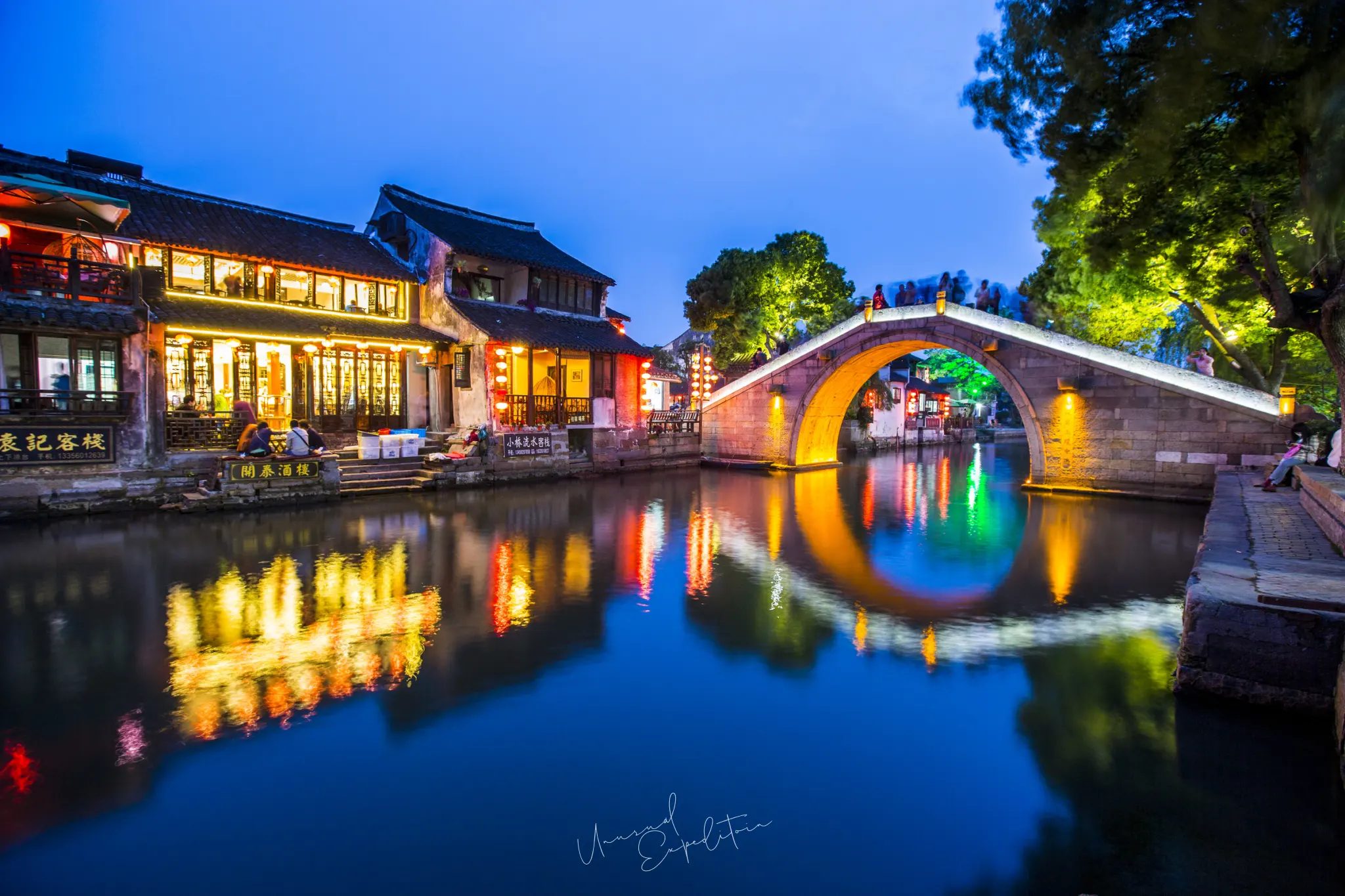
Can you take pictures in China? Yes. Photographing landscapes, streets, villages, festivals and people in public is normal and legal, and Chinese photographers are everywhere at the famous spots. The limits are the ones you would expect: no photography of military sites, police, border posts and some government buildings; often no photography inside temple halls; and drones need registration and stay out of no-fly zones. These are the questions our guests ask most before a China trip, answered from our own experience.
For the regions themselves, start with our China photography tour guide.
Can you take pictures in public in China?
Yes. Streets, markets, parks, old towns and scenic areas are open to cameras, tripods included, although some busy viewpoints and scenic areas restrict tripods at peak times. In many tourist villages you will find local people who pose for photographers as a small business, such as the cormorant fishermen in Guilin or the boatmen in Wuyuan; agree the fee before you shoot. Large professional setups, lighting and models in some city locations may need permission, which is rarely an issue for a small group.
Can you take pictures of people in China?
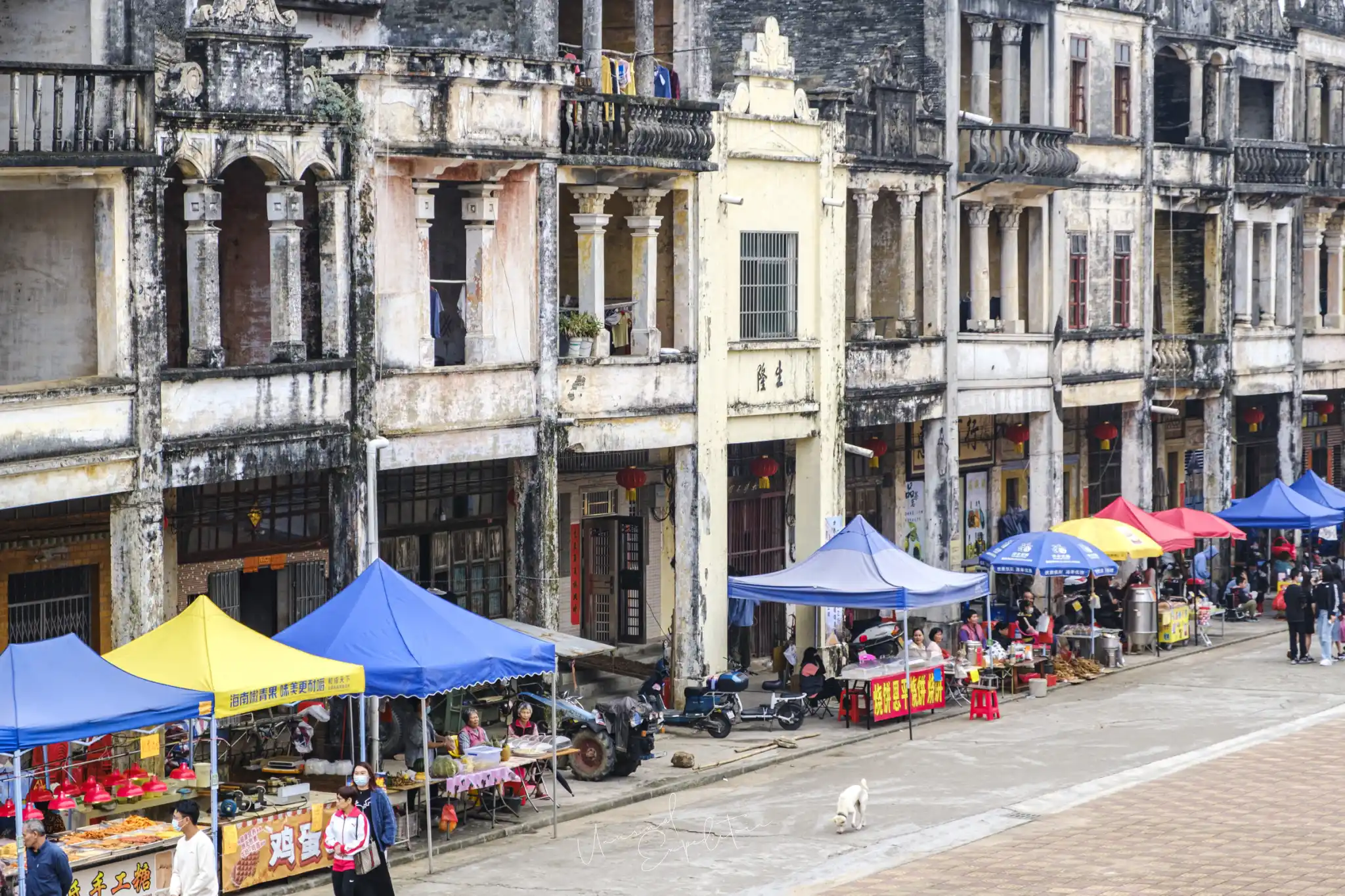
Yes, with the courtesy you would use anywhere. Most people in markets and villages are relaxed about a camera, and many are curious about it; a smile and a gesture toward the camera is usually enough, and showing someone the picture on the screen goes a long way. Older people in rural areas sometimes decline, and that is the end of it. Be more careful with children, ask a parent, and in ethnic minority and Tibetan areas be aware that some people do not want to be photographed at all, particularly during religious practice.
Can you take photos of government buildings in China?
Avoid it. Military installations, police stations, checkpoints, border crossings and some government compounds are off limits, and the signs are usually clear. Photographing police or security staff at work is a quick way to have your memory card checked. In Tibet and parts of Xinjiang, checkpoints are frequent and photography around them is not permitted. Famous public landmarks such as Tiananmen Square are fine to photograph from public spaces.
Can you take photos inside temples and monasteries?
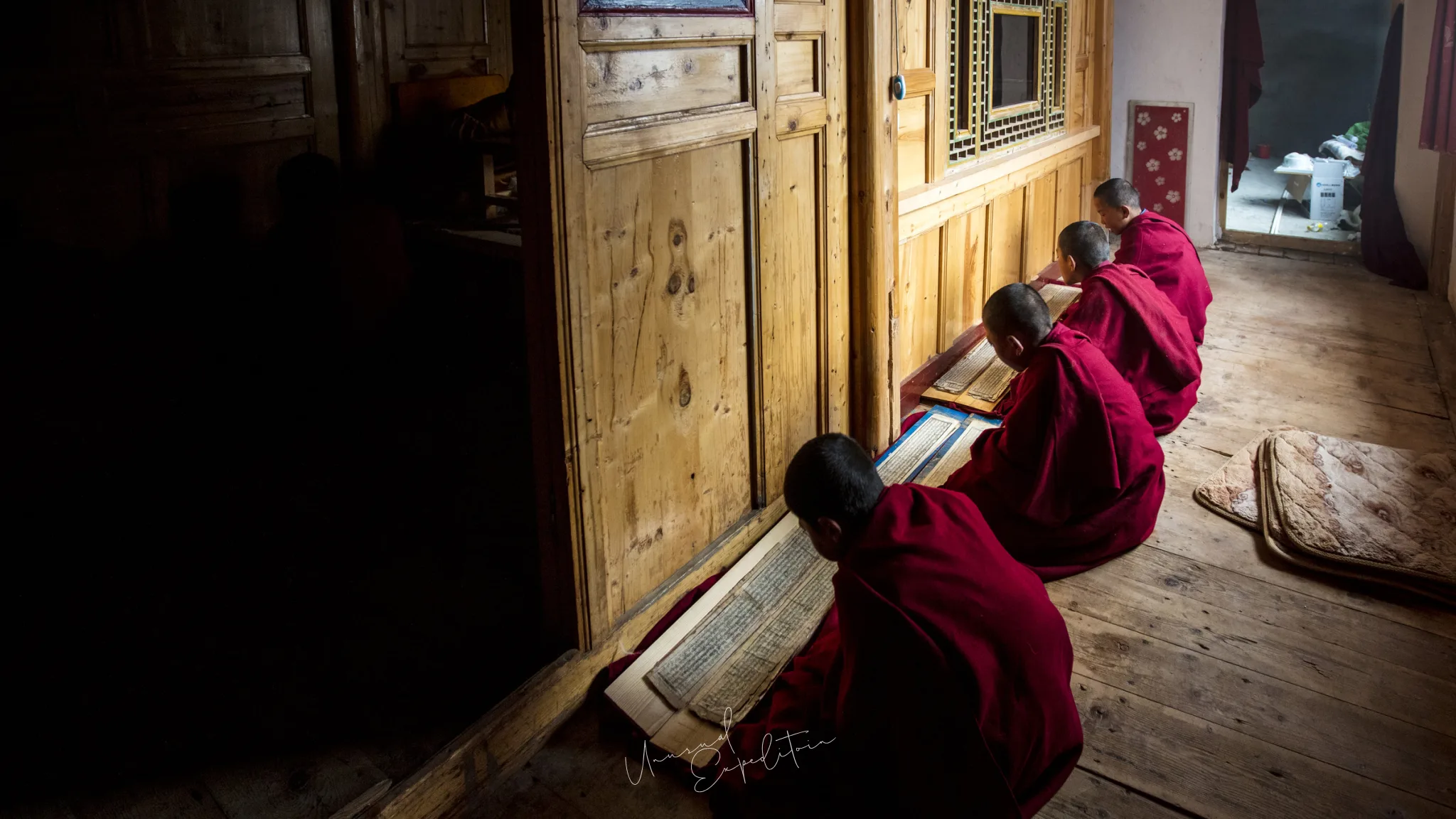
Outside, almost always. Inside the halls, often not; many Buddhist temples and Tibetan monasteries ban photography in the assembly and image halls, and a sign or a monk will tell you. Where it is allowed, some monasteries charge a camera fee. Monks are often happy to be photographed in courtyards and lanes when asked, and we have made some of our favourite portraits that way, but never photograph a ceremony without permission.
Can you fly a drone in China?
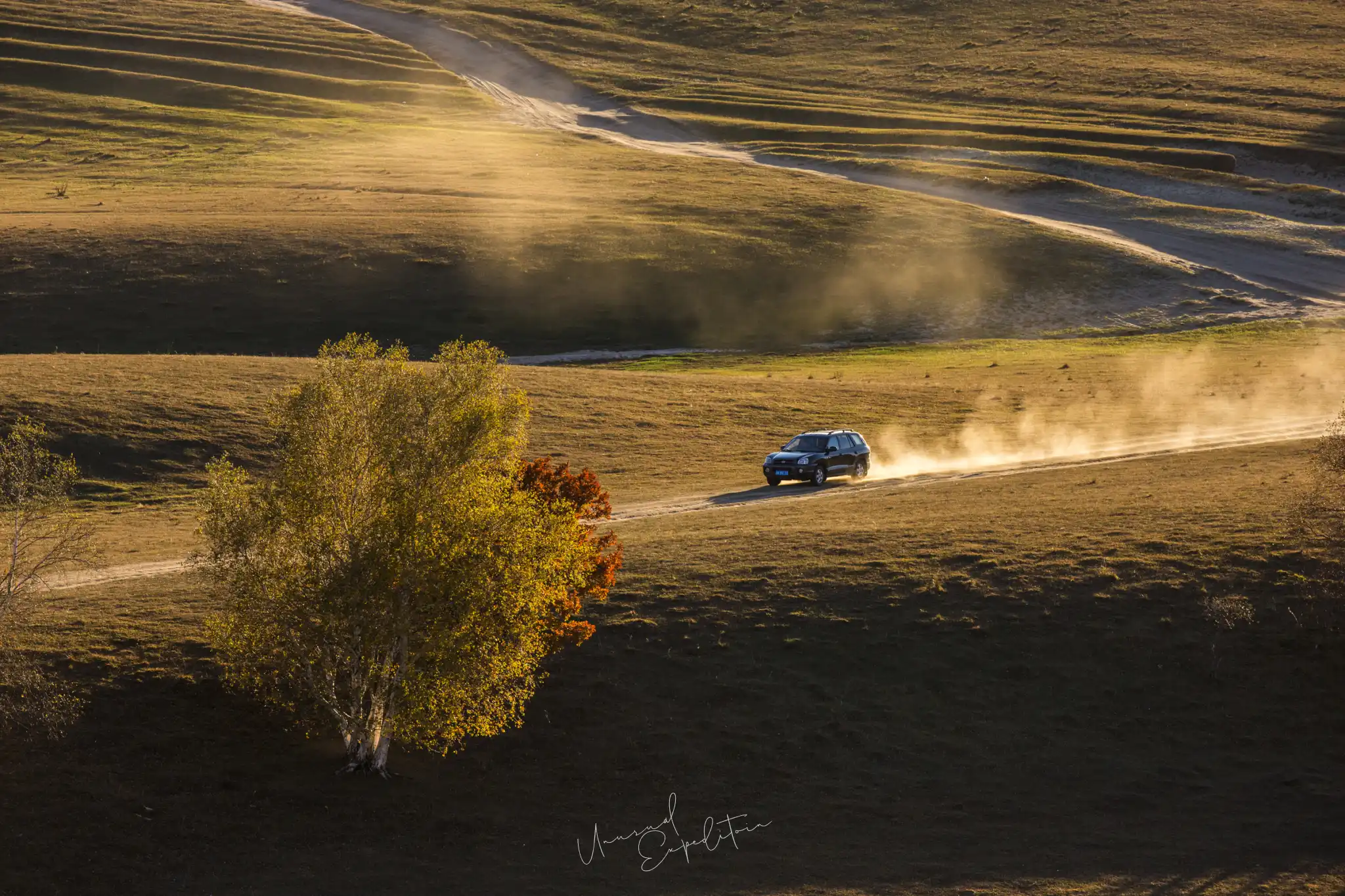
Yes, with rules. China's Civil Aviation Administration requires drones above a small weight threshold to be registered under its real-name system, and the flying rules exclude airports, city centres, military and government areas and many scenic areas. DJI's own app enforces the no-fly zones, and some of them stay closed whatever you do. In Tibet and Xinjiang, and near borders, assume you cannot fly. In rural areas such as Wuyuan, Xiapu, Inner Mongolia and Guilin's countryside, drones are widely flown, but scenic area staff can and do stop flights. Check the current rules before you go; they change.
Do you need a permit to fly a drone in China?
For a typical consumer drone flown for leisure in permitted areas, registration rather than a permit is the requirement, but restricted and controlled airspace needs approval that visitors cannot realistically obtain. Our practice is to register the drone, fly only where local photographers fly and where the scenic area allows it, and accept that some places are off limits.
China travel tips for foreigners
| Topic | What to know |
|---|---|
| Payment | Phones everywhere. Alipay and Weixin Pay accept international Visa and Mastercard; carry some cash as backup |
| Internet | Google, WhatsApp, Instagram and Facebook are blocked on Chinese networks; roaming or a travel eSIM usually keeps them working |
| Maps | Chinese map apps are more accurate than Google Maps inside China |
| Trains | High-speed rail is the best way between cities; book with your passport |
| Passport | Carry it; hotels, trains and scenic areas check it |
| Language | English is limited outside big cities; a translation app with offline Chinese helps |
None of this is difficult once the apps are set up, which is best done in Singapore before you fly.
Can you use Google Photos in China?
Not on Chinese networks, and neither Google Drive nor Gmail. If you back up to the cloud during a trip, use roaming data, or carry a portable drive and back up each evening, which is what we do anyway in remote areas.
What to bring to China trip
Bring your camera kit as you normally would; there are no restrictions on lenses or bodies. Add a universal plug adaptor, as Chinese sockets take several plug types, a power bank within airline limits, a portable drive for backups and the clothing your region needs: down for the north in winter and for the plateau at night, rain gear for the south in spring. Lithium batteries must be in hand luggage on domestic flights, and Chinese airports are strict about power bank capacity markings.
Is it safe to travel to China?
For a photography traveller, China is one of the safer destinations we visit: violent crime against visitors is rare, cities are heavily policed, and the risks are the ordinary ones of traffic, pickpockets in crowds and cold or altitude in the mountains. Read the Singapore Ministry of Foreign Affairs travel page for current advice, and register your trip with it. The real safety issues on our trips are physical: steep steps on Huangshan, altitude in Yading and Tibet, ice in Harbin.
How long can tourist stay in China?
Singapore passport holders can stay up to 30 days per visit without a visa under the mutual exemption in force since February 2024. Other nationalities have different rules, including various visa-free and transit schemes. The details for Singapore travellers are in our China photo tour from Singapore article.
The first time I took a group to China, everyone worried about the camera. By the second day they were worried about running out of memory cards.
Joseph Mak, tour leader, Unusual Expedition
When should I go?
It depends on the region and the picture; our best time to photograph China article runs month by month across every region we cover.
Travel China with a photographer
If you would rather have the permits, drivers and early starts handled, our scheduled departures are on the China photography tours page, and we run private trips to every region on request.
Join the China photography tour
Inner Mongolia Winter Owl Photo Tour – China departs 01 Jan 2027 To 04 Jan 2027, led by Joseph Mak. Small group, photography first. All China photography tours.
Explore China in depth
- China Photography Tour Guide: Every Region We PhotographChina
- China Photo Tour from Singapore: Visa-Free Entry, Flights and PlanningChina
- Best Time to Visit China for Photography, Month by MonthChina
Upcoming Photo Tours
- Egypt Photo Tour – EgyptEgypt 12 Dec 2026 To 20 Dec 2026
- Inner Mongolia Winter Owl Photo Tour – ChinaChina 01 Jan 2027 To 04 Jan 2027
- Inner Mongolia Winter Photo Tour – ChinaChina 05 Jan 2027 To 11 Jan 2027
- Mekong And Central Highland Vietnam Photo Tour - VietnamVietnam 16 Jan 2027 To 24 Jan 2027