
Croatia Trip Planning: Flights, Visa and Plitvice Lakes
Croatia trip planning: how to get to Croatia, do you need a visa for Croatia, EES and ETIAS, Plitvice tickets, money and packing.
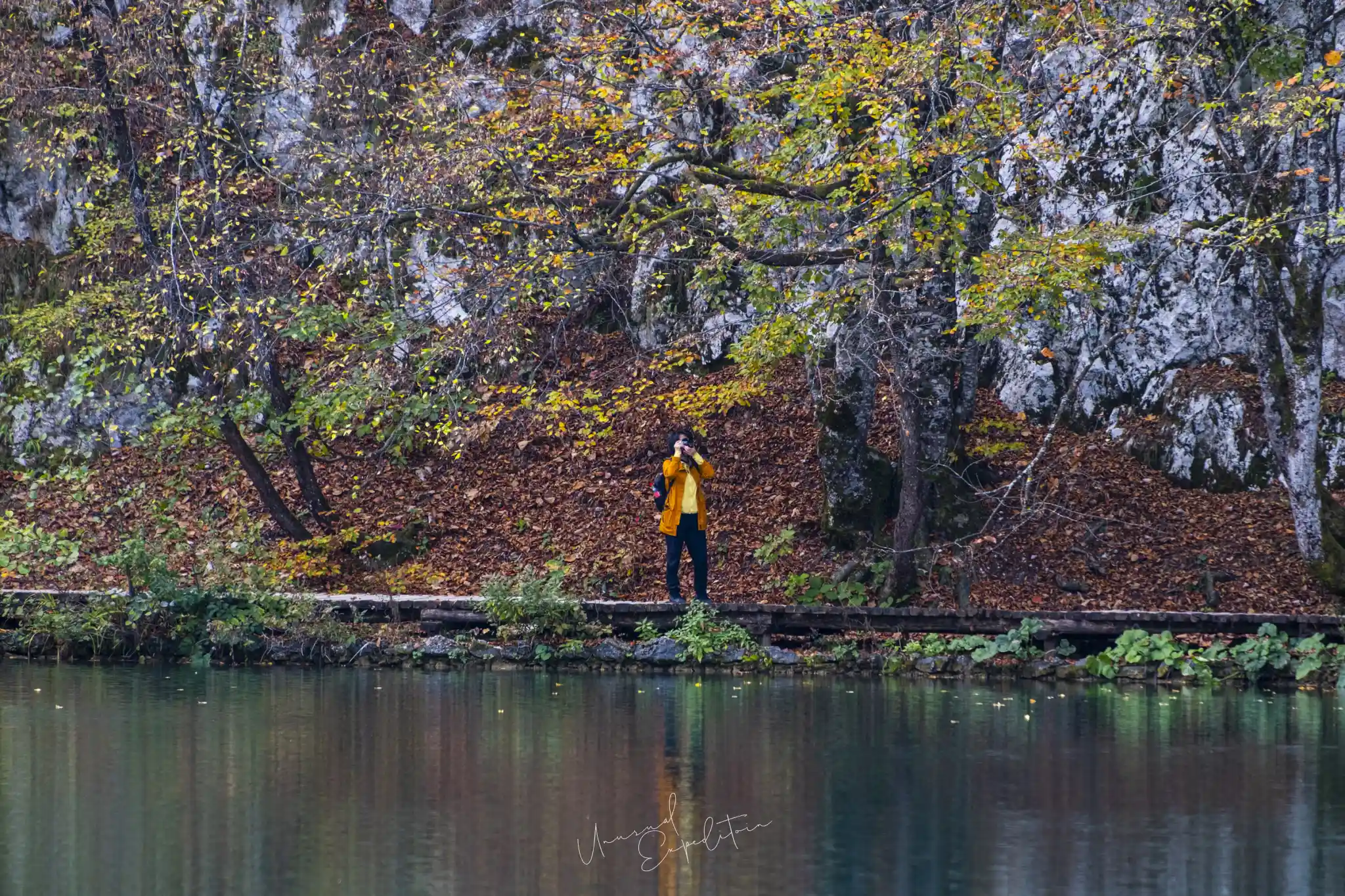
Croatia trip planning starts with three choices: which airport to fly into, whether your passport needs a visa for the Schengen Area, and how to give Plitvice Lakes the early and late light it needs. Zagreb, Split and Dubrovnik are the gateways, reached with one connection from most of the world or directly from much of Europe; many passports need no visa for a short visit; and from Zagreb or the coast, Plitvice Lakes National Park is reached by road. Below is how we plan a photo trip: the paperwork, the routes, park tickets, money and what to pack.
Our Croatia photography tour guide is the overview of the country. This article is the practical companion for photographers travelling from anywhere.
Croatia trip planning: do I need a visa for Croatia?
Croatia joined the Schengen Area on 1 January 2023, so the visa question has the same answer as for the rest of Schengen, and it depends on your passport. The European Commission's list of visa-free countries includes the United Kingdom, the United States, Canada, Australia, New Zealand and Japan: their citizens can visit for up to 90 days in any 180-day period, and Croatia's Ministry of Foreign and European Affairs confirms that days spent in other Schengen countries on the same trip count towards that total. EU and EEA citizens need no visa at all. Schengen rules ask for a passport valid at least three months beyond the date you leave; six months gives you a margin.
According to the European Commission, the EU Entry/Exit System has been fully operational since 10 April 2026: at the first Schengen border it registers your passport details, fingerprints and a facial image instead of stamping your passport, so allow a little extra time. ETIAS, the travel authorisation for visa-free visitors, is not yet in operation and no applications are being collected; the Commission will announce the start date several months in advance. Check the Commission's pages and your own government's advice for your passport before you travel, because entry rules can change at short notice.
How to get to Croatia: gateways and routes
How to get to Croatia depends on where you start. From the UK and much of Europe there are direct flights to Zagreb and, especially in summer, to Split and Dubrovnik. From North America, Asia, Australia and Africa, most routings have one connection, through a Gulf hub, Istanbul or a European airline's home airport. Zagreb is the natural gateway for Plitvice Lakes and the interior; Split and Dubrovnik are the gateways for the coast, and many trips fly into one and out of the other to avoid doubling back. Travellers already in Italy or Slovenia often arrive overland or by ferry across the Adriatic. Schedules to the coastal airports are busier in summer and thinner in winter, so check the current timetable before you fix your dates.
| Gateway | Best for | Notes |
|---|---|---|
| Zagreb | Plitvice Lakes, the interior, Slovenia | Year-round connections |
| Split | Central Dalmatia and the islands | More flights in summer |
| Dubrovnik | The far south of the coast | More flights in summer |
An open-jaw ticket, in at one gateway and out at another, usually saves the most time on the ground.
How to get to Plitvice Lakes
Plitvice Lakes National Park lies inland, roughly between Zagreb and the Dalmatian coast, and there are three practical ways to reach it. A hire car or private driver gives you the freedom to arrive at the first ticket slot and stay for the late light, which matters most for photography. Intercity buses between Zagreb and the coast stop at the park entrances. Organised day trips run from Zagreb, Split and Zadar, but they arrive with everyone else and leave before the best light. For a photo trip we prefer to stay near the park and visit more than once. Our Plitvice Lakes photos article explains why the second session is usually the better one.

Plitvice Lakes tickets online
The official Plitvice Lakes National Park FAQ highly recommends buying Plitvice Lakes tickets online through the park's own webshop. You choose a date, a time and an entrance; the ticket must be shown on your phone or printed and validated at that entrance, and you cannot enter before the time on the ticket. The panorama train and the electric boat rides inside the park are included in the ticket. Prices and opening hours change with the season, so check the official site before you travel rather than relying on a figure from a forum. In busy months buy as early as you can, and take the first slot of the day if photography is the reason you are there.
Money, phones and the practical side
Croatia uses the euro, as do Slovenia and Austria to the north, so there is no currency to change if you continue north. Cards are widely accepted in towns, restaurants and at the park, and a small amount of cash helps at village shops and car parks. Croatia is on Central European Time with summer time, like most of Europe. Travellers from outside the EU usually buy a European data plan or an eSIM before leaving, which also covers Slovenia if you continue north; our Slovenia photography tour guide covers that side of the border. Singapore's foreign ministry, for one, notes that pickpocketing is common in tourist areas and that de-mining of former conflict zones is still going on, so stay on marked paths in rural areas. Travel insurance that covers camera gear is worth the cost.
People underestimate how cold an autumn morning at the lakes can be. Pack for a European autumn, not for the photos you have seen of turquoise water.
Joseph Mak, tour leader, Unusual Expedition
What to pack for a trip to Croatia
What to pack for a trip to Croatia depends on the season and on how much of it is the lakes rather than the coast. For Plitvice Lakes, bring shoes with grip for wet boardwalks, a warm layer and a rain shell outside summer, and a dry bag or rain cover for the camera, because spray from the falls reaches further than you expect. For the camera, a 24-70mm covers most of the park and the old towns, a 16-35mm helps on the rim views, and a 70-200mm picks out details such as moss, cascades and textures in the water. Add a polarising filter, a neutral density filter for long exposures, a light tripod with short legs and spare batteries for cold mornings. On the coast, add sun protection and a lens cloth for salt spray. The best time to photograph Croatia article explains what each season needs.

Croatia tour packages or a private trip
Most Croatia tour packages cover the coast and spend a few hours at Plitvice in the middle of the day, which is the worst time to photograph it. A photography trip is built the other way round: around the light, with time at the lakes early and late. We run Croatia as a private trip on request, for individuals, families, couples and photographers at their own pace, joining from any country and meeting at the gateway airport. We arrange all the logistics to your needs from our base in Singapore, the cost can be lower than our group tours because no tour leader travels, and a photographer or photography coaching can be added at extra cost. Ask at least two months ahead; last-minute trips can be arranged too.
Start planning your Croatia trip
Read how private trips work on our private tours page, and browse every Croatia guide on our Croatia photography tours page.
Croatia photography tours
The next Croatia departure is announced on the Croatia photography tours page, with previous expeditions and all the planning guides.
Explore Croatia in depth
- Croatia Photography Tour Guide: Plitvice Lakes and BeyondCroatia
- Plitvice Lakes Photos: Where We Stood and How We Shot ThemCroatia
- Best Time to Visit Croatia for Photography, Month by MonthCroatia
Upcoming Photo Tours
- Egypt Photo Tour – EgyptEgypt 12 Dec 2026 To 20 Dec 2026
- Inner Mongolia Winter Owl Photo Tour – ChinaChina 01 Jan 2027 To 04 Jan 2027
- Inner Mongolia Winter Photo Tour – ChinaChina 05 Jan 2027 To 11 Jan 2027
- Mekong And Central Highland Vietnam Photo Tour - VietnamVietnam 16 Jan 2027 To 24 Jan 2027