
Kashmir Photography Tour Guide: Dal Lake, Srinagar and the Winter Light
Kashmir photography from our winter trips: Dal Lake, shikaras, the floating market, Srinagar and snow, with the travel advice stated.
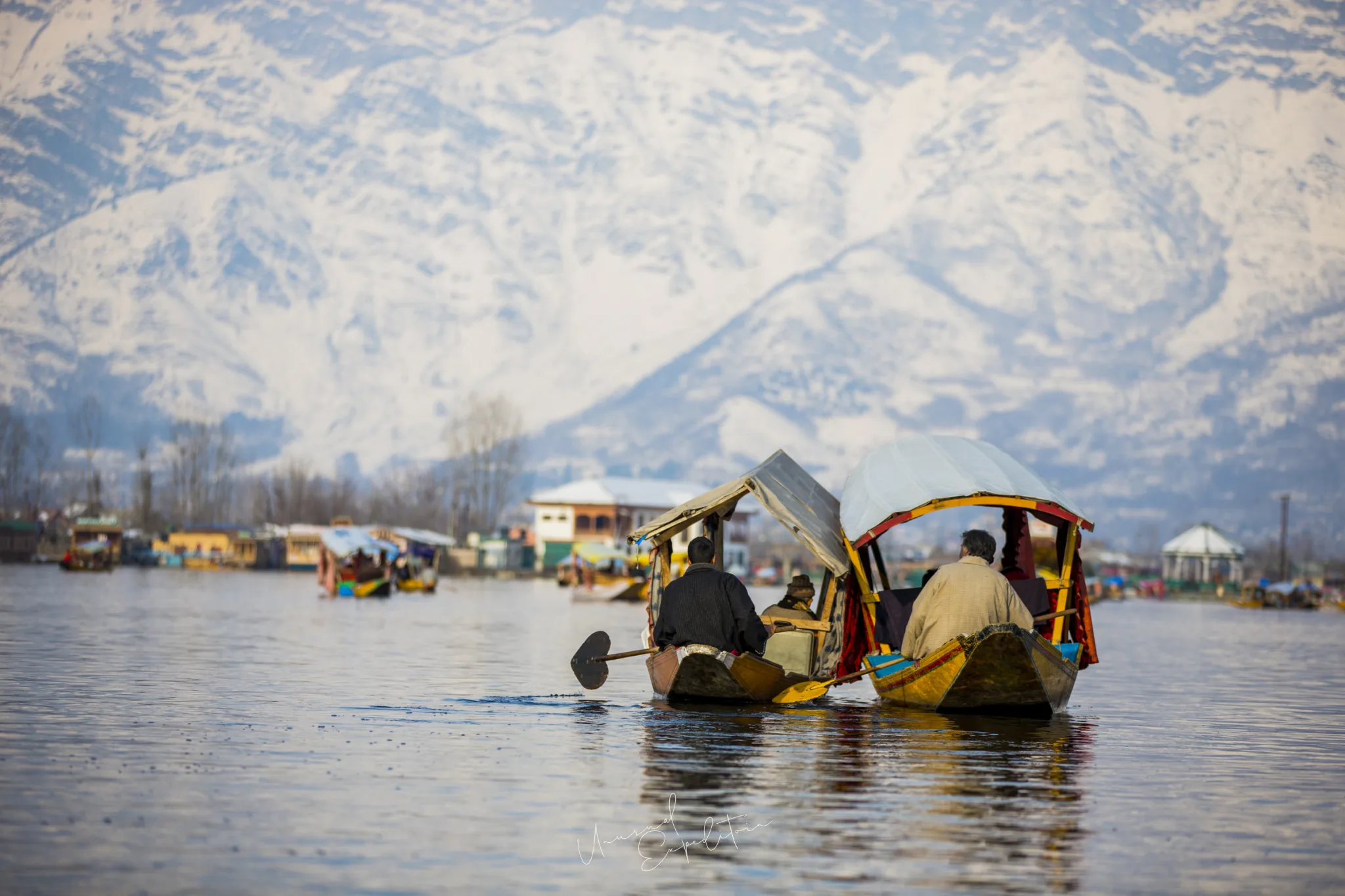
Kashmir photography is mostly water, wood and winter light. In Srinagar it means Dal Lake with its shikaras and carved houseboats, the floating vegetable market at first light, the willow channels of the inner lake and the bakeries and barbers of the old town; above the valley it means snow on the ranges and pony men on white slopes. This is the Kashmir area guide within our India photography tour guide, written from three winter trips we made there.
First, the travel advice, because it decides everything else. As at November 2026, Singapore's Ministry of Foreign Affairs advises Singaporeans to defer non-essential travel to the Union Territory of Jammu and Kashmir, and the UK Foreign, Commonwealth and Development Office advises against all travel there, including Srinagar, Gulmarg, Pahalgam and Sonamarg, with exceptions only for flights to and from Jammu city and travel within it. This guide describes places we photographed on past trips. We will offer Kashmir again as a private trip when the advice allows, and we suggest you read your own government's advice before planning anything.
The photographs in this guide are our own, taken on our trips here; we hold the rights to them, and the notes come from knowing these places first hand.
Kashmir photography: what the valley gives you
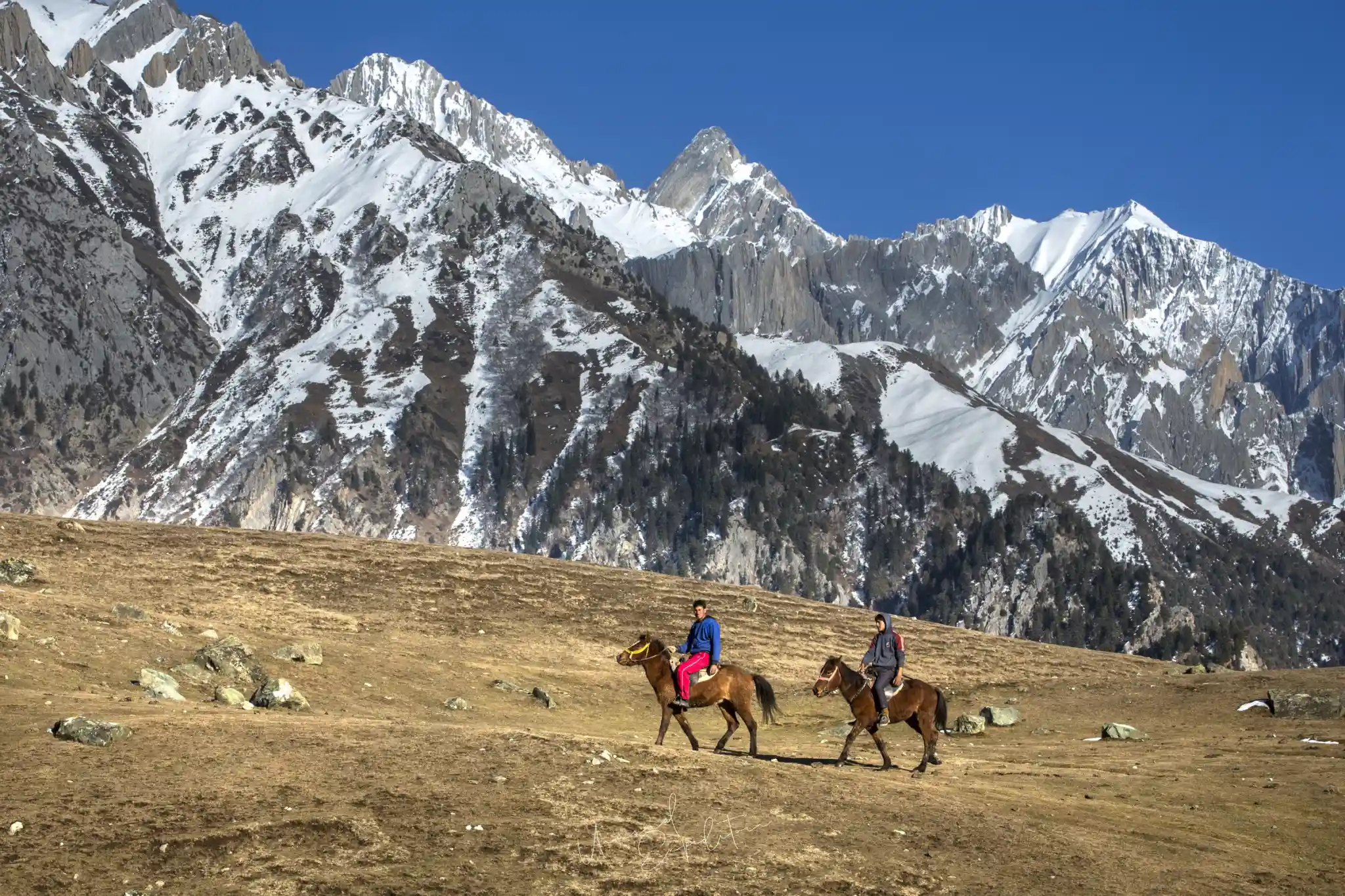
The Kashmir Valley is a wide, flat bowl ringed by the Himalaya and the Pir Panjal, with Srinagar and its lakes at the centre. Incredible India, the Government of India's tourism site, calls Srinagar the summer capital of the region and Dal Lake "the heart and soul of Srinagar", with the Zabarwan hills rising behind it. For a photographer the valley splits into three subjects. There is the lake: boats, houseboats, reflections and the people who live and trade on the water. There is the town: wooden houses, shopfronts, mosques and the steady business of a cold place getting through winter. And there are the mountains: snowfields, pine forest and high meadows within reach of Srinagar. Most of our frames are from the lake, because that is where the light is best and where life happens in front of you without any staging.
Dal Lake and its houseboats
Dal Lake is the picture most people have of Kashmir, and it lives up to it. The carved wooden houseboats moored along its edge, which Incredible India describes as "floating palaces" that grew up because the British could not own land in the valley, make a long line of balconies and roofs above still water. Behind them the hills are often white until spring. The open lake gives you reflections and space; the inner lake, reached through narrow channels, gives you stilt houses, willows, floating gardens and boatmen at work. Our Dal Lake photos essay shows what the lake looks like through the lens and where the frames came from.
The floating market at first light
Before dawn, farmers from the lake's floating gardens paddle their boats to a meeting point in the inner lake and trade vegetables boat to boat: spinach, radish, carrots, lotus stem. It is a wholesale market for locals, not a show for visitors, and it is reported to be over within a couple of hours of first light. The light is blue, then grey, then soft gold, and the subject is people talking, weighing and laughing at close range. The Dal Lake floating market article covers how to approach it, where to sit and how to behave.
Shikaras and boatmen
The shikara, the long, canopied boat of Dal Lake, is how everyone moves on the water and how you will photograph from it. A good boatman is the most useful person you can meet in Srinagar: he knows the channels, the market and where the sun comes up behind the houseboats. Our shikara in Dal Lake piece is about the boats themselves and the light at sunrise and sunset from the water.
Srinagar's streets, bakeries and mosques
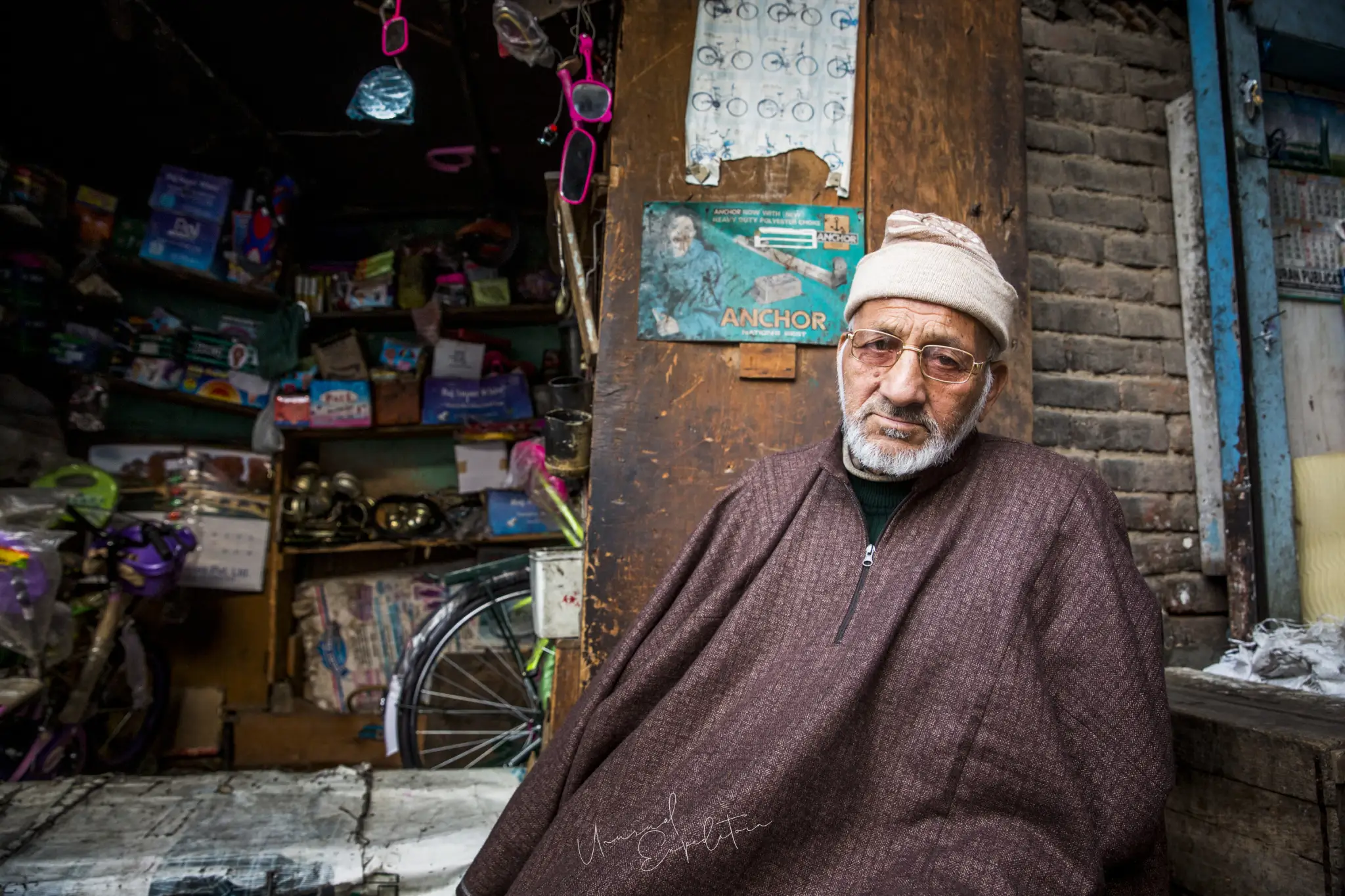
Srinagar away from the lake is a town of wooden and brick houses, small shops open to the street, and neighbourhood bakeries where the kandur, the traditional baker, works a clay oven before dawn. Sahapedia's study of the kandurs of Srinagar describes the bakery as a meeting place as much as a shop, and that is how it feels with a camera: men waiting for bread, talking, warming their hands. Barbers, spice sellers and fruit carts fill the rest of the street. Mosques and shrines are places of prayer; we photograph inside only with permission and never during prayers. The Srinagar photos article walks through the town as a subject.
Winter in Kashmir
All three of our trips were in winter or its last weeks, and winter is the season we would choose again for photography. Fog lies on the lake in the mornings, smoke from the houses hangs in the willows, snow sits on the roofs and the mountains are white to their feet. People wear the pheran, the long woollen cloak, and many carry a kangri under it, a small wicker-cased pot of embers. Winter is also hard: Wikipedia's account of Chillai Kalan, the coldest stretch of about forty days from late December, describes nights well below freezing. Our Kashmir in winter guide covers the fog, the snow and what to expect.
Where to photograph in Kashmir
| Place | Subject | Best light | Lens |
|---|---|---|---|
| Dal Lake, open water | Shikaras, houseboats, reflections, the Zabarwan hills | Sunrise, blue hour, still mornings | 16-35mm, 24-70mm |
| Inner lake channels | Floating market, stilt houses, boatmen | First light, fog | 24-70mm, 70-200mm |
| Srinagar old town | Bakeries, shops, barbers, street life | Morning, overcast days | 24-70mm |
| Mountains above the valley | Snowfields, pine forest, pony men, peaks | Clear mornings, late afternoon | 24-70mm, 70-200mm |
The lake and the town reward the same habit: be out early, before the light and the crowds change.
"Kashmir is the place where I tell people to slow down. Sit in the shikara, let the boatman paddle, and wait for the fog to lift off the lake. The pictures come to you there, one boat at a time."
Joseph Mak, tour leader, Unusual Expedition
When to go
Winter gives the fog, the snow and the strongest sense of place; spring brings blossom, the tulip garden and green willows; summer brings lotus on the lake and open mountain meadows; autumn brings the gold of the chinar trees. Each season changes the lake more than you would expect. The best time to visit Kashmir article compares them month by month, and repeats the travel advice, which matters more than the season.
Photographing people in Kashmir with respect
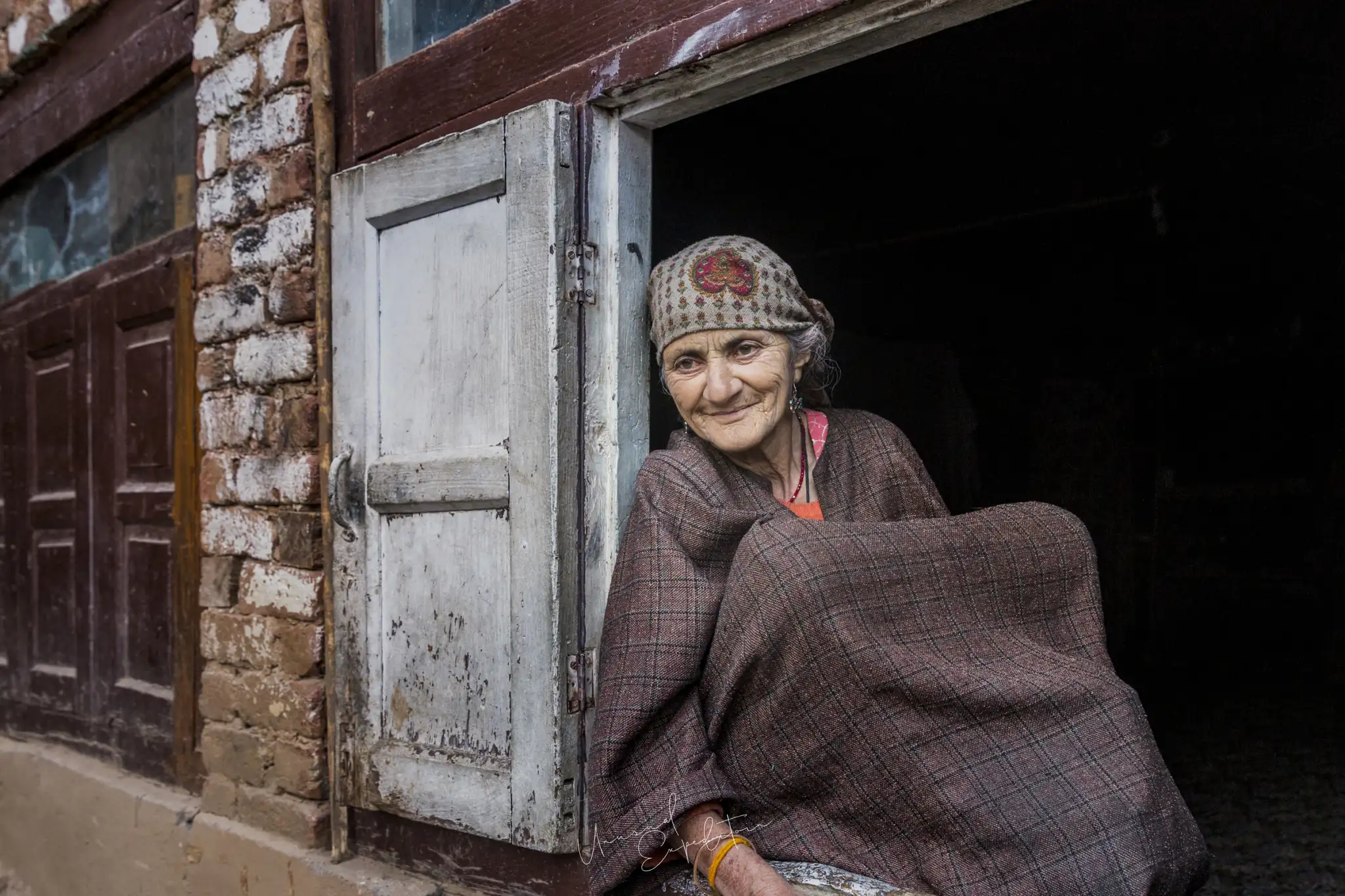
Kashmiris are, in our experience, warm and curious about a camera, and many of our best portraits came after a cup of tea and a few minutes of conversation. Ask before you photograph anyone up close, accept a no, and be especially careful with women and with anyone at prayer. We do not photograph children, and we do not photograph soldiers or police posts. The Kashmir photography FAQ answers the practical questions: the advice, permits, getting to Srinagar, kit for the cold and etiquette.
Explore Kashmir in depth
- Dal Lake photos: houseboats, shikaras and the inner lake
- Dal Lake floating market: the vegetable boats at first light
- Shikara in Dal Lake: the boats, the boatmen and the light
- Srinagar photos: bakeries, barbers, mosques and streets
- Kashmir in winter: fog, snow, pherans and kangris
- Best time to visit Kashmir, season by season
- Kashmir photography FAQ: advice, permits, getting there and etiquette
For the rest of the country, start from the India photography tour guide, which also covers the e-Visa and money.
Photograph Kashmir with us when the advice allows
While the advice above stands, we are not running trips to Kashmir. When the advice allows, we will run Kashmir as a private trip on request, for individuals, families, couples and photographers who want to work at their own pace; we arrange all the logistics around what you want to photograph, and a photographer or photography coaching can be added at extra cost. A private trip can cost less than a group tour because no tour leader travels with you. Ask at least two months ahead if you can, though shorter notice can be arranged. See private tours and our India photography tours page for the places we run now.
Kashmir photography tours
The next Kashmir departure is announced on the Kashmir photography tours page, with previous expeditions and all the planning guides.
Explore Kashmir in depth
- Srinagar Photos: Bakeries, Barbers, Mosques and StreetsIndia
- Shikara in Dal Lake: The Boats, the Boatmen and the LightIndia
- Kashmir Photography FAQ: Travel Advice, Permits, Getting There and EtiquetteIndia
- Kashmir in Winter: Fog, Snow, Pherans and KangrisIndia
- Dal Lake Photos: Houseboats, Shikaras and the Inner LakeIndia
- Dal Lake Floating Market: Photographing the Vegetable Boats at First LightIndia
- Best Time to Visit Kashmir for Photography, Season by SeasonIndia
Upcoming Photo Tours
- Egypt Photo Tour – EgyptEgypt 12 Dec 2026 To 20 Dec 2026
- Inner Mongolia Winter Owl Photo Tour – ChinaChina 01 Jan 2027 To 04 Jan 2027
- Inner Mongolia Winter Photo Tour – ChinaChina 05 Jan 2027 To 11 Jan 2027
- Mekong And Central Highland Vietnam Photo Tour - VietnamVietnam 16 Jan 2027 To 24 Jan 2027