
How to Get to Slovenia: Flights, Entry and Trip Questions
How to get to Slovenia: gateways and flights, Schengen visa rules by passport, EES and ETIAS, time, gear, drones and safety.
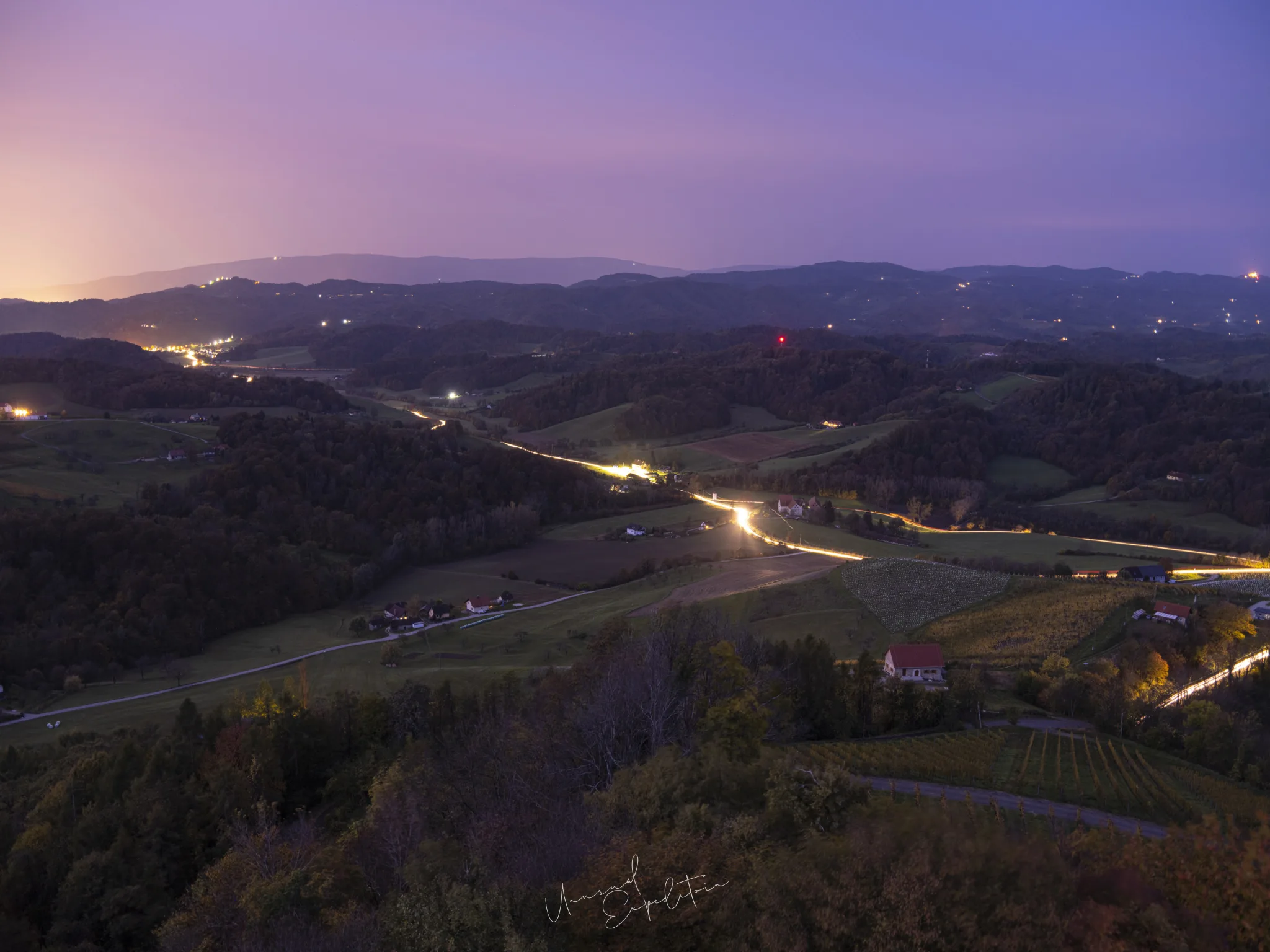
How to get to Slovenia is easy from most of the world: fly into Ljubljana with one connection through a European hub or Istanbul, or fly into Venice, Zagreb or Vienna, which have more long-haul options, and continue the rest of the way overland. Slovenia is in the Schengen Area, so many passports need no visa for a short visit. Once there, the country is small, which makes it easy to photograph well in a single trip.
Below are the practical questions we hear most from photographers planning a first visit. For the places themselves, start with the Slovenia photography tour guide.
How to get to Slovenia: flights and gateways
Ljubljana's Jože Pučnik Airport mainly has short-haul routes within Europe, plus links to large hubs; the Slovenian Tourist Board's news on the airport's 2026 season names Istanbul as one of its strongest connections. From much of Europe, the UK included, that means a single flight or one short connection. From North America, Asia, Australia or Africa, the realistic choices are one connection through Istanbul, a Gulf hub or a major European hub into Ljubljana. Many travellers also fly into Venice, Zagreb or Vienna and continue by road or rail; Ljubljana is well connected to all three, and an open-jaw ticket, in at one city and out at another, often saves time. Schedules change every season, so check the current options with the airlines before booking. We do not give flight times here because they depend so much on where you start.
| Gateway | Why use it |
|---|---|
| Ljubljana | Closest to everything; mostly European and hub connections |
| Venice | More long-haul routes; good for the west and the coast |
| Zagreb | Pairs Slovenia with Croatia and Plitvice Lakes |
| Vienna | Many long-haul routes; good for the Styrian wine hills |
Slovenia and Schengen: do you need a visa?
Slovenia is in the Schengen Area, so the answer depends on your passport. The European Commission's list of visa-free countries includes the United Kingdom, the United States, Canada, Australia, New Zealand and Singapore, whose citizens can stay up to 90 days in any 180-day period without a visa; EU and EEA citizens need no visa at all. The 90 days count across the whole Schengen Area, not Slovenia alone. Schengen rules ask for a passport valid at least three months beyond the date you plan to leave, and Slovenia requires visitors to be registered with the police within three days of arrival, which accommodation normally does for you.
Two EU systems matter at the border. According to the European Commission, the Entry/Exit System has been fully operational since 10 April 2026: instead of a passport stamp, it registers your passport details, fingerprints and a facial image at your first Schengen border. ETIAS, the travel authorisation for visa-free visitors, is not yet in operation and no applications are being collected; the Commission says the start date will be announced several months in advance. Check the Commission's pages and your own government's advice for your passport before you travel.
Is Slovenia worth a visit?
Slovenia is worth a visit for any photographer who likes landscapes with character. In a small country you find an alpine lake with an island church, a wild mountain lake, turquoise springs, hilltop churches above the fog, a pretty capital with a castle, and wine hills that roll into Austria. Distances are short, roads are good and the country is calm and well organised, so the effort goes into the pictures. It also pairs well with its neighbours: Croatia's Plitvice Lakes, covered in our Croatia photography tour guide, the Dolomites in Italy, or the lakes of Austria.
Time zone, money and staying connected
Slovenia is on Central European Time and moves its clocks forward for summer, like most of Europe. The currency is the euro, and cards are widely accepted, though it helps to carry some cash for small farms, rural cafés and parking machines. Mobile data is easy: EU roaming rules apply to EU SIM cards, and local and international eSIMs work across the country. Power sockets are the European two-pin type at 230 volts, so bring an adapter if your plugs are different.
How many days do you need?
Many travellers who come from outside Europe pair Slovenia with a neighbouring country, which makes the long flight more worthwhile. Slovenia alone needs enough time to give each area at least one good morning and one good evening: the Julian Alps lakes and Zelenci, the Škofja Loka Hills, Ljubljana and the Styrian wine hills. Weather decides a lot, especially for fog and mountain views, so spare time is the best insurance. We plan the shape of a private trip around the season and your subjects, and the best time to photograph Slovenia destination guide explains what each season gives you.
What camera gear should I bring?
| Item | Why |
|---|---|
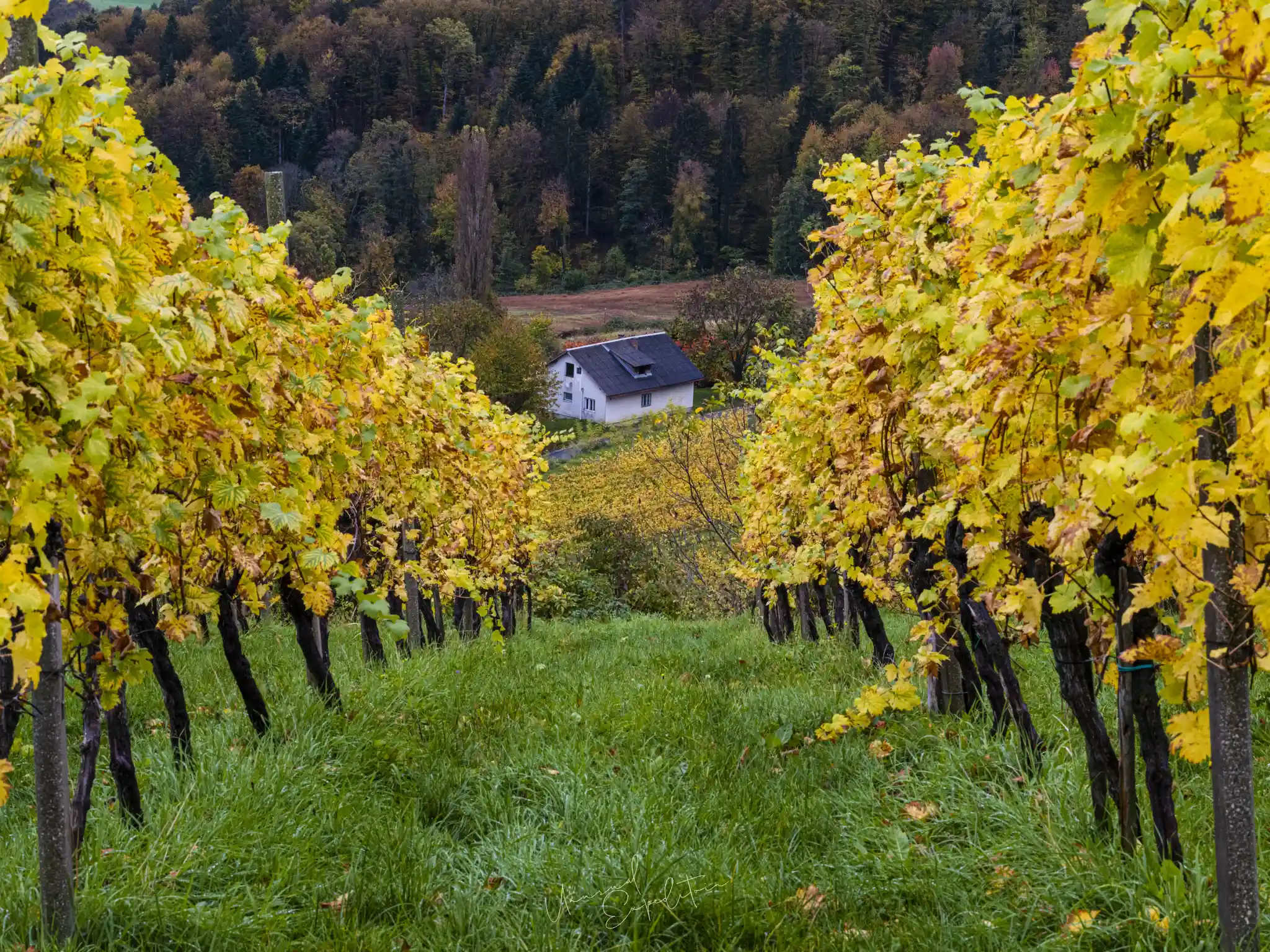
| 24-70mm | Most lake, town and vineyard scenes |
| 70-200mm | Bled from the hills, St Thomas, farms in the wine hills, the heart-shaped road |
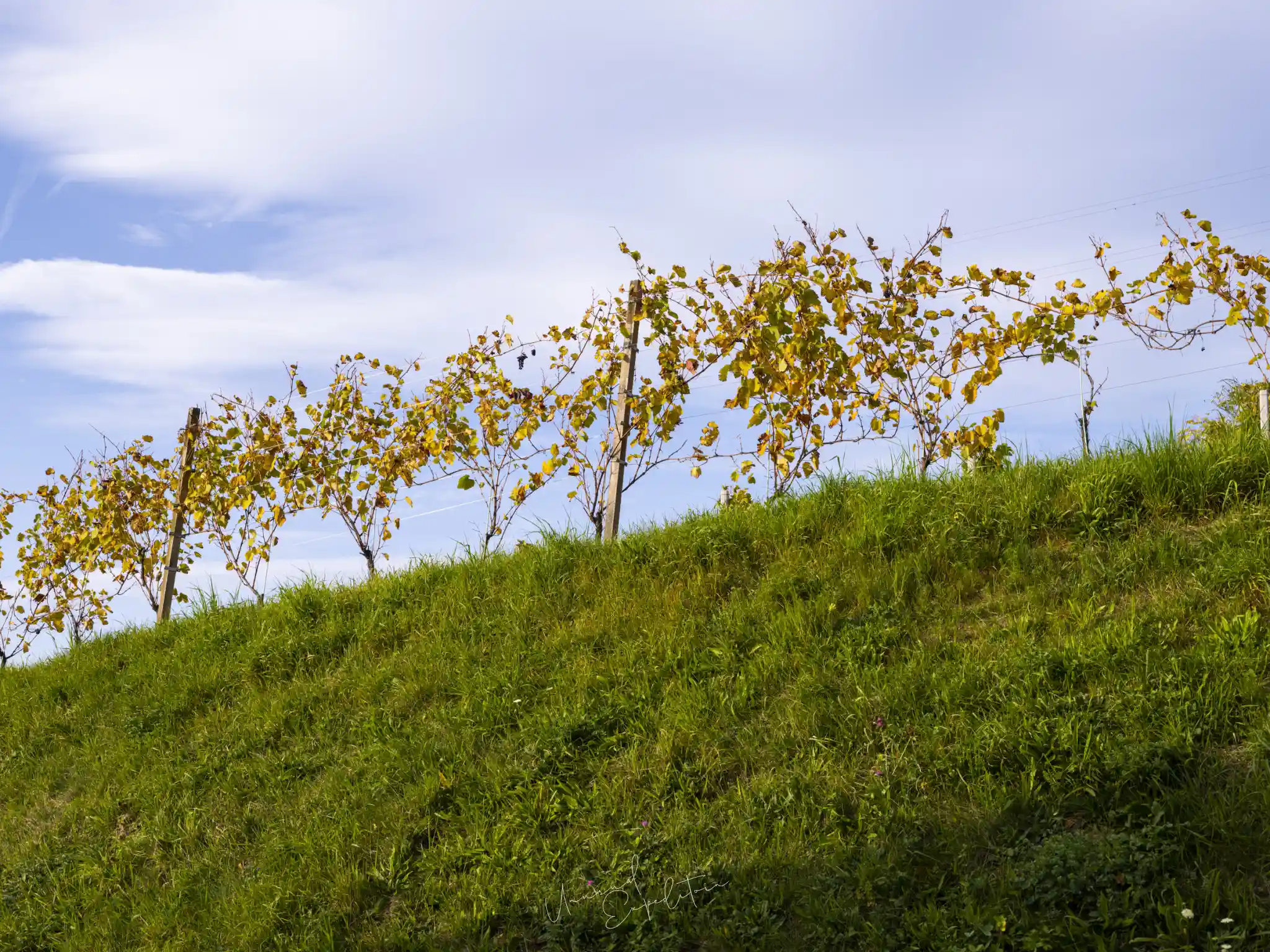
| 16-35mm | Waterfalls, vines against the sky, Ljubljana lanes |
| Tripod | Blue hour, fog at dawn, light trails at Špičnik |
| Polariser | Glare on the lakes and the Zelenci springs |
| Warm layers, rain shell | Cold dawns in autumn, mountain showers |
A headlamp is worth packing too, for the dark climbs to dawn viewpoints.
Can I fly a drone in Slovenia?
You can fly a drone in Slovenia only within the rules of the Civil Aviation Agency, which follow the EU drone regulations. Visitors from outside the EU register as operators in the first EU country where they fly. Protected areas such as Triglav National Park have their own restrictions, airports have no-fly zones, and private land and crowds bring further limits. Check the current rules for each place before you take off, and never assume a drone is allowed at a named site.
Guests are always surprised by how close everything is once they land. The long part is the flight. After that you spend your time waiting for light, not sitting in a car.
Joseph Mak, tour leader, Unusual Expedition
Is Slovenia safe for travellers?
Slovenia is generally a safe and easy country to travel in. Singapore's foreign ministry, for one, carries no formal advisory for Slovenia and notes only that strikes, protests and demonstrations happen occasionally; check your own government's travel advice too. Normal care with valuables applies in busy places such as Bled in summer. In the mountains the main risks are weather and terrain: wear proper shoes on the steep paths to viewpoints, carry a light, and turn back if the weather closes in.
Plan a Slovenia trip with us
We run Slovenia as a private trip on request, for individuals, couples, families or photographers who want to travel at their own pace. You join from any country and meet us in Ljubljana or at your gateway airport, and we arrange all the logistics from our base in Singapore. With no tour leader travelling, a private trip can cost less than our group tours, and a photographer or photography coaching can be added at extra cost. Ask at least two months ahead, though shorter notice can often be arranged. See private tours, and the Slovenia photography tours page for scheduled departures. For the lakes, read Lake Bled photos.
Slovenia photography tours
The next Slovenia departure is announced on the Slovenia photography tours page, with previous expeditions and all the planning guides.
Explore Slovenia in depth
- Slovenia Photography Tour Guide: Lakes, Hills and Wine CountrySlovenia
- Slovenia Vineyards: Photographing the Styrian Wine HillsSlovenia
- Ljubljana Photos: Castle Hill, Rooftops and Old Town LightSlovenia
- Lake Bohinj and Zelenci: Photographing the Julian Alps LakesSlovenia
- Lake Bled Photos: Viewpoints, Light and the Island ChurchSlovenia
- Heart-Shaped Road in Slovenia: Photographing SpicnikSlovenia
- Best Time to Photograph Slovenia: Seasons and Month by MonthSlovenia
Upcoming Photo Tours
- Egypt Photo Tour – EgyptEgypt 12 Dec 2026 To 20 Dec 2026
- Inner Mongolia Winter Owl Photo Tour – ChinaChina 01 Jan 2027 To 04 Jan 2027
- Inner Mongolia Winter Photo Tour – ChinaChina 05 Jan 2027 To 11 Jan 2027
- Mekong And Central Highland Vietnam Photo Tour - VietnamVietnam 16 Jan 2027 To 24 Jan 2027