
Havana Travel Guide and Photo Tour: Old Havana, Centro, Vedado and Daily Life
Havana is the capital of Cuba. Our photo guide to Old Havana, Centro, Vedado and the Malecón: street life, markets and practical tips.

This Havana travel guide is for photographers who want the city's daily life as well as its landmarks. Havana divides neatly into four areas to work: Old Havana for the colonial lanes, Central Havana for the crumbling streets and the Capitolio, Vedado and the Malecón for the sea and the evening crowd, and the markets and bakeries where Cubans actually shop. Below is how we photograph each, with the practical side of a Havana photo tour, as part of our Cuba photography tour guide.
Havana rewards walking. The light is hard by mid-morning, so the working day for a camera is the first few hours and the last two before sunset, with the middle given to markets, interiors and rest. Our Havana photos show the landmark views; this guide is about the streets in between.
Havana photography in Old Havana
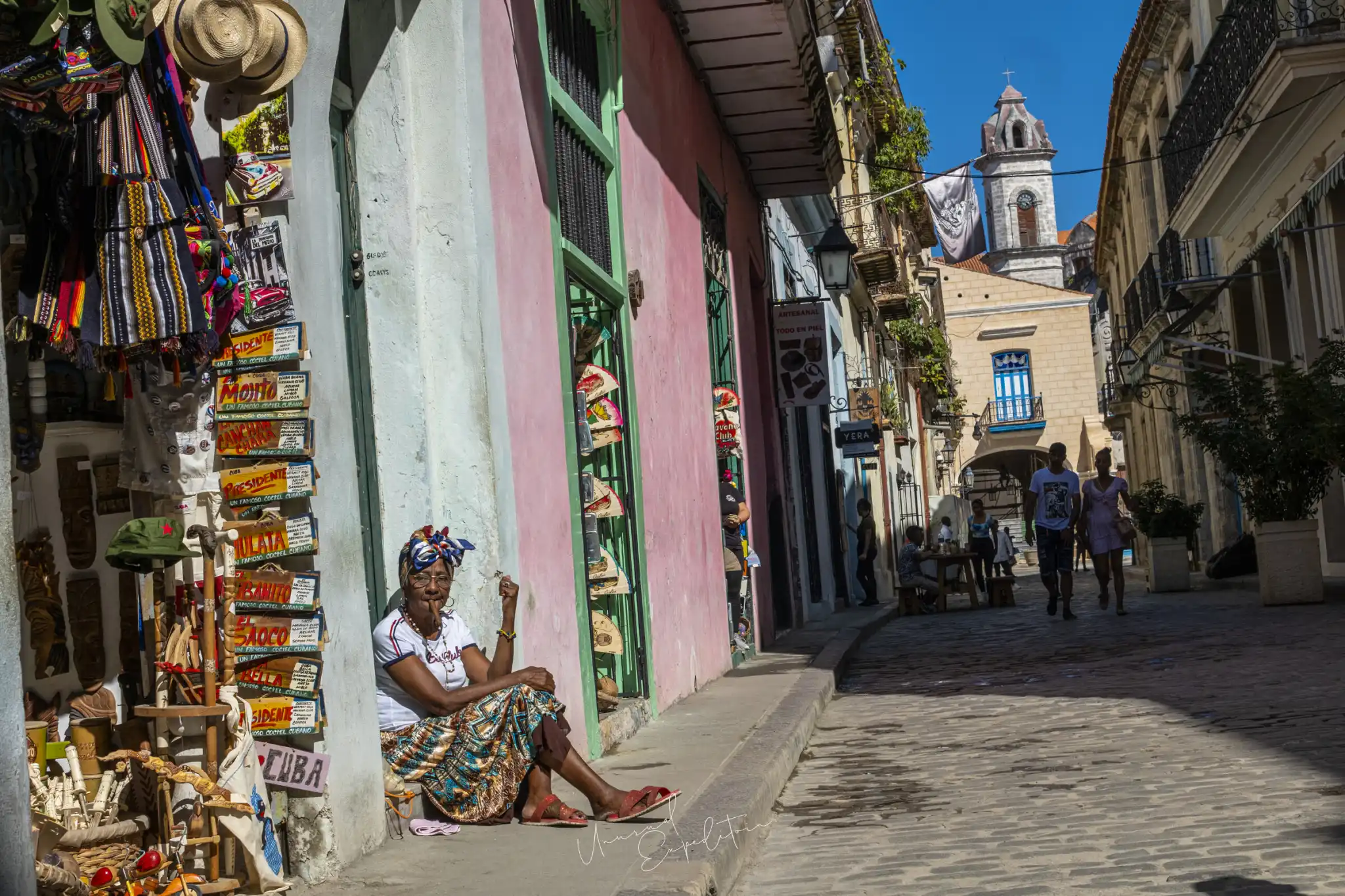
Old Havana, Habana Vieja, is the restored colonial core and has been a UNESCO World Heritage Site, with its fortifications, since 1982. Beyond the four big squares, the lanes between them are where you find the city at street level: a vendor sitting in a doorway beside a rack of hats and maracas, washing on a balcony, a church tower closing the end of a street. The lanes run north to south and east to west, so in the morning one side is lit and the other in shade, and the best pictures come from standing in the shade and photographing into the light. Keep the 24-70mm on and work at the wide end close to people; they are used to cameras here, and a nod and a smile before you lift the camera does most of the asking. The women in colonial dress who pose with cigars and flowers expect a tip, which is fair.
Bicitaxis and the streets of Central Havana
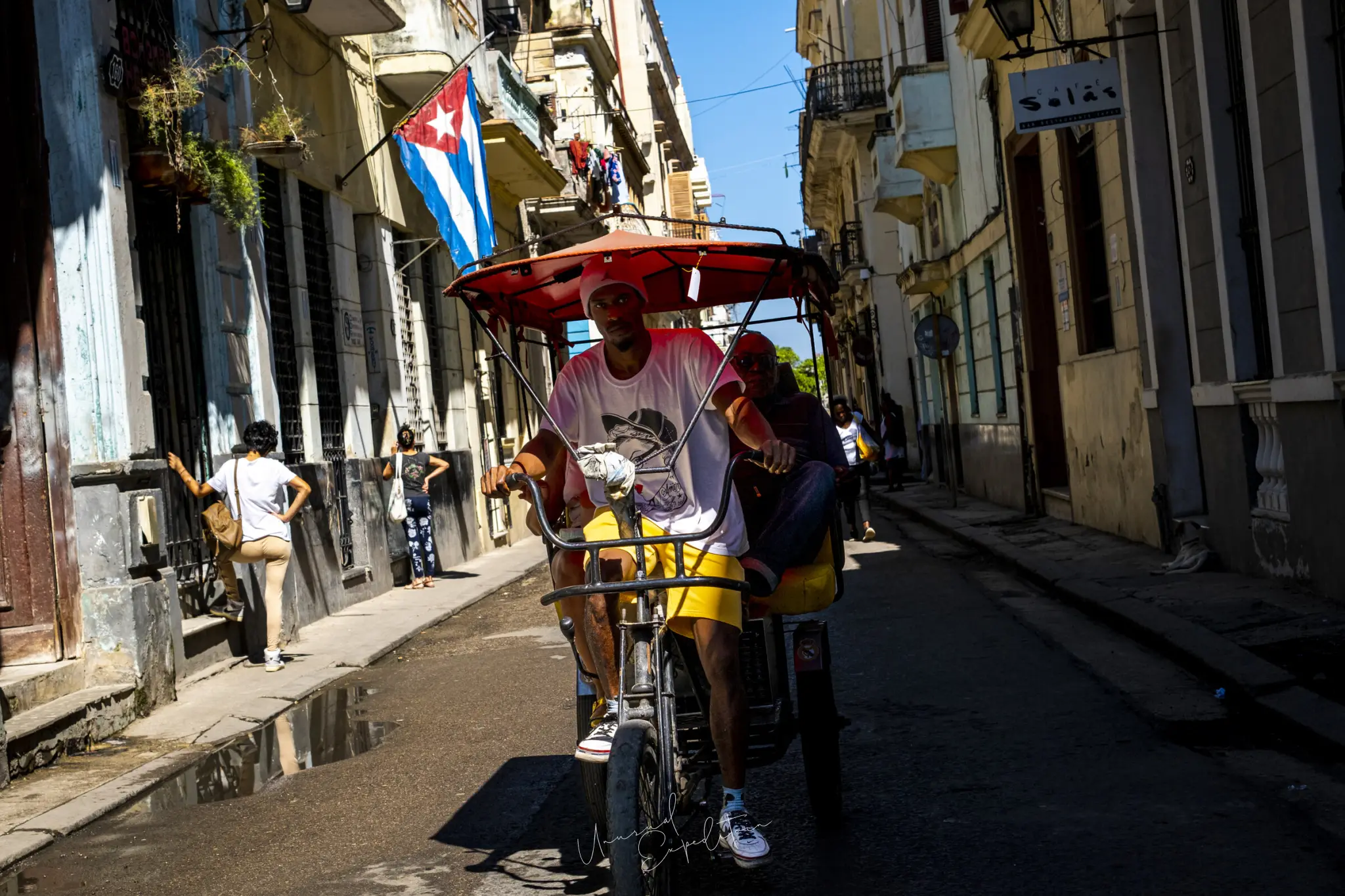
Central Havana, Centro Habana, is where most habaneros live, in tall nineteenth and early twentieth century buildings in every state of repair. It is less polished than Old Havana and more photogenic for it. The bicitaxis, pedal rickshaws with a bench for two passengers, are the moving subject: they weave through the narrow streets carrying shoppers, children and crates, and a shutter speed slow enough to blur the wheels gives a sense of the traffic. Stand at a corner where a sunlit cross street meets a shaded one and wait for a bicitaxi to ride into the light. Several streets line up on the dome of the Capitolio, which makes a strong closing point for a long view. Keep your camera on a strap here, as you would in any big city.
Bread, bodegas and farmers' markets
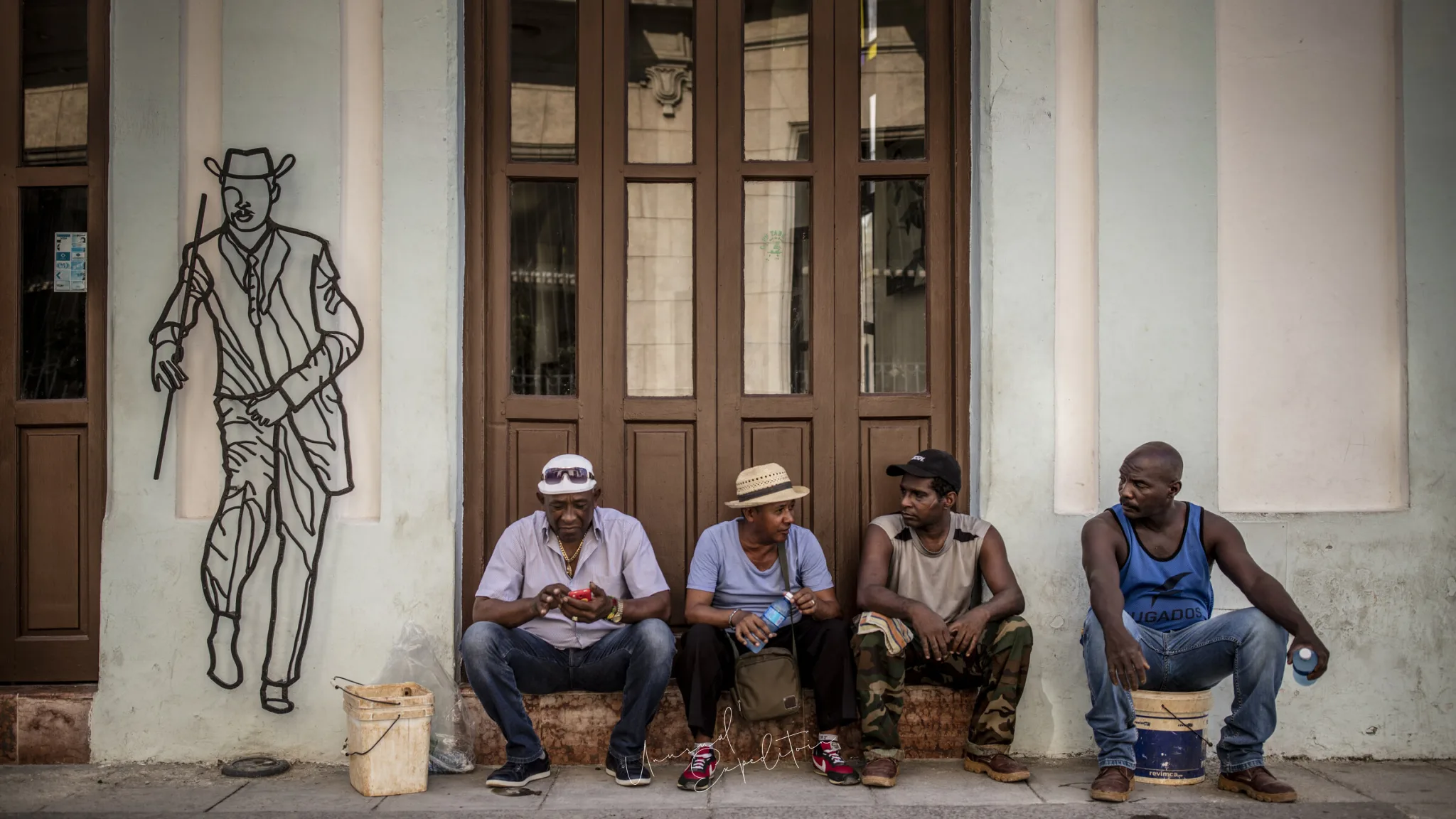
Daily life in Havana is shaped by shopping, and it is worth photographing with respect. Since 1962 Cubans have received a basic monthly ration of staples through the libreta, the ration book, collected at state shops called bodegas, and a small daily bread roll comes from state bakeries. Recent AP reporting describes the ration as shrinking and no longer enough to live on, so families buy the rest at agromercados, farmers' markets, and from private sellers at higher prices. A bakery at work, with trays of rolls coming out of the oven, or a vendor weighing sweet potatoes on an old scale under a hand-painted price board, tells this story better than any explanation. Ask first, buy something, and leave people queueing out of the frame, which most would rather you did.
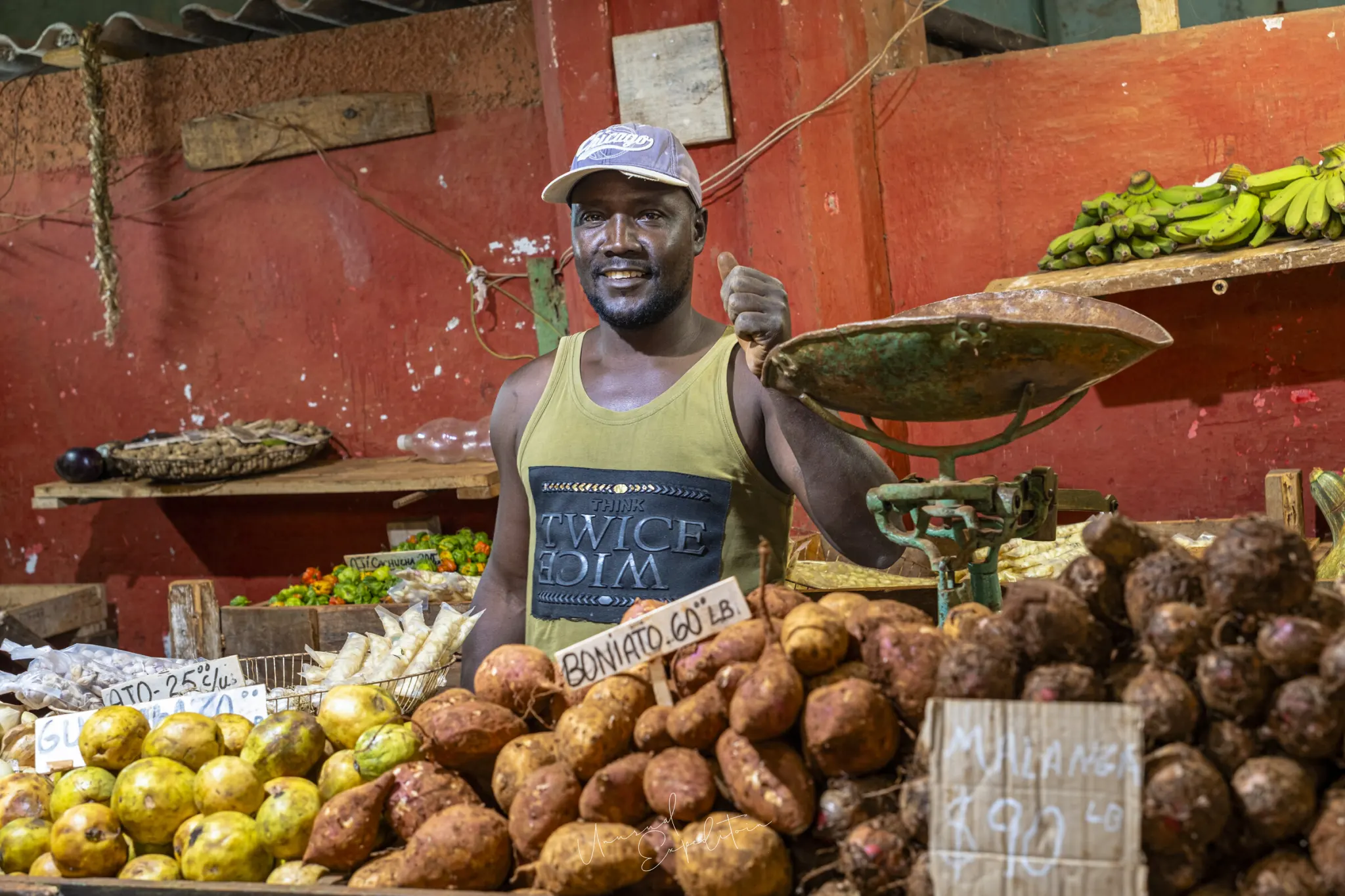
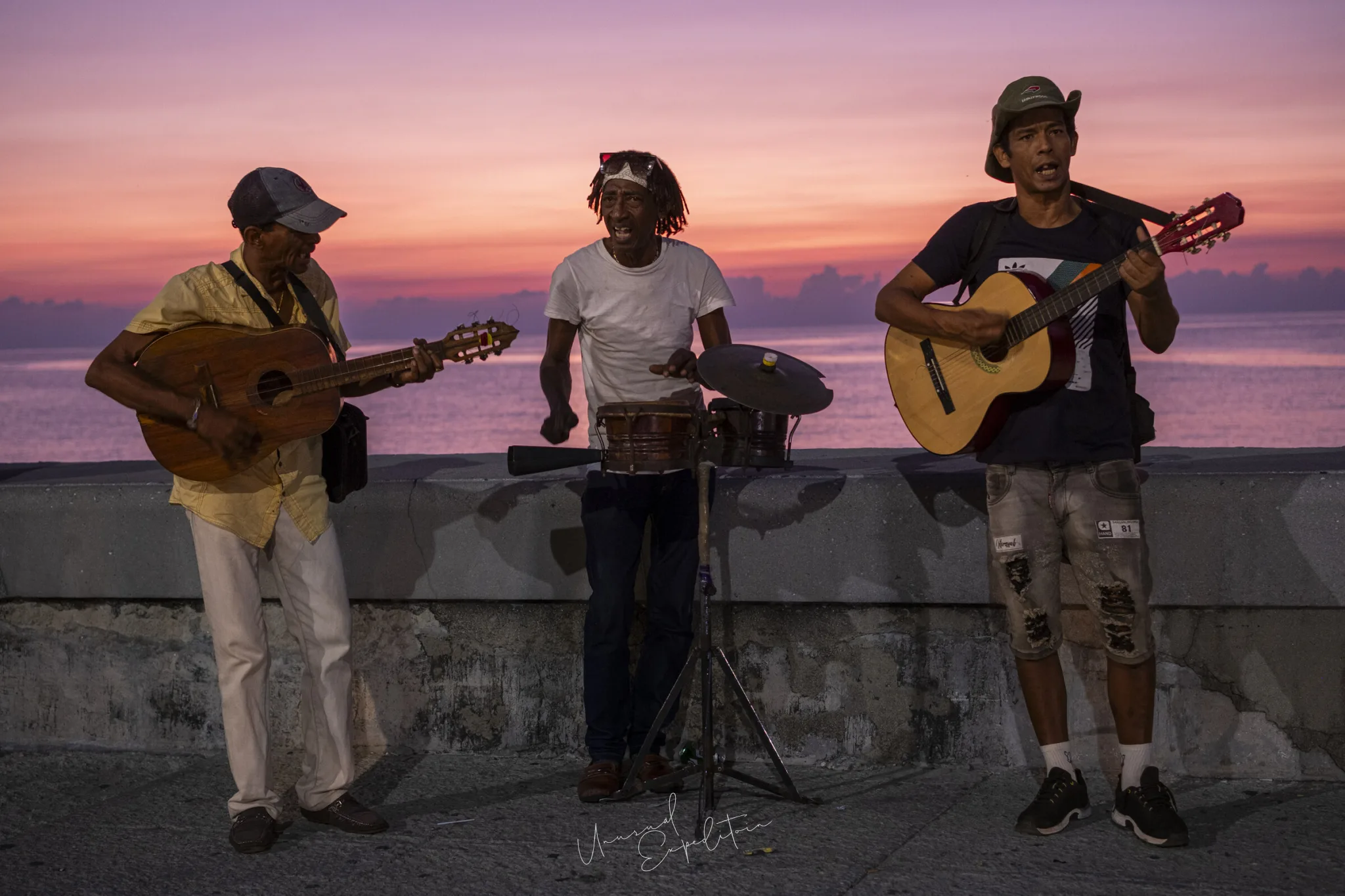
"Havana is not a museum, whatever the postcards say. My best pictures there are of people getting on with a hard life with a lot of style: the baker at dawn, the man with the old scale at the market, the musicians on the Malecón at sunset."
Joseph Mak, tour leader, Unusual Expedition
Vedado and the Malecón at the end of the day
Vedado is the newer, greener district west of the centre, with wide avenues, mid-century towers and the big hotels, and the Malecón seawall runs along its edge for about eight kilometres back to the harbour. From a high terrace in Vedado the curve of the Malecón, the waves breaking on the rocks and the old city in the distance make the clearest picture of how Havana sits on the sea, best at sunset or in the blue hour after it. Down on the wall, the evening brings fishermen, couples and musicians who play for tips. Pay for a song and you have a subject for as long as the light lasts. Our Cuba street photos and people guide goes deeper on portraits, and our Cuba classic cars photos cover the cars that cruise the Malecón.
A Havana photo tour, area by area
| Havana area | Best time | What you photograph |
|---|---|---|
| Old Havana lanes | Early morning | Doorways, vendors, church towers |
| Central Havana | Morning and late afternoon | Bicitaxis, facades, the Capitolio at the end of a street |
| Bakeries and agromercados | Early morning to midday | Bread, produce, vendors at work |
| Vedado terraces | Sunset and blue hour | The Malecón curve and the city |
| The Malecón wall | Last hour before sunset | Fishermen, musicians, couples, waves |
Three full days let you give each area its best hour without rushing; four leave room for a rained-out evening, which is common in the summer storm season.
Havana travel advisory and practical notes
Singapore passport holders can visit Cuba visa-free for up to 30 days, according to Singapore's Ministry of Foreign Affairs, which also advises checking the rules before travel because they change; ask your airline whether a tourist card is needed for your ticket, and complete Cuba's online D'Viajeros traveller form shortly before you fly. Bring cash in euros or US dollars, because private businesses run on cash and card terminals fail when the power goes. Power cuts have been frequent since 2024, so charge everything whenever you can and carry power banks and a head torch. Havana is generally safe for visitors; petty theft is the usual problem. Leave the drone at home, as drones are commonly confiscated at customs, and do not photograph police or military. Our guide to getting to Cuba covers flights and money in more detail.
Photograph Havana with us
We run Cuba as a private photography trip on request, with Havana as the base for most of the days and Viñales and Trinidad beyond. See our Cuba photography tours page for scheduled departures.
Cuba photography tours
The next Cuba departure is announced on the Cuba photography tours page, with previous expeditions and all the planning guides.
Explore Cuba in depth
- Cuba Photography Tour: The Complete GuideCuba
- Viñales Photos: the Valley at Sunrise and Sunset, and Is It Worth VisitingCuba
- Trinidad, Cuba: Photos, Things to Do and Is It Worth VisitingCuba
- Havana Photos: What Old Havana, the Malecón and the Capitolio Really Look LikeCuba
- How to Get to Cuba: Flights, Entry Rules and What to ExpectCuba
- Cuba Tobacco Farm Photos: the Drying Barns of ViñalesCuba
- Cuba Street Photos and People: Photographing Cubans with RespectCuba
- Cuba Photography Trip FAQ: Safety, Power Cuts, Cash and CamerasCuba
- Cuba Classic Cars Photos: Where to Find and Photograph ThemCuba
- The Best Time to Visit Cuba for Photography, Month by MonthCuba
Upcoming Photo Tours
- Egypt Photo Tour – EgyptEgypt 12 Dec 2026 To 20 Dec 2026
- Inner Mongolia Winter Owl Photo Tour – ChinaChina 01 Jan 2027 To 04 Jan 2027
- Inner Mongolia Winter Photo Tour – ChinaChina 05 Jan 2027 To 11 Jan 2027
- Mekong And Central Highland Vietnam Photo Tour - VietnamVietnam 16 Jan 2027 To 24 Jan 2027