
Chile Photography Trip FAQ: Safety, Visas, Weather and Cape Horn
Is Chile worth visiting? Answers on safety, visas for Singaporeans, the SAG declaration, Cape Horn landings, weather and lenses.
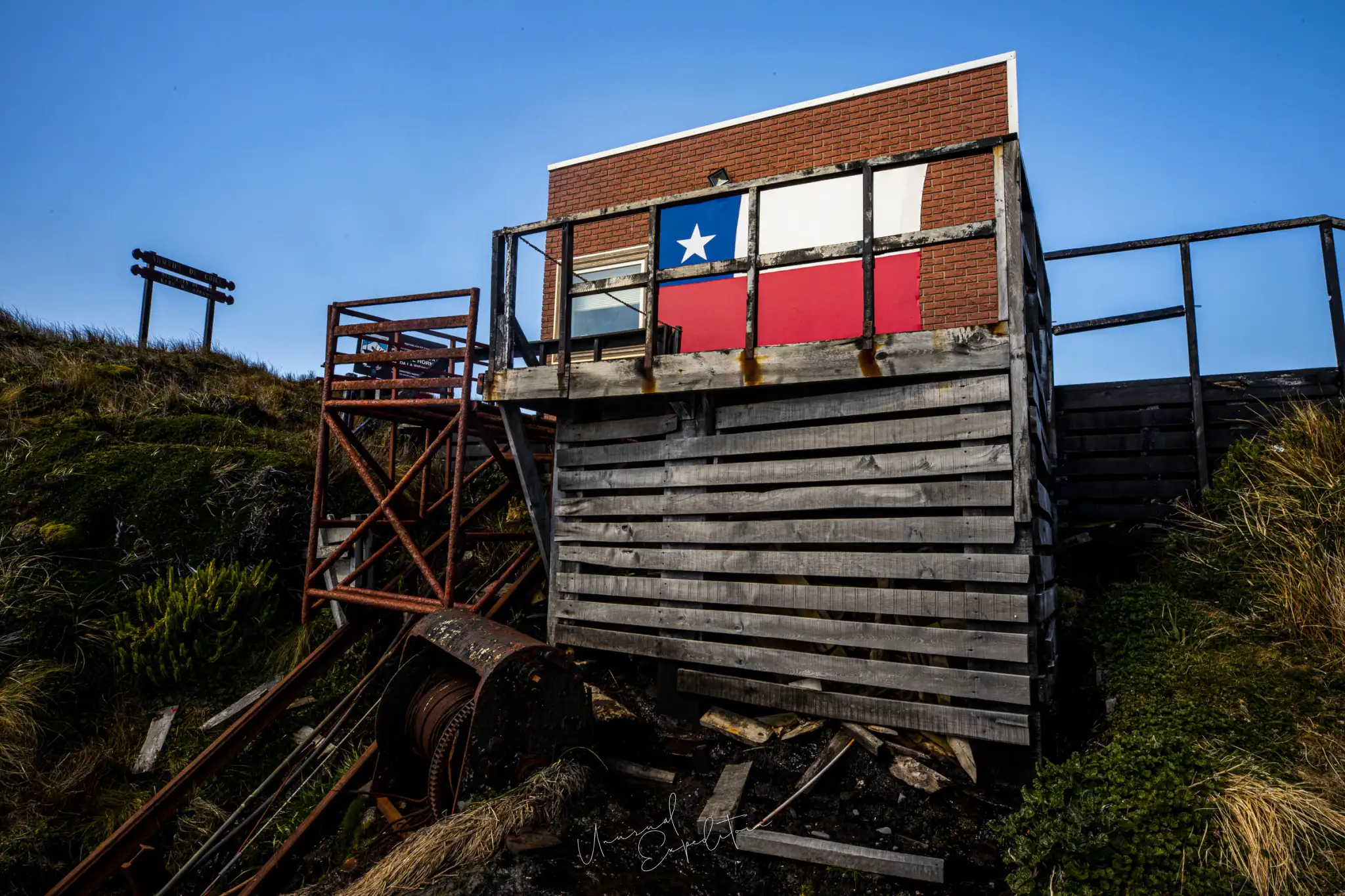
Is Chile worth visiting for a photographer? Yes, especially the far south, and the questions that follow are the ones we hear most: safety, visas, Patagonian weather, whether a Cape Horn landing really happens and which lenses to pack. Chile is one of the easier South American countries to travel in, Singaporeans can visit for up to 30 days without a visa, the south is windy and changeable, and a 16-35mm, a 24-70mm and a telephoto cover almost everything. The Chile photography tour guide puts the regions together.
Is Chile worth visiting for photography?
Chile is worth visiting if you want landscapes that change with the weather and places very few Singapore travellers reach. In one country you get the granite towers and glacier lakes of Torres del Paine, the estancias and steppe of Patagonia, the Strait of Magellan with its summer whales, and the Beagle Channel and Cape Horn at the bottom of the continent. Central Chile adds Valparaiso's painted hills. The catch is distance and wind: the trip from Singapore is long, and the far south can rain on the day you planned for. For us that is part of the appeal, because the best Chilean light comes in the gaps between showers. It is less worth it for anyone who wants guaranteed blue skies or a short trip.

Is Chile safe for tourists?
Chile is generally considered one of the more settled countries in South America to travel in, and Singapore's Ministry of Foreign Affairs does not single it out with a special advisory. The MFA's travel page for Chile gives ordinary city advice: be aware of your surroundings, do not carry large amounts of cash or wear jewellery, use official taxis and engage reputable tour operators and local guides. It also notes that large forest fires can occur in the summer months and that earthquakes and volcanic activity may occur, so follow local instructions. In Patagonia and the far south the real risks are weather and wind rather than crime: a gust on a ridge or a slippery boardwalk at Cape Horn is the thing to watch. The MFA recommends that Singaporeans eRegister the trip before they go.
Do Singaporeans need a visa for Chile?
Not for a short visit. Singapore's MFA says Singaporeans can visit Chile for up to 30 days without a visa. Some travel websites quote a longer period; go by the MFA and the Embassy of Chile in Singapore, and check again before you fly, because entry rules can change at short notice.
What do I have to declare when I arrive in Chile?
Food. Every traveller arriving in Chile completes the SAG sworn declaration for plant and animal products, and Chile's agriculture and livestock service inspects luggage whether you declare or not. Fruit, nuts, seeds, honey, dried meat and the snacks you packed for the flight all count. Declare them and the worst outcome is usually that an item is taken away; do not declare them and you risk a fine. The declaration itself is free, and SAG has warned about websites that charge for it, so use only the official form.
Can you land at Cape Horn?
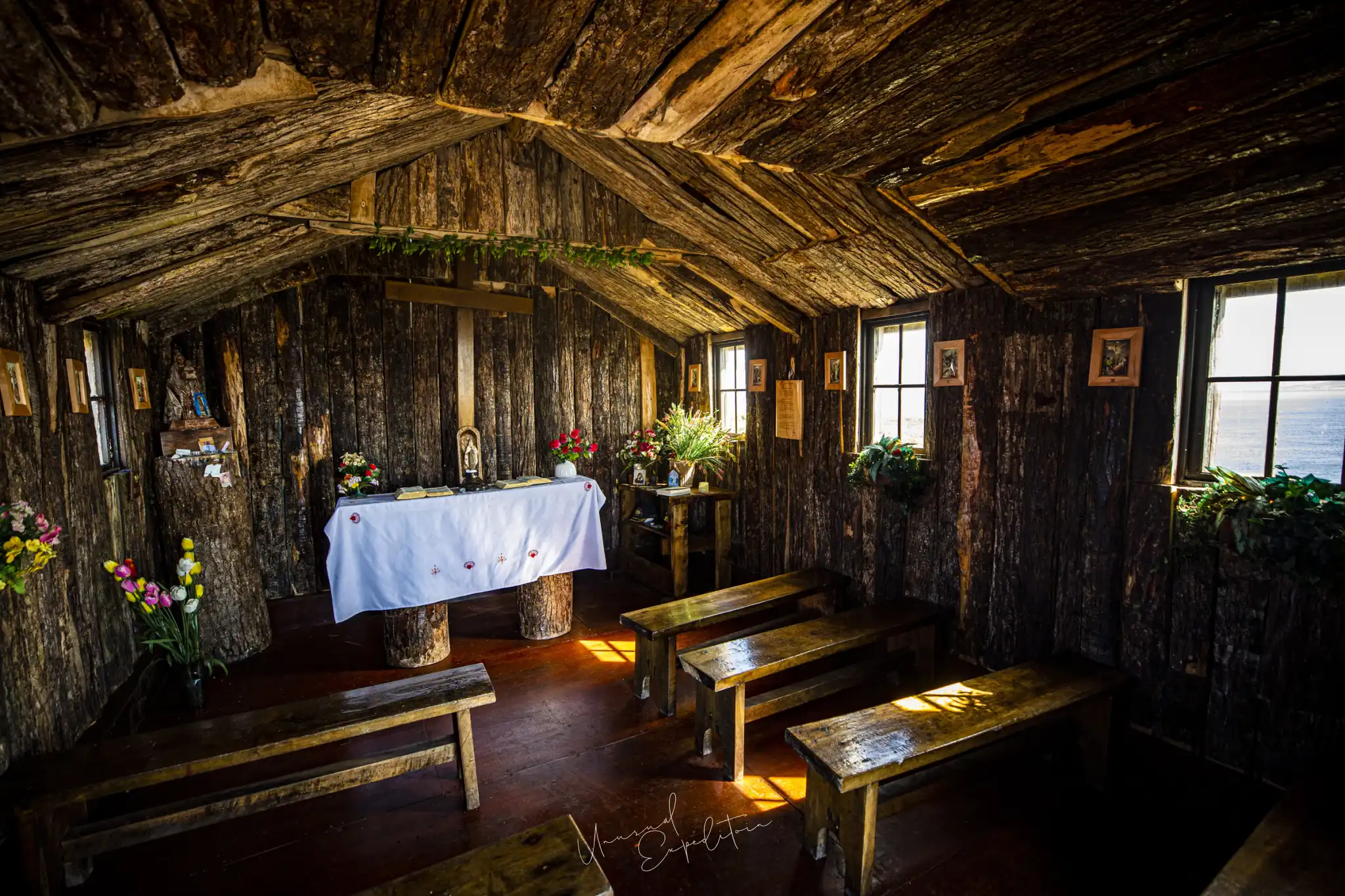
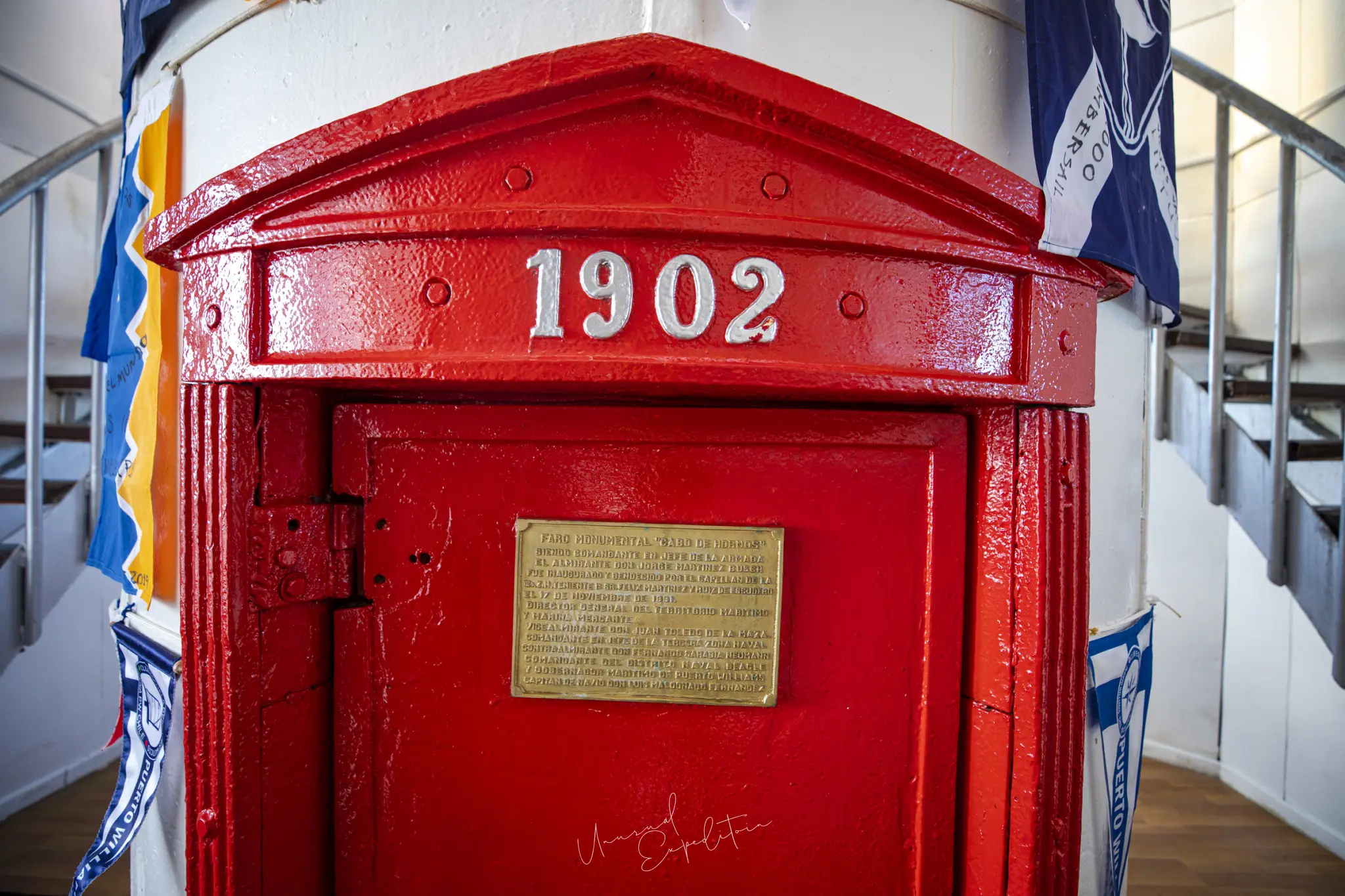
Sometimes. Cape Horn is on Hornos Island, inside Cabo de Hornos National Park, and the only way ashore is by Zodiac from a ship into a small cove, then up a long wooden stair. The landing happens only when the sea and the wind allow it, and expedition ships routinely cancel and sail past instead. When we landed at Cape Horn the cove was calm, and the visit gave us the Chilean Navy lighthouse station, the wooden Stella Maris chapel beside it and the albatross monument on the headland. Inside the chapel the light comes in low through side windows onto wooden benches, which makes it one of the best small interiors in the far south. If a landing matters to you, choose a voyage that plans for one and accept that it is never guaranteed.
What is the weather like in Patagonia and the far south?
Changeable, windy and cool even in summer. In Torres del Paine and around the Beagle Channel you can get sun, rain, hail and a rainbow within an hour, and the strongest winds tend to come in the summer months. That is good news for photographers, because broken weather produces the most dramatic light, but it means layers: a windproof and waterproof shell, a warm mid layer, gloves you can work a camera in and a hat that will not blow away. The month-by-month pattern across the regions is in best time to photograph Chile.
"In Patagonia I tell people to stop waiting for the perfect sky. The perfect sky lasts a few minutes, and you only get it if you are already standing there with the tripod down."
Joseph Mak, tour leader, Unusual Expedition
What lenses should I bring for a Chile photography trip?
A wide zoom such as a 16-35mm does most of the work in the far south: the Cape Horn lighthouse with its foreground of tussock, the boardwalk, the chapel interior, the stair dropping to the cove. A 24-70mm covers towns, harbours and people. A telephoto such as a 100-400mm is for wildlife: guanacos and condors in Patagonia, and the humpback whales you may see from the ship. Bring weather sealing or a rain cover, a lens cloth for spray, and more batteries than you think, because cold wind drains them. A polariser helps with the turquoise lakes of Torres del Paine.
Is Puerto Williams worth visiting?
For a photographer, yes, if you like quiet places at the edge of the map. Puerto Williams on Navarino Island is a small naval town on the Beagle Channel that Chile counts as the southernmost city in the world. It has an old timber pier, sailing yachts that wait here for weather before heading to Cape Horn or Antarctica, and snow-streaked mountains on both sides of the channel. It is not a place of big sights; the value is the light over the water and the sense of being at the end of the road. Aerovias DAP flies there from Punta Arenas.
Do I need to speak Spanish in Chile?
No, though a few words help. Spanish is the language of Chile, and outside hotels, park offices and tour businesses you will meet people who speak little English. Chilean Spanish is fast and full of local slang, so a translation app on your phone is worth having for menus and signs. In Patagonia and on expedition ships, guides usually speak English.
Can I combine Chile with Antarctica?
Yes, and it is the most natural pairing. Antarctica21 air-cruises gather in Punta Arenas and fly from there to King George Island, so a few days in Torres del Paine or around the Strait of Magellan fit before or after the voyage. The Antarctica photography tour guide explains how the air-cruise works, and our Chile trip planning guide covers the flights to get to Punta Arenas in the first place.
Ask us about a Chile trip
There is no scheduled Chile departure right now. We run Chile as a private trip on request, for individuals, families, couples or photographers travelling at their own pace, and we arrange all the logistics around what you want to photograph. With no tour leader travelling, the cost can be lower than our group tours, and a photographer or photography coaching can be added at extra cost. Give us at least two months if you can; last-minute trips can be arranged. Read about private tours and find every destination guide on the Chile photography tours page.
Chile photography tours
The next Chile departure is announced on the Chile photography tours page, with previous expeditions and all the planning guides.
Explore Chile in depth
- Chile Photography Tour: The Complete GuideChile
- Valparaiso Photography: Street Art, Hills and the PortChile
- Planning a Trip to Chile: How to Get There, Visas and Time ZonesChile
- Best Time to Visit Chile for Photography, Month by MonthChile
Upcoming Photo Tours
- Egypt Photo Tour – EgyptEgypt 12 Dec 2026 To 20 Dec 2026
- Inner Mongolia Winter Owl Photo Tour – ChinaChina 01 Jan 2027 To 04 Jan 2027
- Inner Mongolia Winter Photo Tour – ChinaChina 05 Jan 2027 To 11 Jan 2027
- Mekong And Central Highland Vietnam Photo Tour - VietnamVietnam 16 Jan 2027 To 24 Jan 2027