
Planning a Trip to Chile: How to Get There, Visas and Time Zones
Planning a trip to Chile: how to get there, do you need a visa, the SAG declaration, Chile's two time zones and what to pack.
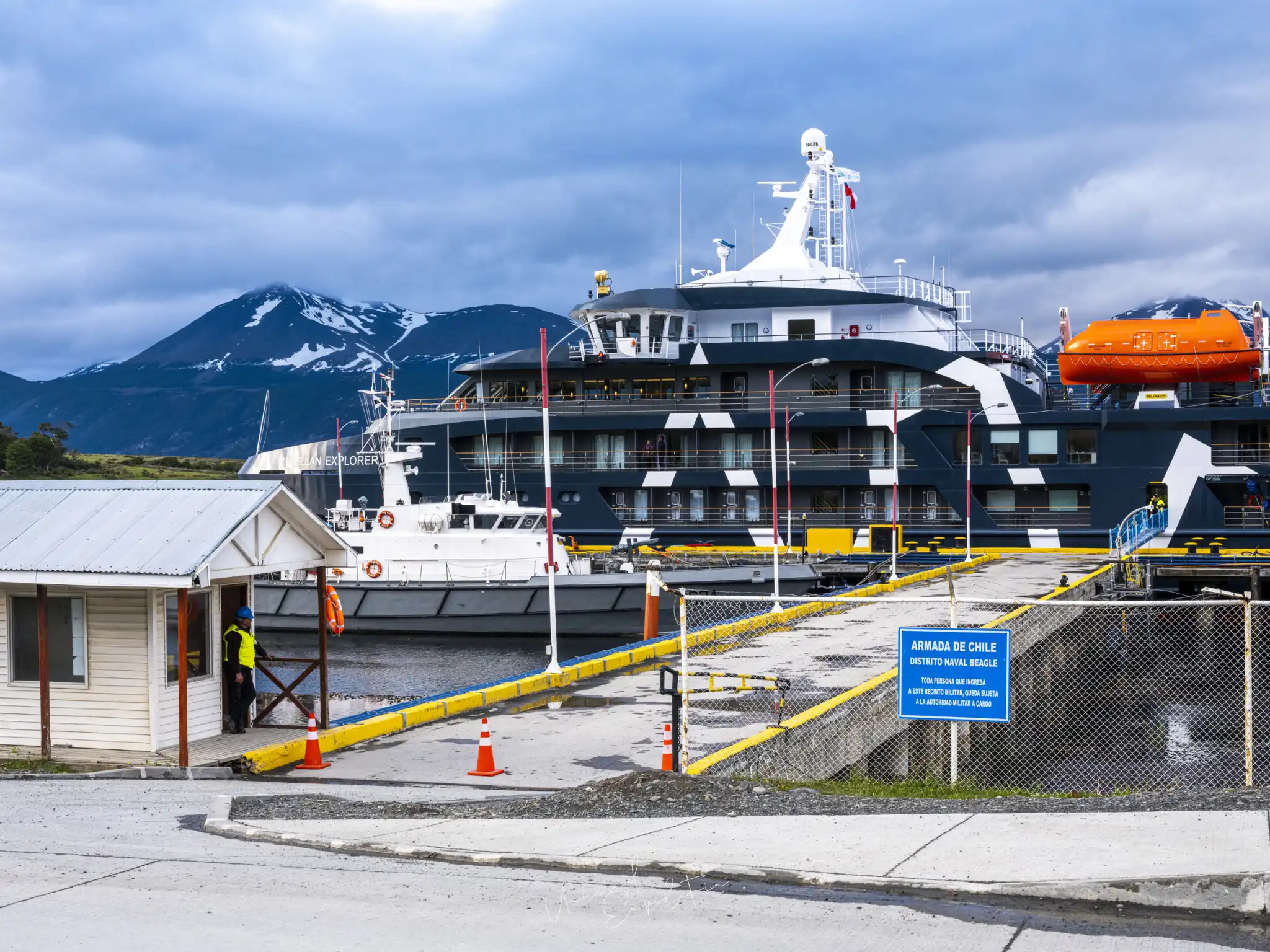
Planning a trip to Chile starts with getting to Santiago, the hub for almost every international arrival, then flying south to Punta Arenas for Patagonia, Puerto Williams and Cape Horn. Most visitors from Europe, North America and Asia connect once on the way in. Many passports need no visa for a tourist stay, but the allowed length depends on your passport, so check your own government's advice. The far south keeps one clock all year. Below is how the trip fits together, with the regions themselves in our Chile photography tour guide.
Planning a trip to Chile: how to get there
Santiago's international airport is the main gateway to Chile, and the place where most long-haul routings end. From Europe and North America there are flights to Santiago through the big transatlantic and North American hubs, and travellers from Asia and the Pacific usually connect across the Pacific through Australia or New Zealand, or the other way round through Europe or the Middle East. Travellers already in South America can arrive from Lima, Buenos Aires, Sao Paulo and other regional hubs. Check schedules on the airlines' own sites, because long-haul routings into Chile change from season to season.
For Patagonia and the far south you then fly domestically to Punta Arenas on the Strait of Magellan, the regional capital and the usual base for Torres del Paine, Puerto Williams and Cape Horn. Puerto Williams on Navarino Island has its own small airport, served from Punta Arenas by Aerovias DAP, the only airline on that route. If you join one of our trips, the meeting point is normally the arrival airport in Chile, so you can fly in from wherever suits you.
Do I need a visa for Chile?
For a tourist trip, many passports do not. The UK Foreign, Commonwealth and Development Office says British citizens can visit Chile for up to 90 days without a visa; on arrival you receive a tourist card, a small white form you keep with your passport and hand back when you leave. Singapore's Ministry of Foreign Affairs, where we are based, says Singaporeans can visit for up to 30 days without a visa. Other passports have their own rules, so check your own government's advice for your passport, and Chile's official travel site or the nearest Chilean embassy, before you book, because rules can change at short notice.
On arrival every traveller completes the SAG sworn declaration for plant and animal products. Chile's agriculture service inspects food in luggage whether you declare it or not, so declare snacks, fruit and anything else edible. The declaration is free. Our Chile photography trip FAQ has the full list of what people get caught out by.
Time zones in Chile
Chile has two clocks that matter to a visitor. The Magallanes region, which includes Punta Arenas, Puerto Williams and Torres del Paine, has stayed on UTC minus 3 all year since 2017. Santiago and the rest of mainland Chile move between UTC minus 4 in the southern winter and UTC minus 3 in the southern summer. So in the summer season, when most photographers visit the south, Santiago and Punta Arenas share the same time; in winter the far south is an hour ahead of the capital. Work out your own difference from UTC, and if it is large, arriving a day early in Santiago or Punta Arenas before any shooting you care about is the simplest fix for the jet lag.
| Place | Time zone | Changes clocks? |
|---|---|---|
| Punta Arenas, Puerto Williams, Torres del Paine | UTC minus 3 all year | No |
| Santiago and Valparaiso, southern summer | UTC minus 3 | Yes |
| Santiago and Valparaiso, southern winter | UTC minus 4 | Yes |
The far south is the easy one to remember: UTC minus 3, every month of the year.
A Chile tour package vs a photography trip
A general Chile tour package is usually built around Santiago, a wine valley, a day in Valparaiso and a quick visit to Torres del Paine, with set departure times and hotel-to-sight transfers. A photography trip is built around light and weather. In the far south that means being at a viewpoint before sunrise, staying when the wind breaks the cloud, and keeping a spare day for the boat or the landing that did not run. It also means choosing where to stay for what you can photograph from the door, not for the lobby. That flexibility matters most for Cape Horn and the Beagle Channel, where the sea decides the programme. The seasons that make this work are set out in best time to photograph Chile.
"The long flight is the part everyone worries about from Singapore. Once you land in the south, nobody remembers it. They remember the morning the wind stopped."
Joseph Mak, tour leader, Unusual Expedition
Where a Chile trip goes once you land
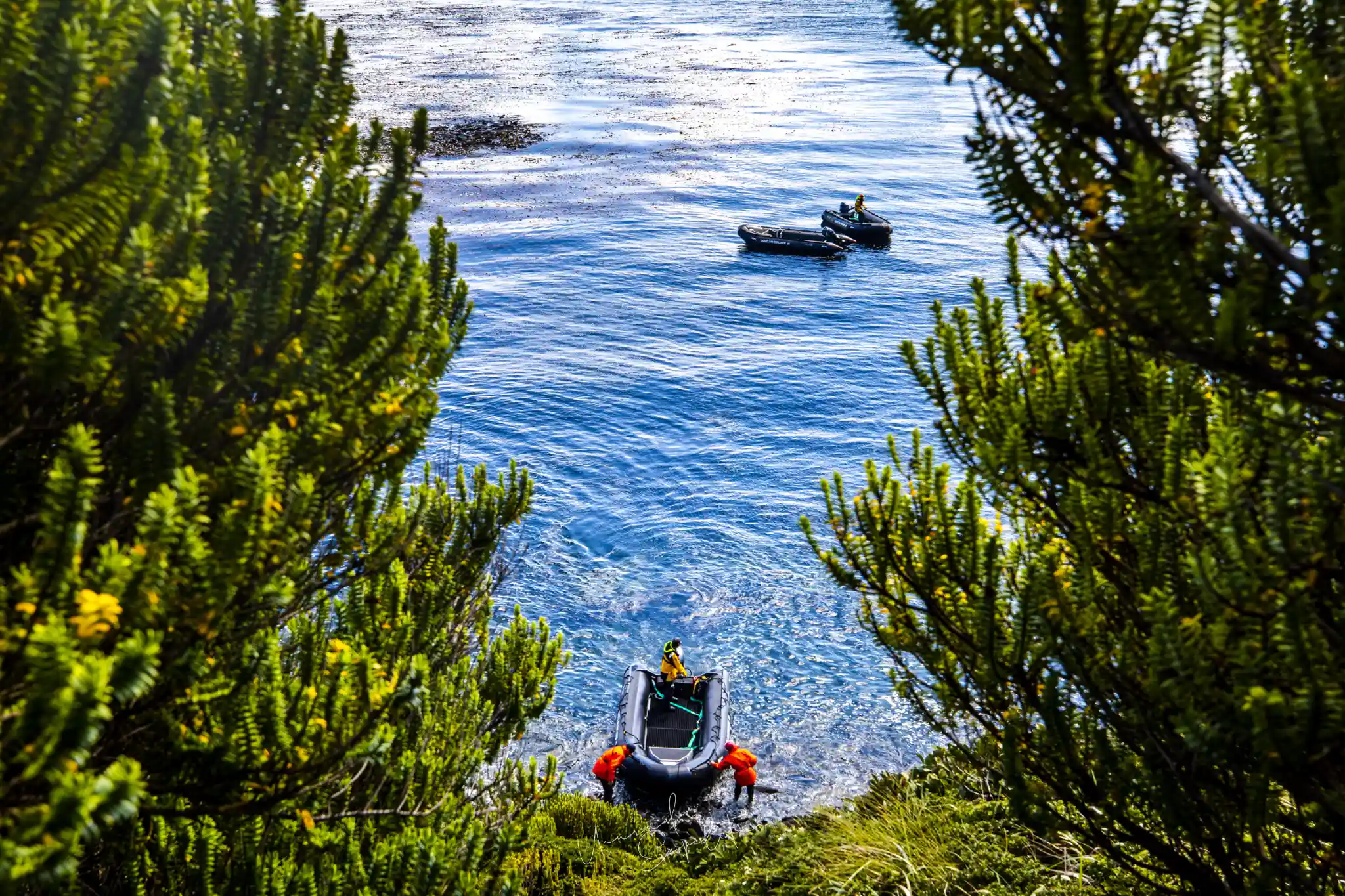
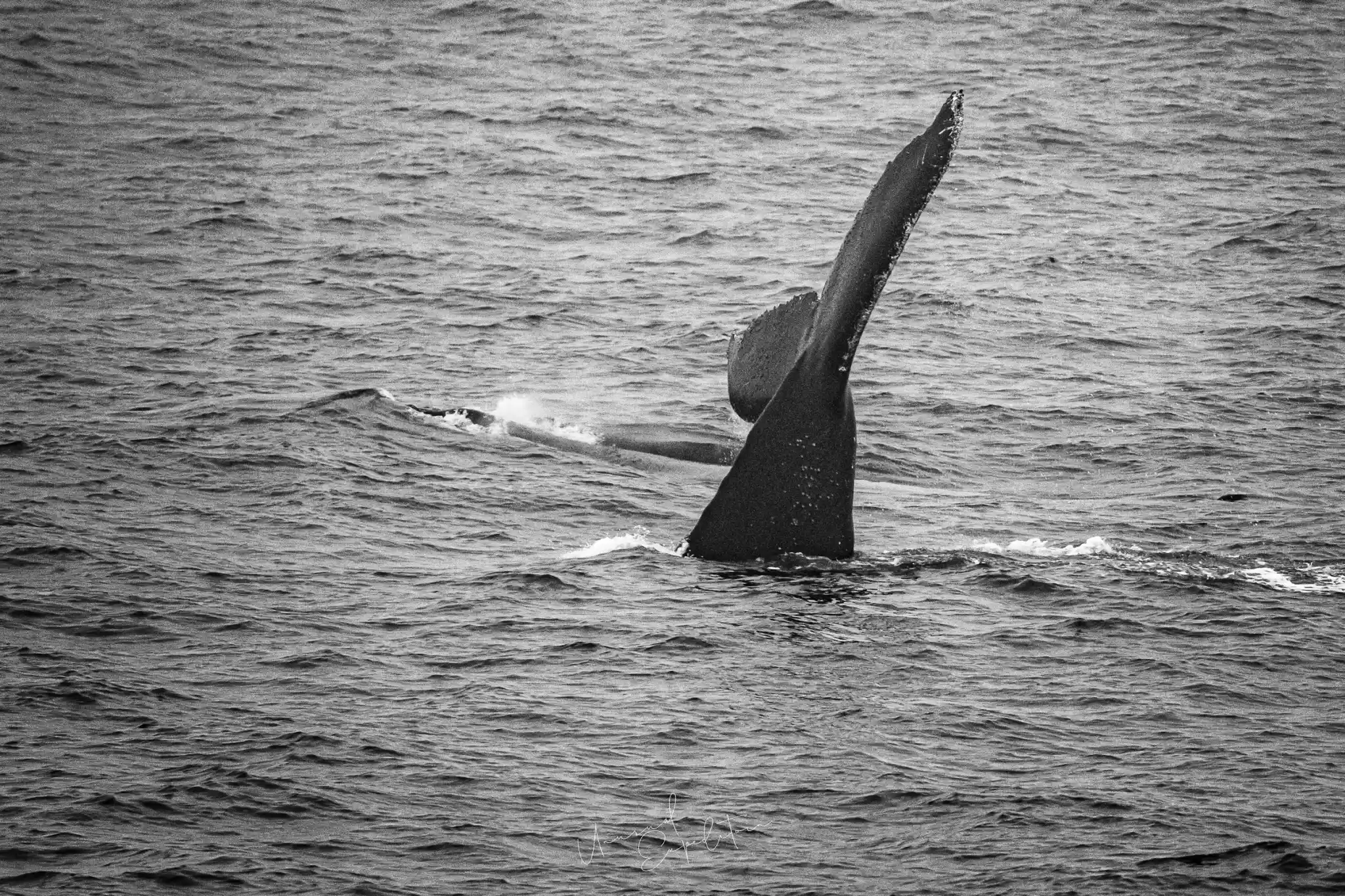
Most of our Chile time is spent in the south. Torres del Paine is the centrepiece for landscape photographers; the Patagonia photography tour guide takes it viewpoint by viewpoint, and how to get to Torres del Paine covers the road in from Punta Arenas and Puerto Natales. Punta Arenas gives the Strait of Magellan and, in summer, humpback whales around Carlos III Island. Puerto Williams and the Beagle Channel are where expedition ships come and go, and a calm day can mean a landing at Cape Horn. On our voyage south from Puerto Williams we photographed humpbacks from the deck. Many travellers also add Antarctica: Antarctica21 air-cruises gather in Punta Arenas, explained in our Antarctica photography tour guide.
What to pack for a Chile photography trip
- A windproof, waterproof shell and warm layers, even for a summer trip: a city or tropical wardrobe is not built for Patagonian wind
- Gloves thin enough to work the camera, and a warm hat that will stay on
- A universal adapter: Chile uses Type C and Type L sockets at 220 volts
- A 16-35mm, a 24-70mm and a telephoto such as a 100-400mm, plus rain covers
- Spare batteries and cards, because cold wind drains batteries and charging on boats is shared
- Some Chilean pesos for small shops and park kiosks; cards work in towns
- No fresh food in your bags, or declare it at the SAG counter
Plan your Chile trip with us
We do not have a scheduled Chile departure at the moment. We run Chile as a private trip on request, for individuals, families, couples and photographers who want to go at their own pace, joining from any country, and we arrange the logistics to suit you; the cost can be lower than our group tours because no tour leader travels, and a photographer or photography coaching can be added at extra cost. Ask at least two months ahead if you can, although last-minute trips can be arranged. Start with private tours, or browse the Chile photography tours page for every guide and any departure we announce.
Chile photography tours
The next Chile departure is announced on the Chile photography tours page, with previous expeditions and all the planning guides.
Explore Chile in depth
- Chile Photography Tour: The Complete GuideChile
- Valparaiso Photography: Street Art, Hills and the PortChile
- Chile Photography Trip FAQ: Safety, Visas, Weather and Cape HornChile
- Best Time to Visit Chile for Photography, Month by MonthChile
Upcoming Photo Tours
- Egypt Photo Tour – EgyptEgypt 12 Dec 2026 To 20 Dec 2026
- Inner Mongolia Winter Owl Photo Tour – ChinaChina 01 Jan 2027 To 04 Jan 2027
- Inner Mongolia Winter Photo Tour – ChinaChina 05 Jan 2027 To 11 Jan 2027
- Mekong And Central Highland Vietnam Photo Tour - VietnamVietnam 16 Jan 2027 To 24 Jan 2027