
How to Plan a Photography Trip to Egypt: Visa, Flights, Money and Safety
Egypt travel plan for photographers: dividing the trip by region, visa on arrival, flights from major hubs, money and safety.
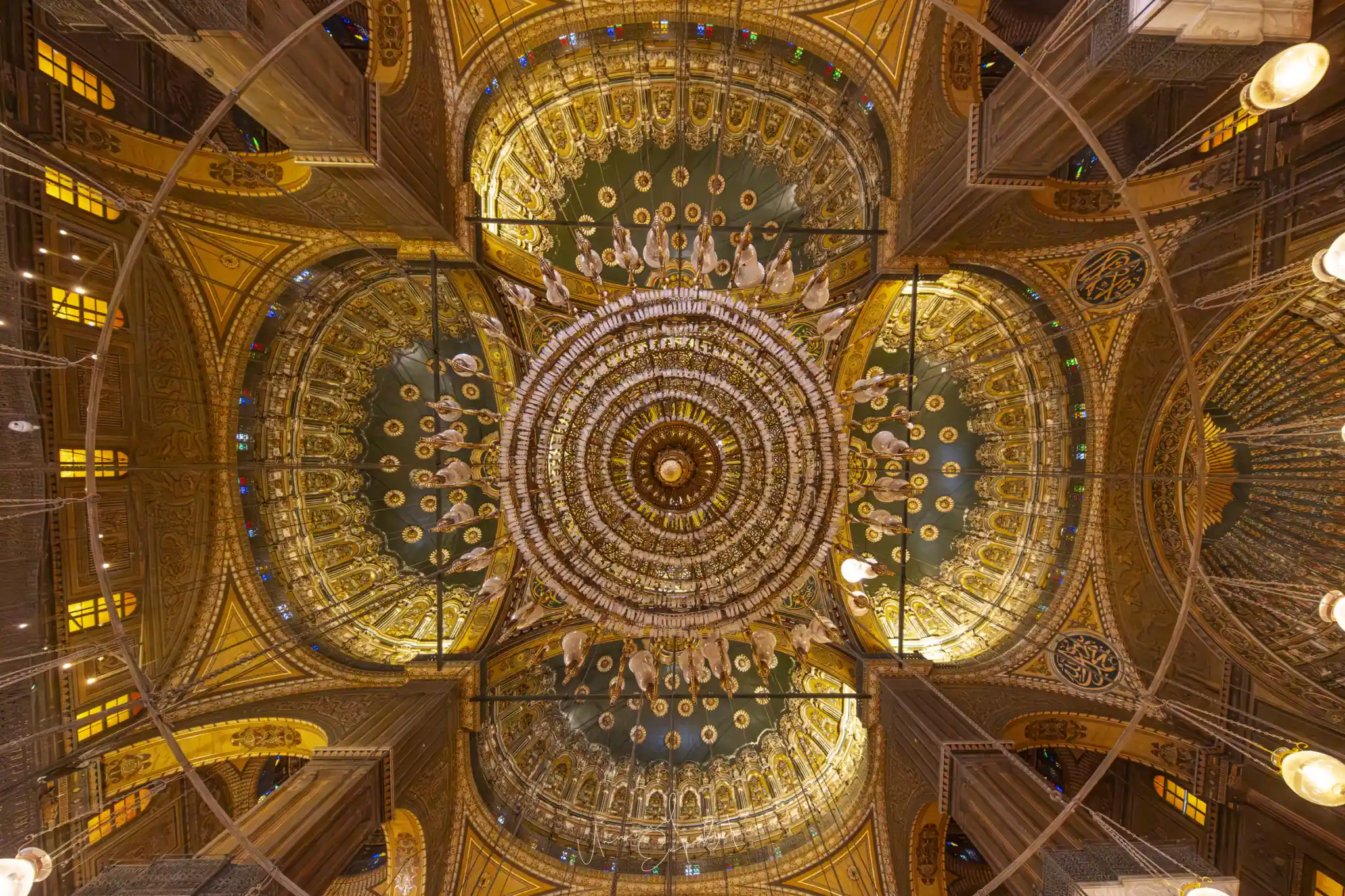
An Egypt travel plan for photographers starts with three regions, not a list of sites: Cairo and Giza in the north, Luxor in the middle of the Nile Valley, and Aswan with Abu Simbel in the far south. Decide how long you want in each, book the visa and flights around the cool season, carry US dollars or euros for cash, and check the current government travel advice. Then build each day around the first and last light at the great monuments.
Our Egypt photography guide describes the regions and their subjects. This page is the practical layer under it, written for photographers travelling from anywhere in the world.
Egypt travel plan: how to divide the trip
Most of Egypt's great photographs lie along a single line, the Nile, so planning is mainly a matter of balance. Cairo and Giza need more time than people give them: the pyramids reward a late afternoon and a dusk visit, Islamic Cairo is best at first light, and the Grand Egyptian Museum deserves its own visit. Luxor has the densest group of temples and tombs in the country, plus the balloon flights over the West Bank. Aswan is slower, built around the river, the feluccas and the Nubian villages, with Philae and Abu Simbel as the two set pieces. Our best time to photograph Egypt guide explains why the cool months make every region easier. A photographer who tries to see everything in a rush ends up with midday frames of crowded sites; fewer places at the right hour is the better plan.
| Region | Why go | Gateway | Plan around |
|---|---|---|---|
| Cairo and Giza | Pyramids, Sphinx, Islamic Cairo, museums | Cairo International Airport or Sphinx International Airport | Late afternoon and dusk at Giza, early mornings in the old city |
| Luxor | Karnak, Luxor Temple, West Bank, balloons | Luxor airport, Nile cruises, train | Dawn balloon, opening hour at the temples |
| Aswan and Abu Simbel | Nile, feluccas, Philae, Nubian villages, Ramesses II | Aswan airport, Nile cruises | Late afternoon on the river, sunrise at Abu Simbel |
Internal flights link Cairo with Luxor and Aswan, and Nile cruises connect the two southern cities.
Egypt visa on arrival, e-visa and passports
Most nationalities need a visa for Egypt. The UK Foreign, Commonwealth and Development Office describes the three routes for British travellers: an e-visa bought online in advance, a visa through an Egyptian consulate, or a visa on arrival bought at kiosks before immigration at approved airports, valid for up to 30 days. It also says your passport must be valid for at least six months after arrival and have a blank page. Singapore's Ministry of Foreign Affairs says Singapore passport holders can get a single-entry 30-day tourist visa on arrival at Egyptian airports. Rules differ by nationality and change at short notice, so check Egypt's official e-visa portal, visa2egypt.gov.eg, or your nearest Egyptian embassy before you travel, and ignore agents who approach you in the arrivals hall.
Flights to Egypt from the major hubs
Cairo International Airport is the main gateway and the hub of EgyptAir, a Star Alliance member, so you can reach it on one ticket from much of Europe, Asia, Africa and the Americas. Gulf carriers connect Cairo through Dubai, Doha and Abu Dhabi, Turkish Airlines through Istanbul, and European airlines through their own hubs. Sphinx International Airport, west of Cairo and closer to the pyramids and the Grand Egyptian Museum, now takes a growing number of international flights, mostly from the Middle East and Europe. Luxor and Aswan have their own airports with domestic connections to Cairo. From our base in Singapore there is no nonstop service at present, so travellers connect through the Gulf or Istanbul. Airline schedules change by season, so check routes with the carriers before you book.
Money: Egyptian pounds, cash and cards
The currency is the Egyptian pound. Singapore's MFA advises carrying US dollars or euros to exchange, using bank ATMs with a card authorised for overseas withdrawals, and expecting credit cards in larger shops and restaurants, sometimes with a fee. The FCDO notes that you can bring up to 5,000 Egyptian pounds in or out of the country and must declare foreign currency worth more than US$10,000 on arrival. Keep small notes for tips, which are part of daily life: cameleers, boatmen, site guardians and drivers all expect them, and agreeing an amount before you photograph or ride saves arguments later. Some sites now sell tickets online and take cards at the gate, but carry some cash for everything else.
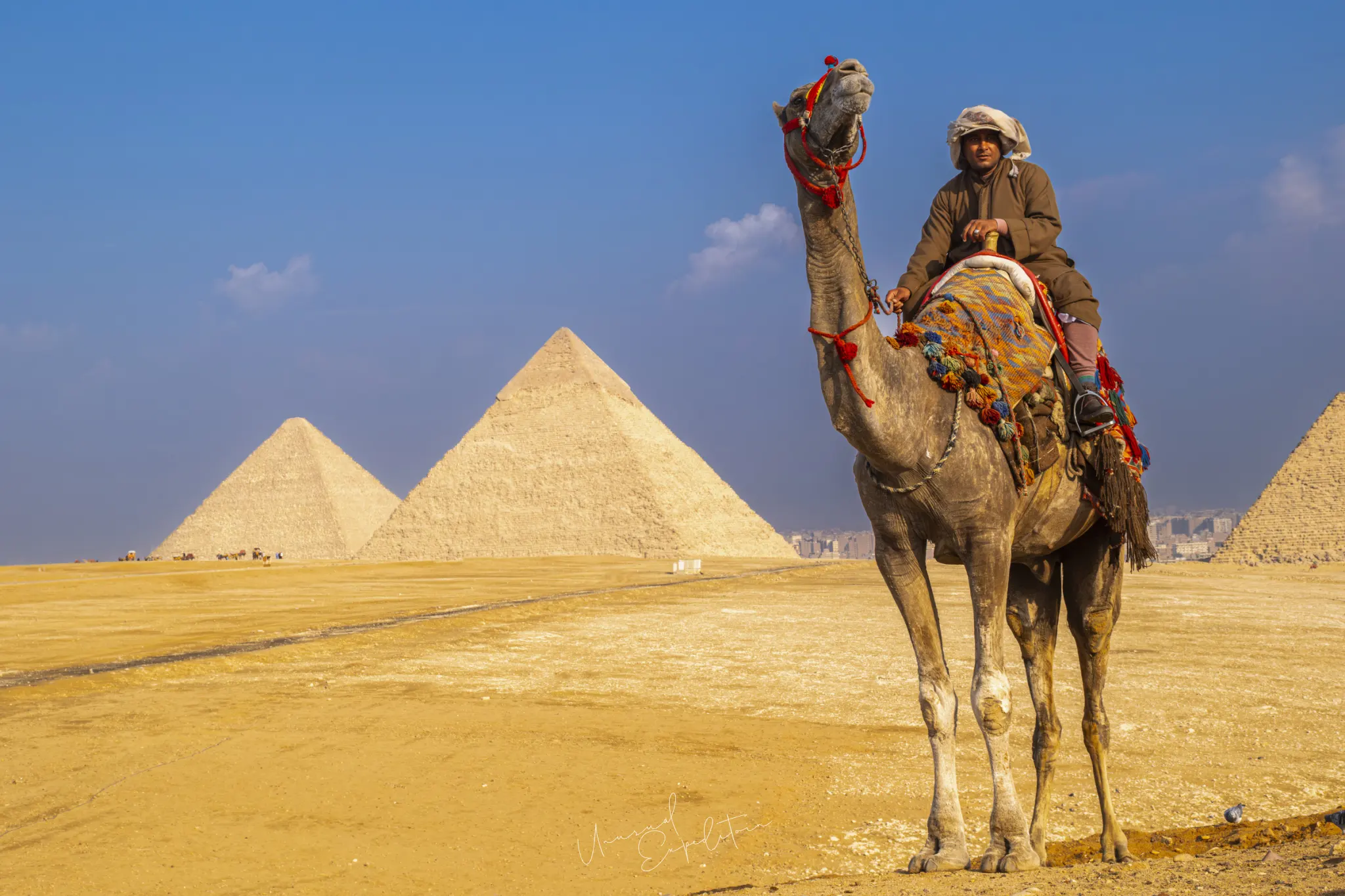
"Egypt rewards slow photographers. Give Giza an afternoon and a dusk, give Karnak an opening hour, give Aswan an evening on the water, and you come home with the pictures. Try to tick off every temple and you come home with a list."
Joseph Mak, tour leader, Unusual Expedition
Is Egypt safe to visit?
Is Egypt safe to visit for a photography trip? For the Nile Valley and Cairo, the official advice is calm. The FCDO says that most visits are trouble-free and that extra security measures are in place at tourist sites, while warning of a terrorism threat and asking travellers to stay alert in crowds. It advises against all travel to North Sinai and within 20km of the Libyan border, and against all but essential travel to several other border and desert areas. Singapore's MFA says that "the security situation in Egypt remains stable" while attacks on Egyptian security forces may occur sporadically in parts of the country; it asks Singaporeans to reconsider non-essential travel to North Sinai, northern South Sinai and eastern Ismailiyah, and to avoid the Libyan and Sudanese border areas. Both mention petty theft, scams and harassment of women in crowded places. Read both pages again shortly before you travel.
Photography rules to plan for
Three rules shape the kit list. Drones need prior permission from the Ministry of Defence, according to the FCDO, so leave them at home. Professional lighting and reflectors need a permit. People should give permission before you photograph them, and children should not be photographed at all. Inside the temples, plan for handheld work and fast lenses; tripods are often refused. Mosques ask for modest dress and quiet behaviour, and photography stops during prayer. The Egypt photography trip FAQ answers each of these in more detail, and the Cairo and Giza guide shows how they play out at the pyramids.
Plan it with us
Our Egypt Photo Tour takes care of the plan for you: Cairo and Giza, Aswan with Abu Simbel, and Luxor, with the timing at each site set by the light. Fares are indicatively S$8,800 to S$10,500 per person depending on the room; the current rate and departure are on the Egypt photography tours page. We are based in Singapore and licensed there, and photographers join us from many countries. We also arrange Egypt as a private trip for individuals, couples, families or photographers who want their own pace, with every arrangement made around them.
Join the Egypt photography tour
Egypt Photo Tour – Egypt departs 12 Dec 2026 To 20 Dec 2026, led by Joseph Mak. Small group, photography first. All Egypt photography tours.
Explore Egypt in depth
- Egypt Photography Tour Guide: Pyramids, Temples and the NileEgypt
- Egypt Travel Advice for Photographers: Cameras, Drones and PeopleEgypt
- Best Time to Visit Egypt for Photography, Month by MonthEgypt
Upcoming Photo Tours
- Egypt Photo Tour – EgyptEgypt 12 Dec 2026 To 20 Dec 2026
- Inner Mongolia Winter Owl Photo Tour – ChinaChina 01 Jan 2027 To 04 Jan 2027
- Inner Mongolia Winter Photo Tour – ChinaChina 05 Jan 2027 To 11 Jan 2027
- Mekong And Central Highland Vietnam Photo Tour - VietnamVietnam 16 Jan 2027 To 24 Jan 2027