
Egypt Photography Tour Guide: Pyramids, Temples and the Nile
Egypt photography tours: Giza and Cairo, Luxor, Aswan and Abu Simbel, with the best light, seasons, entry and photo rules.
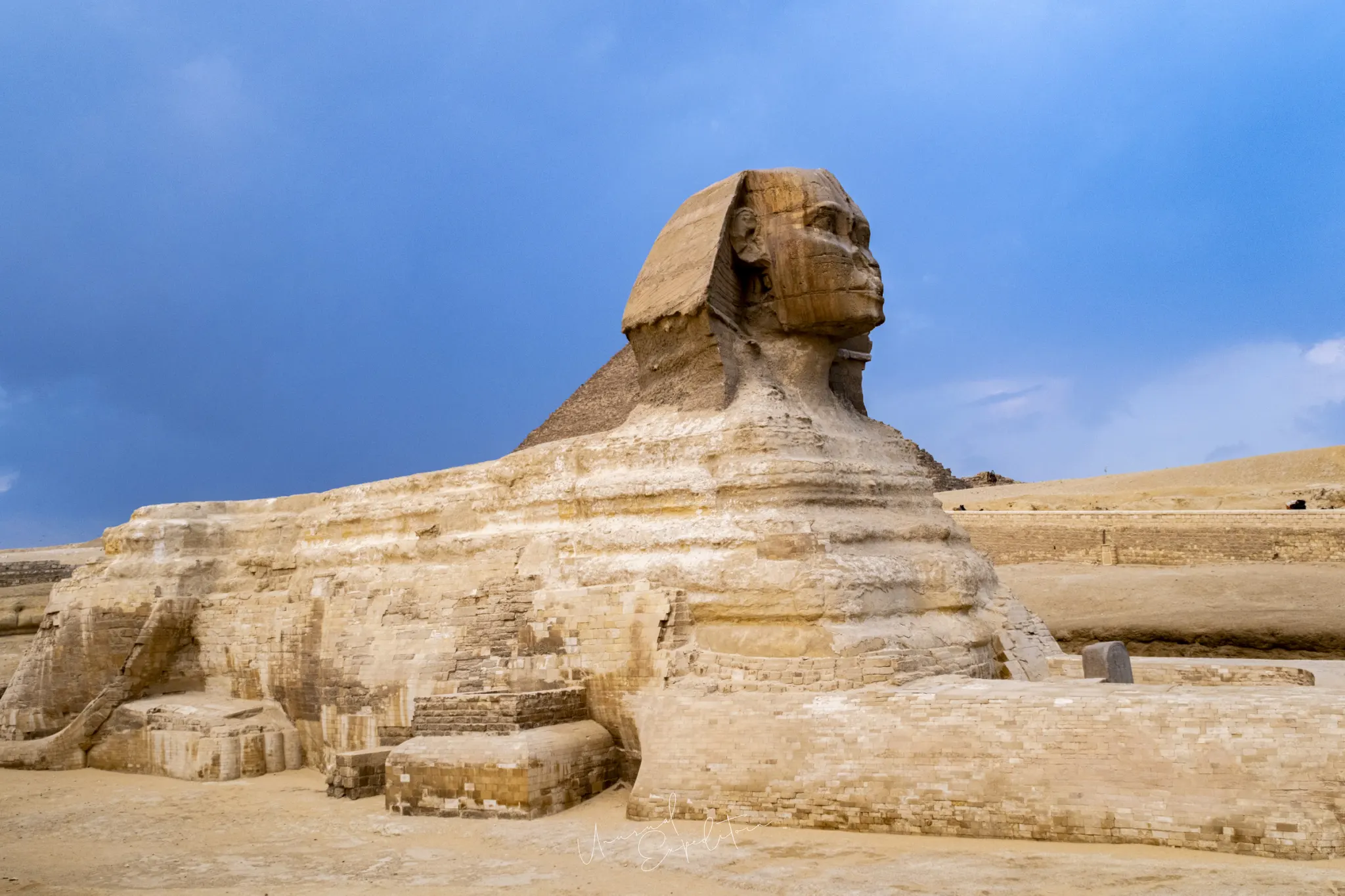
Egypt photography tours work because the country stacks its great subjects along one river: the pyramids and the Sphinx at Giza, the old Islamic city of Cairo, the temples of Luxor, the feluccas of Aswan and the colossal statues of Abu Simbel. Most of it sits within a short distance of the Nile, the light is clear for much of the year, and the stone glows at both ends of the day. This is our country guide, with the regions, the seasons and the practical side in one place.
The photographs here are our own, taken on our trips to Egypt; we hold the rights to them, and the notes come from knowing these places first hand. Each region has its own destination guide: start with the Cairo and Giza photography guide, then follow the Nile south through Luxor, Aswan and Abu Simbel.
Egypt photography: what the country offers a photographer
Egypt photography is mostly about monuments, light and people, in that order of fame and often the reverse order of reward. The monuments are the obvious draw. The Giza pyramids, Karnak and Abu Simbel are among the most photographed structures on earth, and they still surprise you in person because of their scale. The light is the second reason. Egypt is a desert country, and for most of the year the sky is clear, so the low sun at dawn and late afternoon turns sandstone and limestone gold within minutes. The people are the third reason and the hardest to do well: cameleers at Giza, coffeehouse regulars in old Cairo, boatmen on the Nile at Aswan. Egyptians are generally warm towards visitors, but the law here asks for permission before you photograph someone, which we come back to below. Egypt landscape photography is narrower than people expect, because almost every view has a human story in it, ancient or current.
Cairo and Giza: pyramids, the Sphinx and the Islamic city
Cairo and Giza are where every Egypt trip starts. The Giza plateau holds the three great pyramids, the smaller queens' pyramids and the Great Sphinx; UNESCO lists them within the World Heritage site of Memphis and its Necropolis, the Pyramid Fields from Giza to Dahshur, which also covers the Step Pyramid of Djoser at Saqqara. Across the river, Historic Cairo is a separate World Heritage site: Al Muizz Street, its Mamluk mosques and madrasas, the bazaars around Khan el Khalili and the Citadel with the Mosque of Muhammad Ali on top. The Grand Egyptian Museum, which opened in full in November 2025, now holds the Tutankhamun collection beside the plateau. Our Cairo and Giza guide takes these one by one, from the pyramid viewpoints to the Islamic Cairo streets at first light.
Luxor: Karnak, the West Bank and balloons at dawn
Luxor, ancient Thebes, has more standing temples than anywhere else in Egypt. Karnak's hypostyle hall is the great subject: a forest of carved columns where the sun cuts in low shafts across the reliefs, best in the first and last hours of opening. Luxor Temple sits in the middle of town and is lit after dark. On the West Bank are the Valley of the Kings, the terraced temple of Hatshepsut under its cliff and the reliefs of Medinet Habu, which keep some of their original colour. At dawn, dozens of hot air balloons rise over the West Bank fields, one of the few times in Egypt you photograph from above. The Luxor photography guide covers the temples, the tombs and the balloon flights in detail.
Aswan and Abu Simbel: feluccas, Nubia and Ramesses II
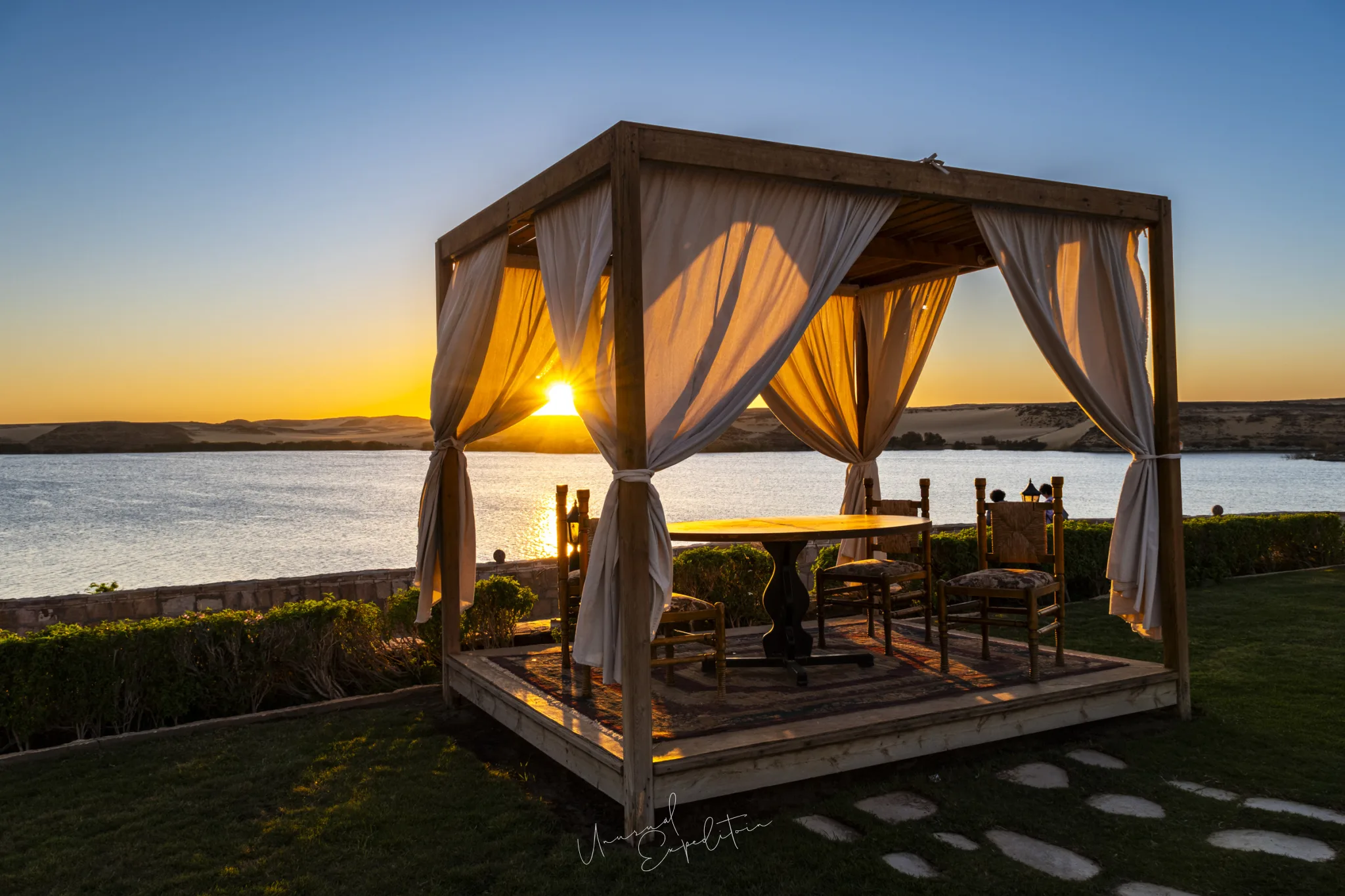
Aswan is the gentlest place on the river. The Nile narrows between granite islands and desert dunes, white-sailed feluccas tack between Elephantine Island and the west bank, and the Nubian villages on the far shore are painted in blues, yellows and geometric patterns. The temple of Isis at Philae, moved stone by stone to its island in the twentieth century, is reached by boat. Further south, near the Sudanese border, Abu Simbel's two rock temples of Ramesses II and Nefertari face the sunrise over Lake Nasser; they too were moved, cut into blocks and rebuilt above the rising water of the High Dam in the 1960s under a UNESCO campaign. The Aswan and Abu Simbel guide has the light and the viewpoints for both.
Egypt photos at a glance: region, subject and light
| Region | Main subjects | Best light | Lens |
|---|---|---|---|
| Giza plateau | Pyramids, Sphinx, cameleers | Late afternoon into dusk | 16-35mm, 70-200mm |
| Islamic Cairo | Mamluk streets, mosques, coffeehouses | Early morning, soft shade | 24-70mm |
| Luxor | Karnak, Luxor Temple, West Bank, balloons | Opening hour and last hour | 16-35mm, 24-70mm |
| Aswan | Feluccas, islands, Nubian villages, Philae | Late afternoon on the river | 24-70mm, 70-200mm |
| Abu Simbel | Ramesses II temples, Lake Nasser | Sunrise on the facade, night lighting | 16-35mm |
A wide zoom and a short telephoto cover nearly everything; the telephoto earns its place at Giza, where distance compresses the pyramids into one frame.
"People come for the pyramids and leave talking about the light on the stone. In the last half hour at Karnak or Abu Simbel the walls go from beige to orange to rose, and you understand why the builders faced everything towards the sun."
Joseph Mak, tour leader, Unusual Expedition
When to go, and how the seasons change the pictures
Britannica describes Egypt's climate as two seasons: a cool, mild winter from November to March and a hot summer from May to September, with short transitions between them. For photographers the winter months are the comfortable choice. Cairo is mild, Luxor and Aswan are warm by day, and the sun stays low enough that shadows have shape for longer. Summer is a different trip: Britannica gives mean midday highs in June of about 33°C in Cairo and 41°C in Aswan, so you shoot at dawn and dusk and rest in between. In spring the khamsin wind can bring dust and haze. Our best time to photograph Egypt guide has a month by month table across the regions.
Entry, money, safety and photography rules
Most visitors need a visa for Egypt, bought online before travel or on arrival at the main airports, depending on nationality. Singapore's Ministry of Foreign Affairs says Singapore passport holders can get a single-entry 30-day tourist visa on arrival at Egyptian airports. The currency is the Egyptian pound; bring US dollars or euros to change, and expect cards to work mainly in hotels and larger shops. Both Singapore's MFA and the UK Foreign, Commonwealth and Development Office advise against travel to North Sinai and parts of the Libyan and Sudanese border areas, while the Nile Valley sites in this guide sit outside those zones. The FCDO also notes that drones need prior permission from the Ministry of Defence and that you should ask an Egyptian's permission before taking their photograph. The guide to planning a photography trip to Egypt and the Egypt photography trip FAQ go through the detail.
Explore Egypt by region
- Cairo and Giza: pyramids, the Sphinx and the Islamic city
- Luxor: Karnak, the West Bank and the Valley of the Kings
- Aswan and Abu Simbel: feluccas, Nubia and the temples of Ramesses II
Explore Egypt in depth
- Best time to visit Egypt for photography, month by month
- Egypt travel advice for photographers: cameras, drones and people
- How to plan a photography trip to Egypt
Join our Egypt photography tours
Our scheduled Egypt Photo Tour follows the river from Cairo and Giza to Aswan, Abu Simbel and Luxor, with the time at each place set by the light, not by a coach timetable. Fares are indicatively S$8,800 to S$10,500 per person depending on the room; the current departure and rate are on the Egypt photography tours page. Photographers from any country are welcome to join. If the dates do not suit, we also run Egypt as a private trip on request.
Join the Egypt photography tour
Egypt Photo Tour – Egypt departs 12 Dec 2026 To 20 Dec 2026, led by Joseph Mak. Small group, photography first. All Egypt photography tours.
Explore Egypt in depth
- How to Plan a Photography Trip to Egypt: Visa, Flights, Money and SafetyEgypt
- Egypt Travel Advice for Photographers: Cameras, Drones and PeopleEgypt
- Best Time to Visit Egypt for Photography, Month by MonthEgypt
Upcoming Photo Tours
- Egypt Photo Tour – EgyptEgypt 12 Dec 2026 To 20 Dec 2026
- Inner Mongolia Winter Owl Photo Tour – ChinaChina 01 Jan 2027 To 04 Jan 2027
- Inner Mongolia Winter Photo Tour – ChinaChina 05 Jan 2027 To 11 Jan 2027
- Mekong And Central Highland Vietnam Photo Tour - VietnamVietnam 16 Jan 2027 To 24 Jan 2027