
Istanbul Photography Tour Guide: Mosques, Bridges and Old Streets
Istanbul photography: Hagia Sophia, the Galata Bridge skyline, Balat, street life, the best light and travel from Singapore.
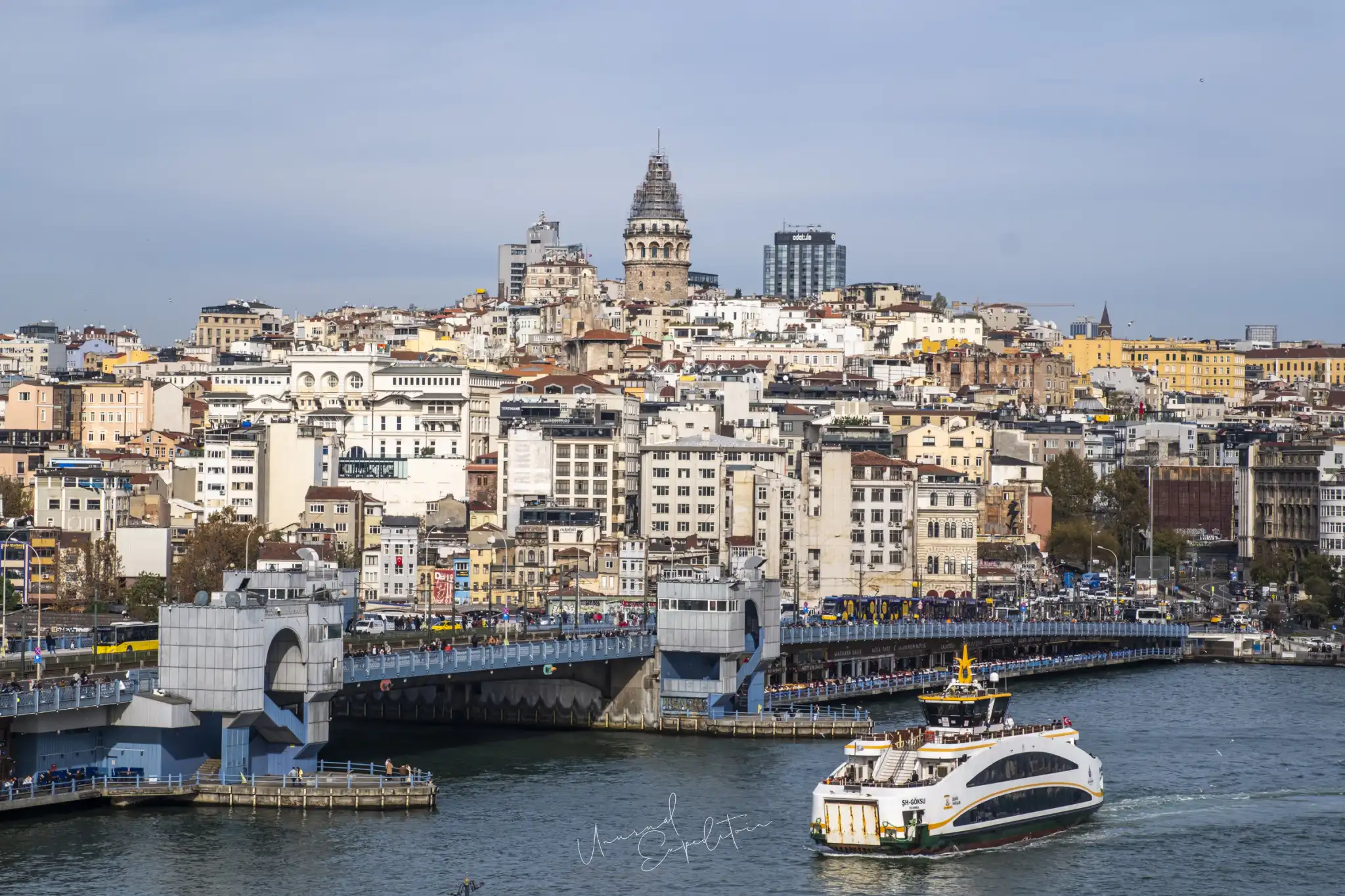
Istanbul photography is about domes, water and people in one frame: the mosques of the old city on their hills, the Golden Horn and the Bosphorus between them, and crowded streets that never empty. For a photographer it is one of the richest cities in Europe or Asia, and it straddles both. This is our Istanbul photography tour guide, the hub for every Istanbul article on the site, with the places, the light, the rules inside the mosques and the practical side of getting there from Singapore.
The photographs in this guide are our own, taken on our trips to Istanbul in late autumn and in winter; we hold the rights to them, and the notes come from knowing these places first hand. Each subject has its own destination guide, listed near the end.
Istanbul photography: what the city offers
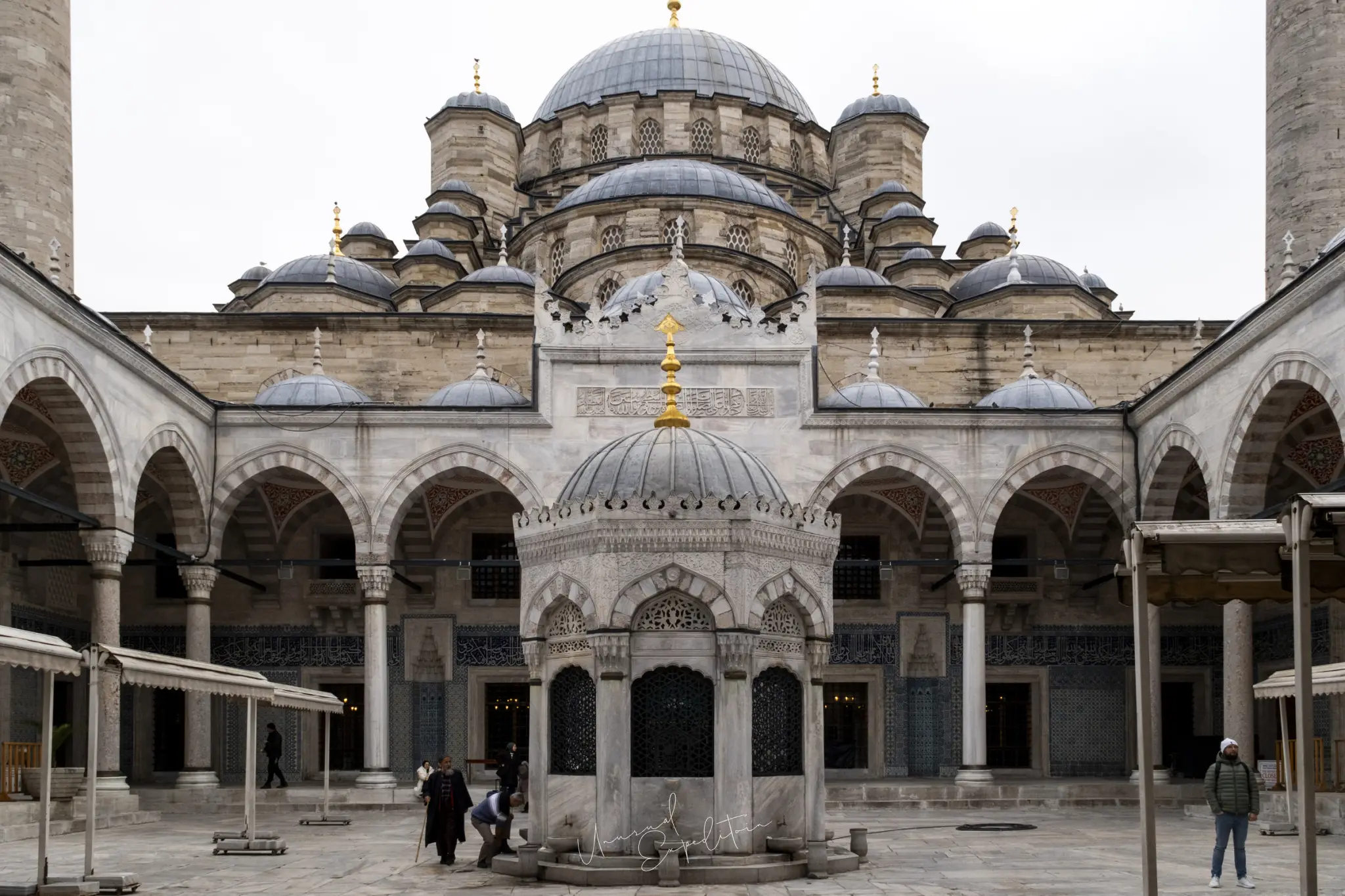
Istanbul photography starts with the skyline of the historic peninsula. From the water or from the Galata side you see the Süleymaniye Mosque on its hill, the New Mosque at the end of Galata Bridge and, further along, the domes of Hagia Sophia and the Blue Mosque. UNESCO lists these districts together as the Historic Areas of Istanbul. Below the skyline is a working port city: ferries crossing every few minutes, fishermen along the bridge rail, street vendors with simit and roasted chestnuts, and market lanes packed shoulder to shoulder. Across the Golden Horn rise Galata Tower and the hill of Beyoğlu, with Istiklal Avenue and its red tram. Up the Golden Horn are Fener and Balat, the painted neighbourhoods. Very few cities give you architecture, street life and water light within walking distance of each other, and that is why we keep coming back.
The main Istanbul subjects at a glance
| Subject | Where | Best light | Lens |
|---|---|---|---|
| Mosque skyline | Galata Bridge, Karaköy rooftops, ferries | Sunset into blue hour | 70-200mm |
| Hagia Sophia and Blue Mosque | Sultanahmet | Soft daylight inside, blue hour outside | 16-35mm or wider |
| Galata Bridge and the Golden Horn | Eminönü and Karaköy | Late afternoon and dusk | 24-70mm |
| Street life and markets | Eminönü, Mahmutpaşa, Istiklal Avenue | Overcast days are fine | 24-70mm, 56mm prime |
| Painted houses | Balat and Fener | Morning, bright overcast | 24-70mm |
| Portraits and workshops | Old commercial streets of the peninsula | Window and doorway light | 24-70mm |
Almost all of this fits in a few square kilometres, so the deciding factor is the light, not the distance.
Hagia Sophia, the Blue Mosque and Sultanahmet
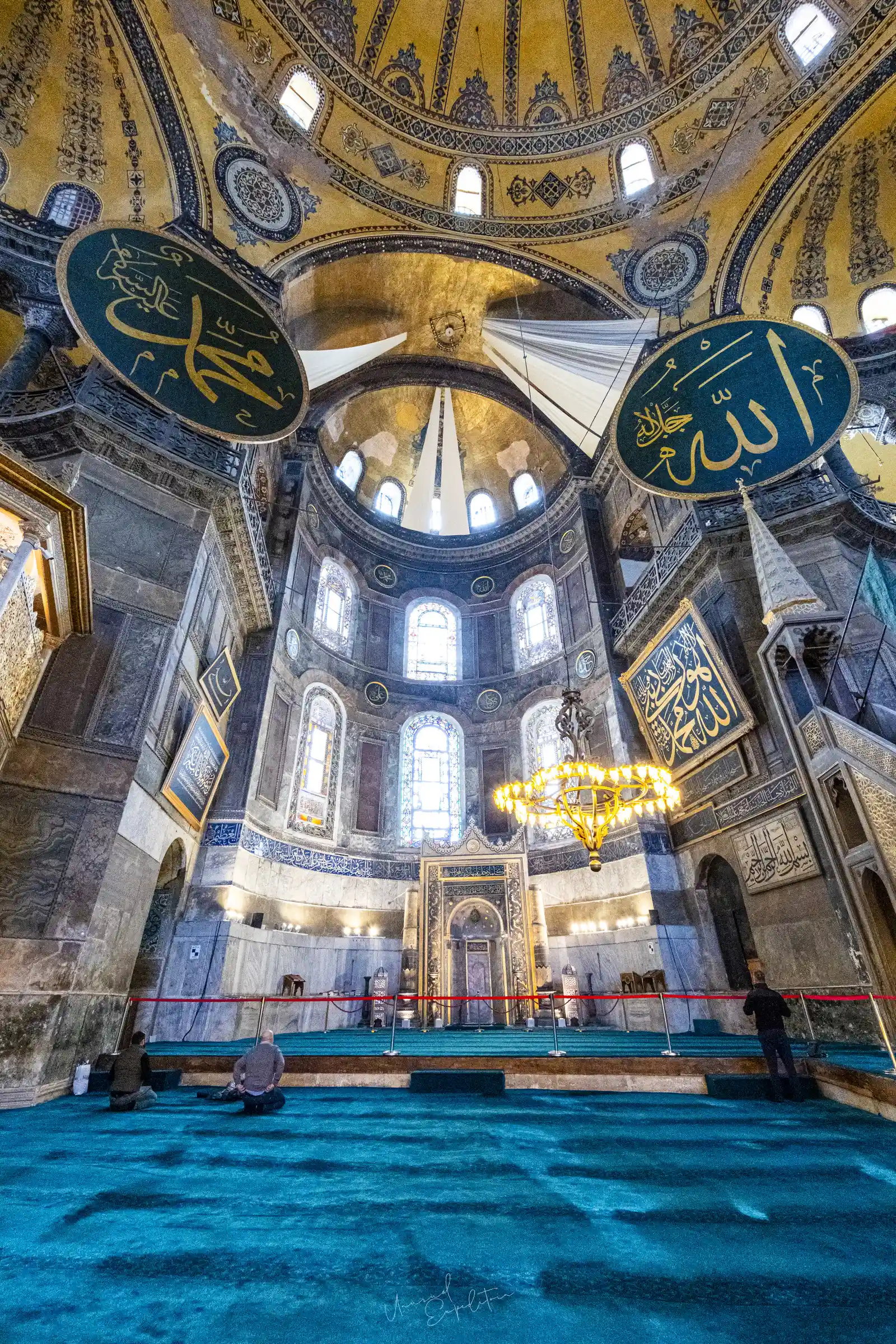
Hagia Sophia is the building most people come to photograph. Built as a church under Justinian in the sixth century and a mosque again since 2020, it has a dome that still makes every visitor stop and look up. Since early 2024 foreign visitors buy a ticket and see the building from the upper gallery, while the ground floor is kept for prayer, so plan your frames from above. The Blue Mosque stands across the square, free to enter outside prayer times and at its best from outside at night. Our Hagia Sophia and Blue Mosque guide covers both buildings, the dress code and how to photograph them with respect.
Galata Bridge, the Golden Horn and the skyline
Galata Bridge links Eminönü on the old city side with Karaköy below Galata Tower, and it is the best free viewpoint in Istanbul. The upper deck is lined with men fishing; the lower deck holds fish restaurants; ferries slide past both. Late in the day the New Mosque and the Süleymaniye turn into silhouettes against the western sky, and once the lights come on the bridge itself glows. Our Istanbul sunset guide explains where to stand for that light, and the Istanbul photos article shows the scenes one by one, from the fish boats at Eminönü to the Basilica Cistern underground.
Street photography: trams, markets and workshops
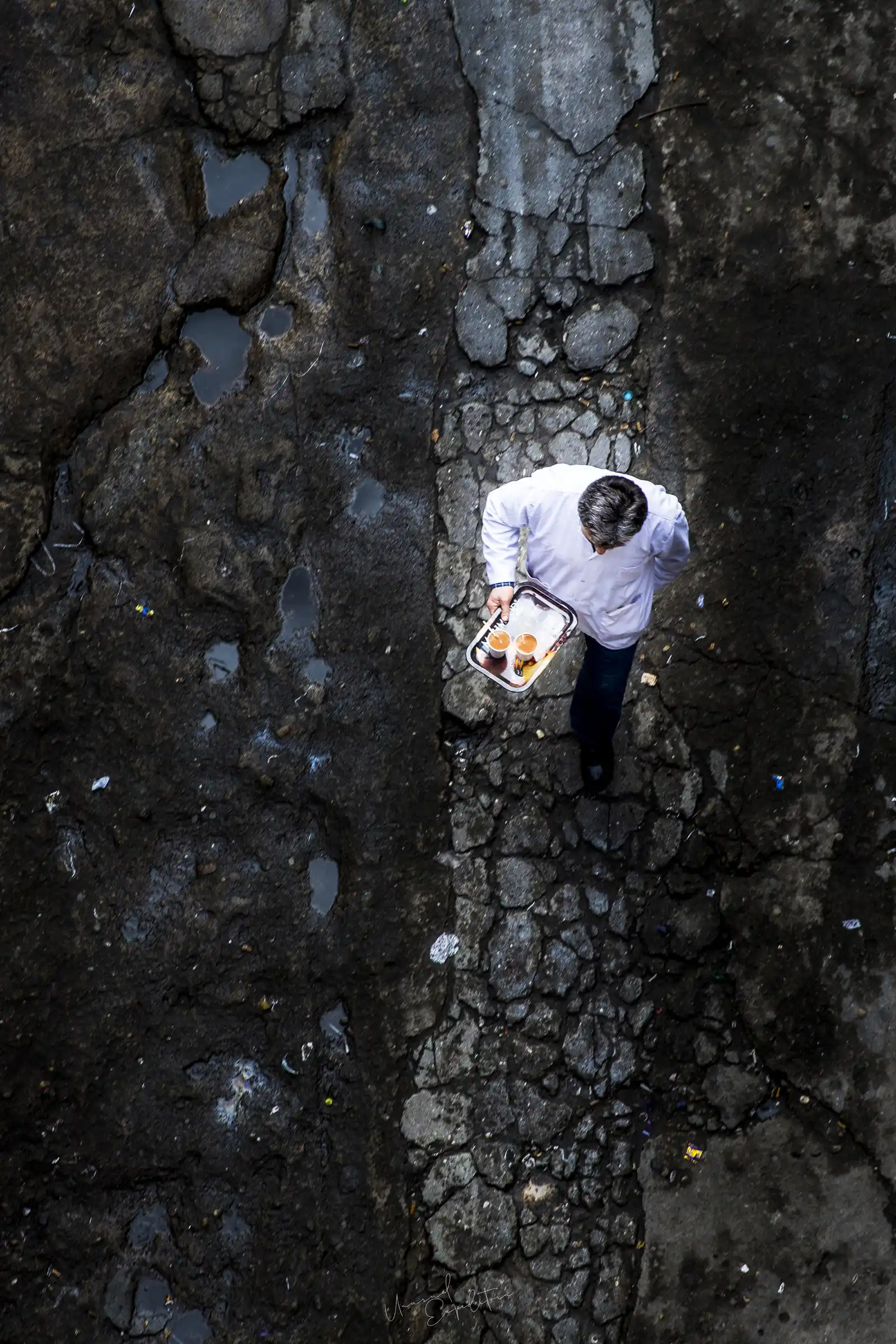
Istanbul street photography is easy to start and hard to finish. The red nostalgic tram on Istiklal Avenue, the market streets running down from the Grand Bazaar to the water, the vendors on the Eminönü square and the small workshops of the old commercial quarter all reward patience. People in Istanbul are generally relaxed about cameras in public places, but a smile and a gesture before a close portrait matter, and we always ask before photographing anyone at work. The Istanbul street photography guide goes through the places and the etiquette.
"Istanbul is the only city where I tell people to keep the long lens on all evening. The mosques sit on the hills like they were placed for the frame, and with a 70-200mm from the bridge you stack them one behind the other."
Joseph Mak, tour leader, Unusual Expedition
Balat and Fener: colour on the Golden Horn
Balat and Fener sit up the Golden Horn from the old city, a district of steep cobbled lanes, painted wooden and brick houses, small grocers and churches of the Greek, Bulgarian and Armenian communities. It is where you go for colour, and for a slower pace after the crowds of Sultanahmet. The Bulgarian church of St Stephen, an iron building prefabricated in Vienna, stands on the shore below. See Balat Istanbul for the streets and how to photograph them without intruding on the people who live there.
Is Istanbul worth visiting for photography?
Is Istanbul worth visiting if photography is the point of the trip? Yes, and more so than most capitals, because the subjects come in layers: monumental architecture, water and boats, markets and street portraits, all close together and all lit differently through the day. Istanbul also rewards a second visit, since the city changes with the season, and the mosques look entirely different under a winter sky. The weak points are crowds at the famous sites and tight rules inside the mosques. Both are manageable with timing, which the best time to visit Istanbul guide covers month by month.
Entry, money and flights from Singapore
Singapore's Ministry of Foreign Affairs states that Singapore passport holders do not need a visa for visits to Türkiye of less than 90 days within 180 days; check with the Turkish embassy before you travel, as rules can change. The same page notes that most money changers in Türkiye do not take Singapore dollars, so bring US dollars or euros to change into lira. Drones of 500g or more must be registered with the Turkish civil aviation authority. The ministry's advice for Türkiye is the usual one: take normal precautions, avoid demonstrations and follow local media. Singapore Airlines and Turkish Airlines both fly nonstop between Changi and Istanbul. The guide to travelling to Istanbul has the detail.
Explore Istanbul in depth
- Istanbul photos: what the city looks like through the lens
- Hagia Sophia and Blue Mosque: photographing inside and out
- Istanbul sunset and night: where to watch the light go
- Istanbul street photography: trams, markets and workshops
- Balat Istanbul: colourful houses, steep lanes and an iron church
- Best time to visit Istanbul for photography
- How to travel to Istanbul: flights, visa, money and planning
Photograph Istanbul with us
We have photographed Istanbul over several trips, in autumn and in deep winter, and we know where the light falls on the domes. There is no scheduled Turkey departure at present, so we run Istanbul as a private trip on request: for individuals, couples, families or photographers who want to work at their own pace, with every arrangement made around you. A private trip can cost less than a group tour because no tour leader travels, and a photographer or photography coaching can be added at extra cost. Ask at least two months ahead if you can, though shorter notice can often be arranged. See private tours and the Turkey photography tours page.
Istanbul photography tours
The next Istanbul departure is announced on the Istanbul photography tours page, with previous expeditions and all the planning guides.
Explore Istanbul in depth
- How to Travel to Istanbul: Flights, Visa, Money and PlanningTurkey
- Istanbul Sunset and Night: Where to Watch the Light GoTurkey
- Istanbul Street Photography: Trams, Markets and WorkshopsTurkey
- Istanbul Photos: What the City Looks Like Through the LensTurkey
- Hagia Sophia and Blue Mosque: Photographing Inside and OutTurkey
- Best Time to Visit Istanbul for PhotographyTurkey
- Balat Istanbul: Colourful Houses, Steep Lanes and an Iron ChurchTurkey
Upcoming Photo Tours
- Egypt Photo Tour – EgyptEgypt 12 Dec 2026 To 20 Dec 2026
- Inner Mongolia Winter Owl Photo Tour – ChinaChina 01 Jan 2027 To 04 Jan 2027
- Inner Mongolia Winter Photo Tour – ChinaChina 05 Jan 2027 To 11 Jan 2027
- Mekong And Central Highland Vietnam Photo Tour - VietnamVietnam 16 Jan 2027 To 24 Jan 2027