
How to Get to Italy: Flights, Gateways and Entry for a Photo Trip
How to get to Italy: Rome or Milan, flights and gateways, do you need a visa for Italy, EES and ETIAS, money, power and packing.
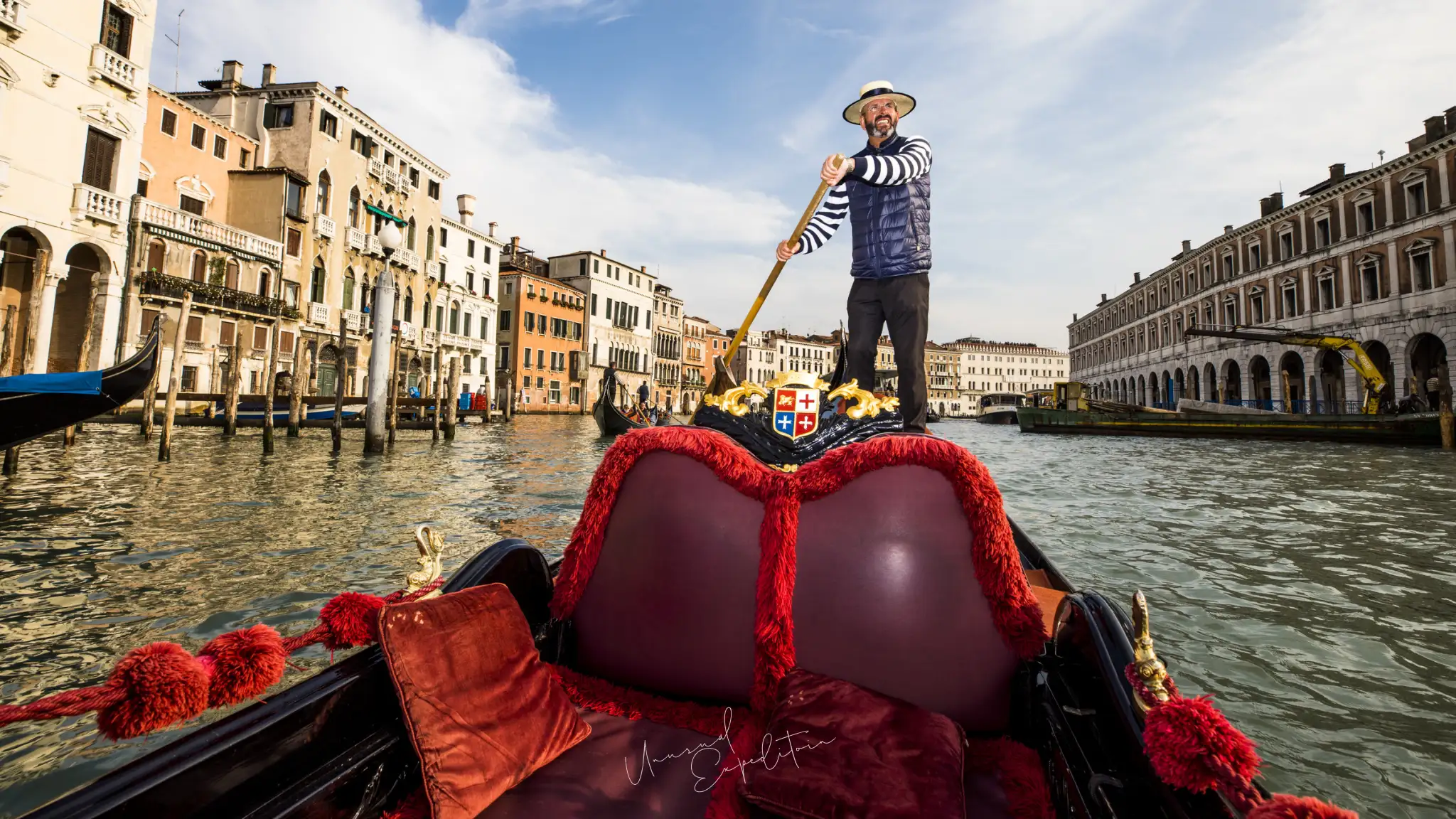
How to get to Italy is simpler than it looks: Rome Fiumicino and Milan Malpensa take nonstop long-haul flights from much of the world, many passports visit Italy visa-free for short stays, and once you land, fast trains link the main cities. The choices that matter are which city you fly into, which regions you photograph and the season. Here is the practical side of a photography trip to Italy, from any country.
For the regions themselves, read the Italy photography tour guide; this article is about getting there and being ready to shoot.
How to get to Italy: flights and gateways
Rome Fiumicino and Milan Malpensa are Italy's main long-haul gateways. Nonstop flights reach them from North America, the Middle East and parts of Asia; from Singapore, for example, Singapore Airlines flies nonstop to both Rome and Milan. From Europe, Italy is a short flight from almost every capital, and many low-cost routes also serve Venice, Florence, Pisa, Bologna, Naples, Bari and Catania. From Australia, Africa and much of Asia, most routings connect once through the Gulf, Istanbul or a European hub, which also opens those smaller airports. Check the airline sites for the current schedule, because frequencies change between seasons.
Rome or Milan: which gateway?
Which airport to choose depends on your regions. Rome is the natural gateway for the capital, Tuscany and the south. Milan is closer to Venice, the Cinque Terre, the lakes and the Dolomites. On a longer trip it often makes sense to fly into one and out of the other, so you never double back. Italy's high-speed trains link Milan, Venice, Florence, Rome and Naples, and in the cities they are usually quicker and easier than driving. Cars are the better choice in the Tuscan countryside and the mountains, where the viewpoints are spread out and you want to be there before sunrise.
| Region | Nearest long-haul gateway | Best way to move around |
|---|---|---|
| Rome and the Vatican | Rome | On foot, taxi, metro |
| Tuscany and Florence | Rome or Milan | Train to Florence, car in the countryside |
| Venice | Milan, or Venice itself | Train to Venice, then on foot and water bus |
| Cinque Terre | Milan | Train, and the local line between the villages |
| Dolomites | Milan or Venice | Car |
| Sicily | Rome, then a domestic flight | Car |
For a first trip, flying into Milan and out of Rome lets you work north to south through Venice and Tuscany.
Time zone and jet lag
Italy runs on Central European Time and moves its clocks forward in summer, like the rest of the EU. Jet lag can work in a photographer's favour. Travellers from Asia and Australia tend to wake very early for the first few days, which is exactly when Rome and Venice are empty and the light is good. From the Americas the pull is the other way, so the blue hour in the evening comes easily and dawn is harder. Plan your most important dawn on the second or third morning, when you have slept and adjusted a little.
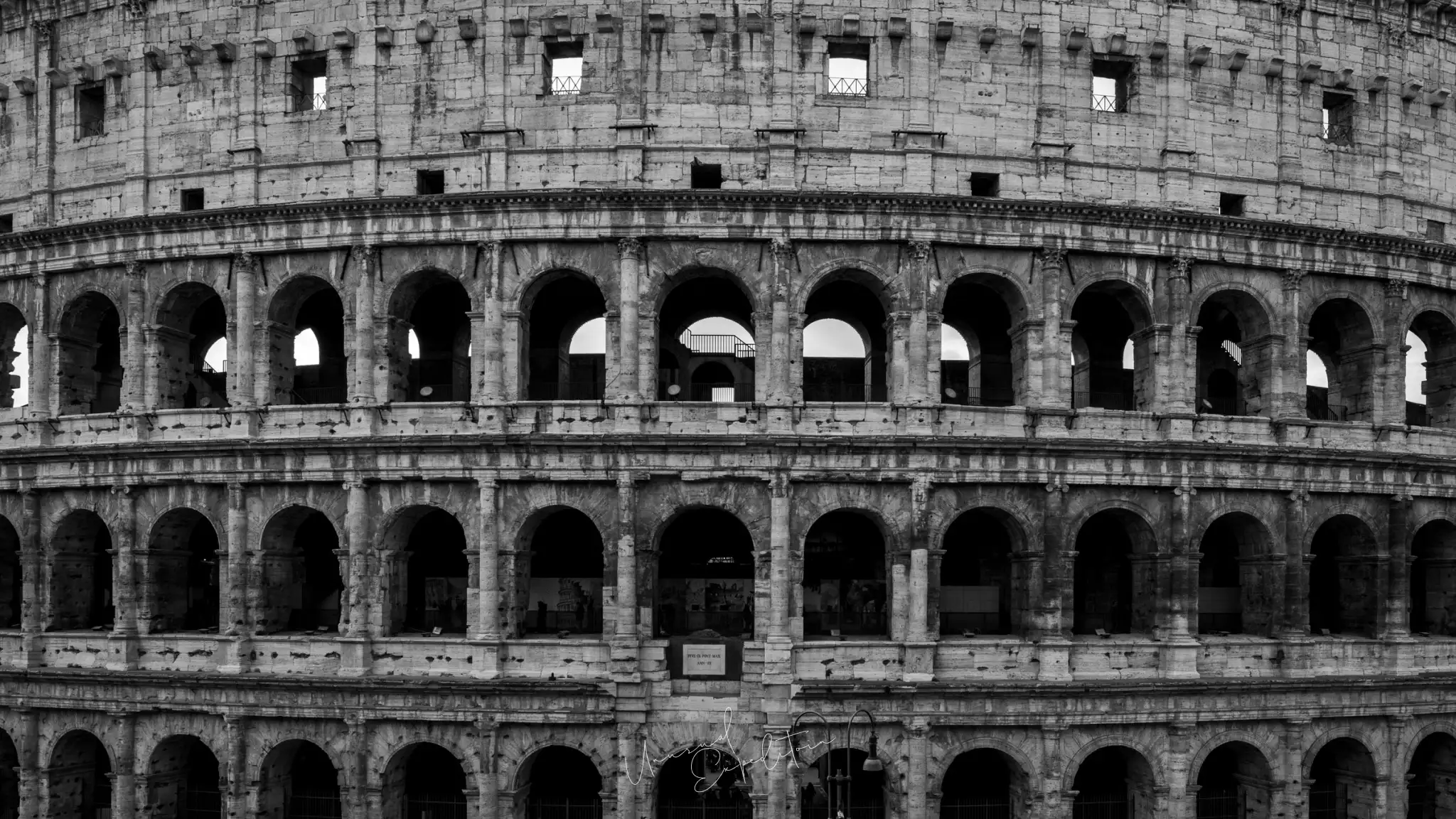
How long should a photography trip to Italy be?
Long enough to lose a few mornings to weather and still come home with the pictures. After a long-haul flight, we suggest at least a week on the ground for a single region such as Rome or Tuscany, and more if you want to add a second. Two regions done slowly will give you more than five done in a rush, and the extra days are what let you go back to a viewpoint when the first sunrise was grey.
Do I need a visa for Italy?
Italy is in the Schengen Area, so the answer depends on your passport. The European Commission's list of visa-free countries includes the United Kingdom, the United States, Canada, Australia, New Zealand and Japan: their citizens can visit for up to 90 days in any 180-day period across the whole Schengen Area. EU and EEA citizens need no visa at all. Schengen rules ask for a passport valid at least three months beyond the date you leave the Schengen Area, and Italy's embassies publish the details for each country.
Two border systems are worth knowing. According to the European Commission, the EU Entry/Exit System has been fully operational since 10 April 2026 and replaces passport stamps: at your first Schengen border it registers your passport details, fingerprints and a facial image. ETIAS, the travel authorisation for visa-free visitors, is not yet in operation and no applications are being collected; the Commission says it will announce the start date several months in advance. Check the Commission's pages and your own government's advice for your passport before you book.
Money, power and staying connected
Italy uses the euro. Cards, including contactless payment, are accepted almost everywhere in the cities, though small cafes, village shops and some water taxis prefer cash, so carry a little. Italy uses 230-volt power with type C, F and L sockets, so plugs from the UK, North America, Australia and much of Asia need an adapter; bring one with several USB ports for camera batteries. Mobile data is easy with a travel eSIM or a local SIM, and EU SIM cards roam at home prices. You will want data for train tickets, timed entry bookings and Venice water bus times.
"Italy is one of the easiest long-haul trips we run. By the first evening you can be standing on a bridge over the Tiber waiting for the lights to come on."
Joseph Mak, tour leader, Unusual Expedition
What to pack for photography in Italy
Pack light enough to walk all day. A 24-70mm covers most of Italy, with a 16-35mm for lanes and interiors and a 70-200mm for the Tuscan hills. A small travel tripod is worth its weight for blue hour on the canals and the Tiber. Spring and autumn need layers, a rain shell and warm gloves for dawn in Venice and the Dolomites; summer needs sun protection and water. Bring a scarf or light layer to cover shoulders in churches. Our Italy photography trip FAQ has more on tripods, drones and church rules.
Italy package tour or a private trip?
An Italy package tour usually moves fast between cities to see the sights, which leaves little time for the right light. A photography trip works the other way around: fewer places, more mornings, and the freedom to go back to a viewpoint when the weather was wrong the first time. Our best time to photograph Italy article will help you choose the season.
Plan your Italy trip with us
We run Italy as a private trip on request, for individuals, couples, families and photographers, at your own pace. You join from any country and meet us at the gateway airport or in the first city. We arrange all the logistics around your needs, the cost can be lower than our group tours because no tour leader travels, and a photographer or photography coaching can be added at extra cost. Ask at least two months ahead if you can, though last-minute trips can be arranged. See our private tours and the Italy photography tours page.
Italy photography tours
The next Italy departure is announced on the Italy photography tours page, with previous expeditions and all the planning guides.
Explore Italy in depth
- Italy Photography Tour Guide: Rome, Venice, Tuscany, the Coast and the MountainsItaly
- Italy Trip Planning for Photographers: Your Questions AnsweredItaly
- Best Time to Visit Italy by Month for PhotographyItaly
Upcoming Photo Tours
- Egypt Photo Tour – EgyptEgypt 12 Dec 2026 To 20 Dec 2026
- Inner Mongolia Winter Owl Photo Tour – ChinaChina 01 Jan 2027 To 04 Jan 2027
- Inner Mongolia Winter Photo Tour – ChinaChina 05 Jan 2027 To 11 Jan 2027
- Mekong And Central Highland Vietnam Photo Tour - VietnamVietnam 16 Jan 2027 To 24 Jan 2027