
Best Time to Visit Italy by Month for Photography
Best time to visit Italy by month for photography: Tuscany in spring, the Dolomites in autumn, Rome and Venice in the cool months.
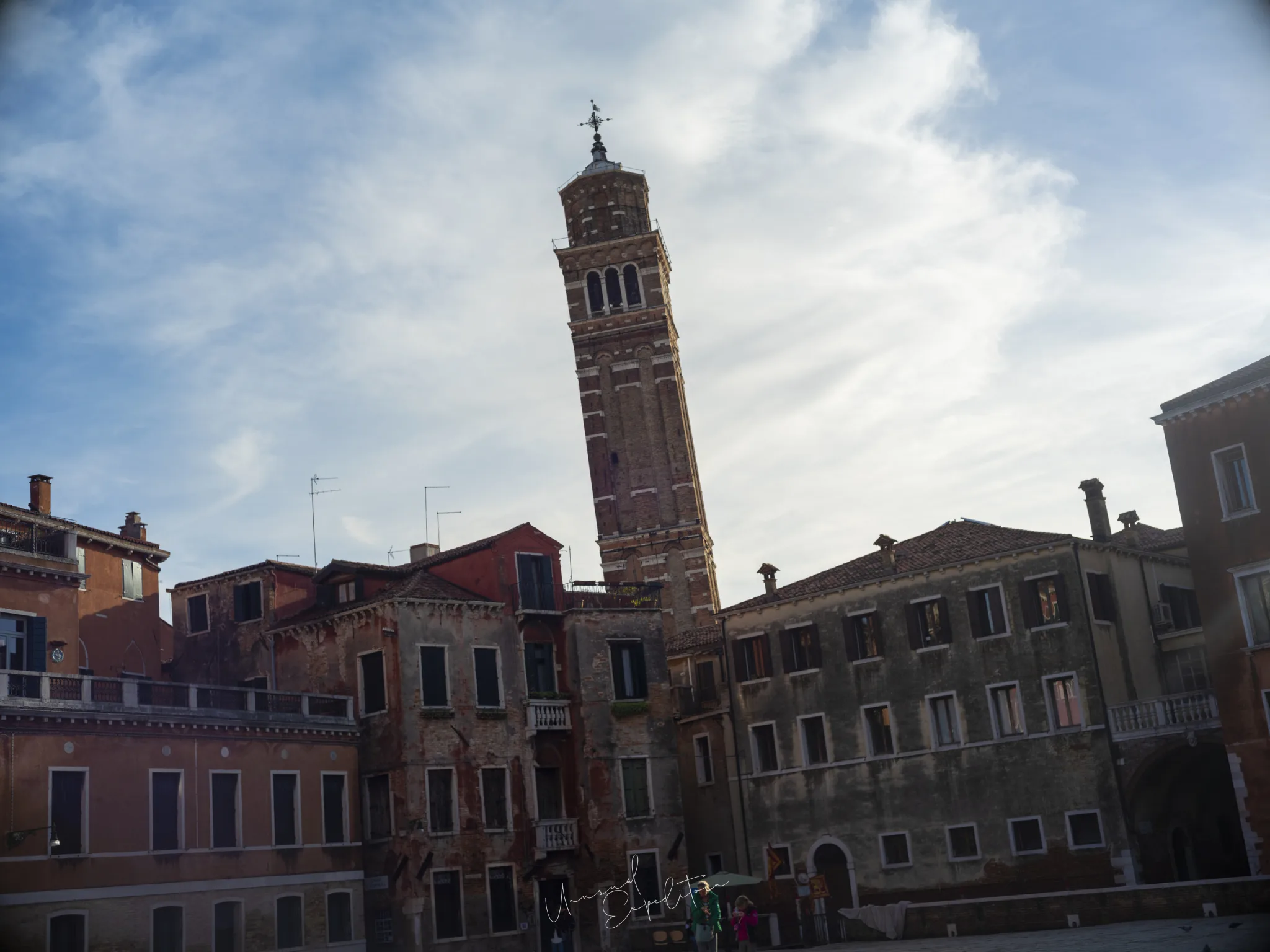
The best time to visit Italy by month depends on the region, but for photography it is spring and autumn. From April to early June the Tuscan hills are green and the cities are not yet hot; from late September to November the light is lower and warmer, the crowds thin in Rome and Venice and the Dolomites turn gold. High summer suits the coast and the mountains, and winter brings mist, empty piazzas and the chance of high water in Venice.
This article is part of our Italy photography tour guide, which introduces each region and links its own set of destination guides.
Best time to visit Italy by month
The table follows the photographer's year across the regions we cover. It is a guide to light and conditions, not a weather forecast; check the forecast for your dates and the official sites of anything you plan to enter.
| Month | Where it is strongest | What you photograph |
|---|---|---|
| January and February | Rome, Venice, Sicily | Empty piazzas, winter mist on the lagoon, Carnival in Venice, almond blossom in Sicily |
| March | Rome, Sicily, Puglia | Clear air, soft light on Baroque facades, first green in the south |
| April and May | Tuscany, Rome, Cinque Terre | Green hills, morning mist in the Val d'Orcia, wildflowers, long evenings on the coast |
| June | Tuscany, Dolomites, Cinque Terre | Wheat turning gold, alpine meadows in flower, sunsets over the sea |
| July and August | Dolomites, coast | High peaks, beach umbrellas and village harbours; heat and crowds in the cities |
| September | Tuscany, Cinque Terre, Sicily | Harvest, warm sea light, the end of the summer rush |
| October | Dolomites, Tuscany, Rome | Golden larches, autumn mist, lower sun on the monuments |
| November and December | Venice, Rome | Fog on the canals, acqua alta reflections, quiet streets, Christmas lights |
The pattern is simple to remember: the countryside peaks in spring, the mountains in summer and autumn, and the two great cities in the cool months.
When is the best time to visit Italy for photography?
When is the best time to visit Italy for a photographer? Our answer is April and May, or October. In those months Italy gives you the full range: mist in the Tuscan valleys at dawn, long evenings on the Cinque Terre, and Rome and Venice with light low enough to model their stone in the morning and evening. The days are long enough to work both ends of the day without exhausting yourself, and the heat of July and August, which flattens the light from mid-morning and fills the old centres, has either not arrived or has gone. If you can only travel in one season, choose the one that suits the region you care about most, and use the table above to add a second region that is also at its best.
Best time to visit Italy to avoid crowds
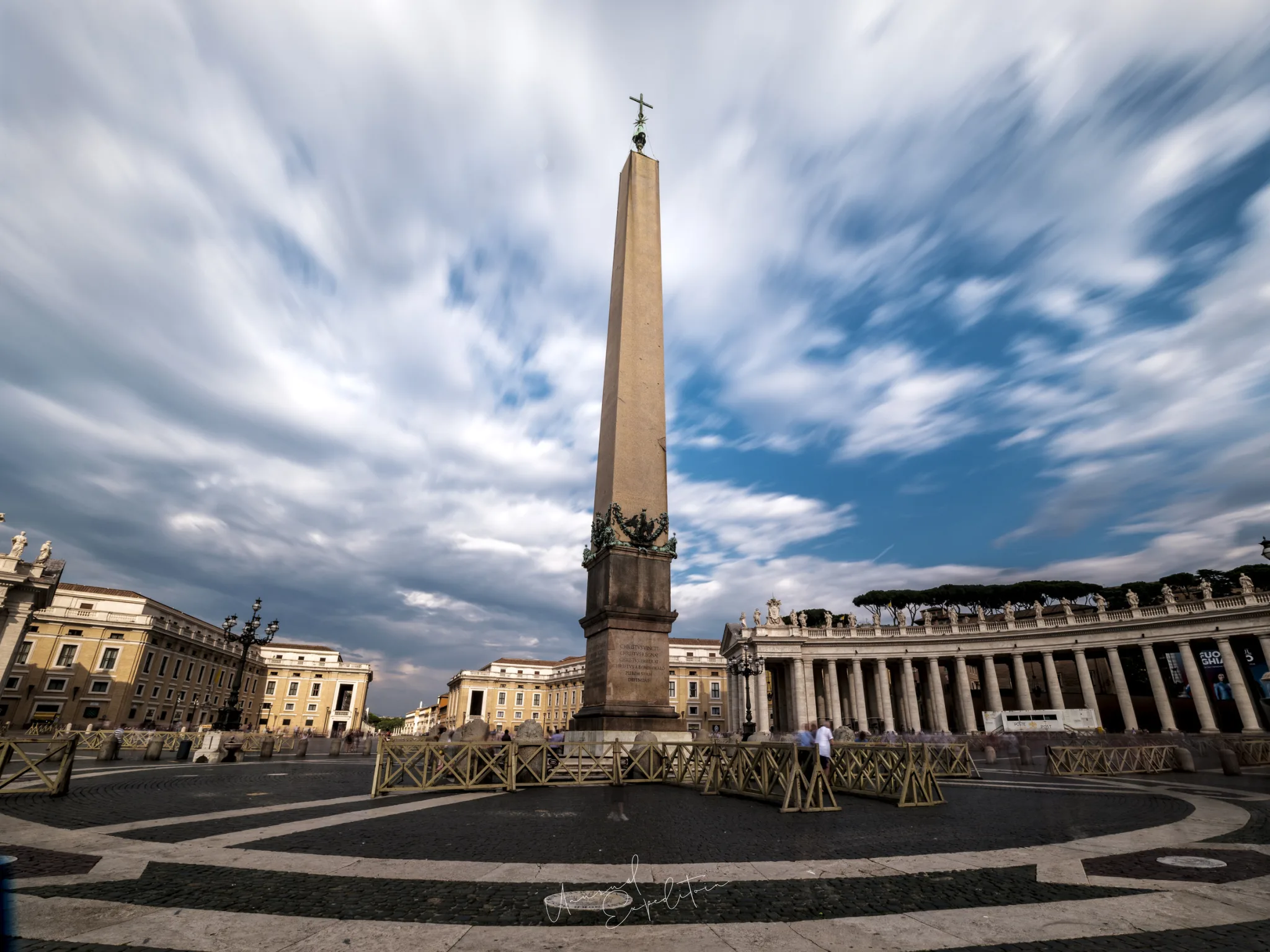
The best time to visit Italy to avoid crowds is from November to March, outside the Christmas and Carnival weeks, and the best time of day is always early. Rome is a different city at dawn: the Trevi Fountain, the Spanish Steps and St Peter's Square are close to empty for the first hour of light. Venice empties of day visitors in the evening, and the city now charges a day-tripper access fee on set days in spring and summer; overnight guests are exempt but must register, so check the official access fee site for the calendar before you travel. In Tuscany crowds are rarely a problem in the countryside, but the famous viewpoints in the Val d'Orcia draw photographers at sunrise in spring, so arrive before them. On the Cinque Terre, the villages are busiest at midday, when the light is worst anyway.
Best time to visit Italy weather wise
The best time to visit Italy weather wise is late spring and early autumn, when most regions are mild and dry enough to work outdoors all day. The north and the south behave differently. The Dolomites can hold snow on the high passes into late spring, and some lifts and mountain huts close between seasons, so check before you plan around them. Venice has a high-water season in autumn and winter; the Comune di Venezia's tide forecast centre publishes the tides ahead, and the MOSE barriers now protect the city from the highest of them. Sicily and Puglia stay mild in winter and become very hot in summer, which is why we prefer them in the shoulder months. Rain in Italy usually comes in spells rather than for weeks at a time, and a wet evening in Rome or Venice is often the best reflection picture of a trip.
Spring in Italy: Tuscany and the south
Spring in Italy belongs to Tuscany. From April the wheat fields of the Val d'Orcia and the crete senesi south of Siena are green, cypress avenues cast long shadows across them at dawn, and on still mornings the valleys fill with mist that burns off as the sun climbs. The Tuscany photography tour guide explains where to stand. Spring is also a good season in Rome, before the heat, and in Sicily, where the countryside is green for a few weeks before the summer dries it.
Summer: the coast and the Dolomites
Summer is the season for the Cinque Terre and the Dolomites. On the Ligurian coast the sun sets over the sea and the villages light up in a long blue hour; in the Dolomites the passes and huts are open and the meadows are full of flowers. The cities are hot, crowded and lit by hard light from mid-morning, so in July and August we keep Rome, Florence and Venice to dawn, dusk and night.
"I have photographed Venice in autumn more than any other season, and I would choose it again. The tourists thin out, the light stays low all day and the canals start to steam in the cold mornings. It is the only time Venice feels like it belongs to the people who live there."
Joseph Mak, tour leader, Unusual Expedition
Autumn and winter: Venice, Rome and the mountains
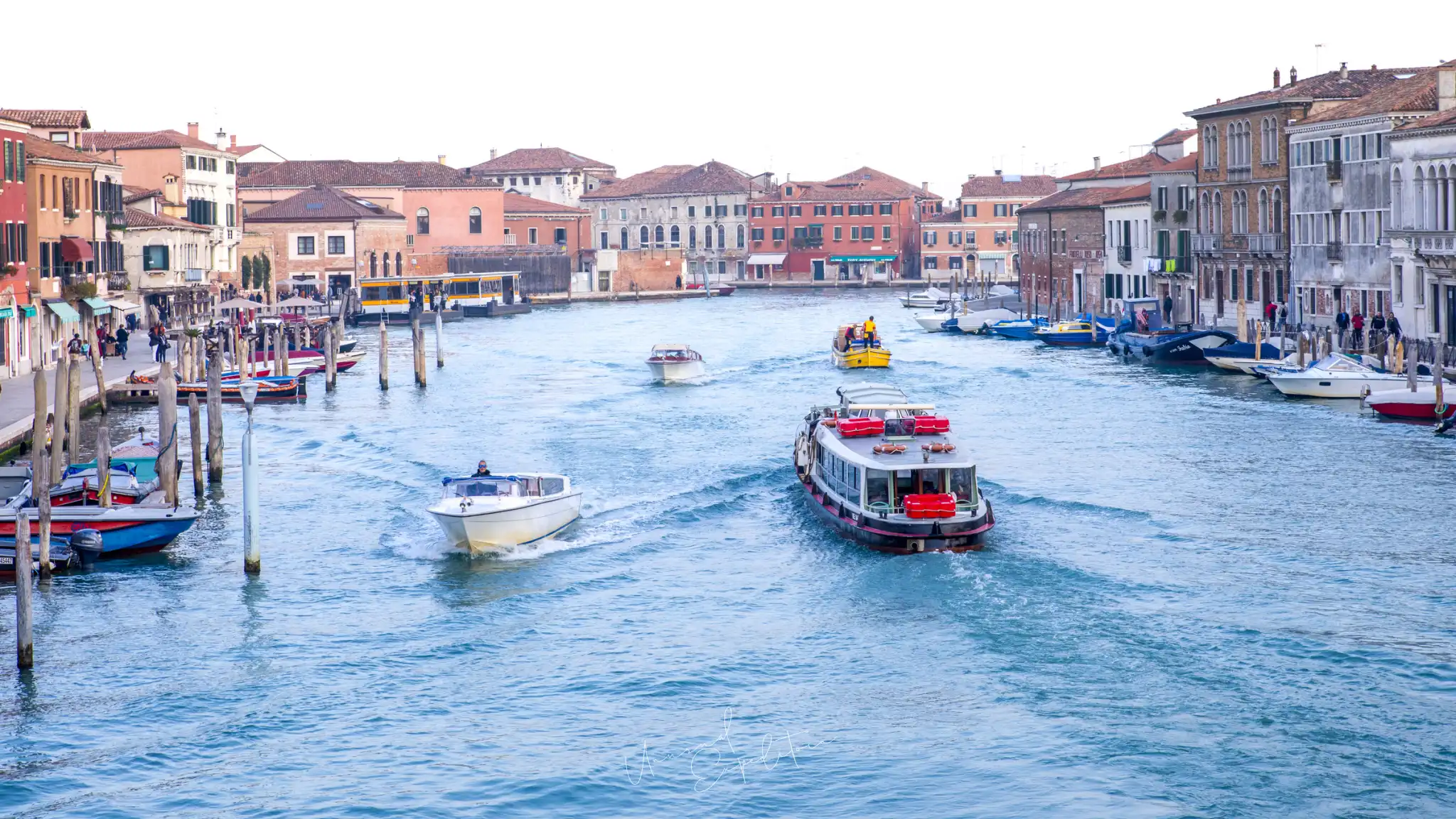
Autumn is our favourite season for Venice and Rome. The sun stays low, so the Grand Canal and the Tiber are lit from the side for much of the day, and the evenings come early enough to photograph the blue hour before dinner. In the Dolomites, October turns the larches gold under the first snow on the peaks. Winter is quiet in the cities and often misty on the lagoon; it is also Carnival season in Venice. Our Italy photography trip FAQ covers what to bring for each season, and the guide to getting to Italy covers flights and time difference.
Plan your Italy season with us
There is no scheduled Italy departure at the moment. We run Italy as a private trip on request, in the season that suits the regions you want, and we arrange the logistics around your pace. See our private tours and the Italy photography tours page.
Italy photography tours
The next Italy departure is announced on the Italy photography tours page, with previous expeditions and all the planning guides.
Explore Italy in depth
- Italy Photography Tour Guide: Rome, Venice, Tuscany, the Coast and the MountainsItaly
- How to Get to Italy: Flights, Gateways and Entry for a Photo TripItaly
- Italy Trip Planning for Photographers: Your Questions AnsweredItaly
Upcoming Photo Tours
- Egypt Photo Tour – EgyptEgypt 12 Dec 2026 To 20 Dec 2026
- Inner Mongolia Winter Owl Photo Tour – ChinaChina 01 Jan 2027 To 04 Jan 2027
- Inner Mongolia Winter Photo Tour – ChinaChina 05 Jan 2027 To 11 Jan 2027
- Mekong And Central Highland Vietnam Photo Tour - VietnamVietnam 16 Jan 2027 To 24 Jan 2027