
Romania Photography Trip FAQ: Safety, Entry, Drones and People
Is Romania safe for tourists? Entry for Singapore passports, drones, churches, photographing people and night photos.
Is Romania safe for tourists? Yes, for most travellers Romania is a safe and easy country to photograph. The Singapore Ministry of Foreign Affairs warns mainly about pickpockets and theft in crowded city areas, fake police officers asking for wallets, and strict drink-driving rules. Singaporeans can visit visa-free for up to 90 days. The questions below cover entry, money, drones, photographing people and churches, night photography and what to bring.
These answers are for the whole country. For the regions themselves, start with the Romania photography tour guide, which links the Maramures and Transylvania destination guides.
Is Romania safe for tourists?
Romania is safe for tourists in the ordinary sense: villages are calm, people are helpful, and violent crime against visitors is rare. The Singapore Ministry of Foreign Affairs lists the practical risks: petty crime such as pickpocketing is common in urban centres and crowded areas, impostors may pose as police officers and ask for identification and wallets, and there is zero tolerance for drink-driving. It also notes tick-borne encephalitis and rabies, and that earthquakes and small tremors are common in the south and south-west. For photographers the advice is plain: keep the camera strap on you in Bucharest's old town and in busy squares, never hand your wallet to anyone on the street, and walk away from stray dogs.
Romania visa requirements for Singapore passports
Under a bilateral agreement, Singaporeans can visit Romania for up to 90 days without a visa, according to the Singapore Ministry of Foreign Affairs. Romania became a full member of the Schengen Area on 1 January 2025, so there are no checks at the land borders with other Schengen countries, but the ministry still asks you to carry your passport across every border. Your passport should have been issued within the last ten years and be valid for at least three months after you leave the Schengen Area. The EU's Entry/Exit System takes your fingerprints and photo at the first entry; ETIAS is not in operation yet, and the European Commission says it will announce the start date months ahead. Check the ministry's page and the Romanian embassy before you travel.
What is the Romania travel advisory today?
Singapore has no special warning against travel to Romania; the Ministry of Foreign Affairs page gives the general advice above and recommends comprehensive travel insurance. Romania borders Ukraine, and Maramures sits along that border, but daily life in the region is normal and we have photographed there without trouble. Read the ministry's page again shortly before you go, register your trip with the ministry's eRegister, and keep the insurance details on your phone.
Can I photograph people in Romania?
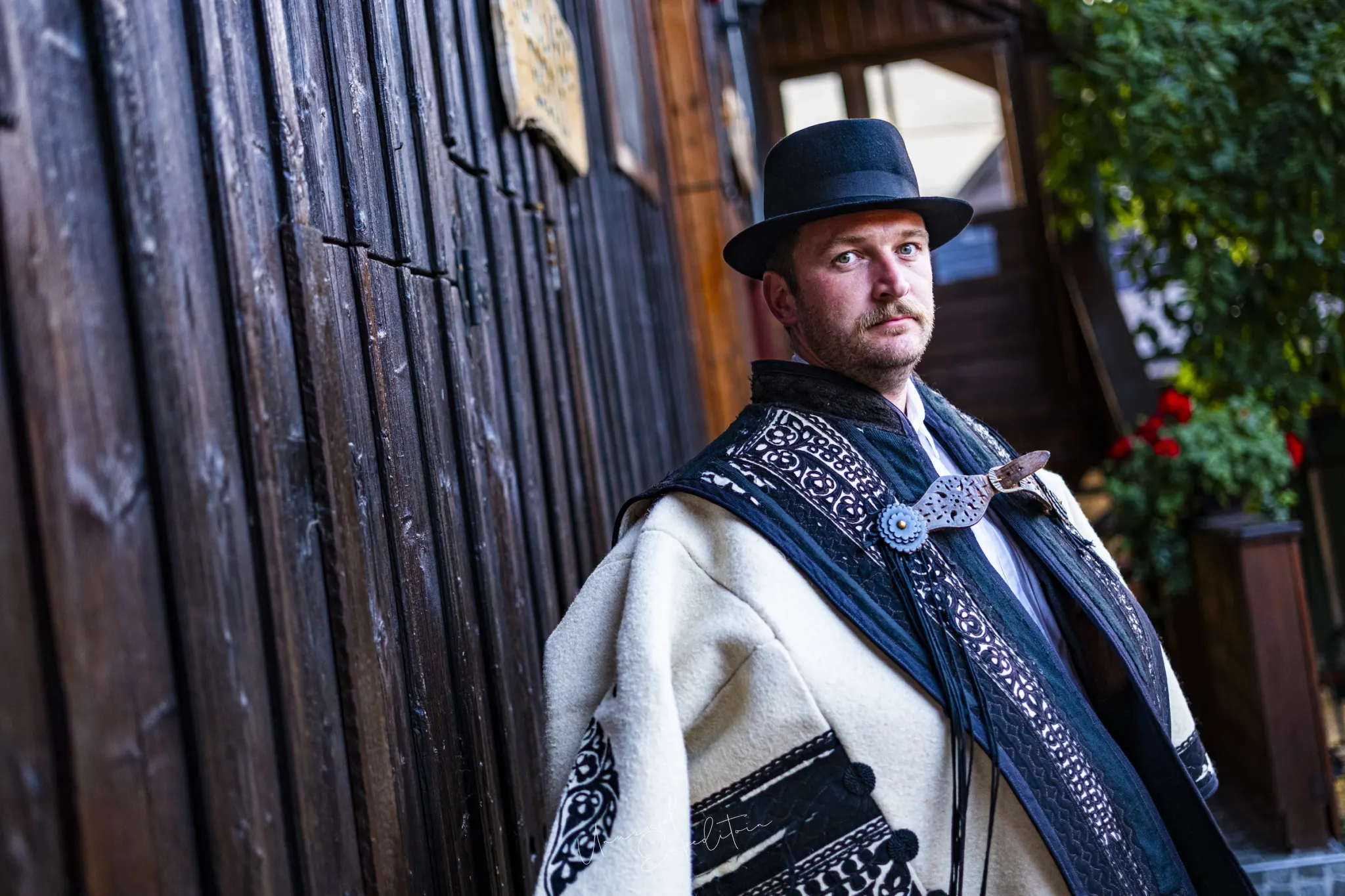
Yes, with courtesy. In Maramures many villagers are happy to be photographed if you greet them, show interest in what they are doing and ask; a nod and a smile go a long way when you have no Romanian. Elderly women spinning or weaving at home will often invite you in. Markets are busier, so ask before close portraits, and accept a no. We never photograph children for these guides, and we do not photograph weddings or funerals unless the family invites us. Romanian law protects a person's image, so ask again before any portrait you might publish.
Can I take photos inside Romanian churches?
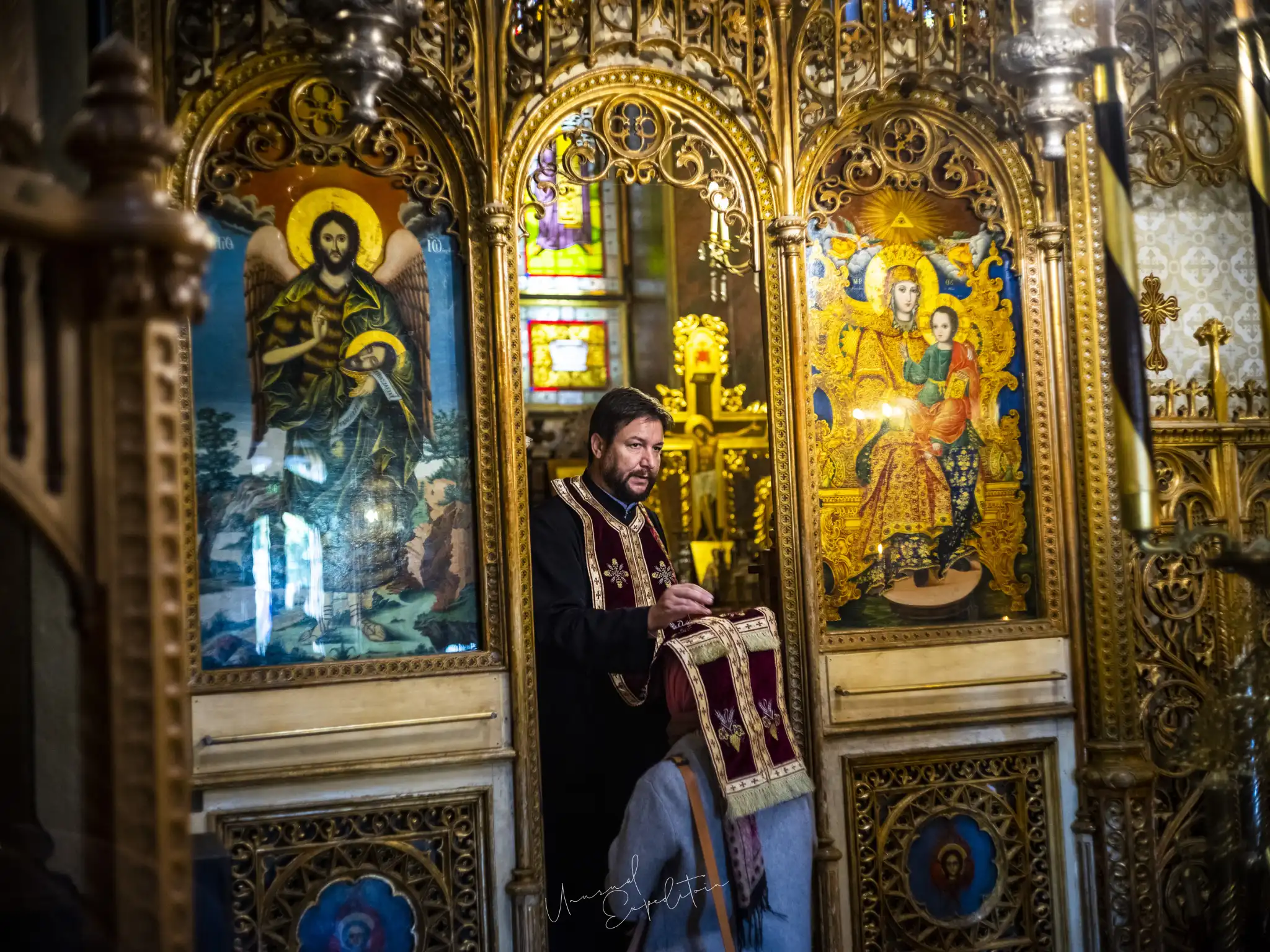
Usually, but ask first and follow the sign at the door. Orthodox and Greek Catholic churches in Romania are working churches, and during a service the rule is to stay at the back, keep the shutter quiet and use no flash. Many painted wooden churches in Maramures are kept locked outside service times, and someone in the village holds the key; a small donation is normal. Some churches and monasteries charge a photo fee or ban photography in the sanctuary. Dress with shoulders and knees covered, and women may be asked to cover their heads in monasteries. Our guide to the wooden churches of Maramures has more.
Can I fly a drone in Romania?
Only within the rules. Romania follows the EU drone rules through the Romanian Civil Aeronautical Authority (AACR), which means operator registration for any drone with a camera and restricted zones around airports, military sites, government buildings and much of Bucharest. Popular sites such as Bran Castle need the site's own permission as well. Guides to the rules disagree on some details, so check the AACR site and the national drone zone map before each flight, and ask at the site. Over villages, fly away from people and houses.
Romania night photos: where and when
Romania night photos are some of the easiest to make in Europe, because the towns light their old centres well and the squares are safe after dark. In Bucharest the old town lanes come alive with terraces and neon. In Brasov, Council Square and the Black Church are lit, and the view from the hillside over the roofs at blue hour is one of the best in the country. Bran Castle is floodlit in the evening, and the citadel of Sighisoara glows on its hill. See Brasov photo spots and Sighisoara photos for where to stand.
"Romania is generous at night. The squares are lit, people are out walking, and nobody minds a tripod. The only thing I warn people about is the old town in Bucharest: keep the camera on you and your bag in front."
Joseph Mak, tour leader, Unusual Expedition
Money, cards and tipping
The currency is the Romanian leu. Cards work in hotels, restaurants and shops in towns; in villages, markets, church donations and small guesthouses you need cash, and cash machines are found in the market towns rather than the villages. Rounding up in restaurants is normal. Ask before you photograph market stalls closely, and buying something small from the person you photograph is a good habit.
What should I bring for a Romania photography trip?
| Item | Why |
|---|---|
| 24-70mm lens | Villages, markets, interiors, portraits |
| 70-200mm lens | Haystacks, castles, the steam train, people at a distance |
| 16-35mm or a fast prime | Church interiors, Salina Turda, town squares |
| Light tripod | Blue hour in Brasov, Bran and Sighisoara |
| Rain cover and layers | Wet markets, misty mornings, cold dawns |
| Cash in lei | Villages, markets, church keys and donations |
Most of what goes wrong on a Romania trip is weather, so the rain cover and the layers matter more than another lens.
Ask us before you go
We run Romania as a private trip on request, for individuals, families, couples and photographers who want their own pace. We arrange all the logistics; a photographer or photography coaching can be added at extra cost, and because no tour leader travels, a private trip can cost less than our group tours. Ask at least two months ahead. More on the Romania photography tours page and on our private tours, and read the best time to photograph Romania before you pick dates.
Ask us a question about Romania
Romania photography tours
The next Romania departure is announced on the Romania photography tours page, with previous expeditions and all the planning guides.
Explore Romania in depth
- Romania Photography Tour Guide: Maramures, Transylvania and BucharestRomania
- Romania Tour from Singapore: Flights, Entry and Time DifferenceRomania
- Best Time to Visit Romania for Photography, Month by MonthRomania
Upcoming Photo Tours
- Egypt Photo Tour – EgyptEgypt 12 Dec 2026 To 20 Dec 2026
- Inner Mongolia Winter Owl Photo Tour – ChinaChina 01 Jan 2027 To 04 Jan 2027
- Inner Mongolia Winter Photo Tour – ChinaChina 05 Jan 2027 To 11 Jan 2027
- Mekong And Central Highland Vietnam Photo Tour - VietnamVietnam 16 Jan 2027 To 24 Jan 2027