
Planning a Trip to Rome: Flights, Entry and What to Pack
Planning a trip to Rome: flights, how to get to Rome from the airport, Schengen entry, EES and ETIAS, the papal audience and packing.
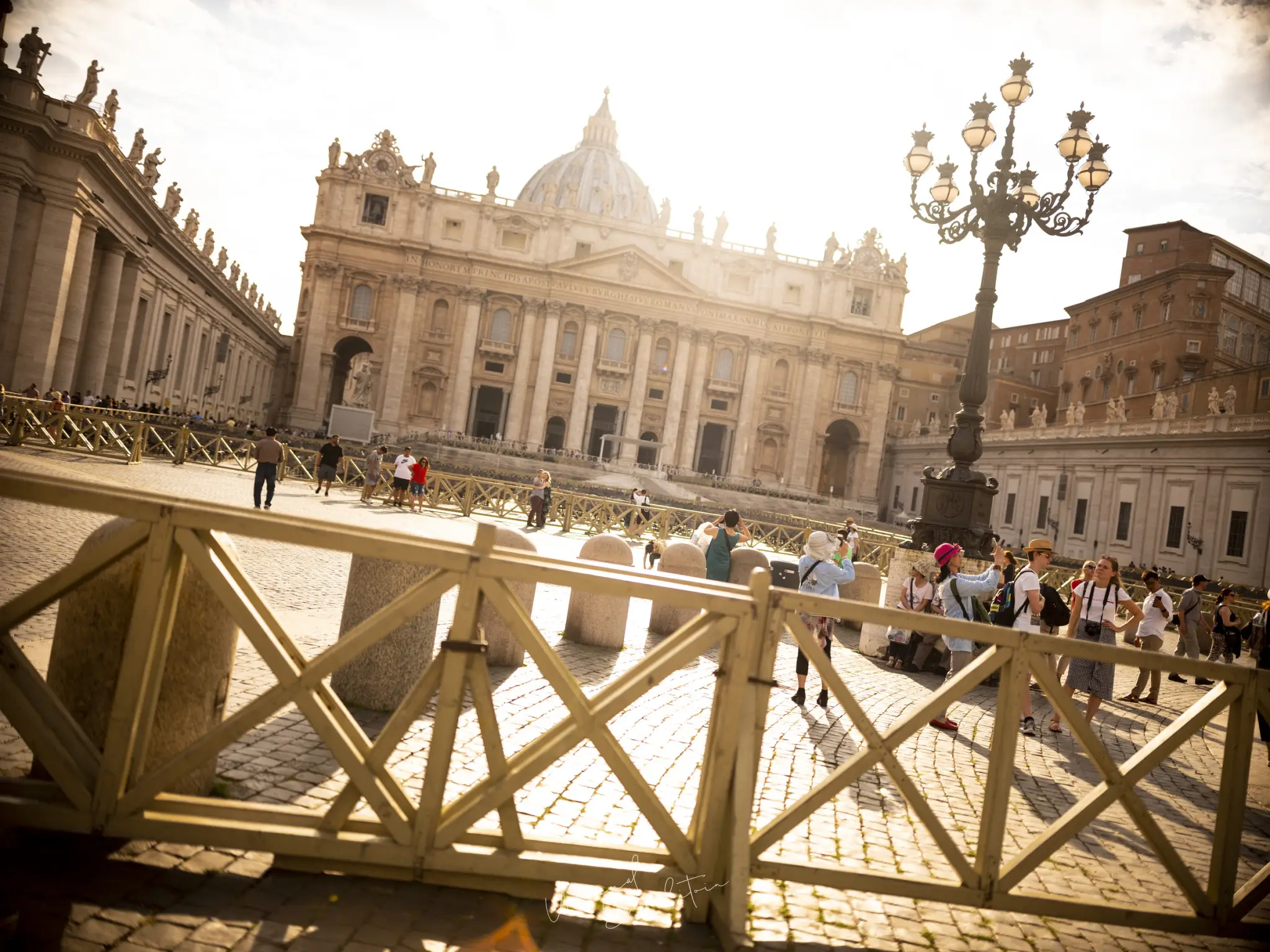
Planning a trip to Rome starts with one of the easiest long-haul journeys in Europe: Rome Fiumicino takes nonstop flights from much of the world, many passports visit Italy visa-free for short stays, and once you land the historic centre is compact enough to photograph on foot. Below are the flights, the ride into the city, entry, the time zone and how we shape a photography trip to Rome, for travellers from any country.
It is part of our Rome photography tour guide. If you plan to combine Rome with other regions, read how to get to Italy in our Italy guides as well.
Planning a trip to Rome: the flights
Rome Fiumicino, the city's main airport, is one of Italy's two long-haul gateways. Nonstop flights reach it from North America, the Middle East and parts of Asia, including a Singapore Airlines service from Singapore, and from almost every European capital it is a short flight. Ciampino, the smaller airport south-east of the city, mainly serves low-cost European routes. From Australia, Africa and much of Asia, most routings connect once through the Gulf, Istanbul or a European hub. Frequencies change by season, so check the airlines' own sites for the current schedule. Fly into Rome and out of Milan, or the other way round, if Venice or the north is also on your list, so that you never double back.
How to get to Rome from the airport
Fiumicino lies on the coast west of the city. From there the Leonardo Express train runs nonstop to Roma Termini station, and taxis charge a fixed fare into the historic centre set by the city; check the current fare with Rome's official tourism site before you go. With camera bags, a taxi or a pre-booked transfer straight to your hotel is usually the easier choice. The airport also has domestic connections onward to Sicily and the south.
| Question | Short answer |
|---|---|
| Main airport | Rome Fiumicino, with nonstop long-haul flights |
| Do I need a visa? | Schengen rules; many passports, including UK, US, Canadian and Australian, are visa-free for short stays |
| Time zone | Central European Time, with summer time |
| Currency | Euro; cards widely accepted |
| Power | 230 V, plug types C, F and L; bring an adapter if yours differ |
Everything else, from the light to the crowds, depends on the season you choose.
Rome time and jet lag
Rome is on Central European Time and moves its clocks forward in summer. Travellers arriving from Asia or Australia tend to wake early for the first few days, and that is an advantage: dawn is when the Trevi Fountain, the Spanish Steps and St Peter's Square are close to empty. From the Americas the evening blue hour comes easily and dawn takes more effort. Either way, use the jet lag instead of fighting it, and plan your most important sunrise for the second or third morning.
Entry rules for Italy and the Vatican
Italy is in the Schengen Area, so entry depends on your passport. The European Commission's list of visa-free countries includes the United Kingdom, the United States, Canada, Australia, New Zealand and Japan: their citizens can visit for up to 90 days in any 180-day period across the Schengen Area, and EU and EEA citizens need no visa at all. Schengen rules ask for a passport valid at least three months beyond your date of departure from the Schengen Area. According to the European Commission, the EU Entry/Exit System has been fully operational since 10 April 2026 and registers your passport details, fingerprints and a facial image at the first Schengen border instead of a stamp. ETIAS, the travel authorisation for visa-free visitors, is not yet in operation and no applications are being collected; the Commission will announce the start date several months ahead. Check the Commission's pages and your own government's advice for your passport before you book. The Vatican has no border controls of its own for visitors to the square and the basilica.
Why Rome first on an Italy trip
Among Italy trips, Rome makes a natural first stop. Long-haul flights land there, the city holds enough for a full trip on its own, and Tuscany is close for a second region. A photographer's Rome needs more mornings and evenings than a sightseeing tour, because the best pictures come in the first and last light. Give Rome enough days to lose one or two to weather and still photograph the Tiber at sunset, the Colosseum at blue hour and the Vatican at opening time. Our best time to visit Rome article will help you choose when.
The Vatican and the papal audience
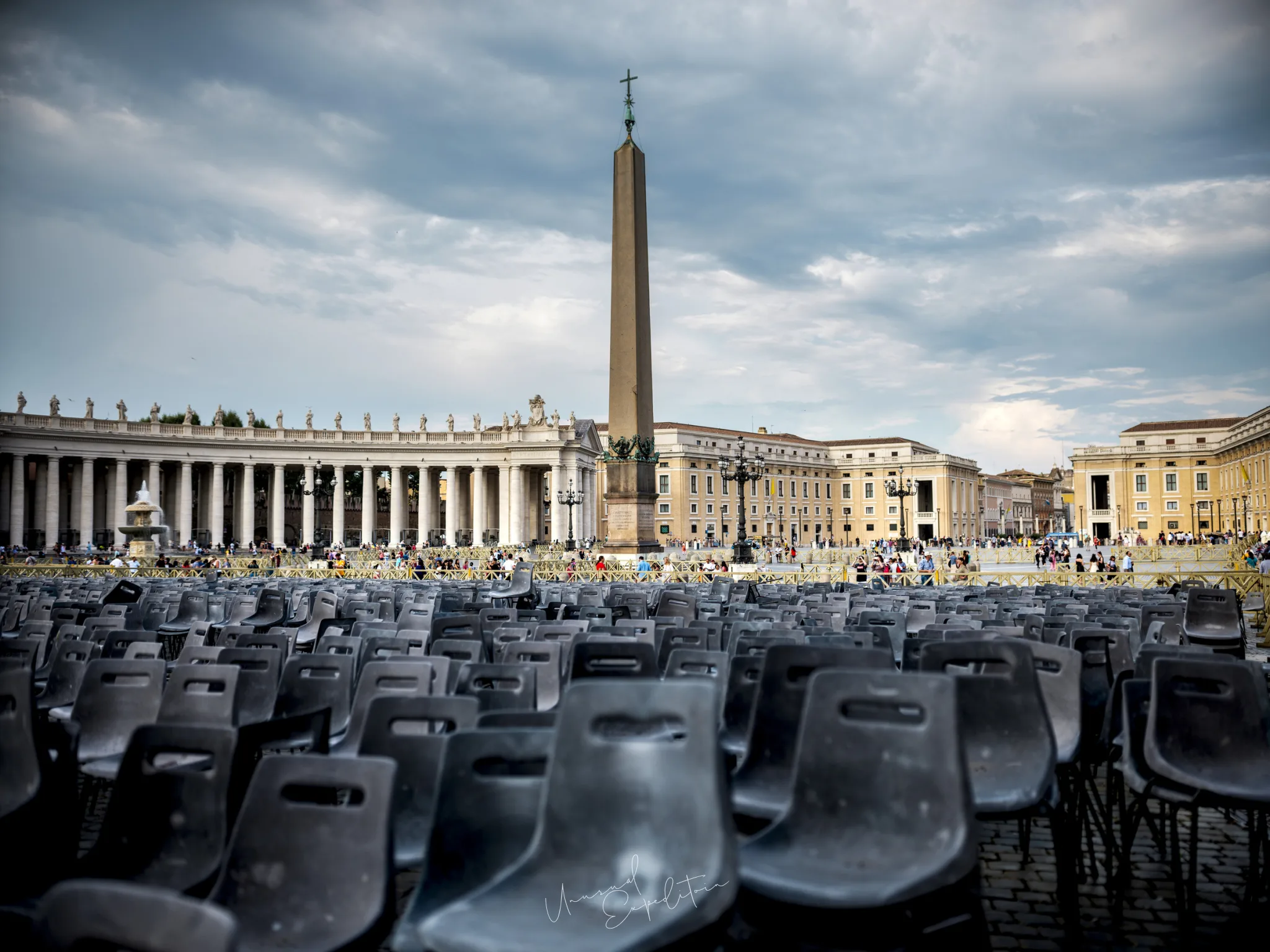
Many visitors want to see the Pope's general audience, held on most Wednesday mornings. Tickets are free and requested from the Prefecture of the Papal Household, which publishes the calendar; there are breaks in the schedule, so check before you plan around it. On those mornings St Peter's Square fills with chairs and barriers, so we keep the empty-square pictures for another day. See Vatican City photos for the square and its rules.
"Rome is an easy first trip to Europe. The city is small enough to walk. What people underestimate is how early they need to be out."
Joseph Mak, tour leader, Unusual Expedition
What to pack for Rome
Pack for walking. A 24-70mm and a 16-35mm cover most of Rome, with a 70-200mm for domes and statues across the rooftops. A light travel tripod is essential for the Tiber and the Colosseum at blue hour, though it stays outside churches. Bring a scarf or light layer to cover shoulders and knees for the basilicas, comfortable shoes for the cobbles, a power adapter for type C, F or L sockets if your plugs differ, and a small bag that is easy to keep in front of you in crowds.
Where to stay in Rome as a photographer
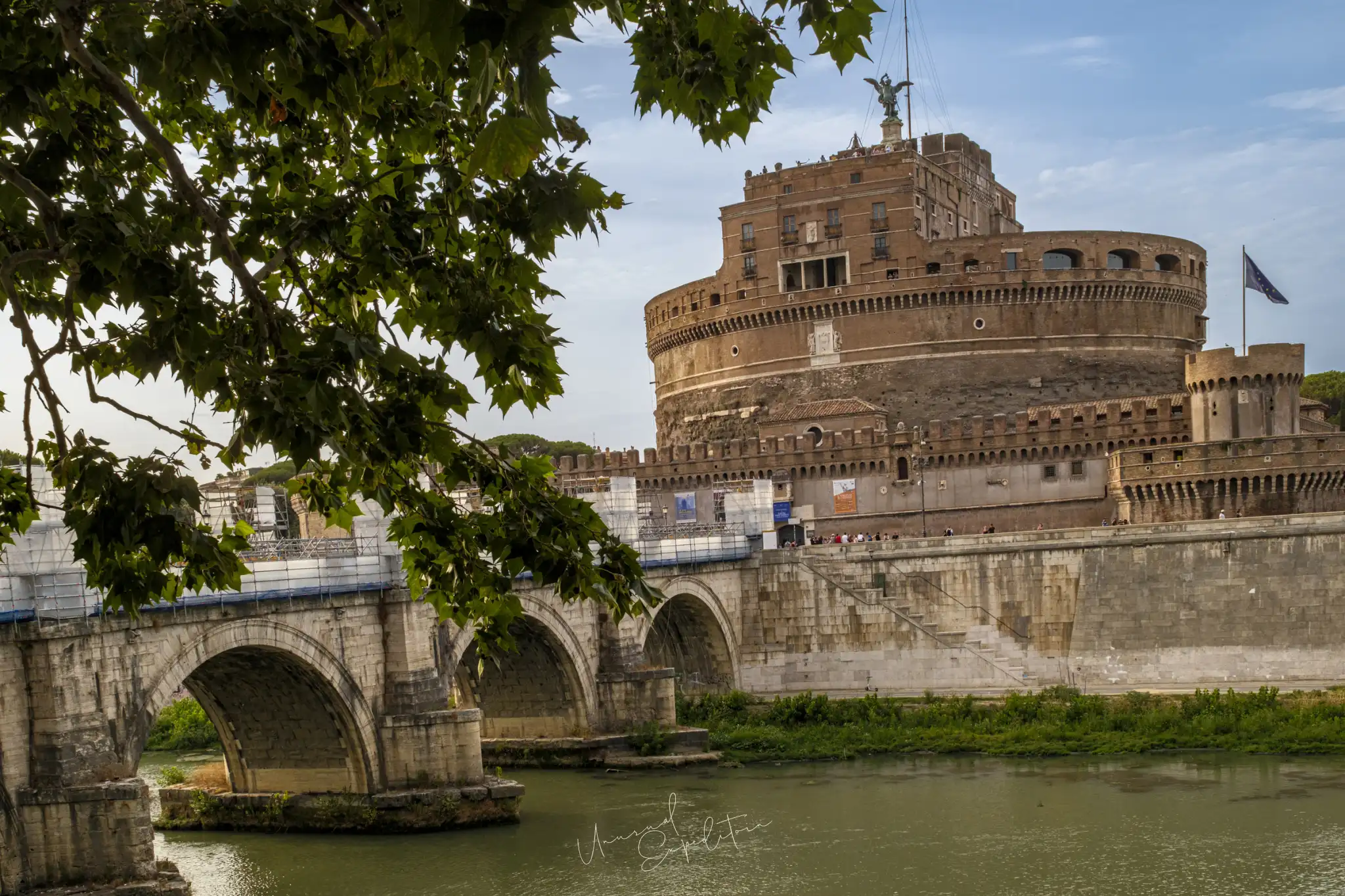
Stay inside the historic centre, within walking distance of the Tiber, so that dawn and the blue hour are a short walk away. A base between Piazza Navona and the river puts the Pantheon, the Trevi Fountain, Castel Sant'Angelo and the bridges of the Tiber all on foot, with the Vatican a little further across the river.
Plan your Rome trip with us
We run Rome as a private trip on request, for individuals, couples, families and photographers, at your own pace. You join from any country and meet us in Rome. We arrange all the logistics to your needs, the cost can be lower than our group tours because no tour leader travels, and a photographer or photography coaching can be added at extra cost. Ask at least two months ahead if you can, though last-minute trips can be arranged. See our private tours and the Italy photography tours page.
Rome photography tours
The next Rome departure is announced on the Rome photography tours page, with previous expeditions and all the planning guides.
Explore Rome in depth
- Rome Photography Tour Guide: The Colosseum, the Vatican, the Tiber and Rome at NightItaly
- Vatican City Photos: St Peter's Square, the Colonnade and the RulesItaly
- St Peter's Basilica Photos: Inside, the Baldacchino and the Dome ViewItaly
- Best Photo Spots in Rome: Where to Stand and WhenItaly
- Rome at Night: The Trevi Fountain, the Colosseum and the Tiber After DarkItaly
- Colosseum Photography: Viewpoints, Blue Hour and the Colosseum at NightItaly
- Best Time to Visit Rome for Photography: Seasons, Crowds and LightItaly
Upcoming Photo Tours
- Egypt Photo Tour – EgyptEgypt 12 Dec 2026 To 20 Dec 2026
- Inner Mongolia Winter Owl Photo Tour – ChinaChina 01 Jan 2027 To 04 Jan 2027
- Inner Mongolia Winter Photo Tour – ChinaChina 05 Jan 2027 To 11 Jan 2027
- Mekong And Central Highland Vietnam Photo Tour - VietnamVietnam 16 Jan 2027 To 24 Jan 2027