
Tibet Photography Tour: The Complete Guide
A Tibet photography tour: Lhasa, Yamdrok Lake, the Karola glacier and Everest at sunset, with permits, altitude and seasons.
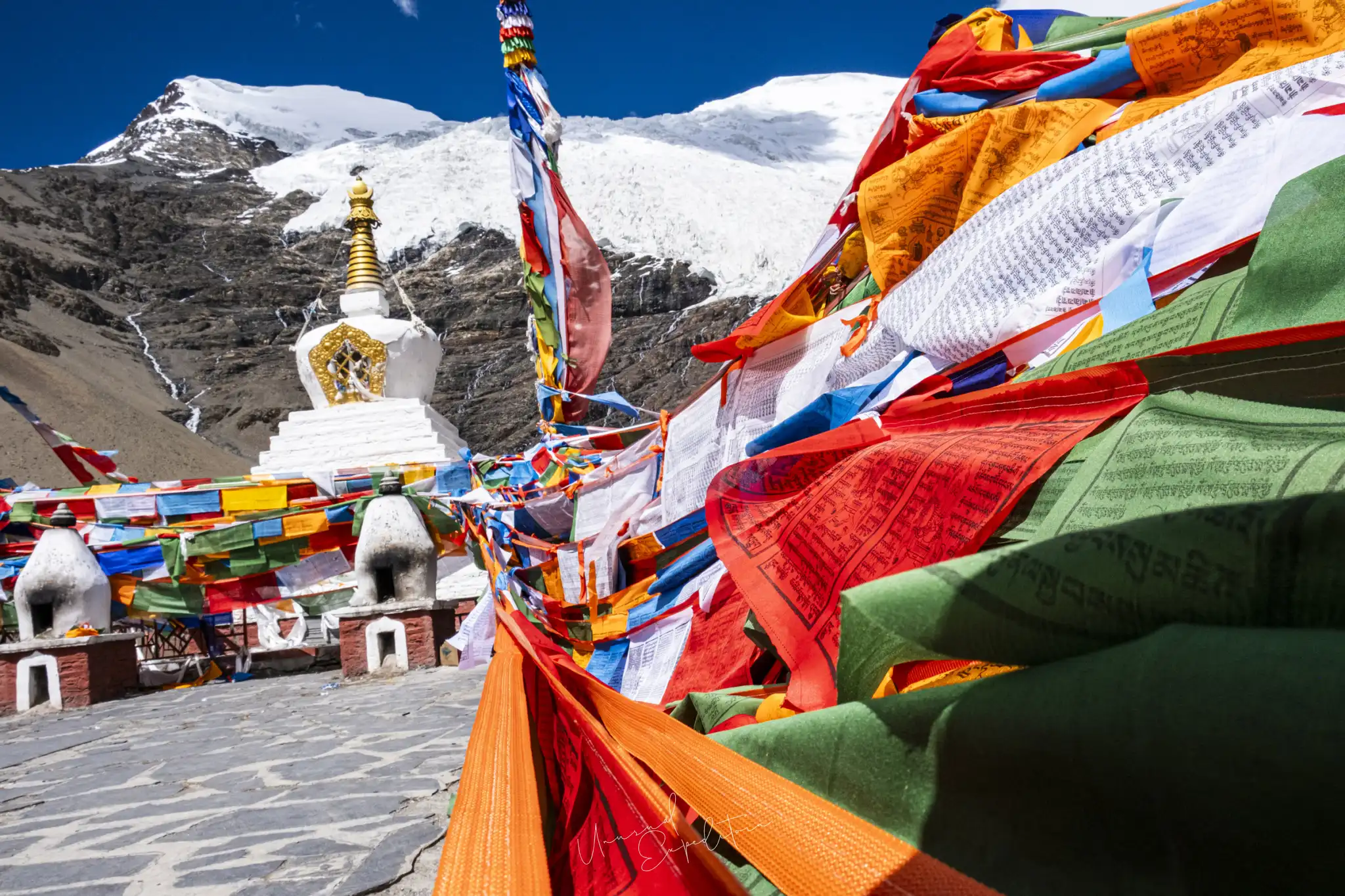
A Tibet photography tour takes you from the monasteries and pilgrims of Lhasa over high passes to turquoise Yamdrok Lake, the Karola glacier and the north face of Everest, all on the Tibetan plateau at 3,650 metres and above. Foreigners need a Tibet Travel Permit and must travel with a licensed agency and guide, so every Tibet trip is a guided trip. The best light and the clearest mountain views come in late spring and from September into October, which is when we go.
Tibet is one of the regions in our China photography tour guide, and this page brings together everything we know about photographing it: the places, the seasons, the permits, the altitude and how we work with monks and pilgrims.
What a Tibet photography tour covers
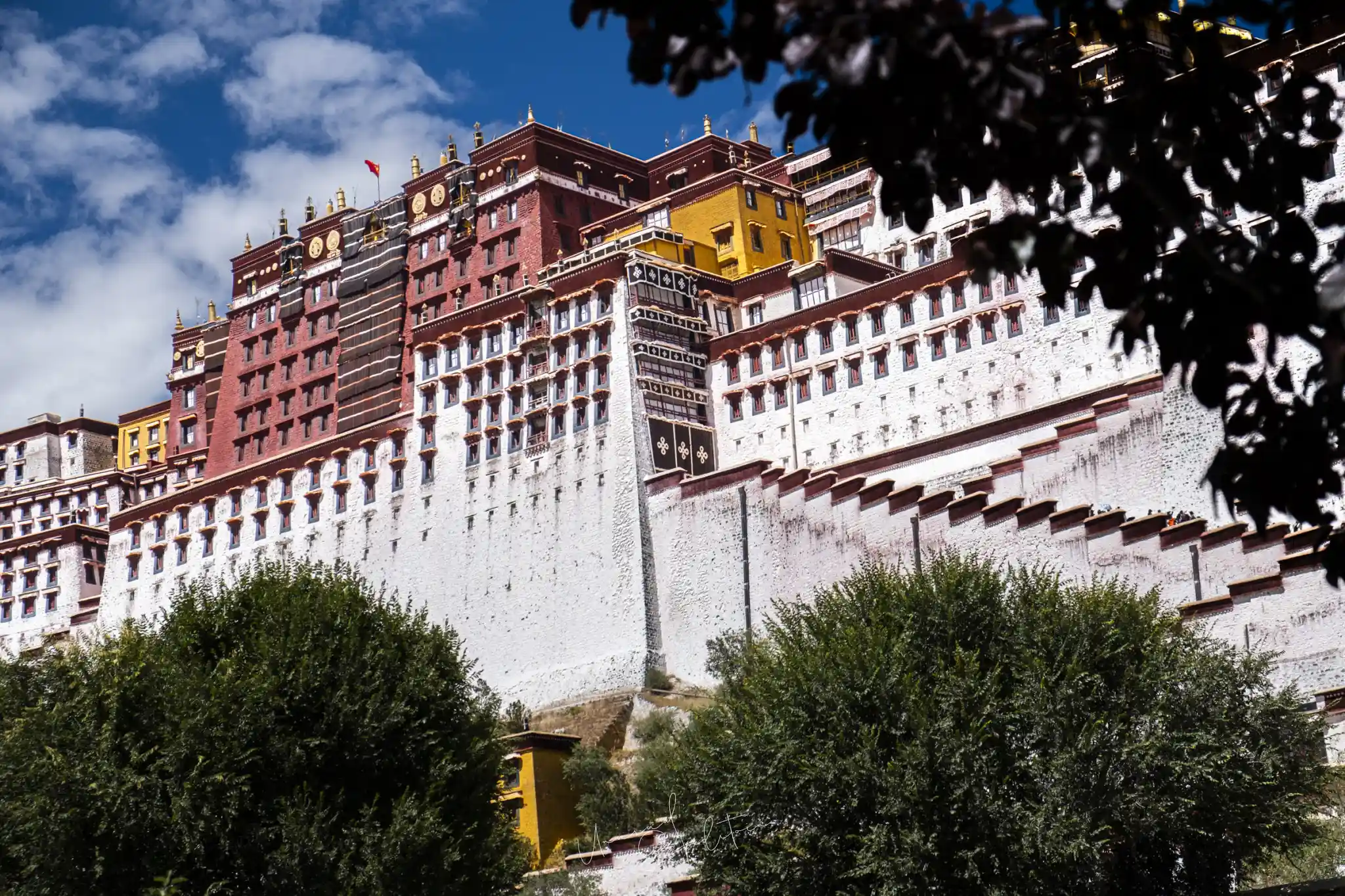
Most first trips to Tibet follow the same broad line: Lhasa first, to rest and acclimatise among the city's great religious buildings, then southwest across the plateau towards Shigatse and the Everest region, and back. Our trip followed that shape. In Lhasa we photographed the Potala Palace, the gilded rooftops of the Jokhang, the monks' debate at Sera Monastery and the pilgrims who walk around the old city. On the road we stopped at Yamdrok Lake, the prayer flags and white stupa below the Karola glacier, and then spent the light at the end of the day on the north face of Everest.
Each of those subjects has its own article. Lhasa photos covers the Potala, the Jokhang and Sera. Everest Base Camp Tibet covers the mountain, the camp and the night sky.
Tibet landscape photography: the plateau, lakes and glaciers
Tibet landscape photography is about scale and clean air. The plateau sits so high that the sky turns a deep blue at midday, clouds throw sharp shadows across bare brown hills, and distant snow peaks look close enough to touch. Yamdrok Lake, one of the three sacred lakes of Tibet, lies at about 4,441 metres and changes from turquoise to deep blue as clouds pass. Further on, the Karola glacier hangs above the road, with lines of prayer flags strung across the pass below it.
The light is hard. On a clear day the sun is fierce from mid morning to mid afternoon, so we use those hours for monasteries, interiors and travel, and save the open landscapes for the first and last light. A polariser helps on the lakes but can turn the high-altitude sky almost black, so use it lightly.
Tibet photography: people, monks and pilgrims
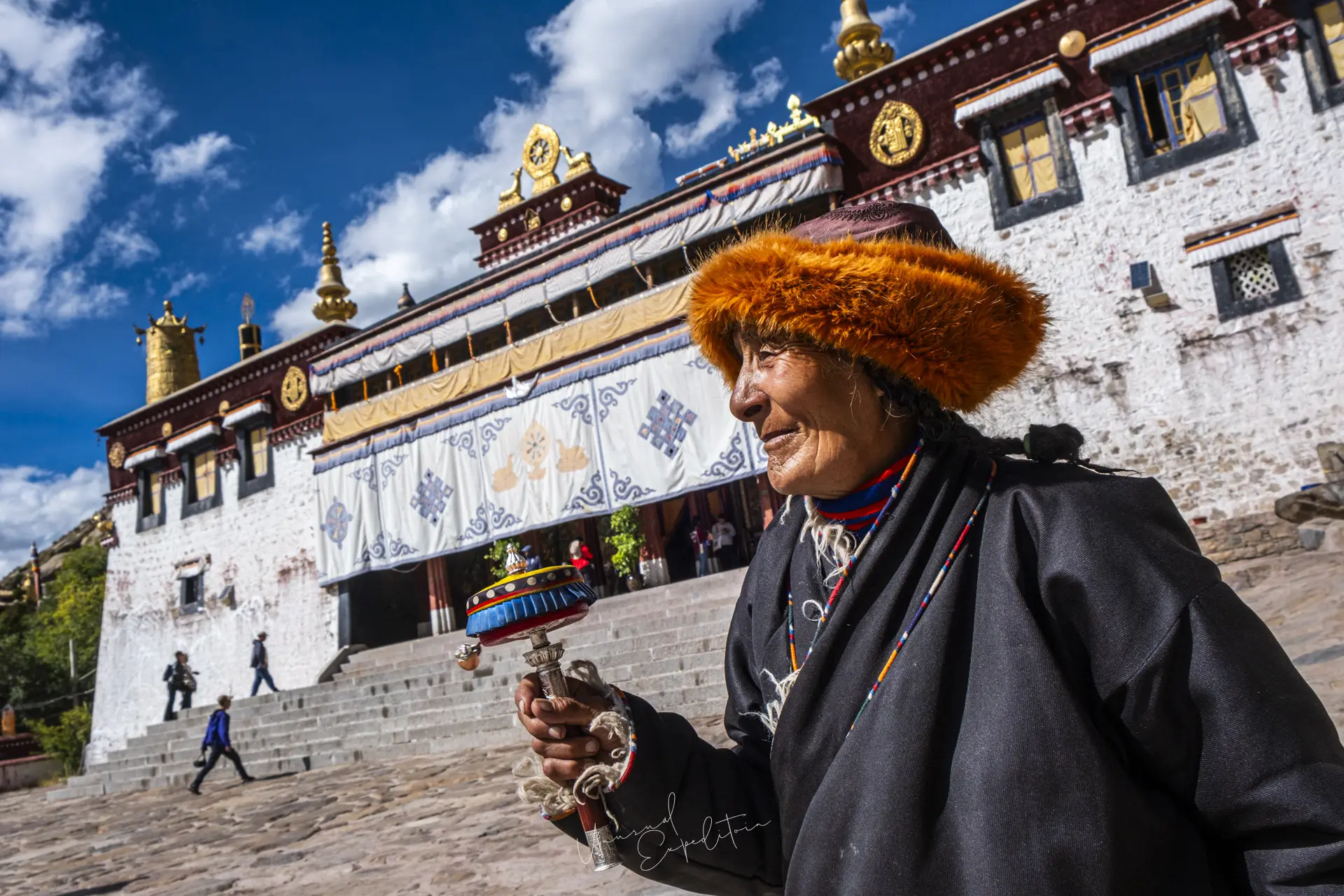
Tibet photography is as much about people as mountains. Pilgrims spin prayer wheels as they walk the circuits around temples, monks gather to debate in monastery courtyards, and families travel from across the plateau to pray in Lhasa. Many people are happy to be photographed when you ask with a smile and a gesture to the camera; some are not, and a shake of the head ends the conversation.
We photograph monks, nuns and pilgrims with respect: ask first, never push a lens into a prayer or a ritual, and step back inside chapels, where photography is often forbidden. Our guide explains the rules of each monastery before we go in.
"In Tibet the light does half the work and the altitude tries to undo it. I keep the first day in Lhasa slow on purpose, because a photographer who is short of breath on day two misses the best pictures on day five."
Joseph Mak, tour leader, Unusual Expedition
Can you go to Tibet without a tour?
No. Foreign visitors to the Tibet Autonomous Region need a Tibet Travel Permit, issued only through a licensed Tibet travel agency, and must travel with a guide on a booked itinerary. That applies even to Singapore passport holders who enter mainland China visa-free. Areas outside Lhasa, including the Everest region, need further permits, which the agency arranges once the permit is in hand. Tibet has closed to foreign visitors at short notice in some years, most often around March, so check the official source before you travel. The full process, step by step, is in our Tibet tour from Singapore guide.
Tibet altitude and how to stay well
Altitude shapes every Tibet trip. Lhasa is at about 3,650 metres, Yamdrok Lake at about 4,441 metres, the Karola glacier road climbs above 5,000 metres, and the monument at Everest Base Camp on the Tibet side reads 5,200 metres. Almost everyone feels it: a headache, short breath on stairs, poor sleep the first night. We plan a slow start in Lhasa, keep days at the highest places short, and ask everyone to see a doctor before the trip and to carry travel insurance that covers high altitude.
| Place | Approximate altitude | What we photograph there |
|---|---|---|
| Lhasa | 3,650 m | Potala Palace, Jokhang, Sera debate, pilgrims |
| Yamdrok Lake | 4,441 m | Turquoise water, hills, decorated yaks |
| Karola glacier road | Above 5,000 m | Glacier, prayer flags, white stupa |
| Everest Base Camp, Tibet side | About 5,200 m | North face at sunset, chortens, night sky |
The table also reads as an order of acclimatisation: each step up should follow a night or more at the one below.
When to go to Tibet
For Tibet photography, May and the weeks from September into October give the clearest air and the best chance of a cloud-free Everest. July and August bring the summer rains and clouds over the mountains. Winter is very cold but clear, with few visitors. Our September trip had sharp blue skies most days and a golden north face at sunset. Month by month detail, with Yamdrok Lake and Everest in each season, is in the best time to visit Tibet for photography.
Camera gear for Tibet
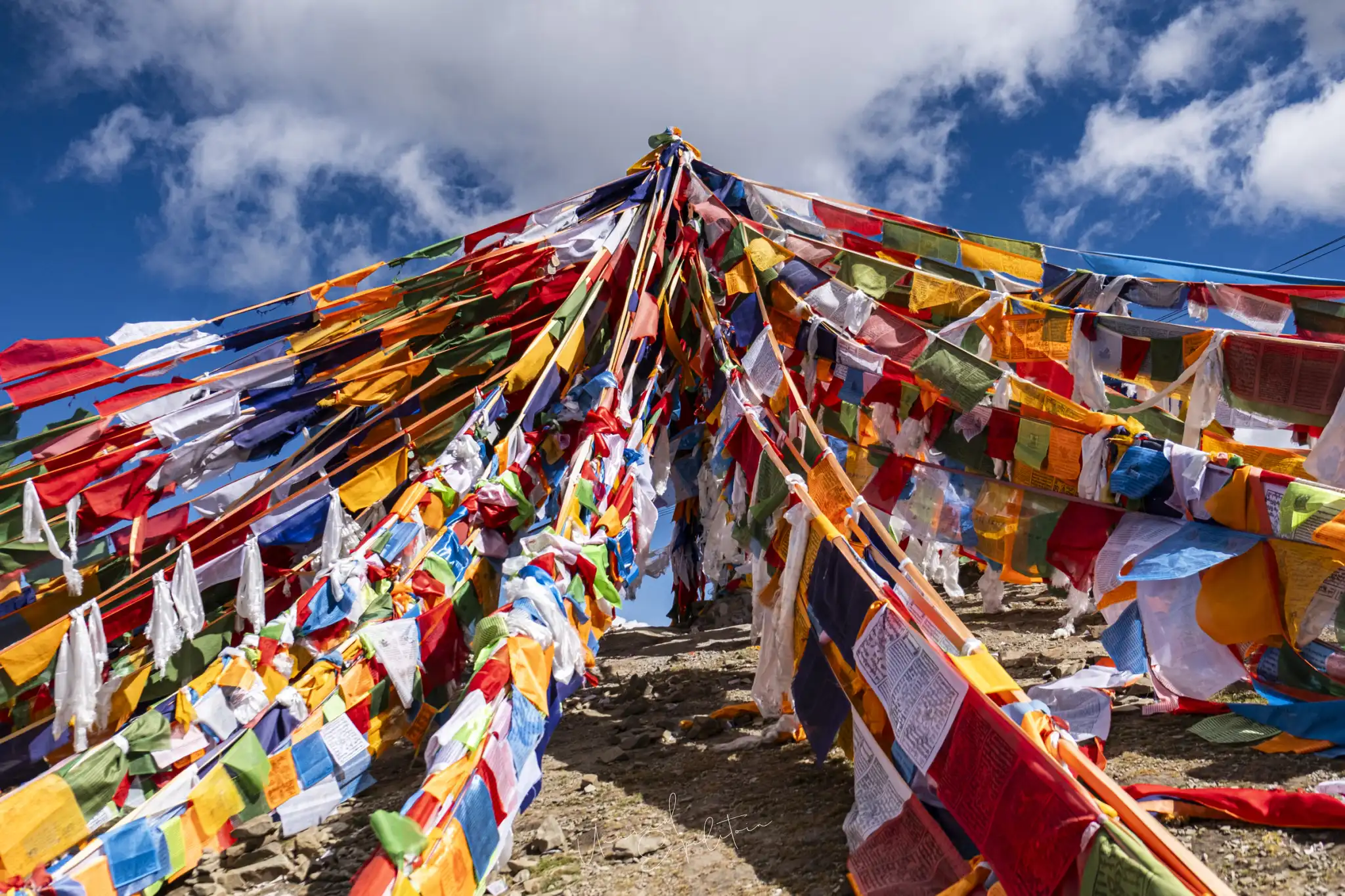
A 24-70mm covers most of Tibet, from monastery courtyards to the lake viewpoints. Add a 70-200mm for Everest, for faces at a respectful distance and for the patterns of prayer flags on a pass. A 16-35mm helps inside temples and for the Potala from close below. Bring more batteries than you think: the cold at Everest drains them fast, and charging points in the tent guesthouses are shared. A small tripod is useful for the stars over Rongbuk. Drones are not permitted without approval, so leave yours at home.
Rules for photographers in Tibet
Do not photograph soldiers, police, checkpoints or military buildings. Photography inside the chapels of the Potala Palace is not allowed, and many monastery halls charge a fee or forbid cameras: our guide will tell you each time. Ask before photographing people. Walk clockwise around temples and stupas, as pilgrims do. Keep captions and posts about what you saw: places, people and light.
Explore Tibet in depth
- Lhasa photos: Potala Palace, Jokhang and Sera Monastery
- Everest Base Camp Tibet: photographing the north face
- Best time to visit Tibet for photography
- Tibet tour from Singapore: permits, altitude and flights
For the rest of the country, from the winter grasslands of Inner Mongolia to the karst hills of Guilin, start from our China photography tour guide.
Photograph Tibet with us
We run Tibet as a private photography trip for small groups, built around the light at Lhasa, Yamdrok Lake and Everest, with a licensed Tibetan agency handling the permits. Scheduled departures across China are listed on our China photography tours page. Write to us if you would like Tibet on the list.
Join the Tibet photography tour
Inner Mongolia Winter Owl Photo Tour – China departs 01 Jan 2027 To 04 Jan 2027, led by Joseph Mak. Small group, photography first. All Tibet photography tours.
Explore Tibet in depth
- Tibet Tour from Singapore: Permits, Altitude and FlightsChina
- Lhasa Photos: Potala Palace, Jokhang and Sera MonasteryChina
- Everest Base Camp Tibet: Photographing the North FaceChina
- Best Time to Visit Tibet for PhotographyChina
Upcoming Photo Tours
- Egypt Photo Tour – EgyptEgypt 12 Dec 2026 To 20 Dec 2026
- Inner Mongolia Winter Owl Photo Tour – ChinaChina 01 Jan 2027 To 04 Jan 2027
- Inner Mongolia Winter Photo Tour – ChinaChina 05 Jan 2027 To 11 Jan 2027
- Mekong And Central Highland Vietnam Photo Tour - VietnamVietnam 16 Jan 2027 To 24 Jan 2027