
Best Time to Visit Bolivia for Photography, Month by Month
Best time to visit Bolivia: dry season for hexagons and lagoons, wet season for the Uyuni mirror, La Paz and Titicaca by month.
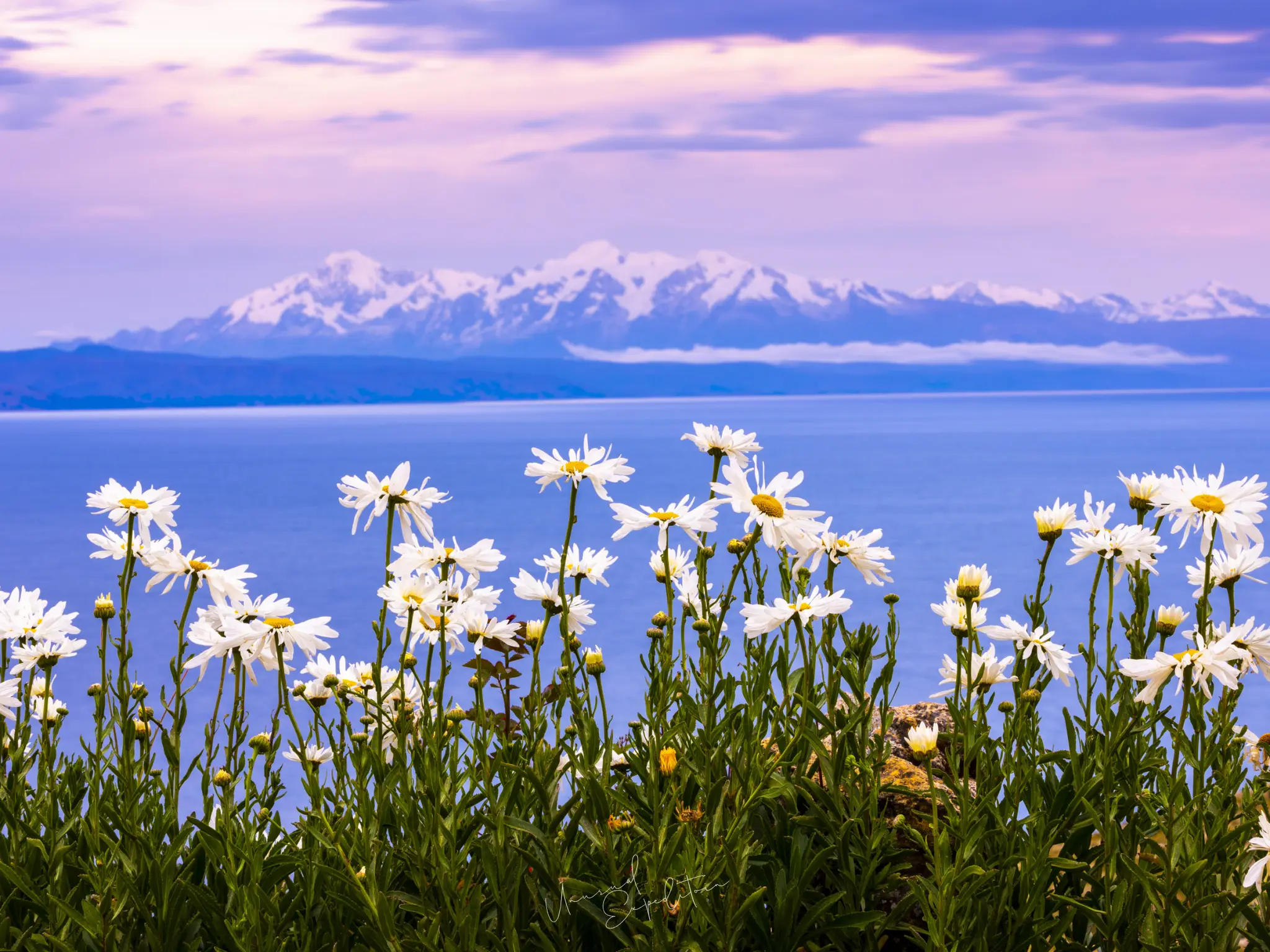
The best time to visit Bolivia for photography is the dry season, roughly May to November, when skies over the Altiplano are clear, roads to the southwest lagoons are open and the Uyuni salt shows its hexagon crust. The exception is the Uyuni mirror, which needs the wet season, broadly December to April. La Paz and Lake Titicaca work all year, with clearer views in the dry months and the big festivals spread across both seasons.
Our Bolivia photography tour guide introduces each region; this page lines them up month by month so you can choose the weeks that suit the pictures you want.
Best time to visit Bolivia: the two seasons
Bolivia's Altiplano has two seasons, and both are named for rain, not temperature. The wet season runs broadly from December to April, with the heaviest rain usually from January to March; afternoons bring cloud and storms, mornings are often clear, and the salt flat floods in places. The dry season runs from about May to November; days are sunny, the air is very clear and nights are cold, coldest in June, July and August, when the high southwest drops far below freezing. Because Bolivia is in the southern hemisphere, the dry season is also its winter. For landscape photographers the dry months are more dependable; for anyone who wants storm skies and reflections, the wet months are more exciting. Neither is a bad time to go.
Best time to visit Bolivia salt flats
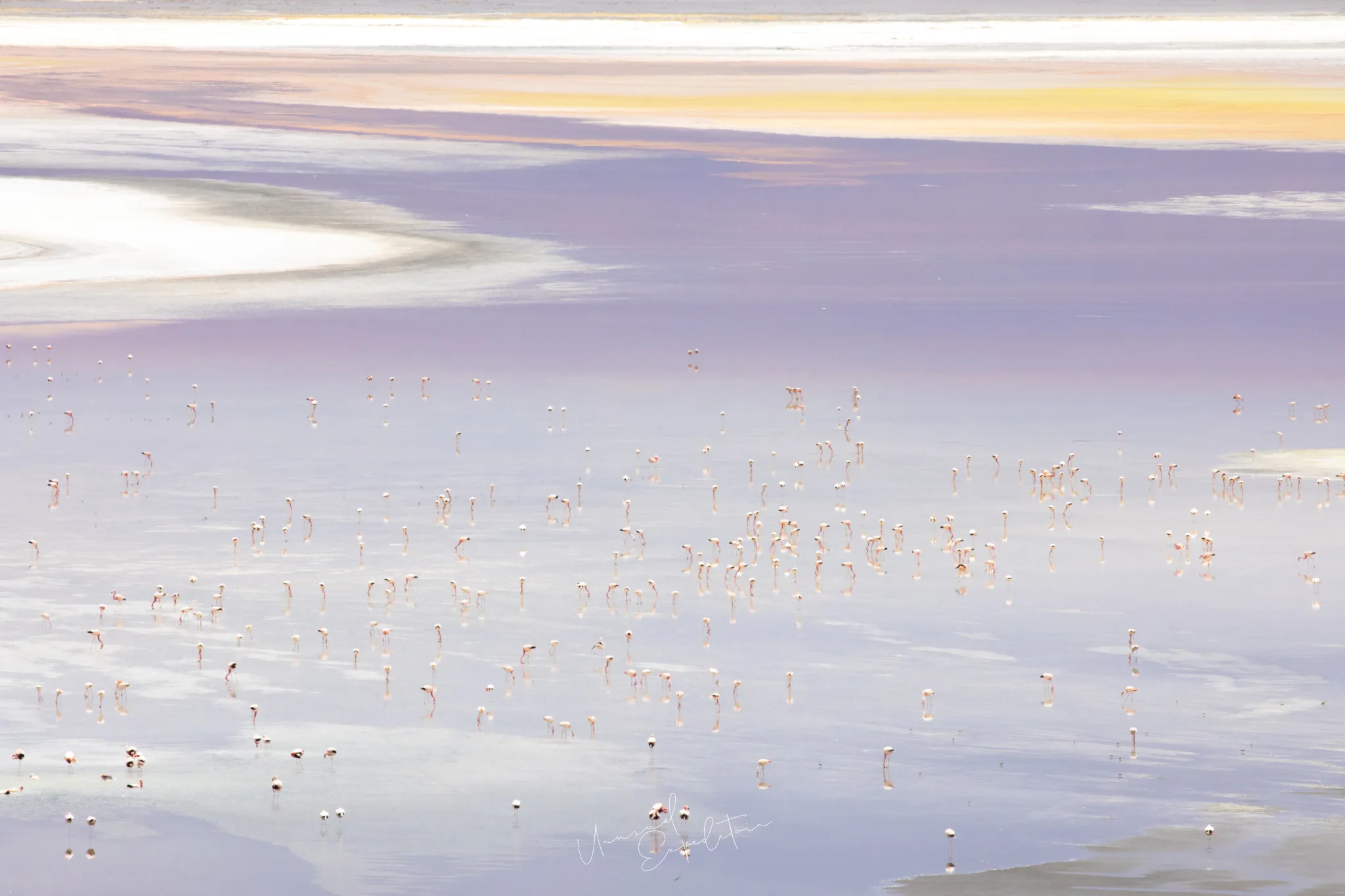
The best time to visit Bolivia salt flats depends on the picture. For the famous mirror on the Salar de Uyuni, when a film of rainwater reflects the sky, go from January to March, and accept the risk of flooded tracks and days of grey. For the dry white crust and its hexagons, go from May to November. The shoulder months, April and around December, can give both: dry crust in one place, standing water a little further out. Our own salt days fell in one of those turns of the season, and the frames show it. The detail, with a month-by-month table for the salt alone, is in our best time to visit Uyuni salt flats article.
La Paz Bolivia weather by month
La Paz Bolivia weather by month follows the same pattern as the rest of the Altiplano, softened a little by the city's sheltered bowl. From December to March, expect afternoon showers and cloud over Illimani, with mornings often bright. From May to August, days are dry and sunny and nights are cold, and the snow peaks above the city are at their sharpest. The shoulder months are mild and changeable. For photography in La Paz, the season matters less than the hour: soft light comes in the morning and late afternoon, and the cable car views over the city are best in the clear dry-season air. The festivals set their own calendar. UNESCO lists both the Alasitas fair, which opens in January, and the Gran Poder festival, usually held in May or June, as intangible cultural heritage, and both fill the streets with colour.
Best time to visit Bolivia and Peru together
The best time to visit Bolivia and Peru together is the dry season, roughly May to October. The same Andean weather pattern covers Cusco, Machu Picchu and Lake Titicaca, so the months that give clear skies over the Inca sites also give clear skies on the salt and the lagoons. Crossing between the two countries at Lake Titicaca is the classic route, and the lake is at its bluest under a dry-season sky. If the Uyuni mirror is essential, a combined trip in the wet season still works, but expect rain on the Peruvian side too, and closures on some trails and roads in the wettest weeks. Many travellers fly into Lima, photograph Peru first and finish on the salt.
Bolivia photography month by month
| Months | La Paz and El Alto | Lake Titicaca | Salar de Uyuni | Southwest lagoons |
|---|---|---|---|---|
| January to March | Showers, Alasitas fair in January | Cloudy afternoons, green shores | Mirror most likely | Some routes can close |
| April | Drying, mild | Clearing | Mirror in patches | Opening up |
| May and June | Dry, clear; Gran Poder festival | Clear, blue water | Dry crust, hexagons | Open, cold |
| July and August | Dry, cold nights | Sharpest views of the Cordillera Real | Hard crust, clear nights | Coldest, best stars |
| September and October | Dry, warmer, windy | Clear | Dry crust | Open, windy afternoons |
| November | First showers possible | Clouds returning | Dry crust | Open |
| December | Rain beginning | Cloud and storms | Crust and early water | Mostly open |
The column that varies most is the salt; plan around it, and the other regions will fit.
"If someone asks me for one month, I say think about the picture first. The mirror and the hexagons are two different trips. After that, the cold is the only thing to plan for, because Bolivia in the dry season is cold in a way people from Singapore do not expect."
Joseph Mak, tour leader, Unusual Expedition
Festivals and street photography through the year
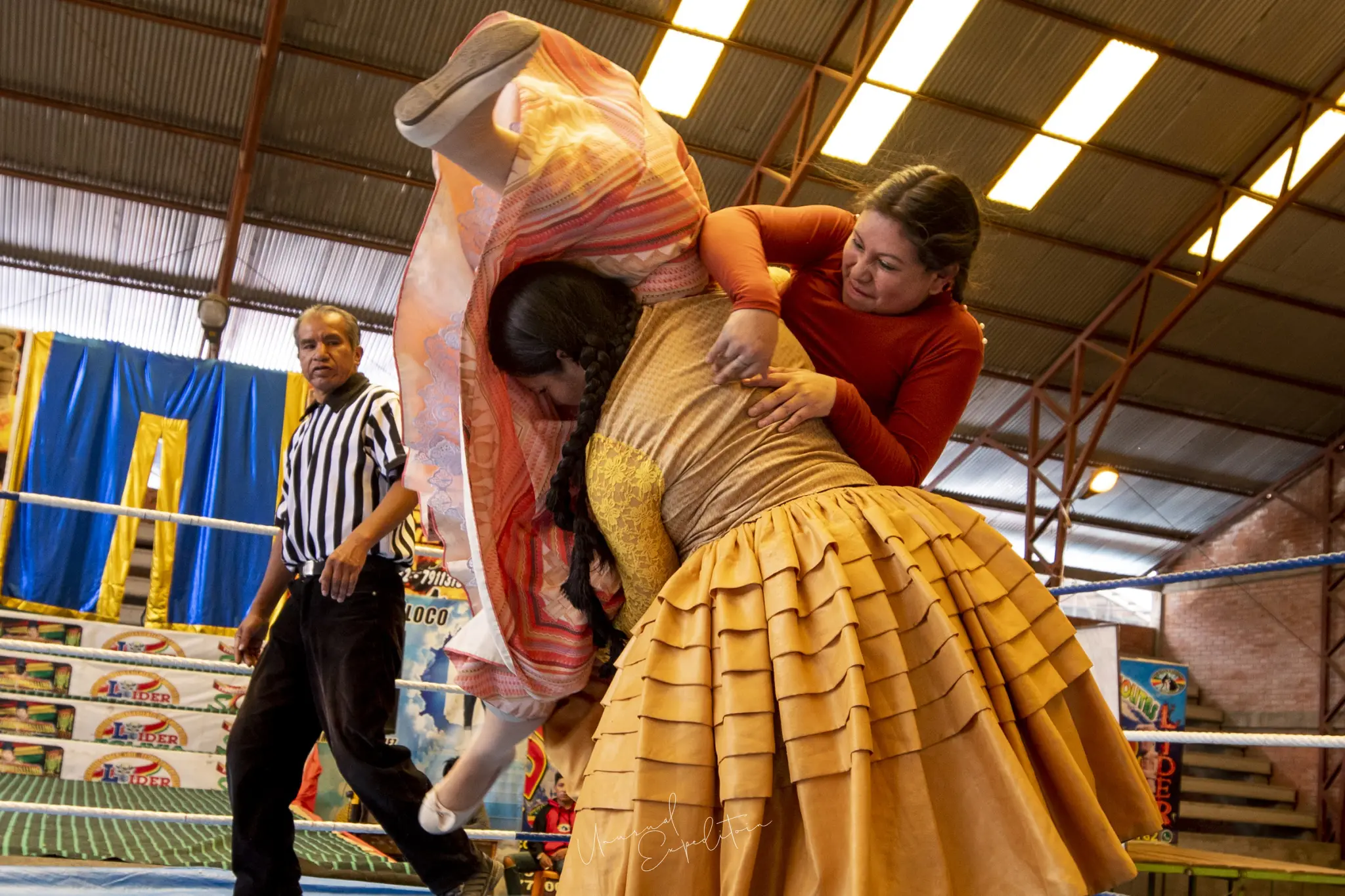
Festivals give Bolivia's best street photography, and some of the biggest fall in the wet season. The Carnival of Oruro, held before Lent in February or early March and recognised by UNESCO, is the most famous, with thousands of dancers in diablada devil masks and embroidered costumes. In La Paz, the Gran Poder parade fills the city with dance groups, and smaller saints' days and parades happen year-round. Cholita wrestling in El Alto runs most weeks, usually on Sundays, regardless of season, and photographing it is part of the fun. On our La Paz days we found a street parade in full swing, a reminder that in Bolivia the calendar is full even when no famous festival is on.
Best time to visit Bolivia: our recommendation
For a first photography trip to Bolivia that covers La Paz, Lake Titicaca, the salt and the lagoons, choose the dry season, May to October, with a slight preference for its shoulders, May and September or October, when the cold is less extreme. Choose January to March only if the mirror matters more than anything else, and allow spare days for weather. Pack for winter in any month, and plan the trip to climb gradually, from La Paz to the salt and only then to the high southwest. Questions about visas, altitude and safety are answered in our Bolivia photography trip FAQ.
Choose your Bolivia season with us
We run Bolivia as a private trip on request, timed for the pictures you want, mirror or crust, festival or lagoon. Private tours suit individuals, couples, families and photographers at their own pace, and we arrange all the logistics. With no tour leader travelling, the cost can be lower than our group tours; a photographer or photography coaching can be added at extra cost. Ask at least two months ahead if you can. See private tours and our Bolivia photography tours page.
Ask us about the best time for Bolivia
Bolivia photography tours
The next Bolivia departure is announced on the Bolivia photography tours page, with previous expeditions and all the planning guides.
Explore Bolivia in depth
- Bolivia Photography Tour: La Paz, Lake Titicaca and the Uyuni Salt FlatsBolivia
- Cholita Wrestling La Paz: Where, Tickets and How to Photograph ItBolivia
- Bolivia Photography Trip FAQ: Safety, Visa, Altitude and Cholita WrestlingBolivia
Upcoming Photo Tours
- Egypt Photo Tour – EgyptEgypt 12 Dec 2026 To 20 Dec 2026
- Inner Mongolia Winter Owl Photo Tour – ChinaChina 01 Jan 2027 To 04 Jan 2027
- Inner Mongolia Winter Photo Tour – ChinaChina 05 Jan 2027 To 11 Jan 2027
- Mekong And Central Highland Vietnam Photo Tour - VietnamVietnam 16 Jan 2027 To 24 Jan 2027