
Bolivia Photography Trip FAQ: Safety, Visa, Altitude and Cholita Wrestling
Is Bolivia safe to travel to, visa for Singaporeans, altitude sickness, cholita wrestling in La Paz and photographing people.
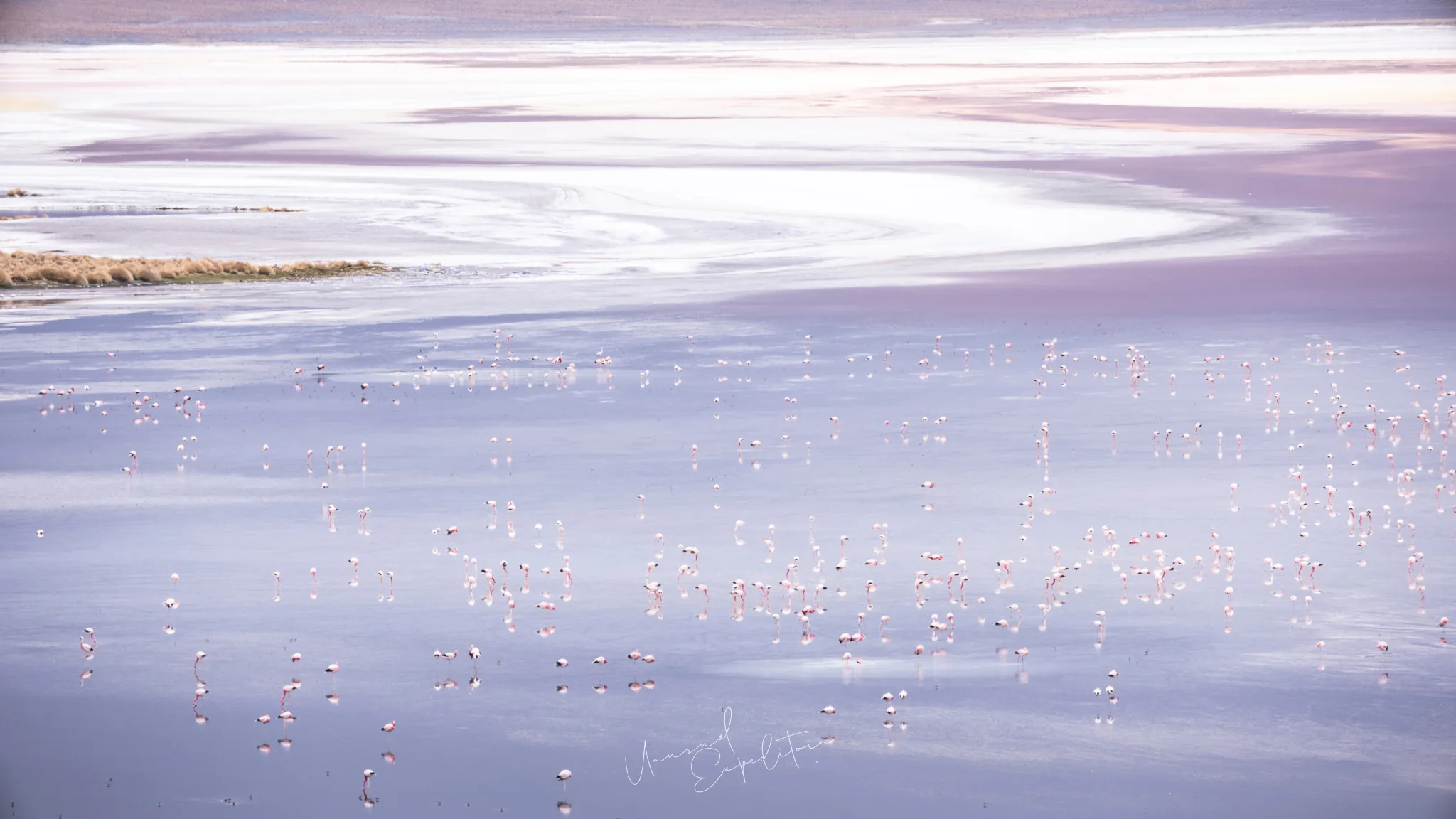
Is Bolivia safe to travel to? For most visitors yes, with flexible plans and local support, though protests and road blockades are a real risk to schedules. That is the first of the questions we hear most about a Bolivia photography trip. The others: Singaporeans need a visa arranged before travel, nearly every visitor feels the altitude for the first days, and photographing people goes well when you ask first. The answers below go into each one.
For the bigger picture, start with our Bolivia photography tour guide, which introduces La Paz, Lake Titicaca and the Uyuni region.
Is Bolivia safe to travel to?
Bolivia is safe to travel to for most visitors, and the problems that do affect travellers are mostly about disruption, not crime against tourists. As at November 2026, Singapore's Ministry of Foreign Affairs advises Singaporeans in Bolivia to exercise a high degree of caution and to avoid crowds and demonstrations, after protests and road blockades in La Paz and other parts of the country, along with shortages of fuel and some goods. The UK FCDO advises against all but essential travel only to the Chapare region of Cochabamba, which is far from La Paz, Titicaca and Uyuni, and tells travellers not to try to cross roadblocks. In practice, that means building spare days into a trip, travelling with a local team who follow the news, and keeping valuables out of sight in busy parts of La Paz, as in any big city. Singapore has no embassy in Bolivia, so eRegister with the MFA before you go.
Bolivia visa on arrival for Singaporean passport holders?
Do not count on a Bolivia visa on arrival for Singaporean passport holders. Several travel websites claim visa-free entry or a visa on arrival, but they contradict each other, and Singapore's Ministry of Foreign Affairs states that Singaporeans require a visa for entry into Bolivia. The MFA directs travellers to the nearest Bolivian embassy or to Bolivia's Ministry of Foreign Affairs for the current process. Apply well ahead, keep copies of every document with you, and check the official source before you travel, because requirements and procedures change. The practical side of reaching Bolivia, from flights to money, is in our guide to getting to Uyuni.
Bolivia altitude sickness: how bad is it?
Bolivia altitude sickness is the one thing almost everyone notices. La Paz lies between about 3,250 and 4,100 metres, according to Britannica, the Uyuni salt flat at about 3,656 metres and the southwest lagoons and geysers well above 4,000. In the first days most people feel some breathlessness, a headache, poor sleep or a loss of appetite. It usually eases. See a doctor before the trip, especially if you have a heart or lung condition, and ask about medication. On the ground, go slowly, drink plenty of water, skip alcohol for the first days and keep camera bags light. Plan the route to climb gradually, with the highest places at the end. Severe or worsening symptoms mean going lower, and your travel insurance should cover high altitude and evacuation.
Cholita wrestling La Paz: how to see and photograph it
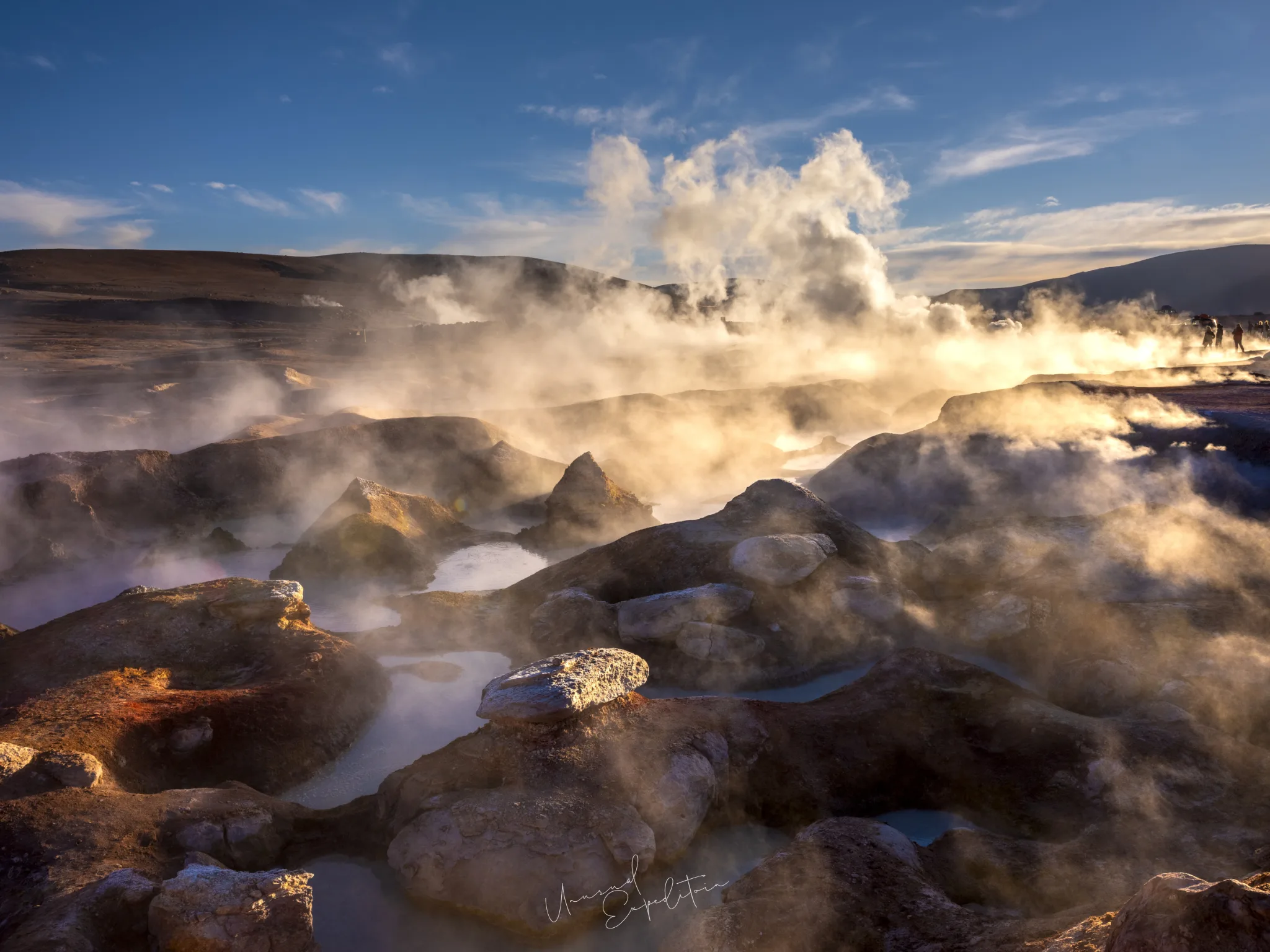
Cholita wrestling in La Paz actually takes place in El Alto, the city on the plateau above, where women wrestlers in the full dress of the cholita, bowler hat, braids, shawl and layered pollera skirts, fight alongside masked male wrestlers in a show that mixes sport, comedy and theatre. National Geographic has described how the wrestlers turned a once-mocked dress into a source of pride. Shows are usually held on Sundays, but venues have changed over the years, so check the current location locally; tickets are sold at the door or through tour agencies in La Paz, some with ringside seats. Photography is welcome. A 24-70mm and a high ISO cope with the hall's mixed light, and a fast shutter freezes the spinning skirts. The best frames come from the ringside corners, where you can shoot across the ring with the crowd behind.
"Cholita wrestling is the most fun you can have with a camera in La Paz. It is loud, it is theatrical, and the wrestlers love a good photograph. Sit close, watch how they move, and be ready when the skirts start to spin."
Joseph Mak, tour leader, Unusual Expedition
Can I photograph people in Bolivia?
You can photograph people in Bolivia, but ask first. Many women in La Paz and on the Altiplano prefer not to be photographed by strangers, and some expect a small payment when they pose for a portrait, especially at tourist sites. A smile, a gesture to the camera and acceptance of a no go a long way. Buying something at a market stall is often the start of a conversation that ends with a portrait. Festivals, parades and the wrestling are different: people are performing and expect cameras, though children should still be photographed only with a parent's consent. Avoid photographing police and military posts and protests.
Lake Titicaca: Bolivia or Peru side?
Lake Titicaca can be photographed from both sides, and which one suits you depends on the pictures you want. The Bolivian side, around Copacabana and the Isla del Sol, has the view east to the snow peaks of the Cordillera Real across the water and a quieter, rural feel. The Peruvian side, from Puno, has the Uros floating reed islands and their reed boats. Many trips do both, crossing the border on the lake shore. Our own Titicaca frames include the Uros islands on the Peruvian side and the Cordillera Real seen across the water. In either country, the clearest views come in the dry season, from about May to October; our best time to visit Bolivia guide has the month-by-month detail.
What camera gear should I bring to Bolivia?
| Subject | Lens | Extras |
|---|---|---|
| La Paz streets and markets | 24-70mm or a 35mm prime | Small bag, nothing flashy |
| Cholita wrestling | 24-70mm | High ISO, fast shutter |
| Salt flat and Titicaca landscapes | 16-35mm, 24-70mm | Tripod, ND and polarising filters |
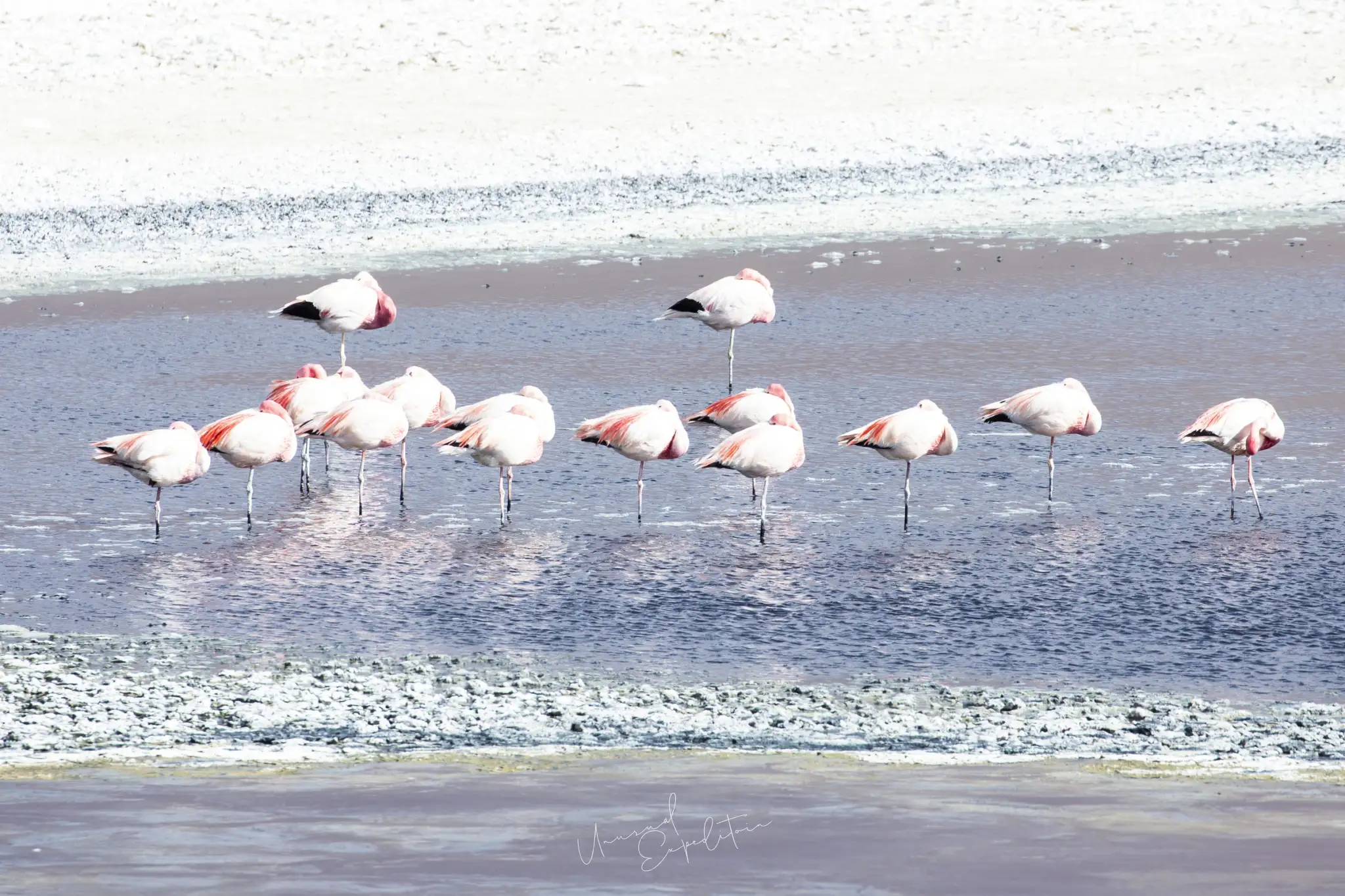
| Flamingos | 100-400mm | Converter, bean bag for the vehicle |
| Night sky | Fast wide lens | Headlamp with red light, warm batteries |
Cold and dust are harder on gear than weight, so bring spare batteries, a blower and lens cloths before you add another lens.
Is Bolivia a good place for a photography tour?
Bolivia is one of the best places in South America for a photography tour, because it packs extremes into one high plateau: the biggest salt flat in the world, coloured lagoons full of flamingos, a sky dark enough for the Milky Way, and a capital where tradition is worn in the street every day. It is also demanding: high, cold, sometimes disrupted, and far from Singapore. Most of what makes it hard is solved by pace, a good local team and time at the right hours. The Uyuni region is covered in depth in our Uyuni photography tour guide.
Ask us your Bolivia question
We run Bolivia as a private trip on request, for individuals, couples, families and photographers travelling at their own pace. We arrange the logistics, from the visa checklist to the time on the salt, and because no tour leader travels, the cost can be lower than our group tours. A photographer or photography coaching can be added at extra cost. Ask at least two months ahead if you can; last-minute trips can be arranged. See private tours and our Bolivia photography tours page.
Bolivia photography tours
The next Bolivia departure is announced on the Bolivia photography tours page, with previous expeditions and all the planning guides.
Explore Bolivia in depth
- Bolivia Photography Tour: La Paz, Lake Titicaca and the Uyuni Salt FlatsBolivia
- Cholita Wrestling La Paz: Where, Tickets and How to Photograph ItBolivia
- Best Time to Visit Bolivia for Photography, Month by MonthBolivia
Upcoming Photo Tours
- Egypt Photo Tour – EgyptEgypt 12 Dec 2026 To 20 Dec 2026
- Inner Mongolia Winter Owl Photo Tour – ChinaChina 01 Jan 2027 To 04 Jan 2027
- Inner Mongolia Winter Photo Tour – ChinaChina 05 Jan 2027 To 11 Jan 2027
- Mekong And Central Highland Vietnam Photo Tour - VietnamVietnam 16 Jan 2027 To 24 Jan 2027