
Best Time to Photograph New Zealand, Month by Month
The best time to visit New Zealand for photography: autumn colour and winter snow, with a month by month table across the regions.
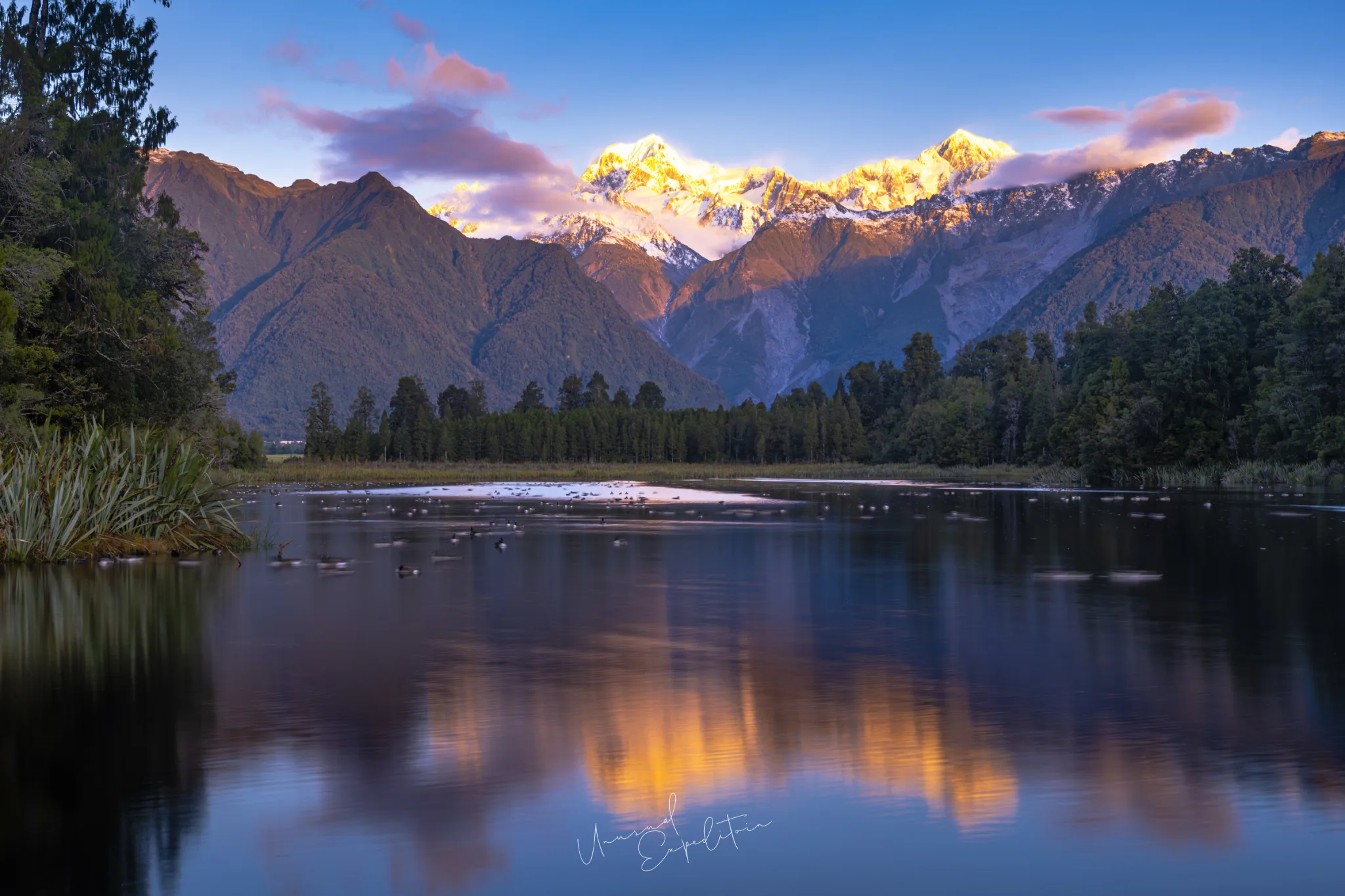
The best time to visit New Zealand for photography is autumn, from March to May, and winter, from June to August. Autumn turns the planted poplars and willows of the South Island gold under the first snow on the ranges, and the mornings are often still enough for reflections. Winter brings snow down to the lakes, long clear nights for the stars and far fewer people at the famous viewpoints. Spring and summer have their own pictures, lupins and long evenings, but busier roads.
This article belongs to our New Zealand photography tour guide, which introduces every region we cover. Below is a month by month view across the regions, then a closer look at each season and what it does to the light.
Best time to visit New Zealand, month by month
Tourism New Zealand sets out the southern hemisphere seasons: summer from December to February, autumn from March to May, winter from June to August and spring from September to November. For a photographer the months look like this.
| Month | Season | What it gives a photographer |
|---|---|---|
| January | Summer | Long days, green high country, late sunsets; short nights for astrophotography; busiest roads |
| February | Summer | Settled weather in the south, warm lakes, crowds easing at the end of the month |
| March | Autumn | Cooler mornings, first colour on the high-country trees, darker nights returning |
| April | Autumn | Peak gold in Central Otago, Queenstown and the Mackenzie; mist on still lakes; Arrowtown's autumn festival |
| May | Autumn | Last leaves, first snow on the ranges, quieter towns |
| June | Winter | Ski fields usually open, snow on the peaks, long nights |
| July | Winter | Usually the coldest month; frost, hoar, snow to the lakeshores some years; clear dark skies |
| August | Winter | Deep snow on the ranges, longer days returning, the best winter light on the lakes |
| September | Spring | Snowmelt, full waterfalls, changeable weather |
| October | Spring | Blossom in the towns, lambs in the paddocks, wind and showers |
| November | Spring | Lupins reported to start flowering late in the month in the Mackenzie |
| December | Summer | Lupins, long evenings, school holidays and busy viewpoints |
April and the winter months are where the two things photographers want most, colour or snow and empty foregrounds, coincide.
Autumn, March to May: our favourite season
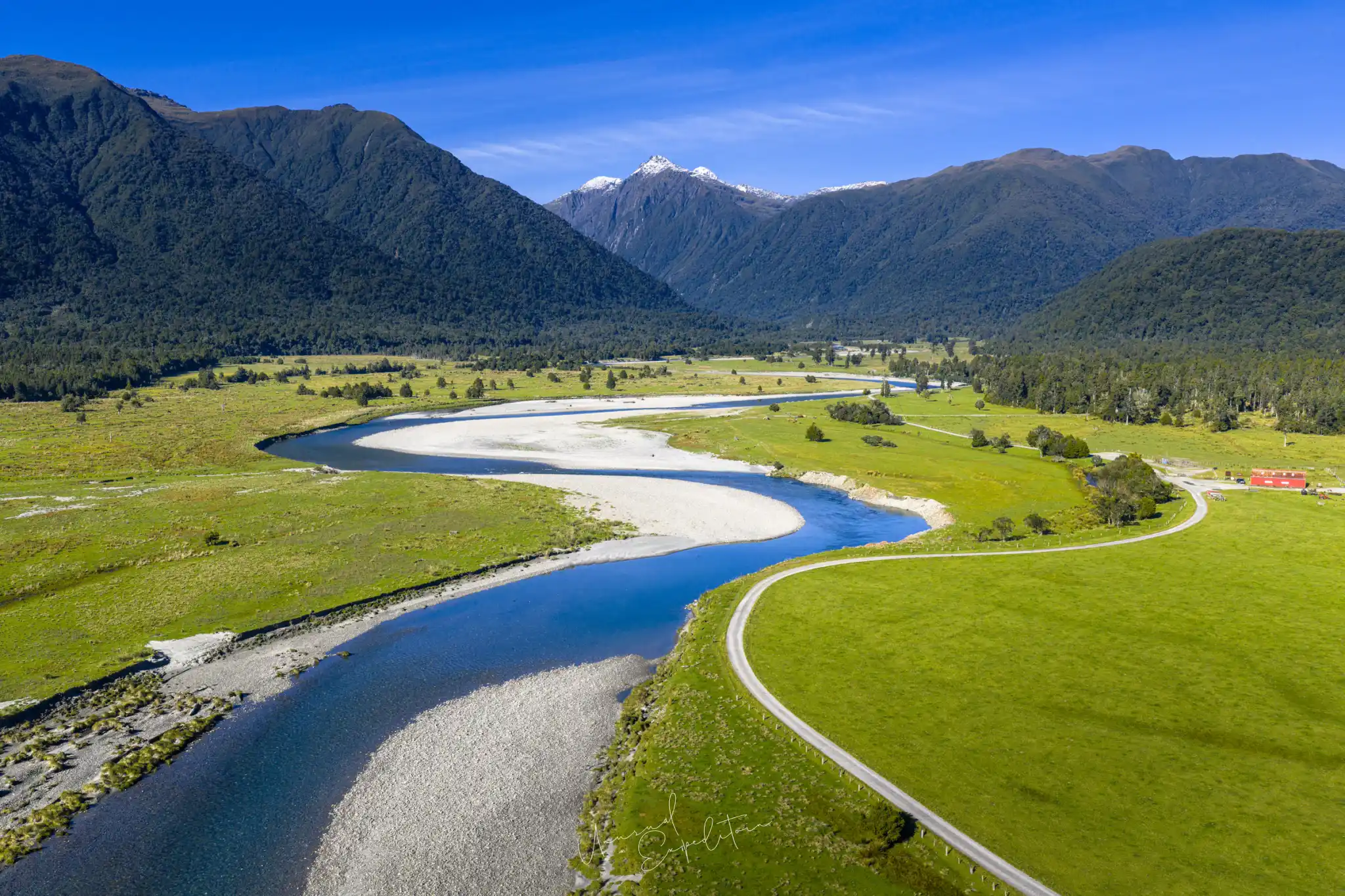
Autumn is when we have photographed the South Island most, and it is the season we would recommend first. The colour is not native forest, which stays green, but the poplars, willows, larches and sycamores planted by settlers along rivers, lakes and town streets. Queenstown NZ, the regional tourism body, puts the best colour around Queenstown and Arrowtown from mid April into May, and the Mackenzie follows a similar rhythm. Cold clear nights after rain often leave mist lying on the lakes at dawn, which is when Glenorchy, Wanaka and the small lakes of the basin are at their best. Our Lake Tekapo in April and Queenstown autumn articles go into the detail for those two areas.
Best photography for winter in New Zealand
Winter on the South Island is the harder season for driving and the better one for light. Snow sits on The Remarkables above Queenstown and on the ranges behind Lake Tekapo, frost whitens the tussock, and the low sun keeps the light warm for much of the day. Nights are long, so there is time to photograph the Milky Way over the Mackenzie and still sleep. The best photography for winter in New Zealand is snow over still water: Lake Wakatipu from the quieter shores near Jack's Point, That Wanaka Tree with white peaks behind it, the church at Tekapo with snow to the horizon. Alpine roads such as the Crown Range and the Milford Road can close after snow, so plans need room to move; this is the season our scheduled South Island tour is built around.
Spring, September to November
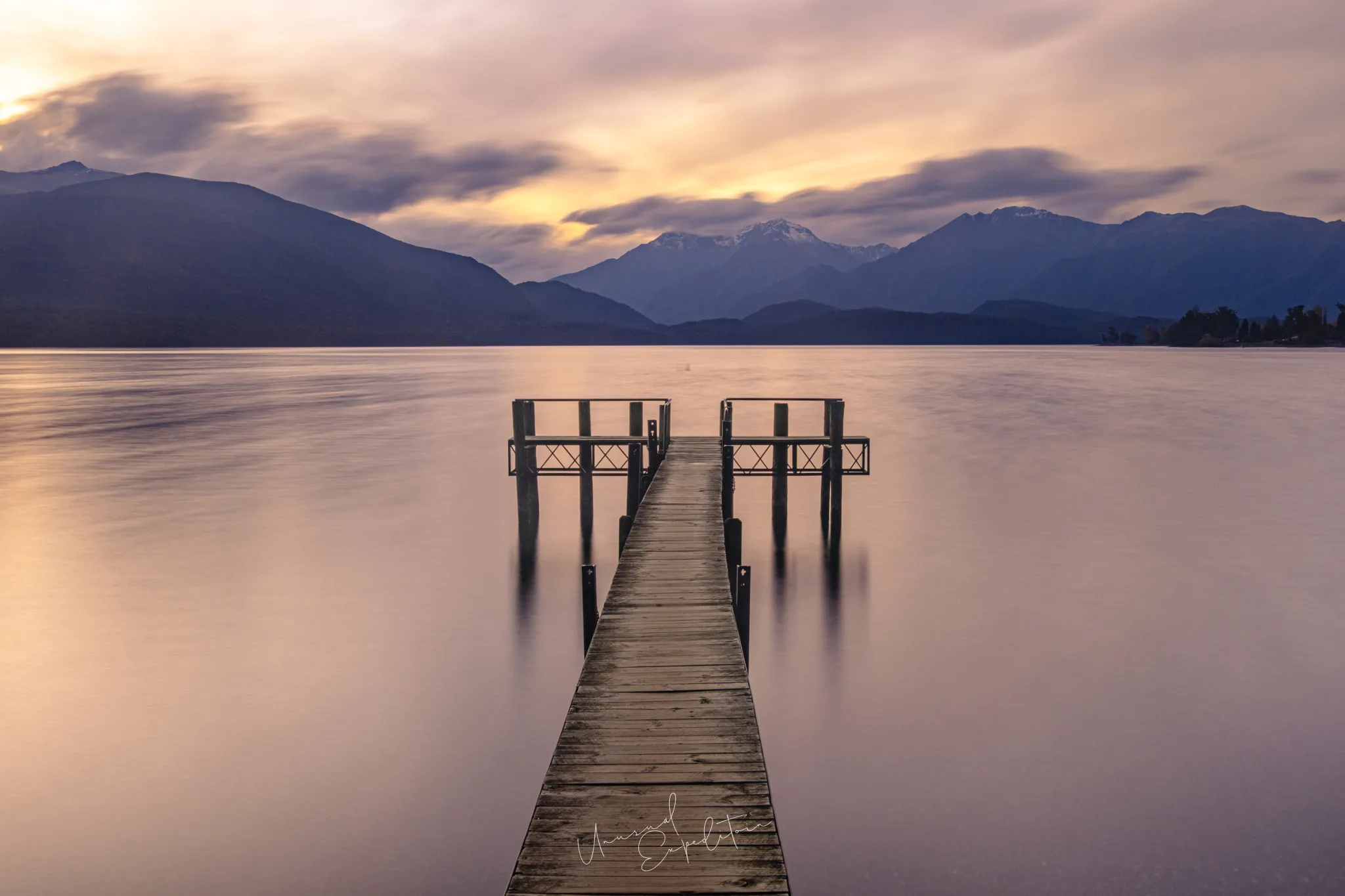
Spring is changeable, with wind and showers between bright days, but snowmelt fills the waterfalls and the hills turn a fresh green. Lambs are in the paddocks across Canterbury and Otago, and blossom appears in town gardens. The Russell lupins of the Mackenzie, introduced plants that line roadsides and riverbeds, are widely reported to start flowering in late November and peak into December. We have not photographed them ourselves, so we mention them as a season to consider, not a promise.
Summer, December to February
Summer is the busiest season, with school holidays and long days. Sunset comes late and the evening light lasts, but short nights make astrophotography harder at Tekapo. The high country turns green and gold with grass, and the lakes are at their bluest. Expect queues at the best known viewpoints and book everything early.
Best time to visit New Zealand South Island, by region
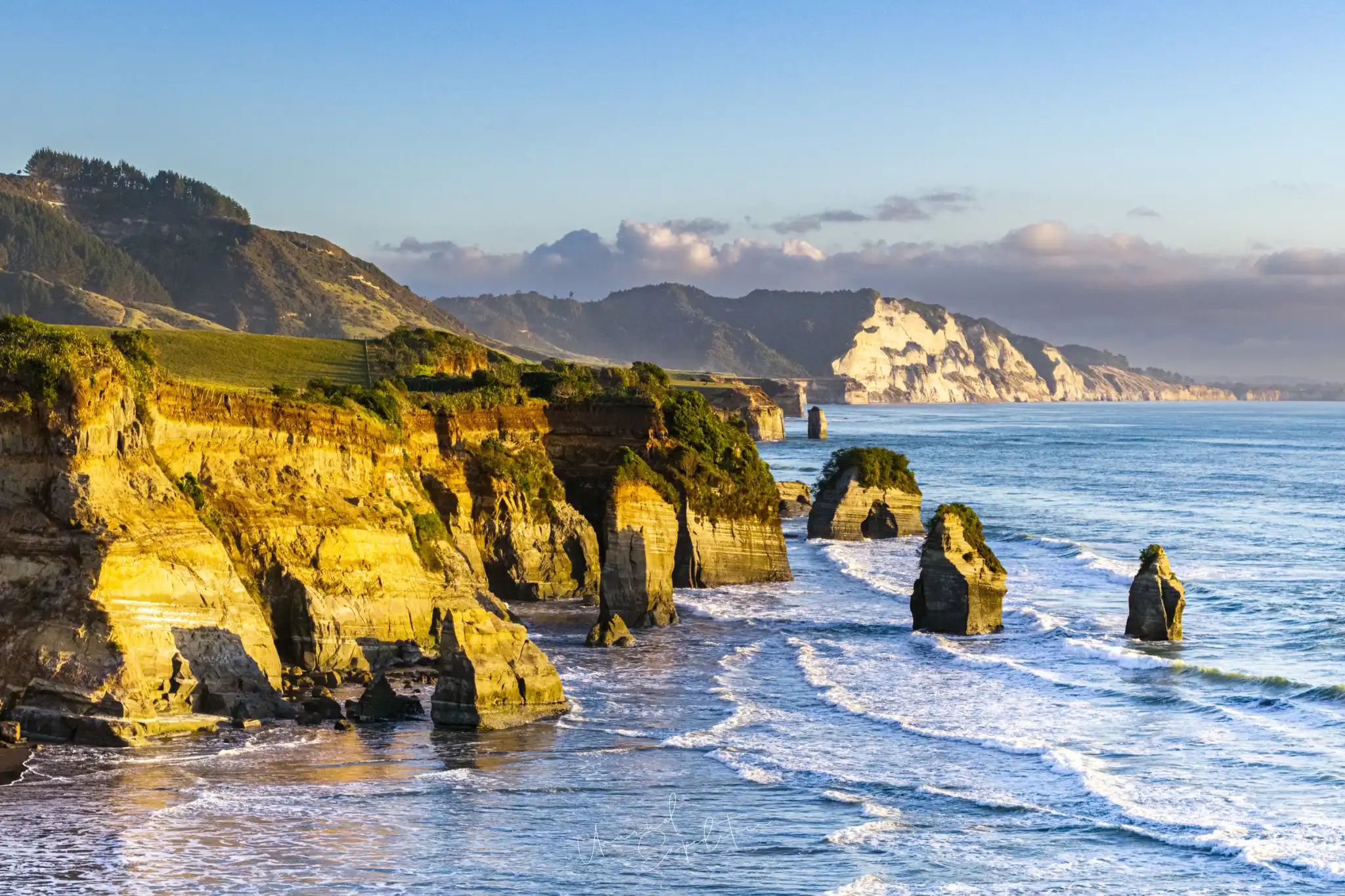
The best time to visit the New Zealand South Island differs a little by region. Fiordland and the West Coast are wet in every season; Tourism New Zealand names the West Coast as the wettest region, and the Milford waterfalls are best after rain anyway. Lake Matheson needs calm air more than any particular month. Central Otago, east of the Alps, is the driest region, which is why Queenstown, Wanaka and Arrowtown often stay clear when the West Coast is under cloud. The Mackenzie is high and dry, with cold clear nights in autumn and winter. On the North Island, Taranaki Maunga hides in cloud much of the time, so a clear morning there is worth waiting for in any month.
"If someone asks me for one season, I say late autumn. You get gold trees, a dusting of snow on the peaks and cold mornings when the lakes go flat. Winter is my second answer, for the snow and the empty lakeshores."
Joseph Mak, tour leader, Unusual Expedition
Daylight, weather and how to plan around them
New Zealand weather moves quickly from the west, and mountain forecasts change by the hour. Build spare time into any plan for the places that depend on calm air or clear sky, such as Lake Matheson, Milford Sound and the night sky at Tekapo, and keep a second option for a wet day: rainforest and waterfalls look better in rain. The Department of Conservation and the transport agency publish road status for the alpine passes, and MetService has mountain forecasts. For flights, entry and the NZeTA, read our New Zealand tour from Singapore article, and for gear and practical questions, the New Zealand photography trip FAQ.
Come in the season that suits your pictures
We run our New Zealand South Island Winter Photography Tour 2027 for the snow and the quiet lakes of Queenstown, Wanaka, Glenorchy, Tekapo and Aoraki/Mount Cook; the current rate is on the New Zealand photography tours page. If autumn is your season, we can arrange the South Island as a private tour at your own pace.
Ask us about New Zealand in autumn or winter
Join the New Zealand photography tour
New Zealand South Island Winter Photography Tour 2027 departs 07 Aug 2027 To 16 Aug 2027, led by Joseph Mak. Small group, photography first. All New Zealand photography tours.
Explore New Zealand in depth
- New Zealand Photography Tour Guide: Lakes, Fiords, Mountains and Night SkiesNew Zealand
- New Zealand Tour from Singapore: Flights, NZeTA, Biosecurity and PlanningNew Zealand
- New Zealand Photography Trip FAQ: NZeTA, Gear, Drones, Winter and BiosecurityNew Zealand
Upcoming Photo Tours
- Egypt Photo Tour – EgyptEgypt 12 Dec 2026 To 20 Dec 2026
- Inner Mongolia Winter Owl Photo Tour – ChinaChina 01 Jan 2027 To 04 Jan 2027
- Inner Mongolia Winter Photo Tour – ChinaChina 05 Jan 2027 To 11 Jan 2027
- Mekong And Central Highland Vietnam Photo Tour - VietnamVietnam 16 Jan 2027 To 24 Jan 2027