
New Zealand Photography Trip FAQ: NZeTA, Gear, Drones, Winter and Biosecurity
New Zealand photography trip questions answered: the NZeTA, lenses, drones, winter cold, biosecurity, stargazing and Milford rain.
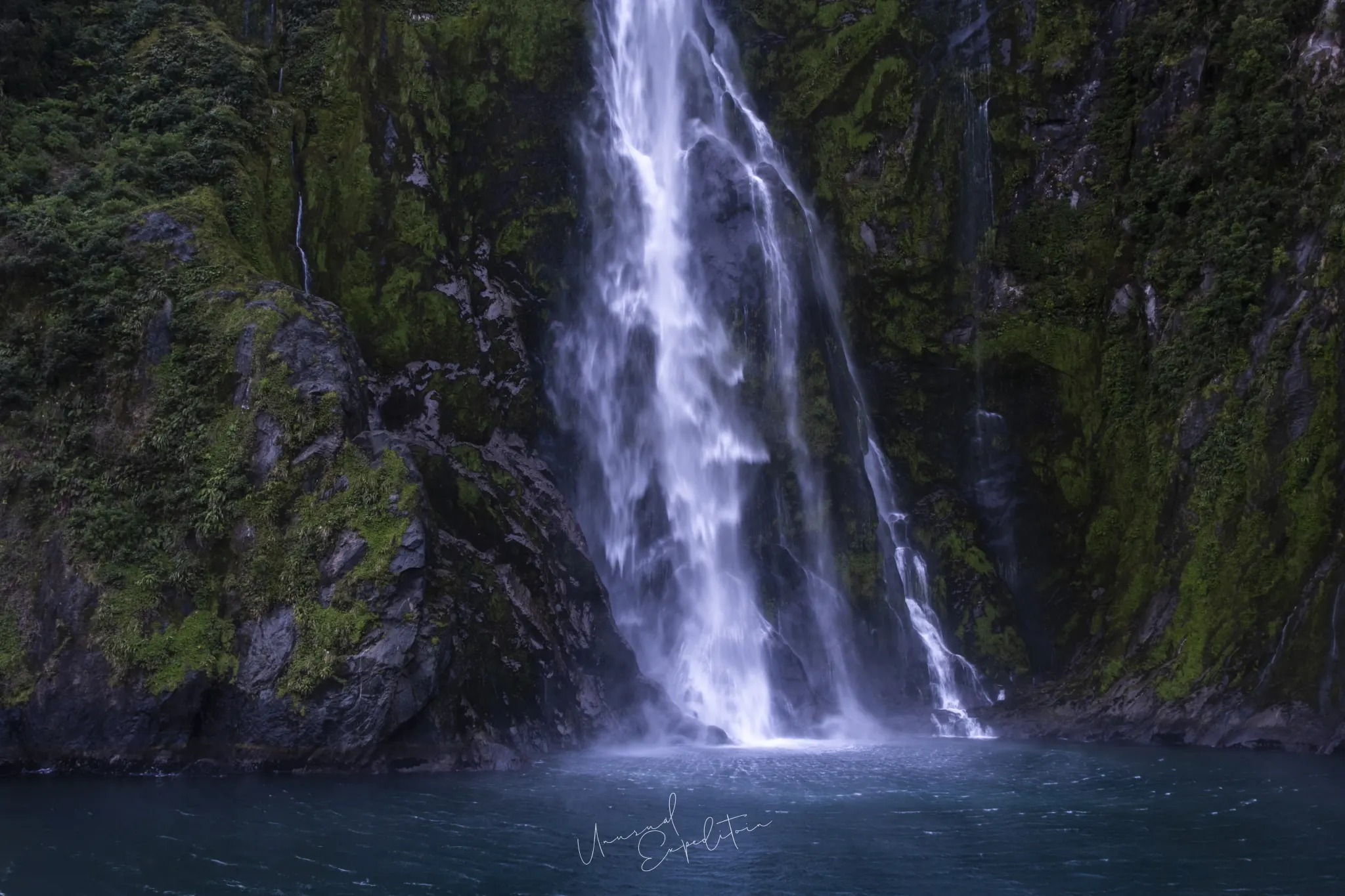
Most questions about New Zealand photography workshops and tours come down to the same few: what entry you need, which lenses to pack, whether drones are allowed, how cold winter gets, what biosecurity checks at the airport, and whether rain ruins Milford Sound. The short answers: an NZeTA before you fly, a 24-70mm plus a wide and a telephoto, drones only with the right permissions, layers for winter, clean boots and tripod feet, and no, rain makes Milford better.
The answers below come from our own trips and the official sources named in each section. For the regions and what to photograph in each, start with our New Zealand photography tour guide.
Do I need a visa for New Zealand?
That depends on your passport. Immigration New Zealand publishes a list of visa waiver countries; their citizens need no visa for a holiday but must hold a New Zealand Electronic Travel Authority before they travel and are granted a visitor visa at the border. The International Visitor Conservation and Tourism Levy is paid with the NZeTA application. Travellers from other countries need a visitor visa. Apply early: Singapore, one of the waiver countries, advises its citizens that NZeTA processing can take up to 72 hours, and the NZeTA is not a visa and does not guarantee entry. Your passport must be valid for at least three months beyond the date you plan to leave New Zealand. Travellers from Singapore, where we are based, will find flights and the rest of the planning in our New Zealand tour from Singapore article.
What camera gear should I bring to New Zealand?
A 24-70mm does most of the work on the lakes and in the towns. Add a 16-35mm, or something wider, for night skies, fiord walls and close foregrounds, and a 70-200mm for compressing ranges, picking out a peak in alpenglow and wildlife such as fur seals. A sturdy tripod is essential: reflections, waterfalls and night skies all need slow shutter speeds, and the wind at lake edges is strong. Pack a polariser for water and sky and a set of neutral density filters for daytime long exposures. A rain cover matters in Fiordland and on the West Coast, and spare batteries matter in winter, when the cold drains them quickly.
Can I fly a drone in New Zealand?
Yes, within rules that are stricter than many visitors expect. The Civil Aviation Authority's Part 101 rules cover drones under 25 kilograms: keep the drone in sight, stay low, and keep away from aerodromes and people. Separately, the Department of Conservation requires a concession to take off, land or fly over conservation land, which includes the national parks, so Milford Sound, Aoraki/Mount Cook and most lakeshores are off limits without one. DOC also asks pilots to stay well clear of wildlife, at least 50 metres from birds and 150 metres from marine mammals. At Lake Tekapo the Church of the Good Shepherd bans drones around the church and anywhere in the village, because of a nearby airport.
Can I photograph inside the Church of the Good Shepherd?
No. The church's own visitor notice says there is no photography inside, and night-time access within its fenced perimeter is not permitted. Commercial photographers, including photography workshops, need a permit to photograph on the grounds. Our Church of the Good Shepherd article explains how to photograph it well from the lakeshore.
How cold is New Zealand in winter?
Cold enough to matter on the South Island. Inland Canterbury and Otago get frost most winter mornings and snow on the ranges, and July is usually the coldest month, according to Tourism New Zealand. Dress in layers, with a warm hat, gloves you can work a camera in and waterproof boots. Night shoots at Tekapo are the coldest hours of any trip, so add another layer and a flask. Roads over the Crown Range, the Lindis Pass and to Milford can close after snow, so check the road status every morning.
What is checked at the airport for biosecurity?
New Zealand protects its farms and native plants carefully. The Ministry for Primary Industries asks arriving passengers to declare used hiking footwear, tents and outdoor equipment, which should be clean and free of soil and seeds; bags may be checked by detector dogs and x-ray. Scrub your boots and tripod feet at home and declare anything you are unsure about. Food also has to be declared.
Is New Zealand good for astrophotography?
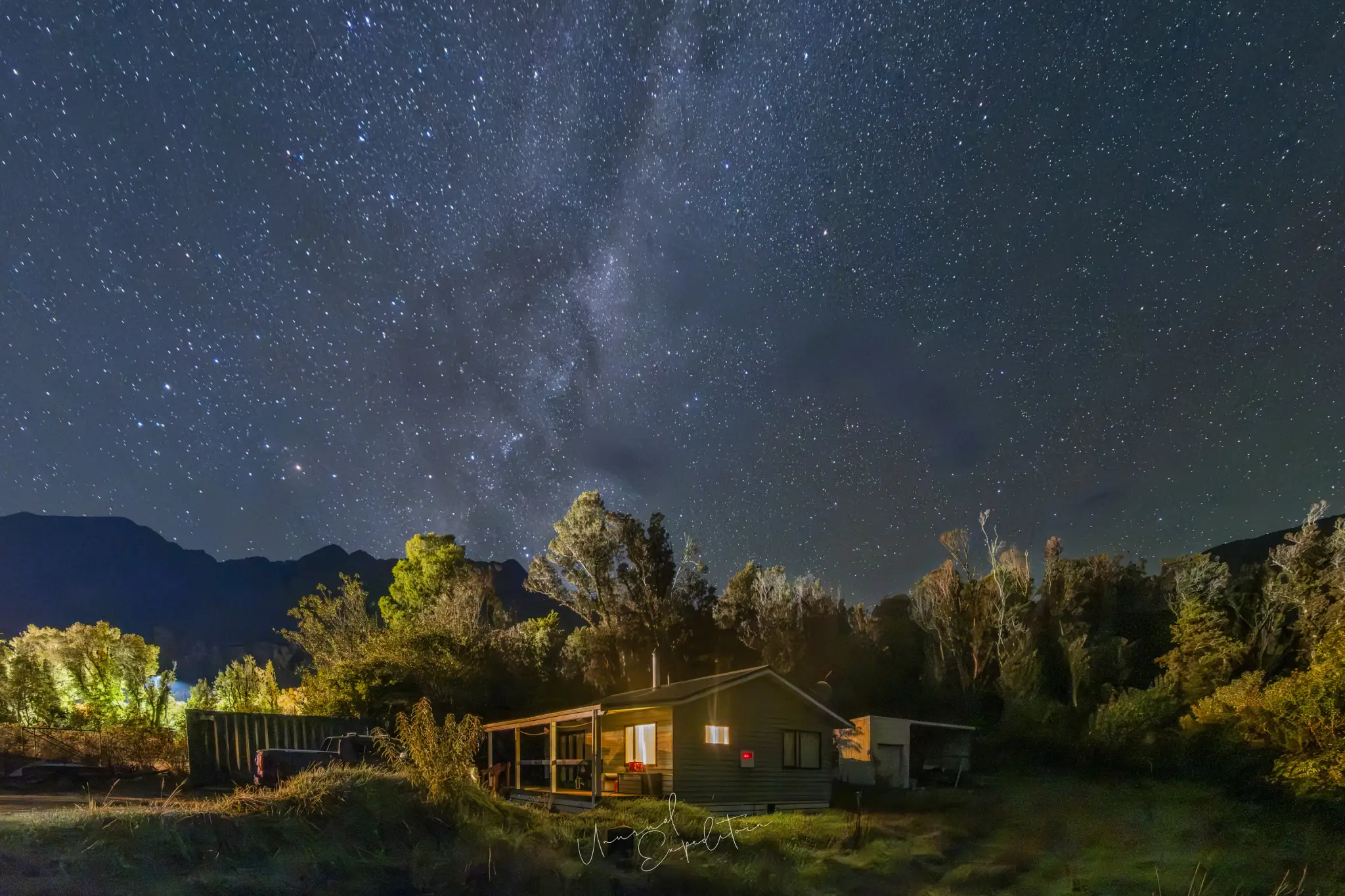
It is one of the best places in the world for it. The Aoraki Mackenzie International Dark Sky Reserve, around Lake Tekapo, Twizel and Aoraki/Mount Cook, was designated in 2012 according to DarkSky International, and the core of the Milky Way rides high in the southern sky. Moonless nights in autumn and winter are the best. The West Coast and Fiordland are dark too, when the cloud clears. Our Lake Tekapo stargazing article goes into detail.
Is Milford Sound worth it in the rain?
Yes. Rain brings many temporary waterfalls down the cliffs of Milford Sound and makes the permanent ones roar, and the mist that hangs on the walls gives the fiord its scale. A clear calm morning gives the mirror of Mitre Peak instead. Either way it is worth it; only the road closing is a reason to stay away, and the Department of Conservation publishes its status.
Is there anything worth photographing in the cities?
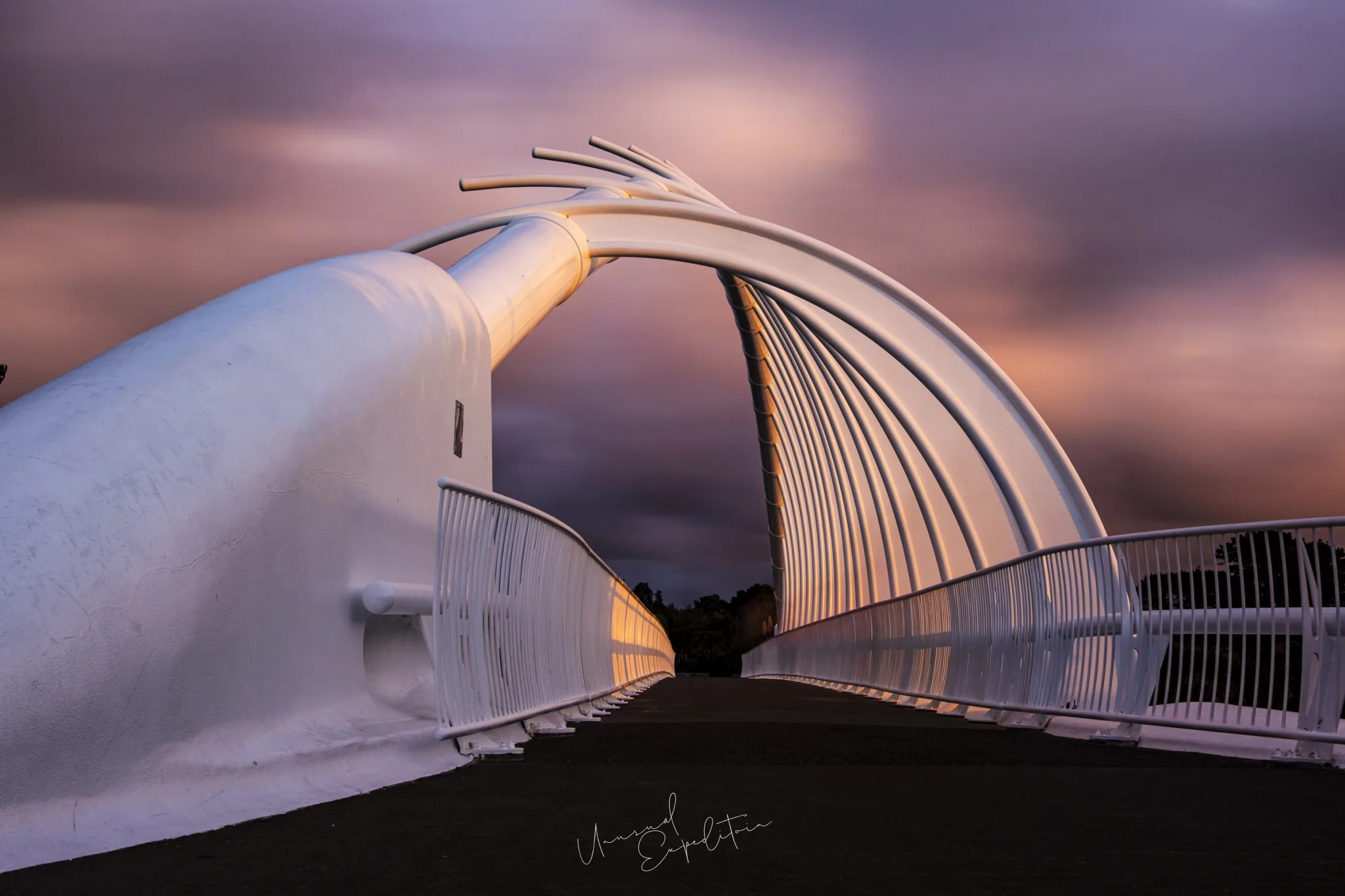
New Zealand's towns are small, but some have good subjects. Queenstown's waterfront is lively at night and the view from Bob's Peak at dusk is one of the best town views anywhere; our Queenstown photography locations article lists where to stand. On the North Island, New Plymouth's coastal walkway has the white Te Rewa Rewa Bridge, a sculptural arch that frames Taranaki Maunga on a clear day.
"The question I get most is about lenses, and my answer is always the tripod. Almost every picture I love from New Zealand was made with the camera locked down, waiting for the water to settle or the cloud to lift."
Joseph Mak, tour leader, Unusual Expedition
When should I book?
Book early for summer and for the school holidays, and early for winter if your dates are fixed, because small towns like Tekapo and Glenorchy have limited rooms. For a private trip, ask at least two months ahead if you can, though last-minute trips can be arranged. The seasons are compared in the best time to photograph New Zealand.
Travel with us
Our New Zealand South Island Winter Photography Tour 2027 takes in Queenstown, Glenorchy, Wanaka, Lake Tekapo, Lake Pukaki, Aoraki/Mount Cook and Arrowtown. The current rate is on the New Zealand photography tours page, and private tours can be arranged for other dates.
Join the New Zealand photography tour
New Zealand South Island Winter Photography Tour 2027 departs 07 Aug 2027 To 16 Aug 2027, led by Joseph Mak. Small group, photography first. All New Zealand photography tours.
Explore New Zealand in depth
- New Zealand Photography Tour Guide: Lakes, Fiords, Mountains and Night SkiesNew Zealand
- New Zealand Tour from Singapore: Flights, NZeTA, Biosecurity and PlanningNew Zealand
- Best Time to Photograph New Zealand, Month by MonthNew Zealand
Upcoming Photo Tours
- Egypt Photo Tour – EgyptEgypt 12 Dec 2026 To 20 Dec 2026
- Inner Mongolia Winter Owl Photo Tour – ChinaChina 01 Jan 2027 To 04 Jan 2027
- Inner Mongolia Winter Photo Tour – ChinaChina 05 Jan 2027 To 11 Jan 2027
- Mekong And Central Highland Vietnam Photo Tour - VietnamVietnam 16 Jan 2027 To 24 Jan 2027