
Best Time to Visit Lake Tekapo: Autumn Colour, Winter Snow and Lupins
The best time to visit Lake Tekapo: autumn colour, winter snow and long nights, the lupin season and summer, compared for photographers.
The best time to visit Lake Tekapo for photography is autumn, from late March to early May, for golden trees, still mornings and longer dark nights, or winter, from June to August, for snow on the ranges, crisp air and the longest nights for the stars. Late spring is the season for lupins, which are reported to flower around late November into December, while summer brings the longest days and the most visitors. Every season works; each gives a different set of pictures.
This seasonal guide belongs to our Lake Tekapo photography tour guide. We have photographed the basin in autumn, and our scheduled tour goes in winter, so those two seasons are written from experience and the others from what the place is known for.
Best time to visit Lake Tekapo, season by season
New Zealand's seasons run opposite to the northern hemisphere: spring is September to November, summer December to February, autumn March to May and winter June to August, as Tourism New Zealand sets out. At Lake Tekapo, about 710 metres above sea level in the inland Mackenzie Basin, the seasons are sharper than on the coast, with hot dry summers, cold clear winters and quick changes between them. For photographers, three things change through the year: the colour on the land, the length of the night and the snow on the ranges.
| Season | On the land | Night sky | Crowds |
|---|---|---|---|
| Spring (September to November) | Snow on the peaks, fresh green, lupins reported from late November | Shortening nights | Building |
| Summer (December to February) | Gold tussock, lupins early, long warm days | Short nights, core late | Busiest |
| Autumn (March to May) | Willows, poplars and larches turn gold, first snow | Longer nights, core high in the evening | Moderate |
| Winter (June to August) | Snow on the ranges, frost, ice on ponds | Longest, clearest nights | Quieter, ski traffic |
For a single trip that gives both daylight colour and serious night work, autumn and winter are the strongest choices.
Autumn: gold trees and still mornings
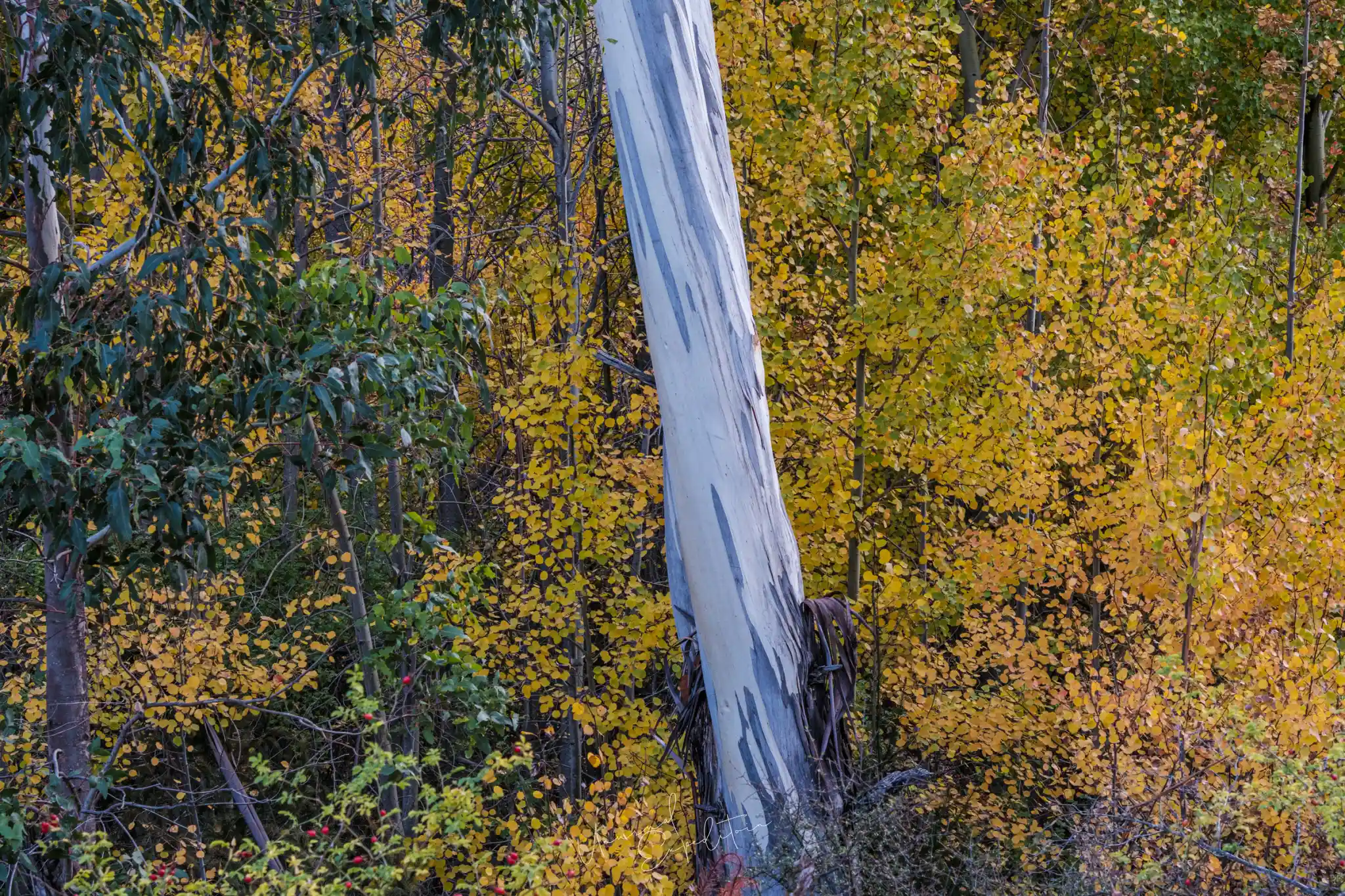
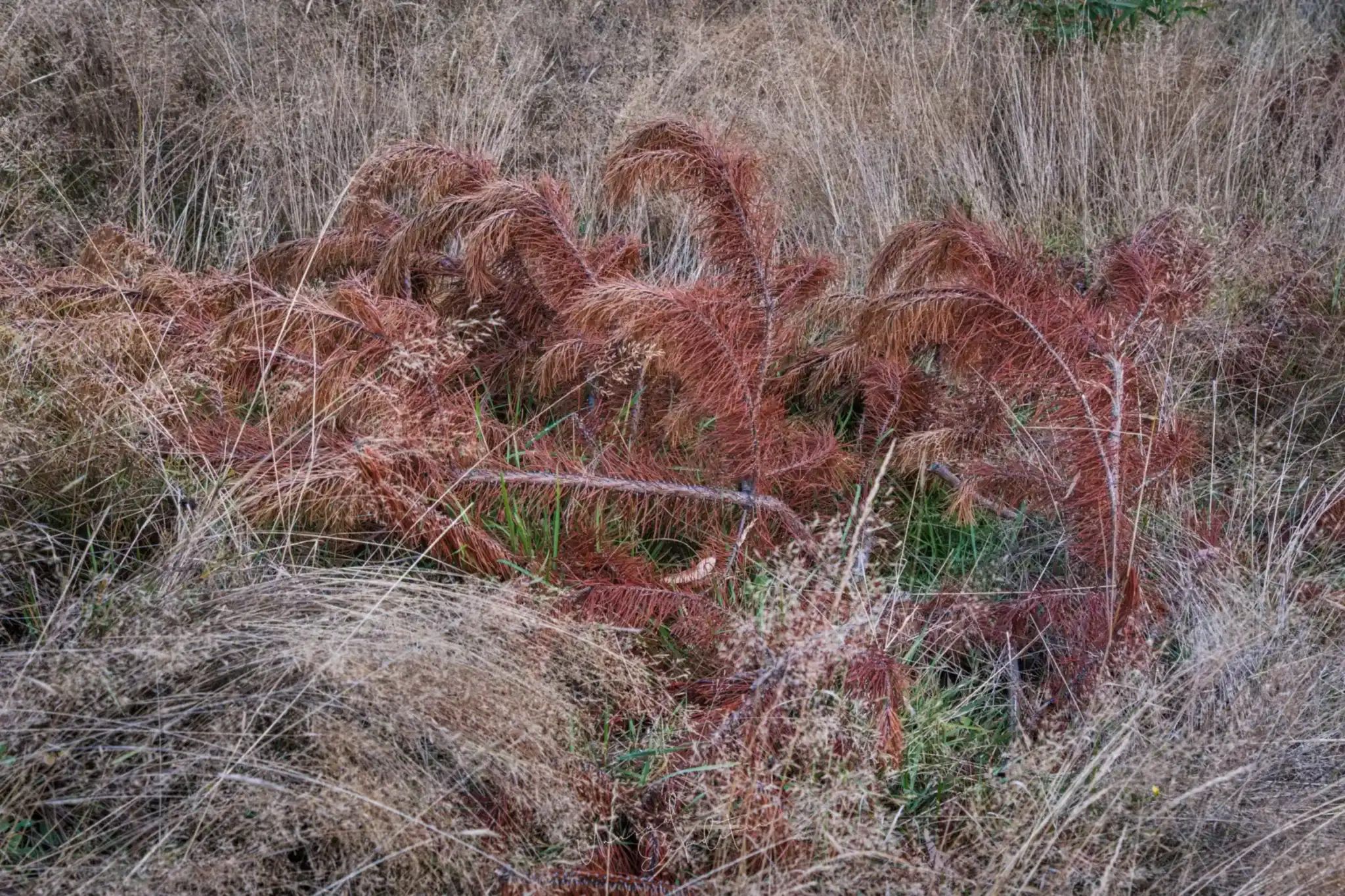
Autumn at Lake Tekapo is when the introduced trees around the lakes and rivers, willows, poplars and larches, turn yellow, gold and orange against the tussock and the dark pines. In our experience the peak falls in April, though it shifts with the weather. Mornings are cold and often still, which gives reflections on the smaller lakes of the basin, and in the woods the soft light suits close details: pale gum trunks, yellow leaves and red growth among the dry grass. The nights are longer than in summer and not yet bitterly cold. Our Lake Tekapo in April article covers the autumn season in detail.
Lake Tekapo in winter
Lake Tekapo in winter is cold, quiet and, on a clear day, dazzling. Snow covers the ranges and sometimes the town, frost coats the tussock and the lake edge, and the air after a cold front can be very clear. The winter sun stays low all day, so the light is warm and raking even at midday, and the days are short, which means sunrise and sunset come at easy hours. The nights are the longest of the year, and the Milky Way stands high in the evening sky inside the Aoraki Mackenzie International Dark Sky Reserve. The cost is the cold: nights on the lakeshore go well below freezing, and roads over the passes can close after snow, so check the road status before driving. This is why our scheduled tour to the area runs in winter.
Lake Tekapo lupin season
The lupins that line the lake shore and the roadsides in early summer draw photographers from all over the world, and they are reported to flower around late November into December, with the timing shifting from year to year. They are introduced plants, spreading along riverbeds and road verges, and in many places they grow on sensitive ground or private land, so walk on paths and do not pick them. We have not photographed the lupin season ourselves, so we cannot show it here; if lupins are the reason for your trip, plan for early summer and check the local reports in the weeks before you go.
Summer: long days and busy shores
Summer at Lake Tekapo brings warm days, gold tussock and the most visitors of the year. Daylight is long, which means early sunrises and late sunsets, and the nights are short, so stargazing comes late. The light at midday is hard and high, best used for scouting or resting. Summer is the easiest season for walking, though, and the lake is at its most vivid turquoise under a clear sky.
"If someone asks me for one season at Tekapo, I ask what they want to bring home. For colour, come in autumn. For snow and stars, come in winter. Both times the place is quieter than in summer, and quiet is good for photography."
Joseph Mak, tour leader, Unusual Expedition
Weather by season and what to wear
The Mackenzie Basin is one of the drier parts of New Zealand, but it is exposed, and the weather can turn within a day in any season. In autumn and winter, pack thermal layers, a down jacket, a hat, gloves you can work a camera in and waterproof boots. In summer, bring sun protection, because the high, clear air burns quickly. Whatever the month, keep a warm layer in the car for the evenings, which are cool even after a hot day.
Best time for the stars and the church
For the night sky, plan around the moon, not just the month: a few days either side of the new moon give the darkest sky in any season. For the Church of the Good Shepherd, early morning is the best light all year, and winter adds snow on the ranges behind it. Our Lake Tekapo stargazing and Church of the Good Shepherd articles go into both.
Come in winter with us
Our New Zealand South Island Winter Photography Tour 2027 spends two dark-sky nights at Lake Tekapo, with snow on the ranges, then continues to Lake Pukaki, Aoraki/Mount Cook, Wanaka and Queenstown. The current rate is on the New Zealand photography tours page. For autumn or another season, we can plan a private tour around your dates.
Ask us about the best time for Lake Tekapo
Join the Lake Tekapo photography tour
New Zealand South Island Winter Photography Tour 2027 departs 07 Aug 2027 To 16 Aug 2027, led by Joseph Mak. Small group, photography first. All Lake Tekapo photography tours.
Explore Lake Tekapo in depth
- Lake Tekapo Photography Tour Guide: Lake Tekapo, New Zealand, Through the LensNew Zealand
- Mackenzie Basin, New Zealand: Photographing the High CountryNew Zealand
- Lake Tekapo Things to Do for PhotographersNew Zealand
- Lake Tekapo Stargazing: Photographing the Dark Sky ReserveNew Zealand
- Lake Tekapo Photos: What the Lake Really Looks LikeNew Zealand
- Lake Tekapo in April: Autumn Colour in the Mackenzie BasinNew Zealand
- Church of the Good Shepherd, Lake Tekapo: Where to Stand, the Light and the RulesNew Zealand
Upcoming Photo Tours
- Egypt Photo Tour – EgyptEgypt 12 Dec 2026 To 20 Dec 2026
- Inner Mongolia Winter Owl Photo Tour – ChinaChina 01 Jan 2027 To 04 Jan 2027
- Inner Mongolia Winter Photo Tour – ChinaChina 05 Jan 2027 To 11 Jan 2027
- Mekong And Central Highland Vietnam Photo Tour - VietnamVietnam 16 Jan 2027 To 24 Jan 2027