
Best Time to Visit the Mekong Delta: Dry Season, Flood Season and Can Tho
Best time to visit the Mekong Delta: dry season for markets, flood season for lilies, weather by month and the best time for Can Tho.
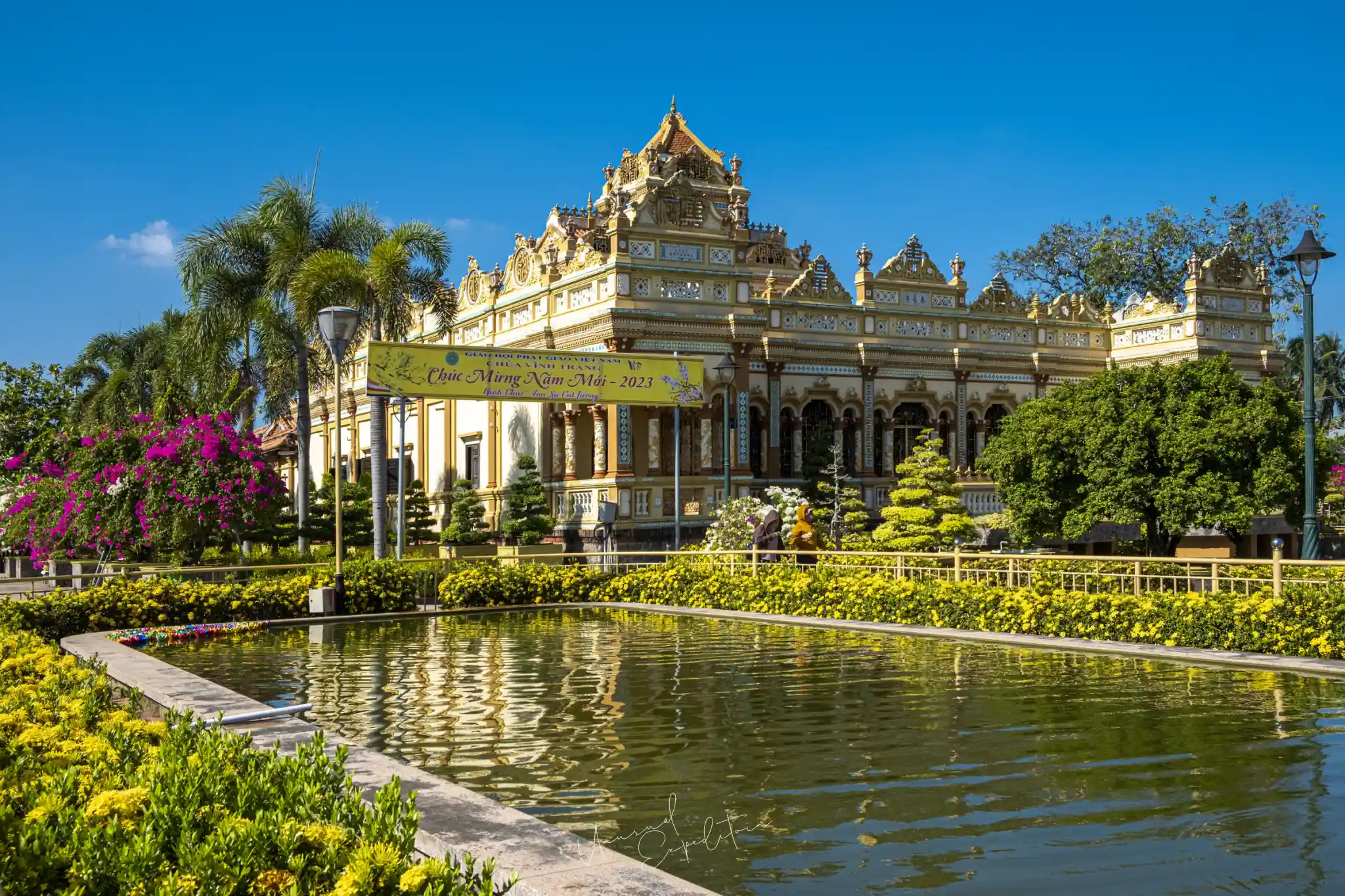
The best time to visit the Mekong Delta for most travellers is the dry season, roughly December to April, when mornings are clear, boat trips are comfortable and the markets are busiest before Tet. For photographers there is a second answer: the flood season, roughly September to November, when the fields fill with water and the natural water lily harvest happens. The wet months between, May to August, bring afternoon storms, green rice and fruit in the orchards.
Season decides what the delta gives you, so this is the place to start planning. For the whole region, its subjects and how they fit together, see our Mekong Delta photography tour guide.
Best time to visit Mekong Delta: dry season or flood season
Go between December and April if you want reliable weather and the floating market at its liveliest; go between September and November if the flooded fields and the lily harvest are the reason for your trip. January and February are our favourite months for a first visit, because the air is drier and cooler than at any other time in the south, the sky is often clean at dawn, and the weeks before Lunar New Year fill the markets and the river with produce, flowers and people buying for the holiday. The delta is never closed, though, and a wet-season trip in July has its own rewards in green fields and dramatic skies.
Weather in Mekong Delta through the year
The weather in the Mekong Delta follows the southern Vietnam pattern of two seasons, not four. The dry season runs from about December to April, with little rain, steady heat and the hottest, haziest weeks towards March and April. The wet season runs from about May to November, usually as short, heavy storms in the afternoon after a clear or broken morning, so the dawn sessions on the water often survive even in the wettest months. On top of the rains sits the flood: the Mekong rises with the monsoon upstream, and from late summer the water spreads across the low fields in the north of the delta, reaching its height around October, as VnExpress reports each year. The flood is part of farming life here, not a disaster, though it changes which roads and fields you can reach.
Best time to visit Can Tho
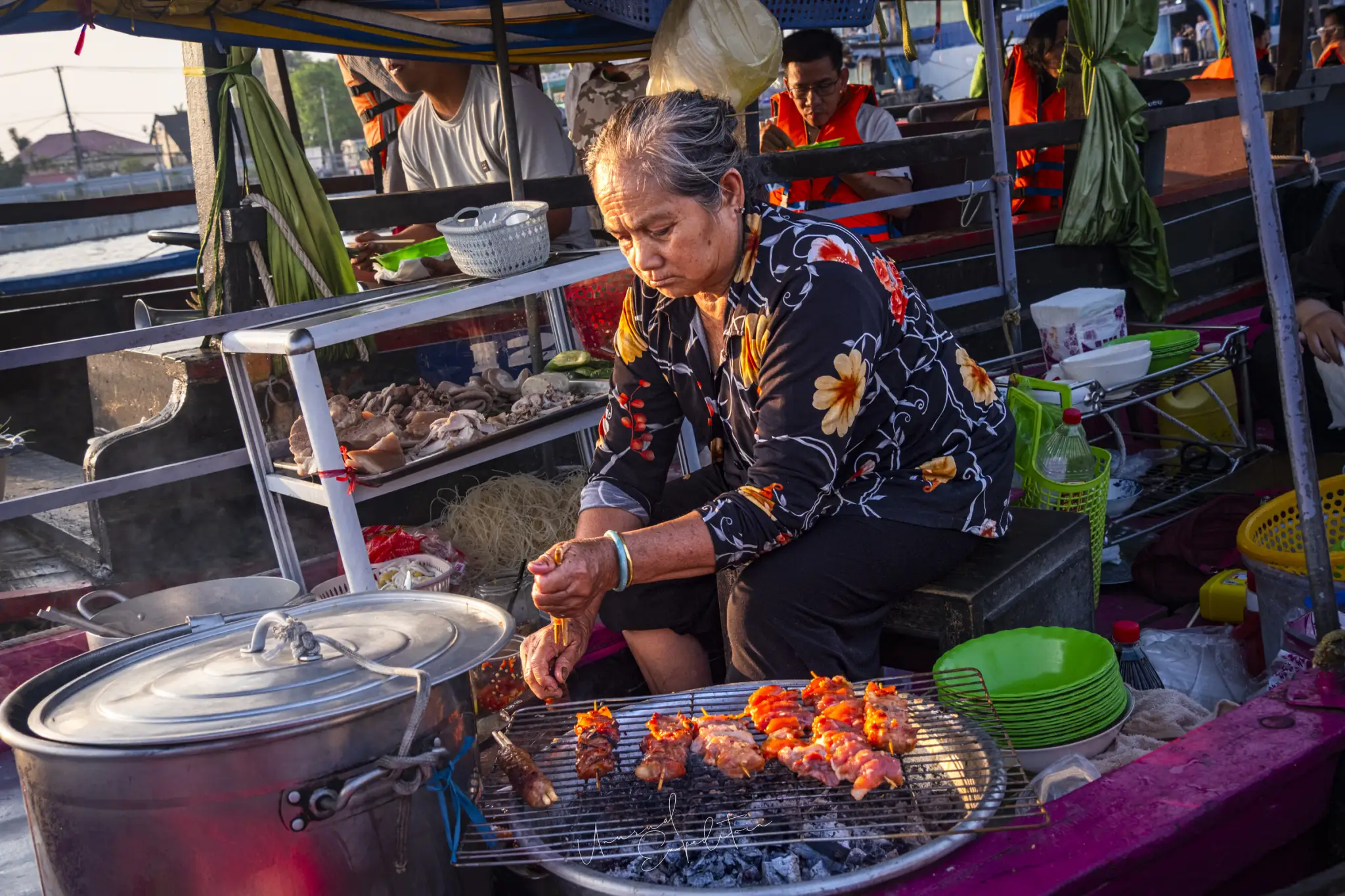
The best time to visit Can Tho is the dry season, and the most photogenic weeks are the run-up to Tet, when the Cai Rang floating market is at its fullest and the boats carry flowers and fruit for the holiday. Cai Rang trades every morning of the year, and the Ministry of Culture, Sports and Tourism listed it as national intangible cultural heritage in 2016, but the city has reported fewer boats in recent years, so expect a working market, not a crowd of hulls. Avoid the first days of Tet itself if you want markets: many traders take the holiday. In the wet season Can Tho is still easy to work in the mornings; carry a rain cover for the boat ride home. Our Can Tho market photos article covers the land markets and canals, which keep going whatever the month.
Best time to travel Mekong River country for the lily harvest
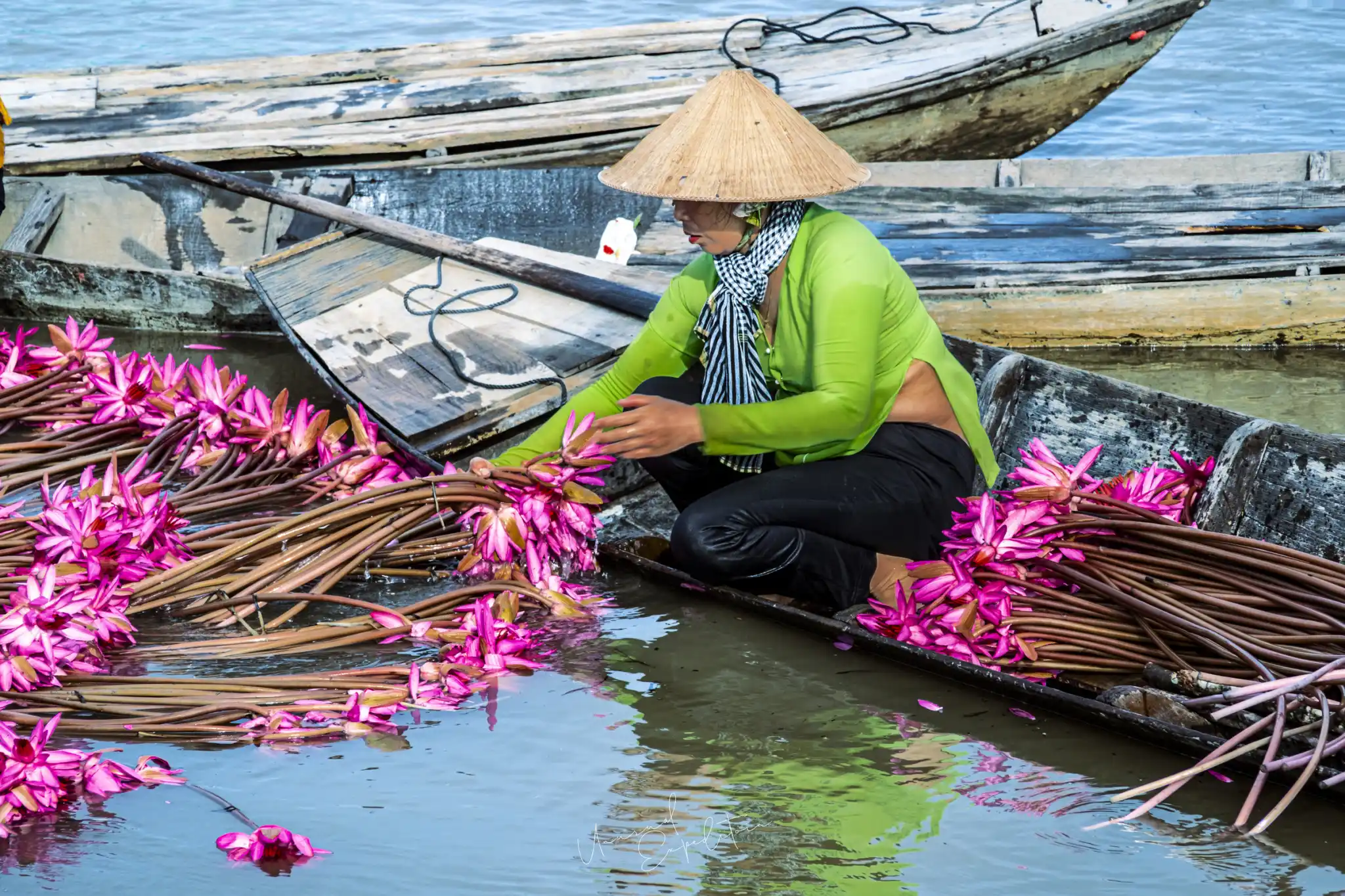
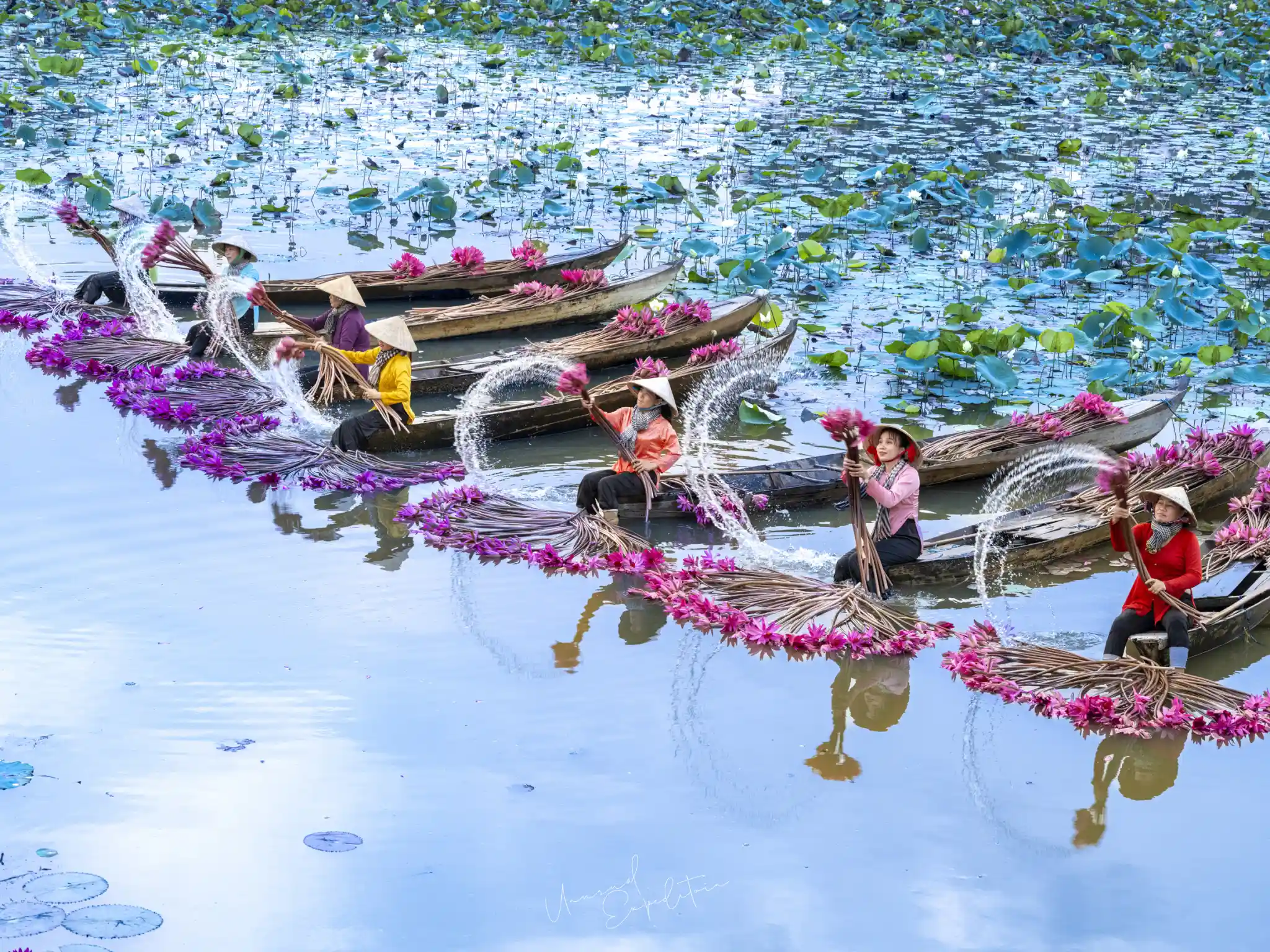
For the natural water lily harvest, travel in the flood season. Reports from VTV and the Long An provincial paper describe harvesters in the Moc Hoa wetlands paddling out from September into December, while the flood itself is usually at its height around October. The flood is a natural event and starts earlier or later depending on the rains upstream, so keep a few days in hand. In the dry season, some farms grow lilies in ponds and arrange the harvest for photographers; the pictures are cleaner and the timing is predictable, which is why our January trip includes it. Our article on harvesting water lilies in the Mekong Delta explains the difference in detail.
Mekong Delta month by month
| Months | Weather | What to photograph |
|---|---|---|
| December to February | Dry, the coolest and clearest of the year | Floating market before Tet, flower and fruit boats, arranged lily sessions, kilns |
| March to April | Dry, hottest, hazier skies | Markets at dawn, rice paper drying, pagodas, sunset over flat fields |
| May to August | Wet, afternoon storms | Green rice, orchards in fruit, lotus ponds, storm skies |
| September to November | Wet with the flood at its height | Natural water lily harvest, flooded fields, fishing in the flood |
If you can go only once, December to February gives the most subjects in the best weather.
"I have been to the delta in the dry season, in the flood and in the hot weeks before the rains. The light is softest in January. The lilies are wildest in October. You choose which one you came for."
Joseph Mak, tour leader, Unusual Expedition
Best time of day in the Mekong Delta
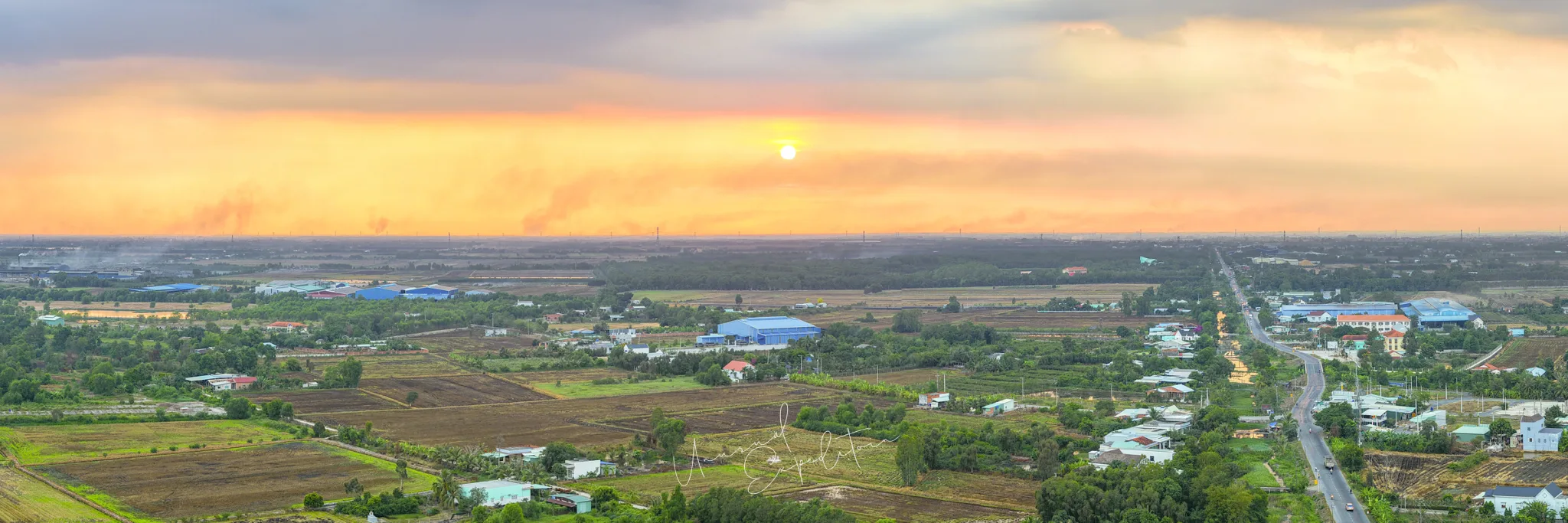
Whatever the month, the delta is a morning place. The floating market and the land markets start in the dark and are winding down by mid morning; the lily harvesters work in the first light before the wind rises; and the flat country means low sun gives the only shape to the land. The middle of the day is hot and hard, good for workshops, kilns and the colour of pagodas. Late afternoon brings warm light back over the rice and the ponds, and the open sky makes sunset worth staying out for. Our rice paper village and brick kilns article covers the subjects that suit the bright hours.
What to pack for the season
In the dry season pack light clothes, a hat, sunscreen and a cloth for the dust in the kiln villages. In the wet season add a light rain jacket, a rain cover for the camera and a dry bag for boat rides; the storms come fast and pass. For the lily fields bring sandals or old shoes you can get wet. A 24-70mm and a 70-200mm cover the delta, and our is the Mekong Delta worth visiting article helps you decide how many days to give it.
Plan your Mekong Delta season with us
We run our delta departure in January for the dry-season light and the arranged lily harvest, and private trips in the flood season on request. The Vietnam photography tours page lists what is coming up.
Join the Mekong Delta photography tour
Mekong And Central Highland Vietnam Photo Tour - Vietnam departs 16 Jan 2027 To 24 Jan 2027, led by Joseph Mak. Small group, photography first. All Mekong Delta photography tours.
Explore Mekong Delta in depth
- Mekong Delta Vietnam Photography Tour Guide: Can Tho, Lilies, Kilns and MarketsVietnam
- Rice Paper Village, Brick Kilns and Fish Sauce: Craft Photography in the Mekong DeltaVietnam
- Is the Mekong Delta Worth Visiting? Day Trip, Can Tho or LongerVietnam
- Harvesting Water Lilies in the Mekong Delta: Where, When and How to Photograph ItVietnam
- Mekong Delta Photography Tour: the Can Tho Floating Market and the WaterwaysVietnam
- Can Tho Market Photos: Land Markets, the Floating Market and the CanalsVietnam
Upcoming Photo Tours
- Egypt Photo Tour – EgyptEgypt 12 Dec 2026 To 20 Dec 2026
- Inner Mongolia Winter Owl Photo Tour – ChinaChina 01 Jan 2027 To 04 Jan 2027
- Inner Mongolia Winter Photo Tour – ChinaChina 05 Jan 2027 To 11 Jan 2027
- Mekong And Central Highland Vietnam Photo Tour - VietnamVietnam 16 Jan 2027 To 24 Jan 2027