
Best Time to Visit Western Sichuan for Photography
Best time to visit western Sichuan: October for clear peaks and colour, March for pear blossom; weather month by month.
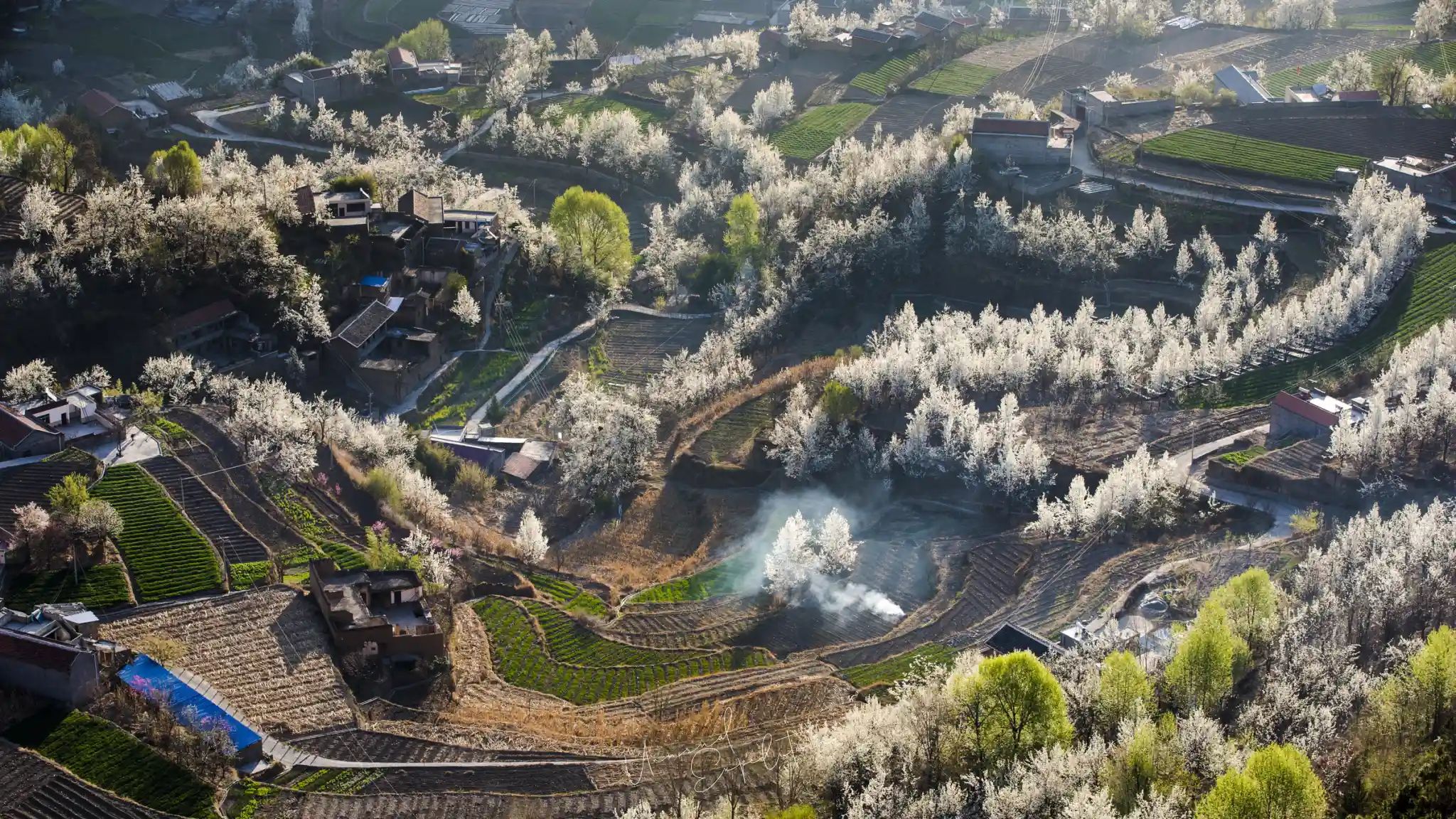
The best time to visit western Sichuan for photography is late September to October, when the plateau has its clearest skies, larch and birch turn gold, and the first snow dusts the peaks. The second window is mid March to early April, when pear blossom fills the Dadu river valley under snowy ridges. Summer is green but wet and cloudy; winter is cold and clear, with snow that can close the high roads. Here is the year month by month, with the weather that drives each choice.
For the places themselves, start with the western Sichuan photography tour guide.
Western Sichuan weather in one paragraph
Western Sichuan is high plateau with a monsoon summer. Most rain falls from June to August, when cloud often sits on the mountains for days. From late September the monsoon withdraws, the air dries and the skies clear, which is why autumn is the photographers' season. Winter brings cold, dry, mostly sunny weather, with nights far below freezing at 4,000 metres and snowfalls that can shut passes. Spring warms slowly; the valleys turn green and flower while the high country stays brown and cold well into May.
Best time to visit western Sichuan for mountains
For snow ranges at sunrise, October is the month. The ranges carry fresh snow after the first autumn storms, the air is at its clearest, and mornings from the high passes regularly give the full pink-to-gold sequence. November is often just as clear and colder, with fewer visitors, though early snow can close some roads. Our autumn departures go in the second half of October for this reason.
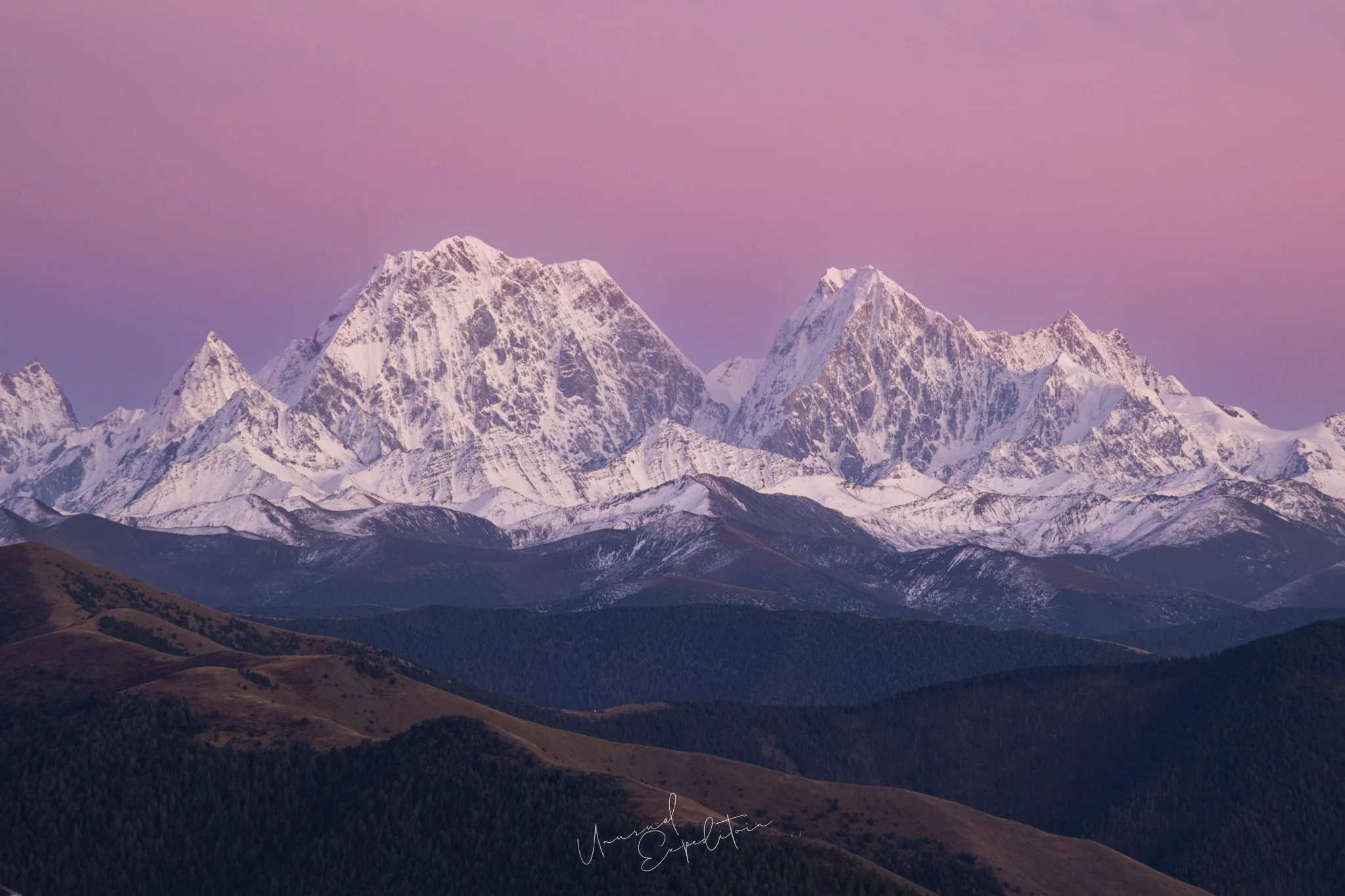
Western Sichuan in autumn: colour
Autumn colour comes in stages. Larch and birch in the higher valleys turn from early October; poplars along the rivers follow later in the month; the red grass of the Daocheng plateau, further south, peaks around mid October according to travel guides. A week can make a big difference in a given valley, and a cold snap can bring everything forward. Rivers run clear once the summer rain stops, which helps long exposures with golden trees on the banks.
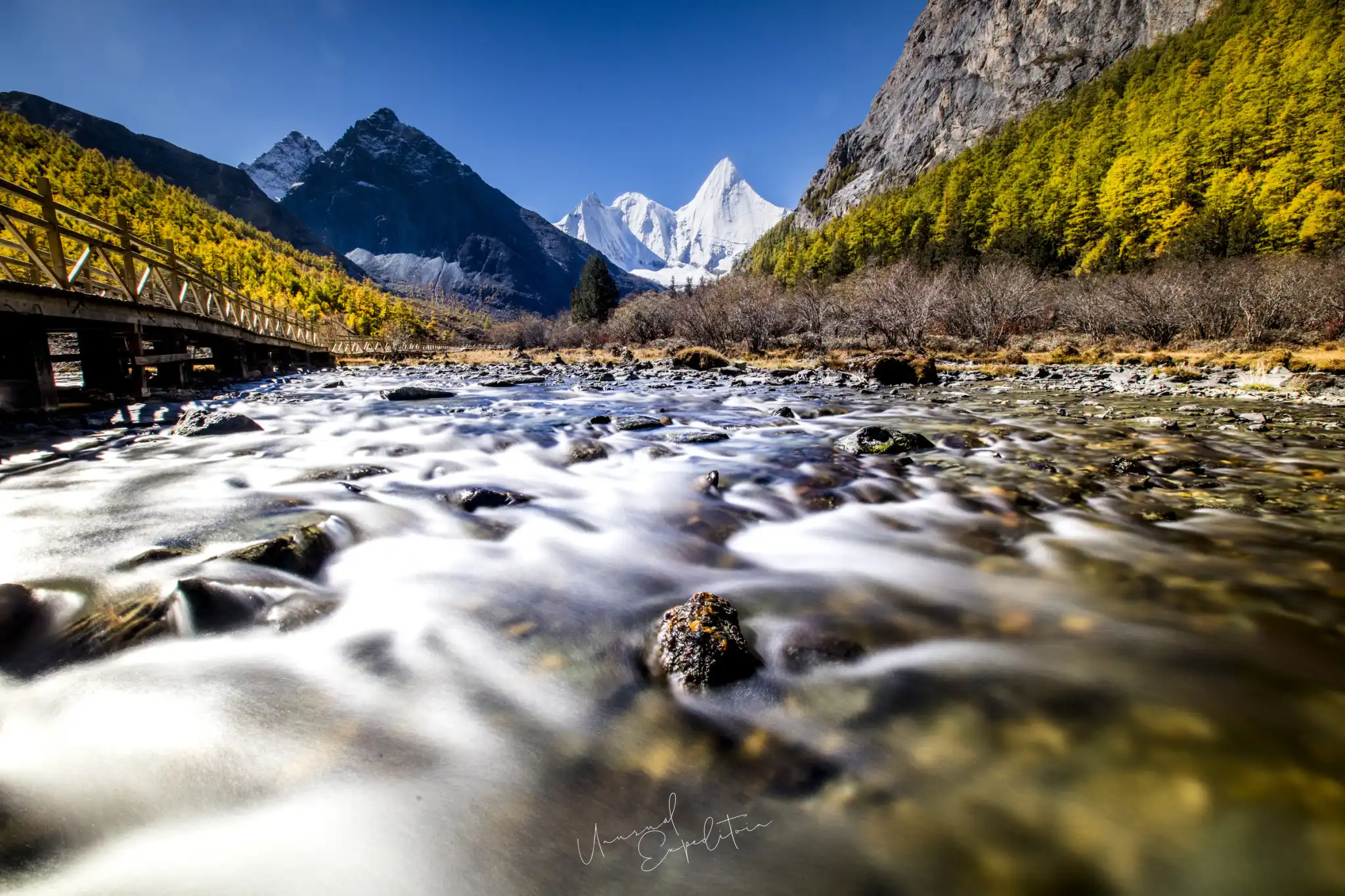
Western Sichuan in spring: pear blossom
In the Dadu river valley around Danba and Jinchuan, pear trees flower from mid March to early April, a timing travel guides and a China Daily report from Danba in 2026 agree on. The blossom covers terraces around Tibetan villages and stone watchtowers, and because the valley floor is lower than the plateau, it flowers while snow still lies on the ridges above. Expect cold mornings, possible snow on the passes on the way in, and haze on some days. Our March 2015 trip had sun, mist and a snowstorm on one pass within a week.
Western Sichuan month by month
| Month | Weather | For photography |
|---|---|---|
| January, February | Very cold, dry, mostly clear | Snow landscapes; some roads closed; Tibetan New Year falls in this period in some years |
| March | Cold, changeable | Pear blossom in the Dadu valley from mid month |
| April | Warming in valleys | Late blossom; plateau still brown |
| May | Mild, some showers | Grassland greening; rhododendrons at altitude |
| June to August | Monsoon rain, cloud | Green grassland, wildflowers, festivals; peaks often hidden |
| September | Rain easing | Late month clearing; first colour |
| October | Clear, cold nights | Best month: colour, fresh snow, sunrise ranges |
| November | Clear, colder | Quiet roads, early snow, frosty monasteries |
| December | Very cold, dry | Snow and clear air; short days; road closures possible |
If you can travel in only one month, choose October.
Western Sichuan in December
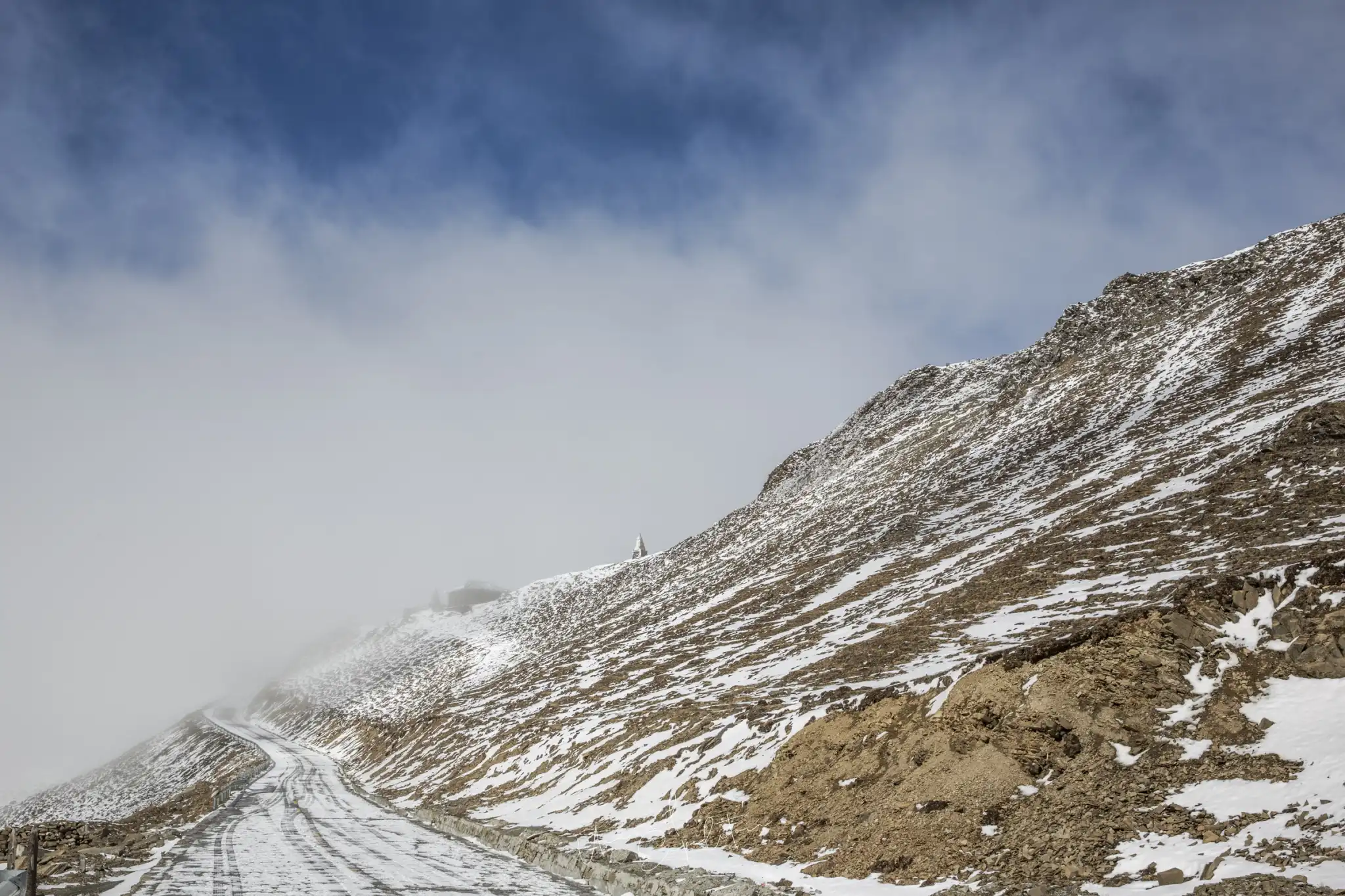
December gets asked about often, mostly by people with year-end leave. It can be very good: dry, clear, with snow on everything and few other visitors. The cost is cold that tests batteries and fingers, short days, and the chance that a pass closes after snow and forces a change of plan. Bring proper down, keep spare batteries warm, and build slack into the schedule.
People ask me for the one perfect week. There is no perfect week up there, only a good month and a lot of patience. In October I can promise colour and clear mornings most days. I cannot promise which morning.
Joseph Mak, tour leader, Unusual Expedition
Western Sichuan weather and altitude together
The season changes how altitude feels. In autumn and winter, nights in towns like Litang, at about 4,000 metres, fall well below freezing, and cold air makes breathlessness worse. Heated rooms help; so does a slower first day. In summer the cold is milder, but rain and mud make walking at height harder. Whatever the month, plan the highest spots for the middle of a trip, not the first day.
Where to go in each season
In spring, the Dadu valley villages around Danba are the focus. In autumn, the high country: Litang, Tagong and the passes in our western Sichuan photo spots, and further south, Yading, covered in best time to visit Daocheng Yading. Chengdu's teahouses work all year round.
Holidays and crowds
China's National Day holiday in the first week of October fills roads, hotels and viewpoints across western Sichuan with domestic travellers, and the lunar new year and May Day holidays have the same effect on a smaller scale. The scenery does not change for the holiday, but the light at a popular viewpoint is harder to enjoy with hundreds of tripods around you. We plan our autumn trips for the second half of October, after the holiday crowds and while the colour holds. In spring, weekdays in the blossom valleys are much quieter than weekends, when Chengdu families drive up to see the pear trees.
Daylight through the year
Western Sichuan runs on Beijing time, although it lies far to the west of Beijing, so sunrise and sunset come later on the clock than you might expect. That makes dawn shoots less brutal than the hour suggests in autumn and winter, but evenings in summer stay light until late. Plan by the light, not by the clock.
Pick your season with us
Our scheduled western Sichuan trips run in October, and we arrange private blossom trips in spring. Current China departures and all our China guides are on the China photography tours page.
Join the Sichuan photography tour
Inner Mongolia Winter Owl Photo Tour – China departs 01 Jan 2027 To 04 Jan 2027, led by Joseph Mak. Small group, photography first. All Sichuan photography tours.
Explore Sichuan in depth
- Western Sichuan Tour: A Photography Guide to Tibetan SichuanChina
- Western Sichuan Photo Spots: Litang, Tagong, the Passes and DanbaChina
- Larung Gar Photos: The Buddhist Academy at Seda, and Whether You Can Go NowChina
- Chengdu Teahouse Photos: Old Teahouses and Sichuan OperaChina
Upcoming Photo Tours
- Egypt Photo Tour – EgyptEgypt 12 Dec 2026 To 20 Dec 2026
- Inner Mongolia Winter Owl Photo Tour – ChinaChina 01 Jan 2027 To 04 Jan 2027
- Inner Mongolia Winter Photo Tour – ChinaChina 05 Jan 2027 To 11 Jan 2027
- Mekong And Central Highland Vietnam Photo Tour - VietnamVietnam 16 Jan 2027 To 24 Jan 2027