
Best Time for Xiapu Photography: Laver, Kelp, Mist and Tides
Best time for Xiapu photography: laver October to December, kelp in late spring, spring mist, Xiapu weather by month and tides.
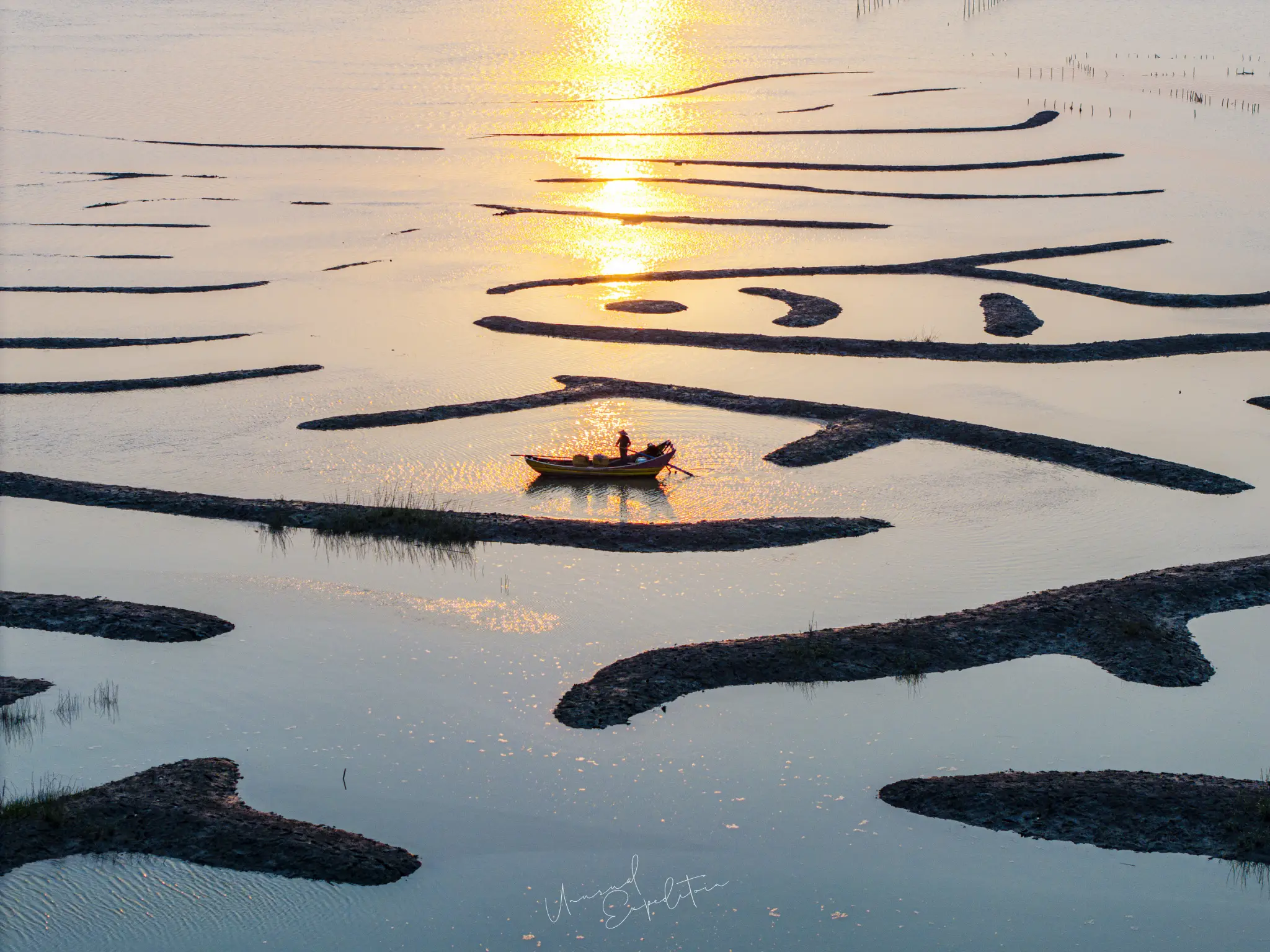
The best time for Xiapu photography depends on what you want in the bays: October to December for the laver season, when the nets are full and the farmers are harvesting; April to early June for the kelp harvest and drying; and March and April for sea mist on the pole bays. Summer brings heat, haze and typhoons. Within any season, the tide and the weather decide the day more than the month does. More context is in our Xiapu photography tour guide.
Xiapu seaweed: what grows when
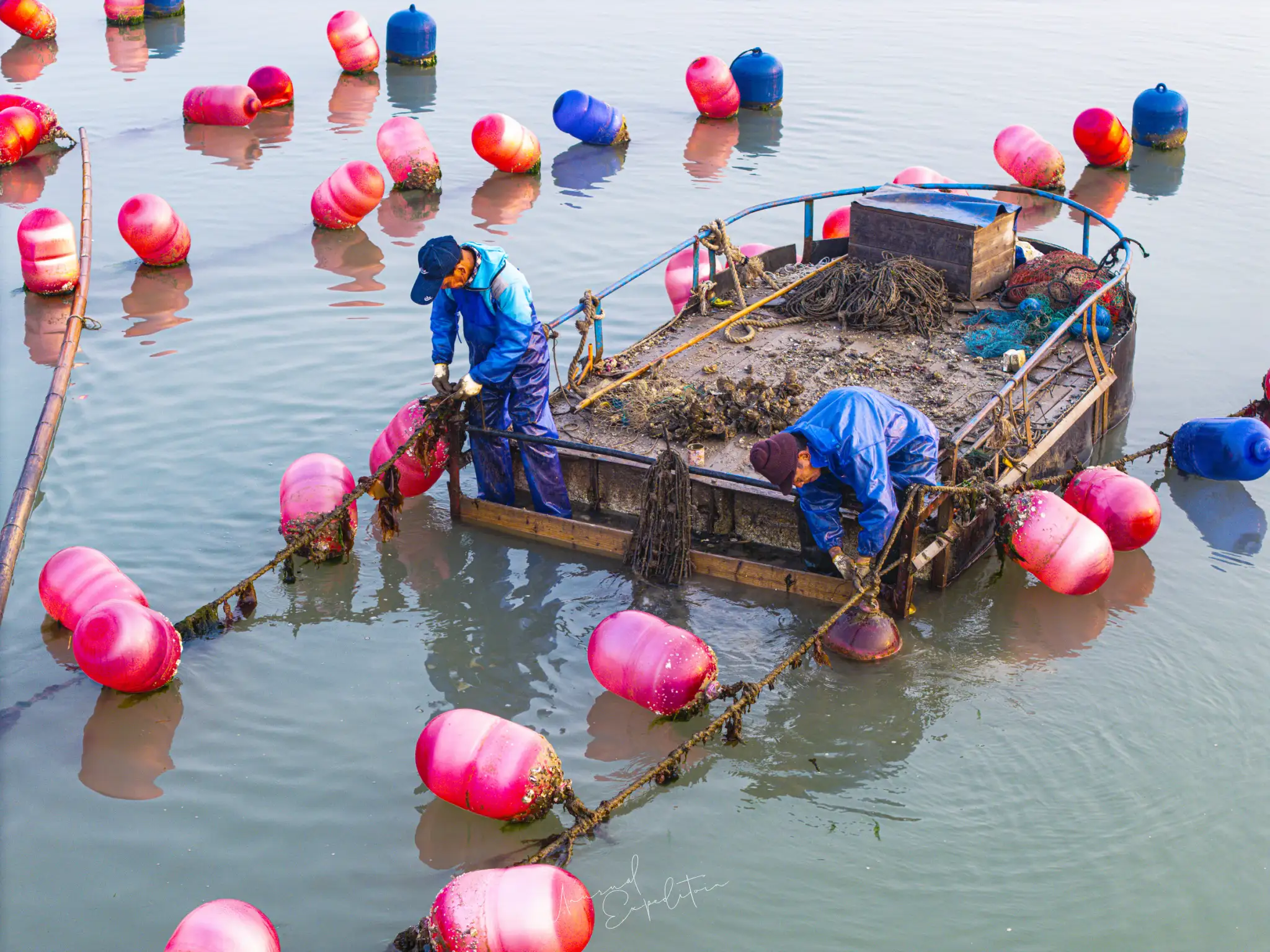
Two crops shape the Xiapu coast. Laver, the thin red-purple seaweed sold dried as nori, is grown on nets strung between bamboo poles on the mudflats. Fodor's puts the laver harvest from October to December, when farmers work the flats from early morning and the nets show as dark strips across the bays. Kelp, the broad brown seaweed, is grown on ropes and rafts in deeper water and harvested in late spring. China Daily reported the Xiapu harvest starting in April in 2025 and calls the county a "seaweed capital", and the dried kelp hung on racks along the shore is a subject in itself into May and June. The bays look different through the year because of these two crops.
Xiapu kelp season: late spring
From April into early June, the kelp comes in. Boats return loaded, the beaches and village roads fill with racks of kelp drying in the sun, and the farmers work long days. For photographers it means activity everywhere and strong colour: brown kelp against blue water, people carrying loads, patterns of drying racks seen from above. It is also the start of warmer, hazier weather, so the clearest sunrises tend to be earlier in the season.
Spring mist on the pole bays
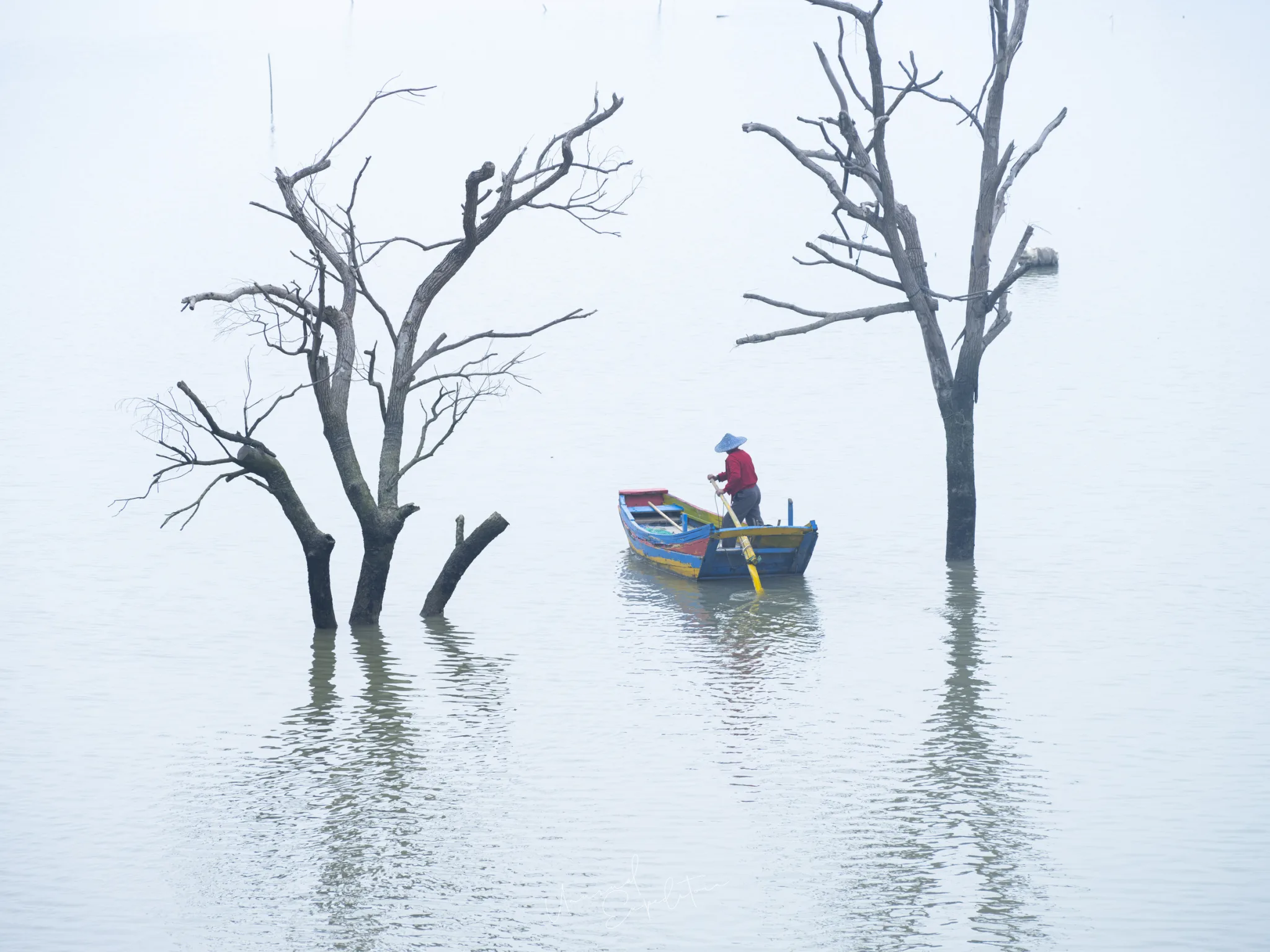
March and April are the misty months on this coast. Warm air moves over the cold sea, and on calm mornings the bays disappear into white, with only the nearest poles and a boat visible. These are the conditions for the minimal pictures Xiapu is known for among photographers. Mist is never guaranteed, and a week can bring several grey mornings or none, so we plan a spring trip with spare mornings. Sea fog can also roll over the villages from the water, which from a hill or a drone looks like a sea of cloud with roofs showing through.
Xiapu weather through the year
Xiapu has a humid subtropical climate. Winters are mild and often grey, with cool, clear spells after a cold front. Spring is damp and misty. Summer, from about June to September, is hot and humid, the air is often hazy, and typhoons can pass along the Fujian coast between July and September. Autumn, roughly October and November, usually gives the most settled, clearest weather of the year, which is also the start of the laver season. The China Meteorological Administration's forecasts and typhoon warnings are the ones to watch before you travel.
| Months | On the bays | Weather | Best for |
|---|---|---|---|
| October to December | Laver nets, harvest | Most settled, clearer air | Sunrises, working farmers, patterns |
| January to February | Laver, quieter work | Mild, grey, some clear days | Soft light, few visitors |
| March to April | Poles, early kelp | Damp, frequent sea mist | Minimal misty frames |
| Late April to early June | Kelp harvest and drying | Warming, hazier | Activity, colour, drying racks |
| July to September | Quieter bays | Hot, hazy, typhoon risk | Not recommended |
Our own trips have been in spring, for the mist and the start of the kelp, but autumn is the better choice if clear sunrises matter most.
The tide matters more than the month
Whatever the season, each Xiapu viewpoint has a tide that suits it. A falling tide at sunset is what makes the Xiaohao streaks; a calm high tide gives the reflections in the pole bays; low tide exposes the channels you photograph from the air. Tides shift by roughly an hour a day, so over a week the good combinations of light and tide move from one spot to another. We plan each day from the tide table for the nearest port, a habit that matters far more than picking the perfect week. Our Xiapu mudflats photo spots article lists which tide each viewpoint needs.
"I would rather have a week in March with four grey mornings than a week of blue sky. Blue sky in Xiapu gives you a postcard. Mist gives you the picture people ask about."
Joseph Mak, tour leader, Unusual Expedition
Festivals and holidays to avoid
Chinese national holidays fill the viewpoints with photography groups and push up prices. The Spring Festival period in January or February, the May Day holiday at the start of May and the National Day week at the start of October are the busiest. Schedule around them if you can; a week either side is much quieter.
Sunrise and sunset through the seasons
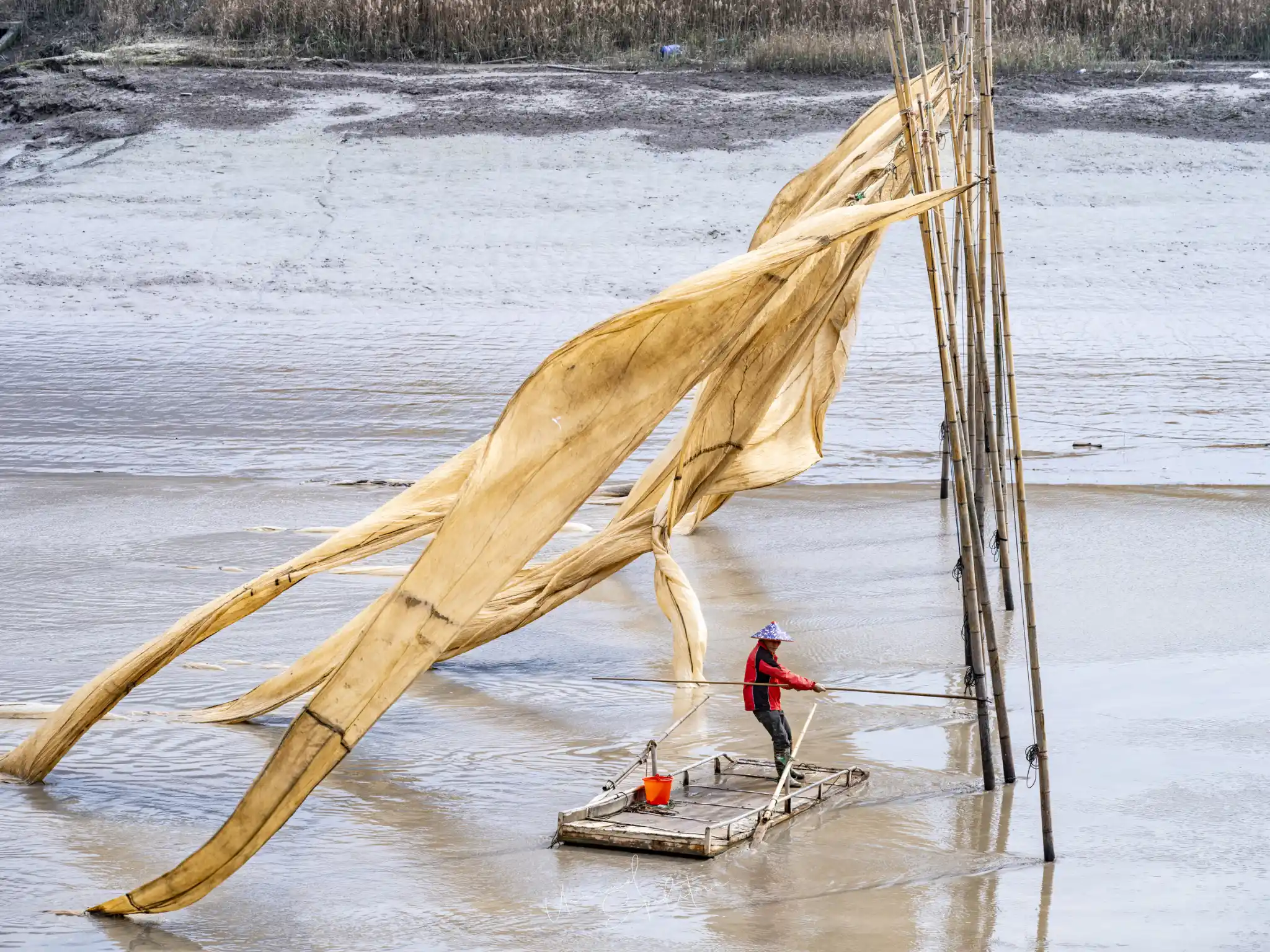
In winter the sun rises further south and later, which brings the sun over different islands and suits the east-facing bays. In late spring and early summer it rises well to the north-east, earlier, and sets further north. That changes which viewpoints line up with the sun, so a spot that works in November may not in May. A sun-position app on the phone saves a lot of guessing.
What to bring in each season
Autumn and winter mornings on the hillsides are cool and windy; bring a warm layer and gloves. Spring needs a rain jacket and something to keep the camera dry in the mist. Every season needs boots that you do not mind getting muddy and a head torch for the walk to the sunrise spots. Questions about getting there and drones are in our Xiapu photography trip FAQ.
Choose your Xiapu season with us
Tell us whether you want laver, kelp or mist and we will plan a private Xiapu trip around it. Current China departures are on our China photography tours page.
Join the Xiapu photography tour
Inner Mongolia Winter Owl Photo Tour – China departs 01 Jan 2027 To 04 Jan 2027, led by Joseph Mak. Small group, photography first. All Xiapu photography tours.
Explore Xiapu in depth
- Xiapu Photography Tour: The Complete GuideChina
- Xiapu Photography Trip FAQ: Getting There, Visas, Drones, TidesChina
- Xiapu Mudflats Photo Spots: Sunrise, Sunset and the Pole BaysChina
- Xiapu Fishermen and She Village PhotographyChina
Upcoming Photo Tours
- Egypt Photo Tour – EgyptEgypt 12 Dec 2026 To 20 Dec 2026
- Inner Mongolia Winter Owl Photo Tour – ChinaChina 01 Jan 2027 To 04 Jan 2027
- Inner Mongolia Winter Photo Tour – ChinaChina 05 Jan 2027 To 11 Jan 2027
- Mekong And Central Highland Vietnam Photo Tour - VietnamVietnam 16 Jan 2027 To 24 Jan 2027