
What Do I Need to Travel to Ethiopia? Photography Trip FAQ
What you need to travel to Ethiopia from Singapore: visa, yellow fever, safety advice, drones, cash and photographing people.
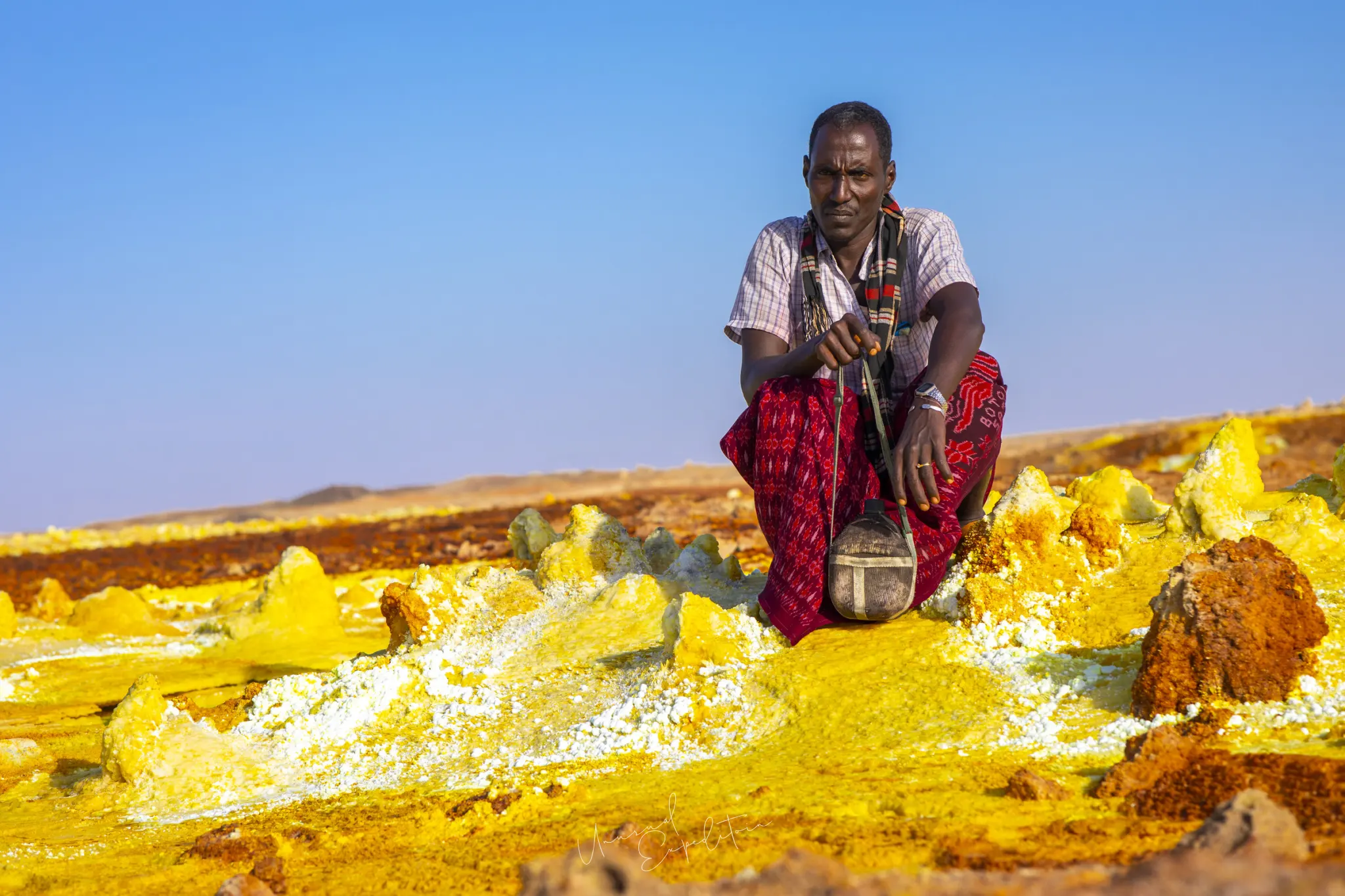
What do I need to travel to Ethiopia? On a Singapore passport you need a visa arranged before you fly, a passport valid for at least six months after you leave Ethiopia, and a yellow fever vaccination, which Singapore checks on your return. For a photography trip add a clear view of the travel advice for each region, cash in Ethiopian birr, modest clothes, and no drone unless you have permission in advance. This FAQ answers those questions and the others photographers ask us most.
For the overview of where to go, start with our Ethiopia photography tour guide.
What do I need to travel to Ethiopia?
Singapore's Ministry of Foreign Affairs says Singaporeans are required to apply for a visa before travelling to Ethiopia and need at least six months' validity on their passport on the expected date of departure from Ethiopia. The official route is Ethiopia's e-visa portal, evisa.gov.et, which also sets the fee and the length of the visa; check both there before you apply, and print the approval to show at the airport. The MFA suggests contacting your travel agent or the Honorary Consulate-General of Ethiopia in Singapore for the latest information. Add travel insurance that covers the regions you plan to visit, and the yellow fever certificate covered below. If you bring specialist camera or audio equipment, the FCDO notes that special customs rules may apply.
Is it safe to visit Ethiopia?
Whether it is safe to visit Ethiopia depends on where you go. As at November 2026 the UK Foreign, Commonwealth and Development Office advises against all travel to the Amhara region, which includes Lalibela and Gondar, and to Tigray, and against all but essential travel to most of the Afar region, home of the Danakil Depression; it also reports that foreign visitors cannot currently fly into Afar's airports. Much of the south, including the Omo Valley away from the borders with Kenya and South Sudan, is not under those warnings. Singapore's Ministry of Foreign Affairs asks travellers to stay alert to unrest that can escalate quickly, to avoid protests, and to eRegister their trip. We plan only the regions that the advice allows and check it again before each trip.
Vaccines required for travel to Ethiopia
The vaccine that matters most for travel to Ethiopia from Singapore is yellow fever. Singapore's Ministry of Foreign Affairs points out that, according to the World Health Organization, there is a risk of yellow fever transmission in Ethiopia, and that every traveller arriving in Singapore from such a country must show a valid yellow fever vaccination certificate to the immigration officer; the certificate only becomes valid 10 days after vaccination, and travellers without one are liable to quarantine. Get the vaccination in good time. For other vaccines and for malaria, whose risk varies with region and altitude, see a travel clinic before you go.
Can I fly a drone in Ethiopia?
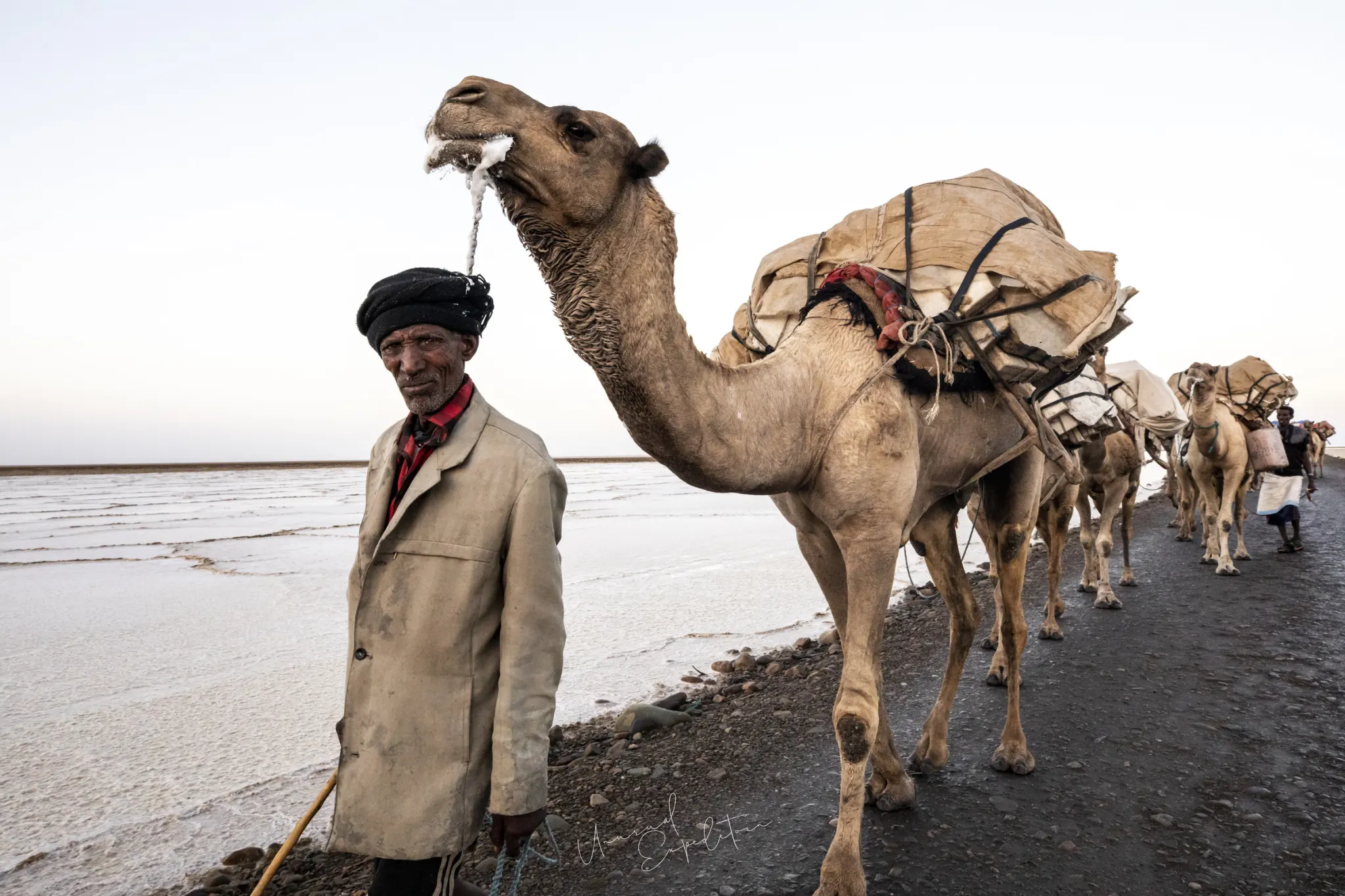
You cannot simply bring a drone to Ethiopia. The FCDO states that it is illegal to import or export drones, satellite phones or binoculars without prior approval from the authorities, and that flying a drone needs permission from the Ethiopian Civil Aviation Authority and the Information Network and Security Agency. Unapproved items can be confiscated at the airport. Binoculars on that list surprise many birders and wildlife photographers, so ask before you pack them. Photography near military sites, of soldiers and police, and anywhere with signs prohibiting it is also illegal, according to the FCDO, so keep the camera down at checkpoints.
Can I photograph people in Ethiopia?
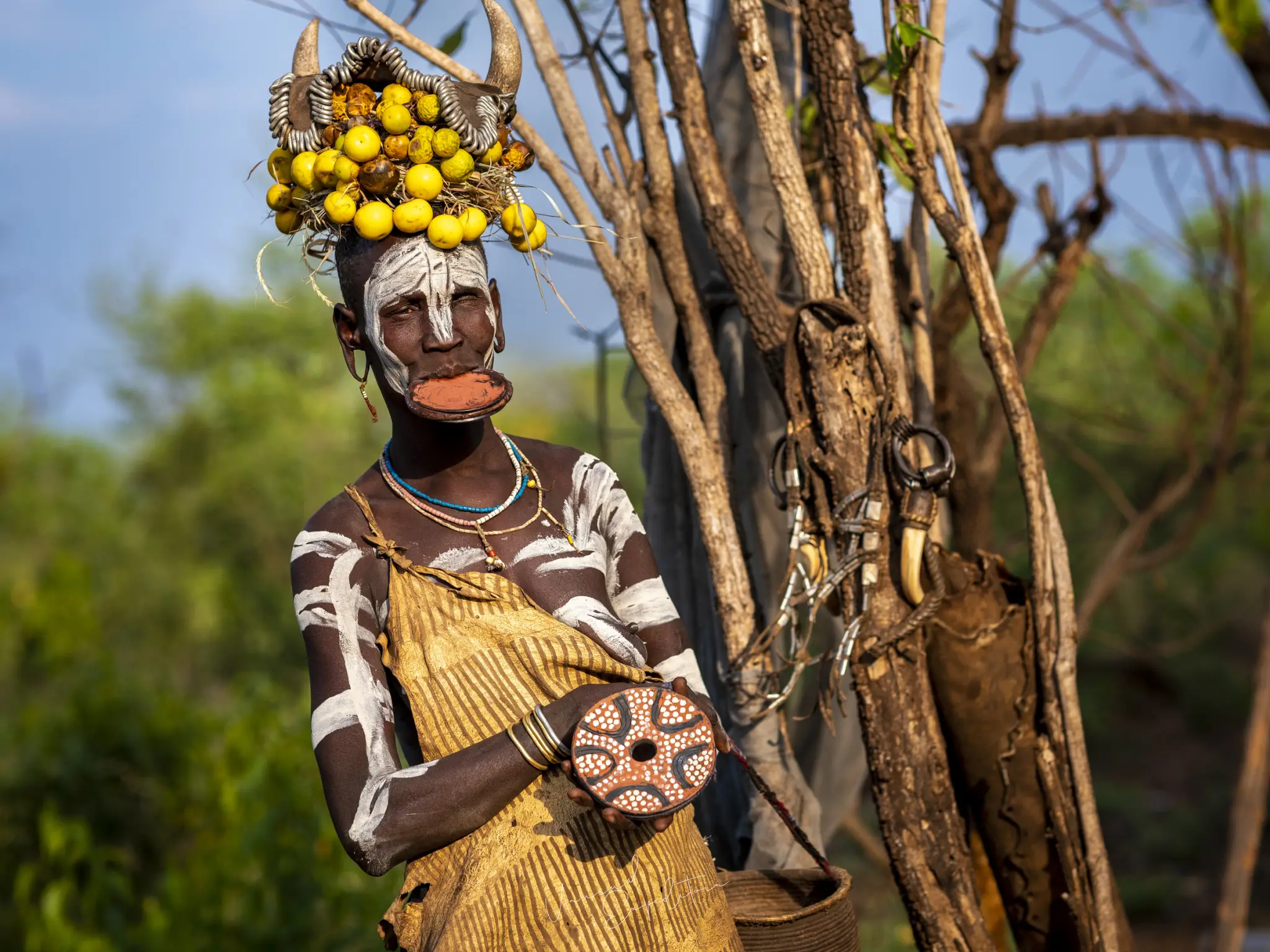
You can photograph people in Ethiopia, and many are happy to be photographed, but always ask first. In Lalibela, priests and pilgrims are used to cameras, and a greeting, some time and a small offering to the church go a long way. In the Omo Valley, payment for photographs is the norm and is agreed through a local guide, by village or per picture; the anthropologist David Turton's site mursi.org describes how that trade has strained relations, so go slowly and be fair. We do not photograph children anywhere. Singapore's Ministry of Foreign Affairs describes Ethiopia as a conservative society and asks visitors to dress and behave modestly.
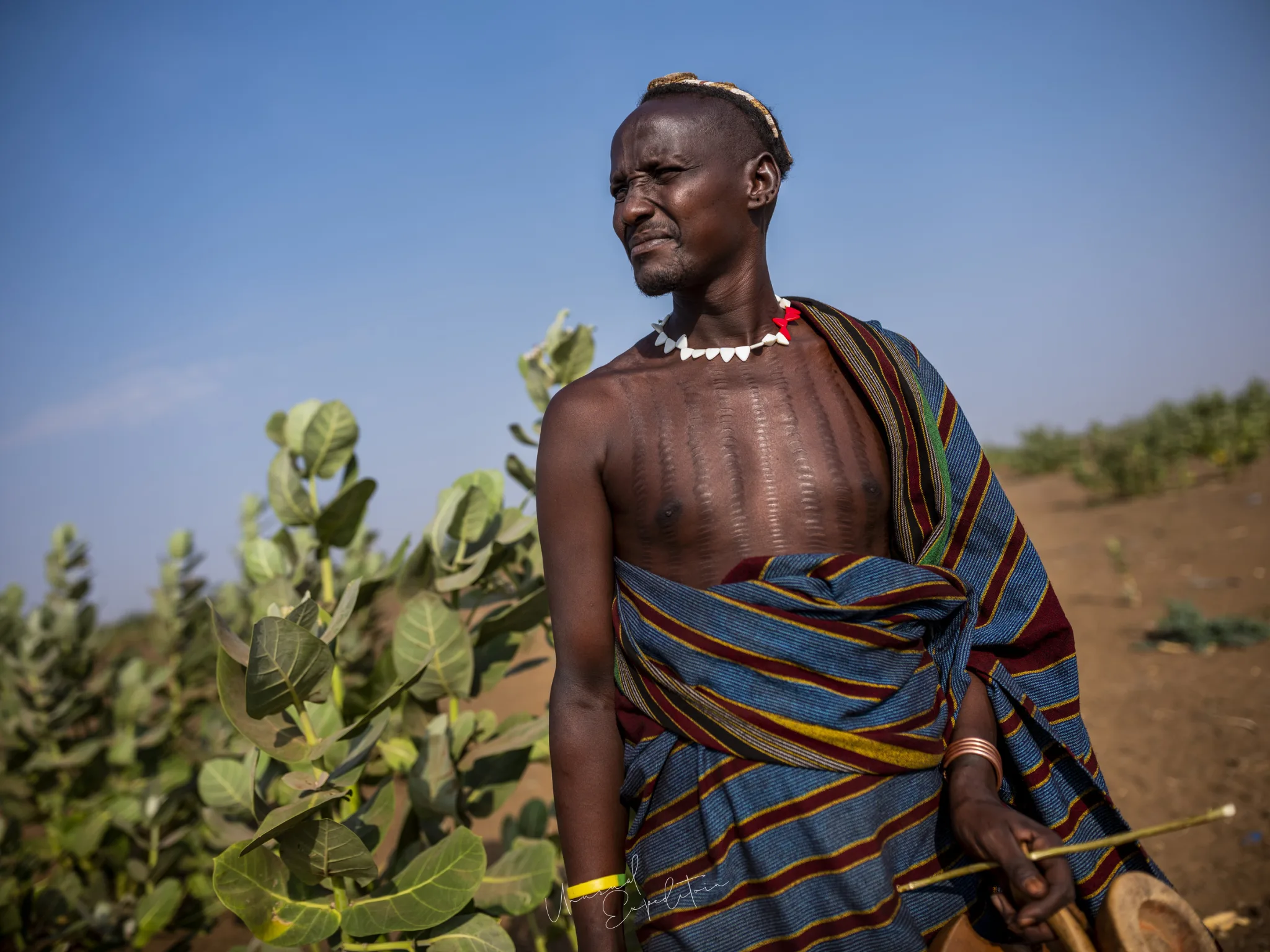
The Omo Valley taught me to put the camera down first. Sit, talk through the guide, agree what is fair, and then make one good portrait instead of twenty rushed ones.
Joseph Mak, tour leader, Unusual Expedition
Money in Ethiopia: cash, cards and birr
Ethiopia is a cash-based society, the FCDO says, and card payments and cash machines are limited and unreliable outside the cities. Change money or withdraw birr in Addis Ababa before heading to Lalibela, the Danakil or the Omo, and carry small notes for offerings, photo fees, tips and markets. The FCDO also notes a limit on how much Ethiopian birr you may carry into or out of the country, and a requirement to declare large amounts of foreign currency, so check its current figures before you travel. Some hotels and airlines take cards; most villages do not.
What time is it in Ethiopia, and what is the Ethiopian clock?
Ethiopia is on East Africa Time, five hours behind Singapore. Two local systems catch visitors out. Ethiopia keeps its own calendar, about seven to eight years behind the Gregorian one, with twelve months of thirty days and a short thirteenth month; Timket, for example, falls on 11 Tir in that calendar, which is 19 January. And many Ethiopians use the Ethiopian clock, which the FCDO mentions, counting the hours from dawn, so "two o'clock" in conversation can mean early morning. Ask whether a time is "Ethiopian time" or "foreign time".
What language is spoken in Ethiopia?
Amharic is widely spoken across Ethiopia and is the everyday language in the north, including Lalibela, where church services are in the old liturgical language Ge'ez. Afar is spoken in the Danakil, and the Omo Valley has many languages of its own. English is common in hotels and among guides. A few words of greeting in Amharic are always welcome.
What camera gear should I bring?
A 24-70mm covers most of Ethiopia, from church interiors to market portraits. Add a 16-35mm for the Danakil and the churches from above, a fast 85mm for portraits, and a 70-200mm only if you are coming for Timket. Bring a blower and sealed bags for dust, spare batteries for power cuts, and a camera cover for the Timket pool. The best time to photograph Ethiopia page covers seasons, and Ethiopia tour from Singapore covers flights and the return.
Plan Ethiopia with us
We run Ethiopia as a private trip on request, in the regions travel advice allows, and arrange all logistics to your needs. A photographer or photography coaching can be added at extra cost. Any scheduled departure appears on our Ethiopia photography tours page.
Ethiopia photography tours
The next Ethiopia departure is announced on the Ethiopia photography tours page, with previous expeditions and all the planning guides.
Explore Ethiopia in depth
- Photography in Ethiopia: Lalibela, the Danakil and the Omo ValleyEthiopia
- Ethiopia Tour From Singapore: Flights, Visa and the ReturnEthiopia
- Best Time to Visit Ethiopia for Photography, Month by MonthEthiopia
Upcoming Photo Tours
- Egypt Photo Tour – EgyptEgypt 12 Dec 2026 To 20 Dec 2026
- Inner Mongolia Winter Owl Photo Tour – ChinaChina 01 Jan 2027 To 04 Jan 2027
- Inner Mongolia Winter Photo Tour – ChinaChina 05 Jan 2027 To 11 Jan 2027
- Mekong And Central Highland Vietnam Photo Tour - VietnamVietnam 16 Jan 2027 To 24 Jan 2027