
Best Time to Visit Ethiopia for Photography, Month by Month
Best time to visit Ethiopia for photography: dry season, Timket and Genna, the Danakil's cooler months and the Omo's rains, by month.
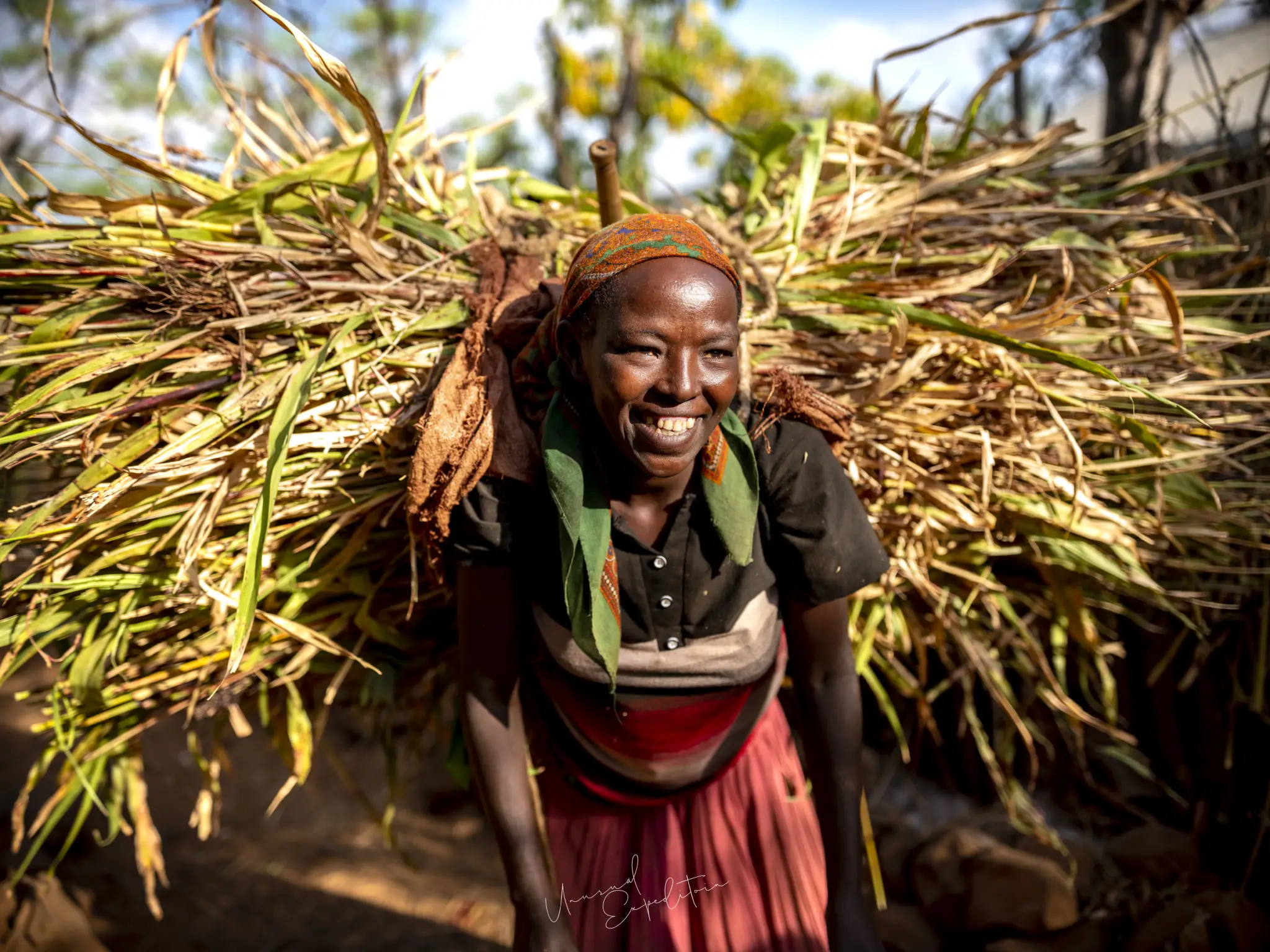
The best time to visit Ethiopia for photography is the dry months, roughly October to February, with January the standout month because Genna and Timket fill Lalibela with pilgrims and processions. The same months are the coolest, most bearable time in the scorching Danakil Depression, and a reasonable window for the Omo Valley in the south. The main rains, from June to September, make the northern highlands wet, cloudy and hard to travel.
The Ethiopia photography tour guide covers the three regions we photograph, entry and flights from Singapore.
Ethiopia weather by month: the three seasons
Ethiopia weather by month follows three seasons that the Ethiopia Meteorology Institute uses in its national bulletins. Kiremt, the main rainy season, runs from June to September and brings most of the year's rain to the highlands. Bega, the dry season, follows from about October to January for most of the country, though the Institute notes the southwest and some southern lowlands behave differently. Belg, the small rains, comes between about February and May, with shorter and less reliable showers. Altitude matters as much as season: Lalibela and Addis Ababa in the highlands are mild by day and cool at night, the Danakil far below them is hot in every month, and the Omo Valley in the south is hot and humid, with its own rains. That is why a single "best month" means different things in each region.
When is the best time to visit Ethiopia for each region?
| Month | Lalibela and the north | Danakil Depression | Omo Valley |
|---|---|---|---|
| January | Best: dry, Genna and Timket | Cooler season, good | Dry, good |
| February | Dry, quieter | Cooler season, good | Dry, good |
| March | Dry to small rains | Heat building | Rains begin in many years |
| April, May | Small rains, Fasika (Easter) | Very hot | Wettest months in the south |
| June to August | Main rains | Extreme heat | Drier spell, possible |
| September | Rains ending, Meskel late in the month | Extreme heat | Possible |
| October | Good: green and clear | Heat easing | Short rains in many years |
| November, December | Good: dry, clear | Cooler season begins, good | Drying out, good later |
The south's rains vary from year to year, so treat the Omo column as a guide and check the season before you go.
Best time to visit Lalibela and the northern highlands
For Lalibela and the northern highlands the best months are October to February. October and November give green hills after the rains, clear air and quiet churches; January gives the two great feasts. Genna, the Ethiopian Christmas on 7 January, brings pilgrims from across the country, and Timket, the Epiphany, follows on 19 January, a date fixed by the Ethiopian calendar that the Ethiopian News Agency notes moves to 20 January once every four years. UNESCO, which lists Timket as intangible heritage of humanity, describes the eve as the day the tabots are carried to the water and the main day as the day the water is blessed. The best time to visit Lalibela page goes into the north month by month.
Best time to visit the Danakil Depression
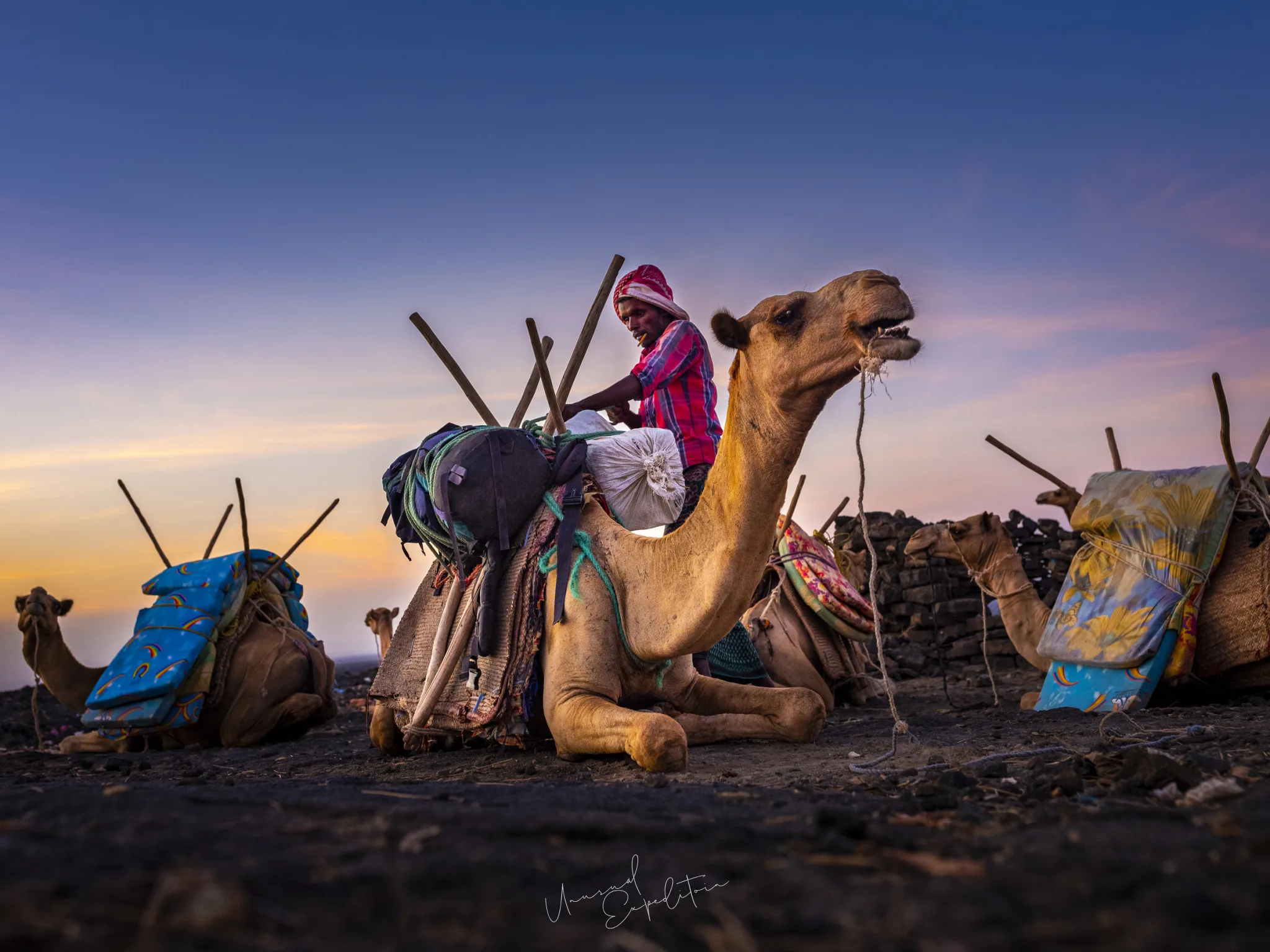
The Danakil Depression is never cool, so the best time to visit is simply the least hot: the months around the turn of the year, roughly November to February, which travel companies that run Danakil expeditions consistently recommend. From about April to September the heat is extreme and visits are hard on people and cameras alike. Within any day, the light follows the heat. Sunrise on the salt flat, with caravans and their reflections, and sunset among the rock formations, are when we photograph; the middle of the day is for shade. At Erta Ale the lava lake shows best after dark, but its activity varies and sometimes there is little to see. Travel advice matters here too: the FCDO currently advises against all but essential travel to most of Afar.
For Ethiopia I always start with the calendar. Timket sets the date for the north, the heat sets it for the Danakil, and the rains set it for the south. Get those three right and the pictures look after themselves.
Joseph Mak, tour leader, Unusual Expedition
Best time to visit the Omo Valley
The Omo Valley in the far south has a different rhythm from the highlands. The Ethiopia Meteorology Institute notes that the southern lowlands do not follow the national dry season, and the south generally sees a main rainy spell around spring and shorter rains around October and November. The drier months around December to February are the easiest for travel on the dirt roads between villages and for the markets that draw people from the surrounding area. Light in the valley is hard and hot by mid-morning, so portraits work best early and late, in open shade or the warm side light at the end of the day. Weekly markets are the best time to see many peoples together; ask your guide which market falls on which day.
Festivals in Ethiopia through the year
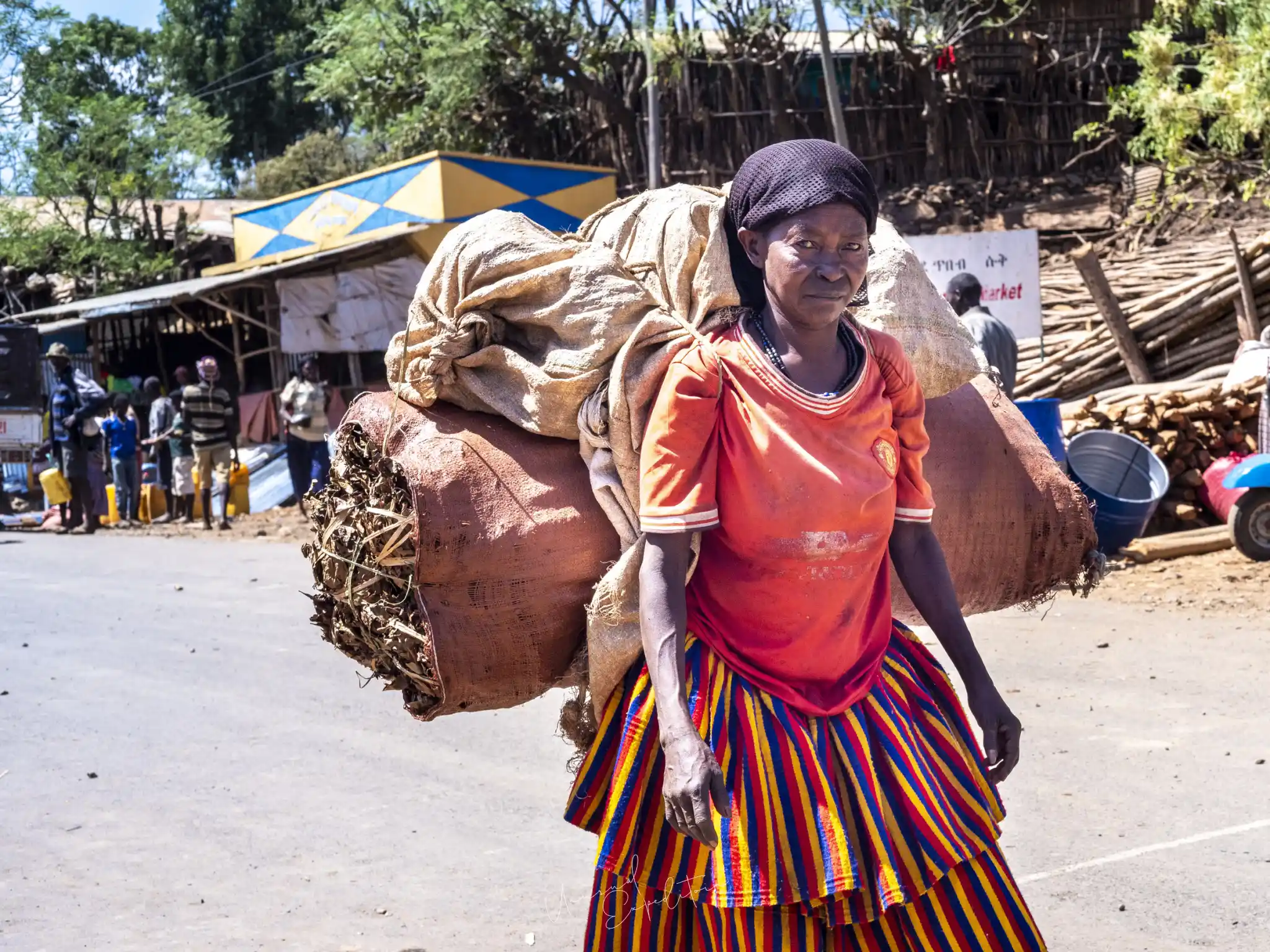
Ethiopia's festivals are the other reason to choose a month. The ones that shape our trips are Genna on 7 January, Timket on 19 January, Fasika, the Ethiopian Easter, which moves with the Orthodox calendar, and Meskel at the end of September, the finding of the True Cross, which UNESCO added to its intangible heritage list in 2013 and which is celebrated with huge bonfires. Enkutatash, the Ethiopian New Year, falls in September at the end of the rains. All of them bring crowds, so book early.
What to pack for each season
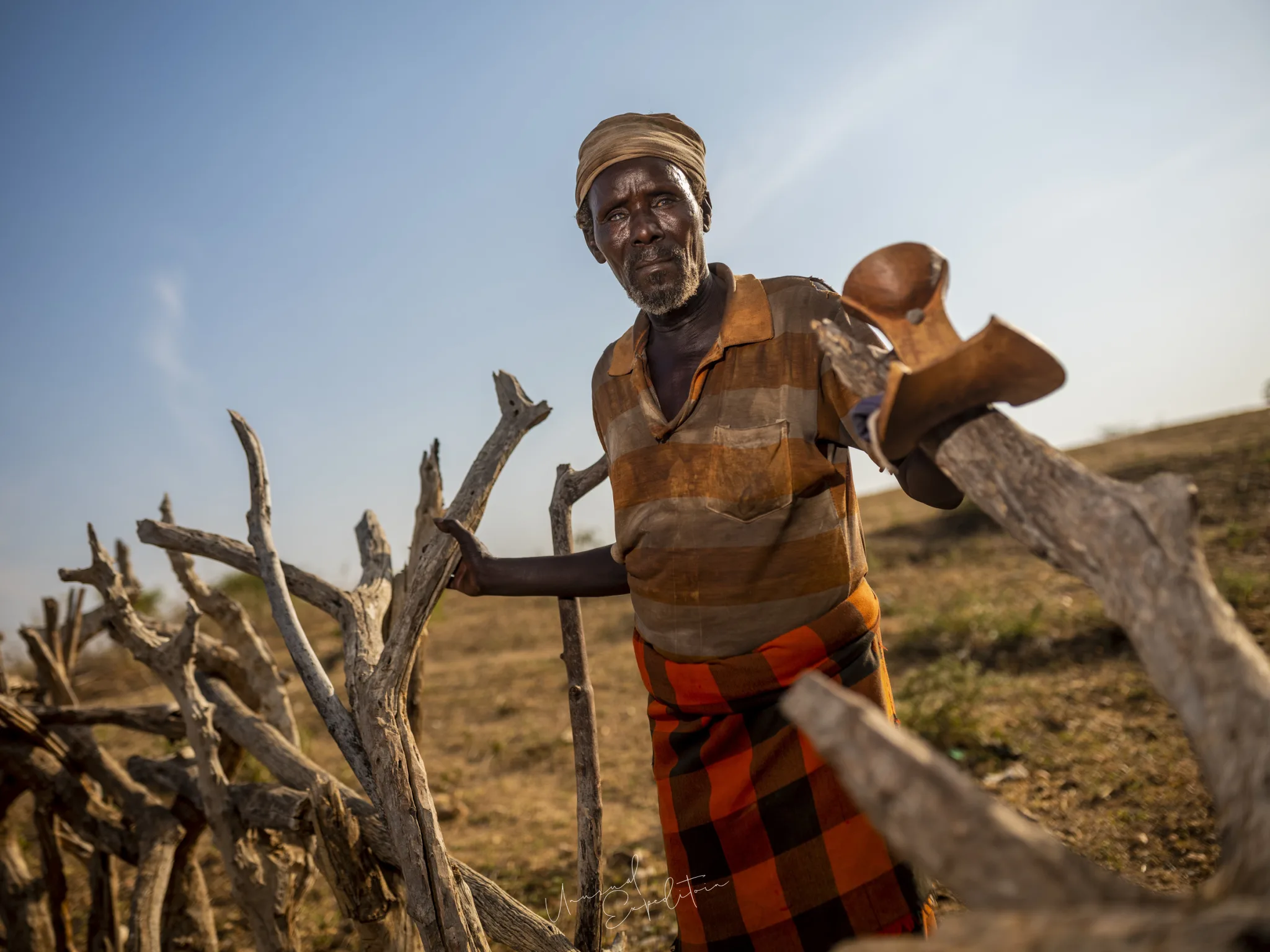
Pack for altitude and heat on the same trip. In the highlands bring a fleece or a light down jacket for cold mornings and evenings, and sun protection for bright days; in the Danakil, light long sleeves, a wide hat, plenty of water capacity and boots for sharp lava; in the Omo, light, modest clothes and insect repellent. Dust gets into everything in the dry season, so bring a blower and change lenses as little as possible. The Ethiopia photography trip FAQ covers vaccinations and health, and Ethiopia tour from Singapore covers flights.
Choose your month with us
We run Ethiopia as a private trip on request, timed for Timket, the Danakil's cooler season or the Omo's dry months, in the regions that travel advice allows. Ask at least two months ahead, and earlier for January. Any scheduled departure appears on our Ethiopia photography tours page.
Ask us about the best month for Ethiopia
Ethiopia photography tours
The next Ethiopia departure is announced on the Ethiopia photography tours page, with previous expeditions and all the planning guides.
Explore Ethiopia in depth
- Photography in Ethiopia: Lalibela, the Danakil and the Omo ValleyEthiopia
- Ethiopia Tour From Singapore: Flights, Visa and the ReturnEthiopia
- What Do I Need to Travel to Ethiopia? Photography Trip FAQEthiopia
Upcoming Photo Tours
- Egypt Photo Tour – EgyptEgypt 12 Dec 2026 To 20 Dec 2026
- Inner Mongolia Winter Owl Photo Tour – ChinaChina 01 Jan 2027 To 04 Jan 2027
- Inner Mongolia Winter Photo Tour – ChinaChina 05 Jan 2027 To 11 Jan 2027
- Mekong And Central Highland Vietnam Photo Tour - VietnamVietnam 16 Jan 2027 To 24 Jan 2027