
Photography in Ethiopia: Lalibela, the Danakil and the Omo Valley
Photography in Ethiopia: Lalibela's churches and Timket, the Danakil's salt and lava, Omo Valley portraits, plus visas and flights.
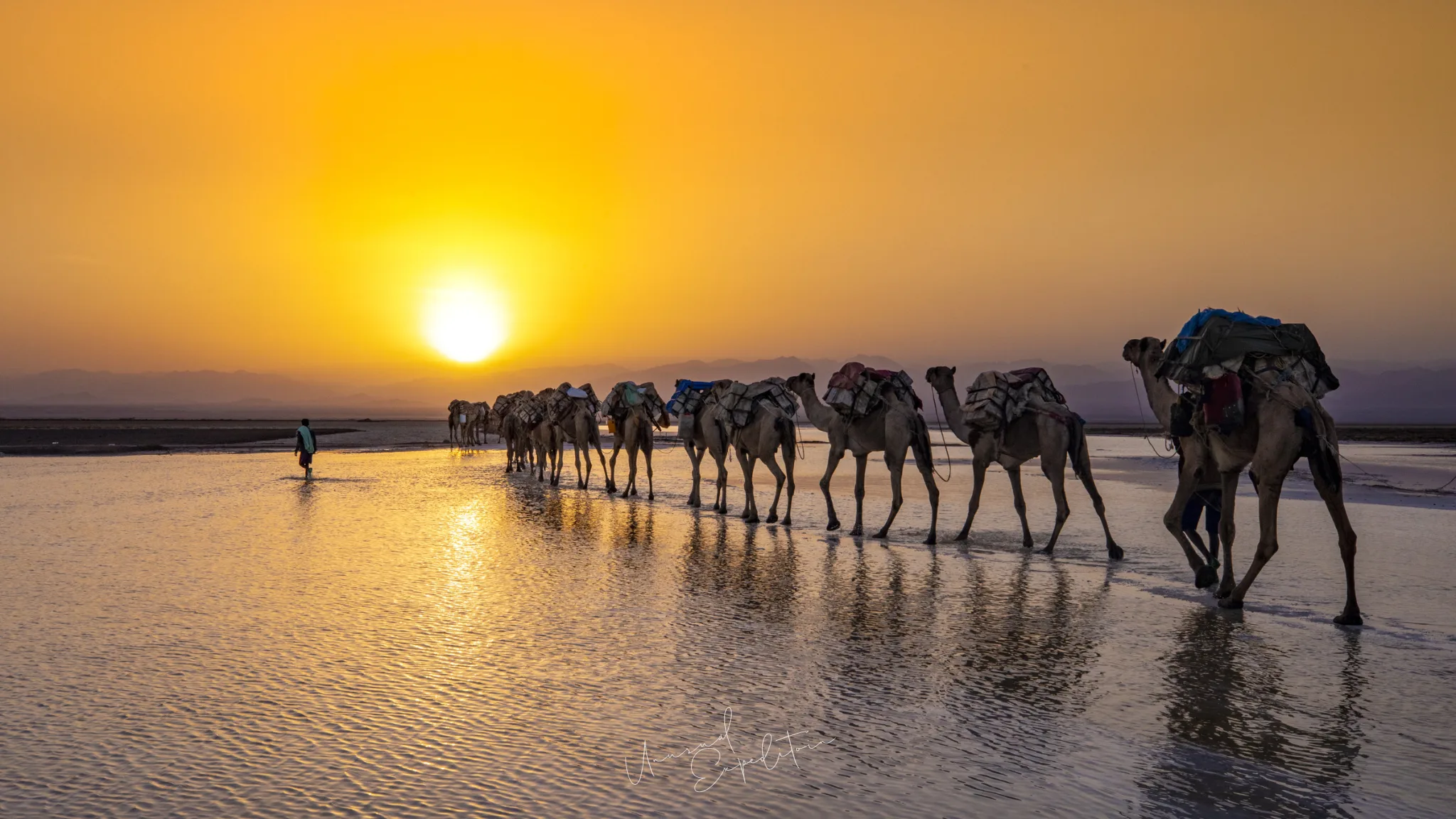
Photography in Ethiopia covers three very different worlds: the rock-hewn churches and festivals of Lalibela in the northern highlands, the salt flats, sulphur springs and lava of the Danakil Depression in the far north-east, and the cattle-herding peoples of the Omo Valley in the far south. Each needs its own season, lens and manners, and the country's travel advice now shapes which of them you can visit. This guide brings the three together and sets out entry, money and flights from Singapore once.
The photographs in this guide are our own, taken on our trips in Ethiopia; we hold the rights to them, and the notes come from knowing these places first hand. Lalibela has its own cluster of destination guides, starting with our Lalibela photography tour guide.
Photography in Ethiopia: the three regions we photograph
Photography in Ethiopia for us means Lalibela, the Danakil and the Omo Valley, and they could hardly be more different.
| Region | What you photograph | Best months | Main lens |
|---|---|---|---|
| Lalibela (north) | Rock-hewn churches, priests, pilgrims, Timket and Genna | October to February, Timket in January | 24-70mm |
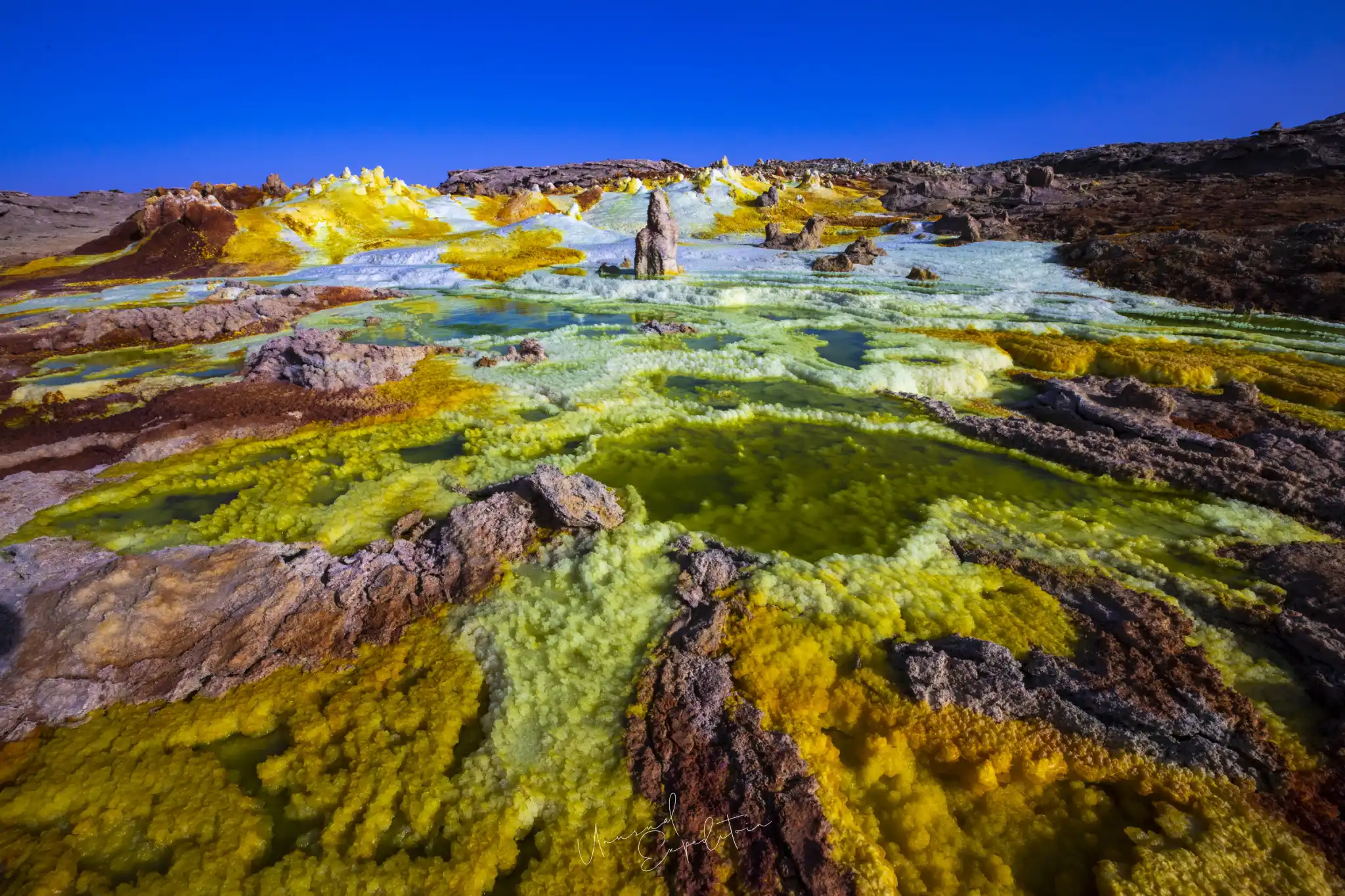
| Danakil Depression (north-east) | Dallol's coloured pools, salt caravans, Erta Ale's lava | The cooler months, roughly November to February | 16-35mm and 24-70mm |
| Omo Valley (south) | Portraits of the Mursi, Hamer and other peoples, markets, cattle camps | The drier months; avoid the heaviest rains | 24-70mm and 85mm |
Few trips manage all three at once; most photographers choose one or two and give them time.
Lalibela and Timket
Lalibela is the heart of Christian Ethiopia, a town of eleven medieval churches that UNESCO describes as carved out of the living rock in the Lasta mountains and still a place of pilgrimage and devotion. The churches, the priests who keep them and the white-robed worshippers who fill them make some of the finest pictures in Africa, and at Timket, the Ethiopian Epiphany on 19 January, the whole town walks its tabots to the water under velvet umbrellas. Everything about photographing there, from Bete Giyorgis to the clergy, is in the Lalibela photography tour guide and its pages on the Timkat festival and Lalibela church photos.
The Danakil Depression
The Danakil Depression in the Afar region is one of the strangest landscapes on earth and one of the hottest. At Dallol, hot springs have built terraces and pools of acid yellow, green and white over salt and sulphur, which change from visit to visit. Out on the salt flat, workers cut blocks of salt by hand, and long camel caravans carry them away across the shallow water, which mirrors the sky at sunrise. Further south, the Erta Ale volcano holds one of the few lava lakes in the world, though its activity and visibility vary. The Danakil is visited in the cooler months with an organised expedition and local escorts. As at November 2026 the FCDO advises against all but essential travel to most of Afar and notes that foreign visitors cannot currently fly into Afar's airports, so this is a region we plan only when the advice changes.
The Omo Valley
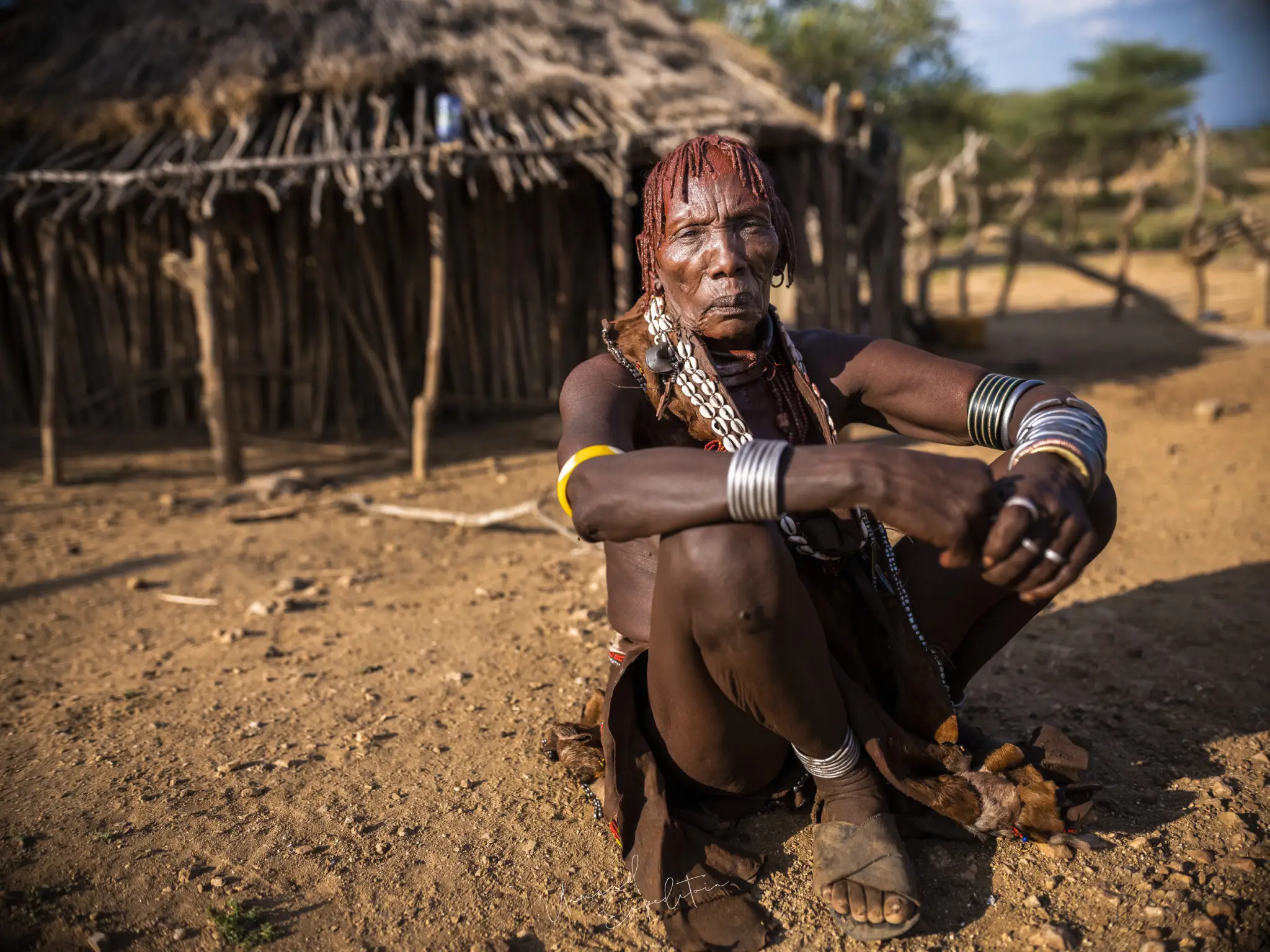
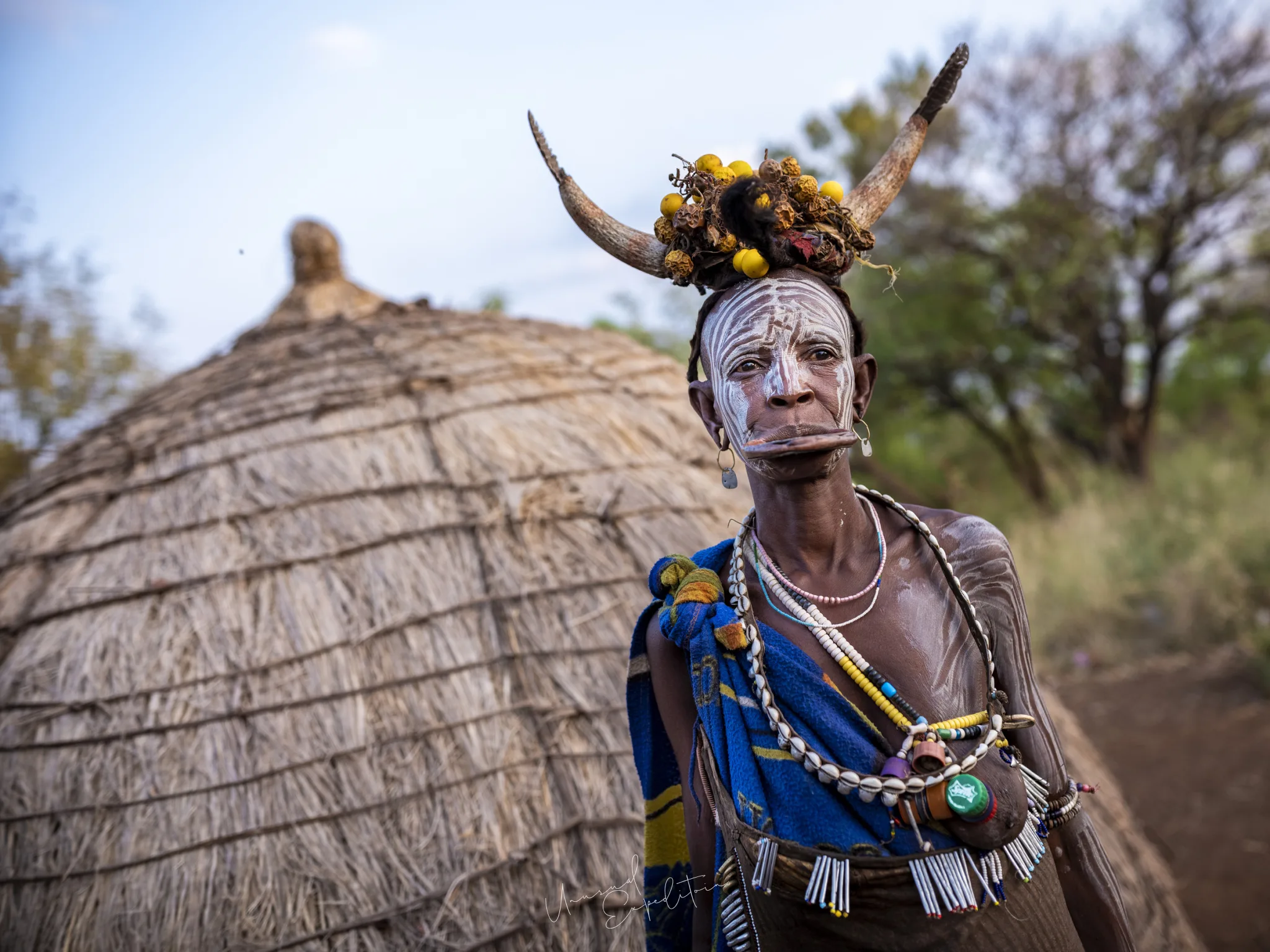
The lower Omo Valley in southern Ethiopia is home to many peoples, among them the Mursi, known for the clay lip plates some women wear, the Hamer, with ochre-coloured hair and beaded leather, and the Karo, who paint their bodies with white chalk. Visits are arranged through local guides in towns such as Jinka and Turmi, and they are as much about markets, cattle camps and daily life as about portraits. Photo tourism here has a difficult history: the anthropologist David Turton's site mursi.org documents how payment for photographs has strained relations between visitors and the Mursi. We pay what is agreed through our guide, ask every time, spend time before the camera comes out, and do not photograph children. We have run an Omo Valley Tribal Photo Tour before.
Ethiopia surprised me more than anywhere else in Africa. In one trip you can stand on a salt flat below sea level at sunrise and, days later, watch priests carry the Ark through the mountains under a hundred umbrellas.
Joseph Mak, tour leader, Unusual Expedition
Ethiopia best places to visit for photographers
Beyond our three regions, Ethiopia's best places to visit include Gondar, with its royal castles and the other great Timket celebration at Fasilides' Bath; the Simien Mountains, for escarpments and gelada monkeys; Axum, with its ancient stelae; and Lake Tana's island monasteries near Bahir Dar. We have not photographed those ourselves, so we do not write about them in detail; several lie in the Amhara and Tigray regions, where the FCDO currently advises against all travel. In Addis Ababa, the capital, Meskel Square hosts the great bonfire of Meskel at the end of September. The best time to photograph Ethiopia page sets the regions and the feasts month by month.
Entry, money and the Ethiopian calendar
Singapore passport holders need a visa for Ethiopia: Singapore's Ministry of Foreign Affairs says Singaporeans are required to apply for a visa before travelling, with at least six months' validity on the passport on the date you leave Ethiopia. Ethiopia's official e-visa portal is evisa.gov.et; check the current fee and conditions there before you apply. Ethiopia is a cash-based society, in the FCDO's words, with limited card payments and cash machines outside the cities, so carry birr for the regions. Two local customs surprise visitors: Ethiopia uses its own calendar, about seven to eight years behind the Gregorian one, and many people tell the time on the Ethiopian clock, which counts the hours from dawn, so double-check any time you are given. The Ethiopia photography trip FAQ covers vaccinations, safety, drones and more.
Flights from Singapore
Ethiopian Airlines flies between Singapore Changi and Addis Ababa several times a week, which makes Ethiopia one of the simplest African countries to reach from Singapore, and its domestic network continues to Lalibela, Gondar, Jinka and Arba Minch. Singapore's Ministry of Foreign Affairs reminds travellers returning from Ethiopia that they need a valid yellow fever vaccination certificate on arrival in Singapore. Our Ethiopia tour from Singapore page covers flights, visas and the return in detail.
Is Ethiopia safe to visit now?
Ethiopia's safety picture differs sharply by region. As at November 2026 the UK FCDO advises against all travel to the Amhara and Tigray regions and to several border areas, and against all but essential travel to most of Afar, while much of the south, including the Omo Valley away from the Kenyan and South Sudanese borders, is not under those warnings. Singapore's Ministry of Foreign Affairs asks travellers to stay alert to unrest that can escalate quickly and to eRegister their trip. We plan each region only when the advice allows and check it again before every departure.
Explore Ethiopia by region
- Lalibela photography tour guide: rock-hewn churches, priests and Timket.
Also in this series: best time to photograph Ethiopia, the Ethiopia photography trip FAQ and Ethiopia tour from Singapore.
Photograph Ethiopia with us
We have no scheduled Ethiopia departure at the moment. We run Ethiopia as a private trip on request, for individuals, families, couples and photographers who want to travel at their own pace, to the regions that travel advice allows. We arrange all logistics to your needs, the cost can be lower than our group tours because no tour leader travels, and a photographer or photography coaching can be added at extra cost. Ask at least two months ahead. Any scheduled departure is listed on our Ethiopia photography tours page.
Ethiopia photography tours
The next Ethiopia departure is announced on the Ethiopia photography tours page, with previous expeditions and all the planning guides.
Explore Ethiopia in depth
- Ethiopia Tour From Singapore: Flights, Visa and the ReturnEthiopia
- What Do I Need to Travel to Ethiopia? Photography Trip FAQEthiopia
- Best Time to Visit Ethiopia for Photography, Month by MonthEthiopia
Upcoming Photo Tours
- Egypt Photo Tour – EgyptEgypt 12 Dec 2026 To 20 Dec 2026
- Inner Mongolia Winter Owl Photo Tour – ChinaChina 01 Jan 2027 To 04 Jan 2027
- Inner Mongolia Winter Photo Tour – ChinaChina 05 Jan 2027 To 11 Jan 2027
- Mekong And Central Highland Vietnam Photo Tour - VietnamVietnam 16 Jan 2027 To 24 Jan 2027