
Japan Photography Trip FAQ: Visas, Drones, Tripods, Temples and People
Japan photography tips and FAQ: visa for Singaporeans, Visit Japan Web, drones, tripods, temple rules, geisha, gear and cash.
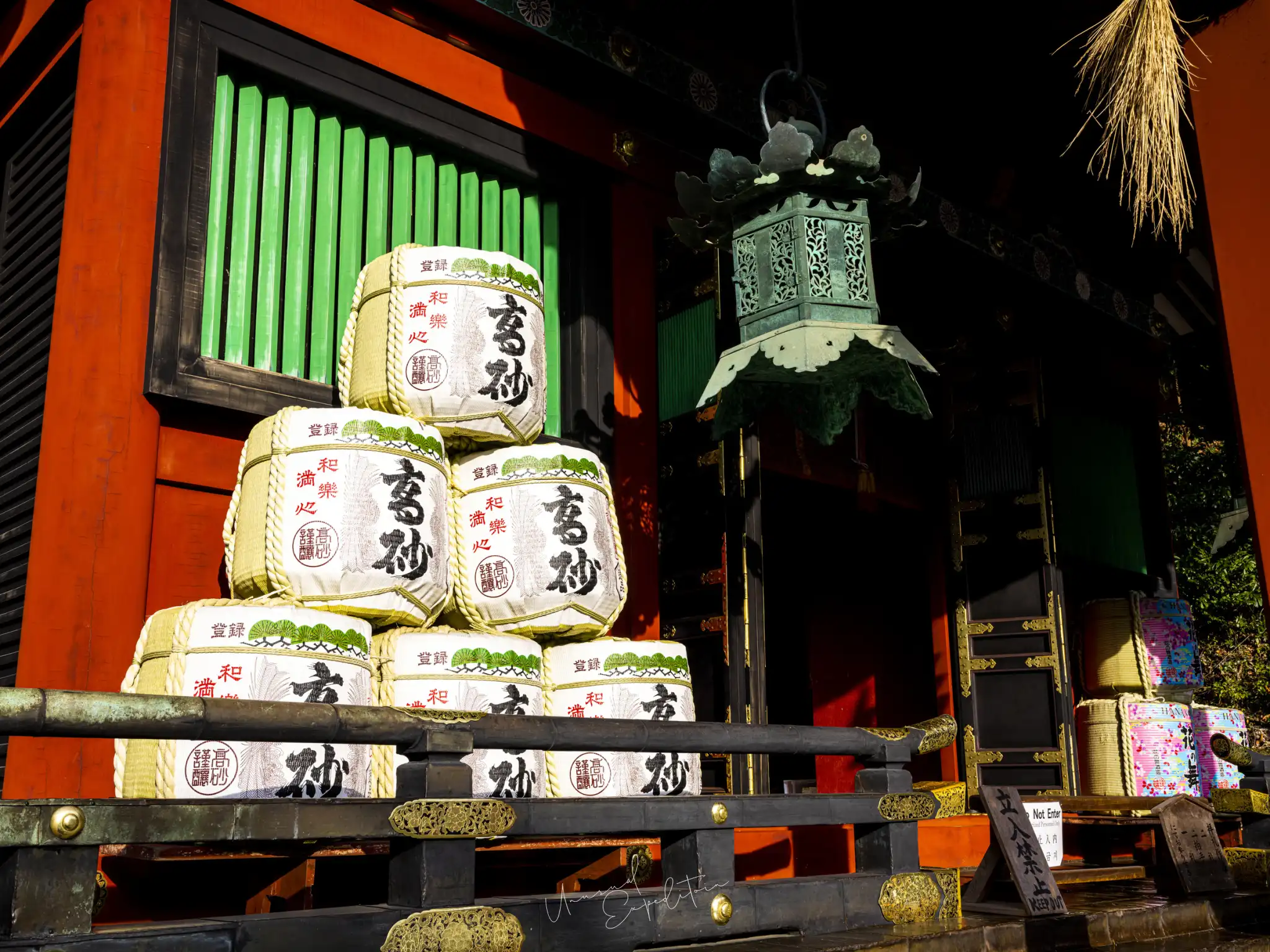
The Japan photography tips people ask us for most are about entry, drones, tripods, temple rules and photographing people. The short answers: Singapore citizens need no visa for a short visit, drones need registration and usually permission, tripods are unwelcome in busy temples and stations, photography is often banned inside temple halls, and people in Japan expect to be asked before a close portrait. The answers below take each question in turn, from our own trips around the country.
This FAQ belongs to our Japan photography tour guide, which introduces the regions and seasons. For timing, see the best time to photograph Japan.
Do Singaporeans need a visa for Japan?
No, not for a short visit. According to the Embassy of Japan in Singapore and the Singapore Ministry of Foreign Affairs, Singapore citizens can visit Japan without a visa for up to 90 days as temporary visitors; paid work is not allowed, and longer stays or work need a visa. Japan is reported to be planning an electronic pre-travel authorisation for visa-free visitors, so check the Embassy of Japan's website before you book. Japan is one hour ahead of Singapore.
How to go to Japan as a tourist: Visit Japan Web
Visit Japan Web, run by Japan's Digital Agency, lets you complete your immigration and customs declarations online before you land, then show QR codes at the airport. It is a website, not an app; the Digital Agency warns that fake apps imitating it exist. The paper forms are still accepted, but the online route is quicker on arrival. Singapore Airlines lists direct flights from Singapore to Tokyo, Osaka, Nagoya and Fukuoka, which between them reach every region in our guides.
Can I fly a drone in Japan?
Sometimes, with preparation. Under Japan's civil aviation rules, drones of 100 grams or more must be registered with the Ministry of Land, Infrastructure, Transport and Tourism and carry a remote identification function, and flying over densely inhabited districts, which cover most of Kyoto, Osaka and Tokyo, needs the ministry's permission. A separate law enforced by the National Police Agency bans flights over important facilities. On top of that, most temples, shrines, parks and castles forbid drones on their land. In practice, drone photography in Japan works in the countryside with permits arranged well ahead, not in the cities.
Can I take photos in Japanese temples and shrines?
Outside, almost always; inside, it depends. Many temples forbid photography inside their halls, in front of altars and in some gardens, and they say so on signs at the gate or the hall door. Shrines are similar. Where photography is allowed, keep it discreet during prayers and ceremonies, never use flash on statues or painted interiors, and do not step past ropes or barriers for an angle. Todai-ji in Nara allows photography inside the Great Buddha Hall; many smaller temples in Kyoto do not. When in doubt, ask at the office.
Can I see Mount Fuji on any day?
No. Mount Fuji is famously shy: in summer it can stay hidden in cloud and haze for days, and even in the clear season it often clouds over by late morning. The best chances are from late autumn to early spring, at dawn and in the first hours of the day. Plan more than one morning near the mountain and treat each clear view as a bonus. Our Mount Fuji photography tour guide covers where to stand.
Is it OK to photograph geisha in Kyoto?
Only with respect, and never where it is forbidden. Residents in Gion have put up signs banning photography on the district's private lanes, after years of visitors chasing geiko and maiko for pictures. Hanamikoji, the main street, is a public road, but blocking someone's way or following them for a photograph is unacceptable anywhere. The right way to photograph Kyoto's traditional arts is through an arranged session or performance where the photographs are part of the agreement. The Kyoto and Osaka photography tour guide covers the city's other rules.
Is it OK to photograph people on the street in Japan?
Crowds, backs and silhouettes, yes; close portraits, ask first. People in Japan value their privacy, and many are uncomfortable being singled out by a stranger's camera, especially children, who you should not photograph without a parent's clear agreement. A smile, a gesture to the camera and a nod is usually enough to ask. Street photography in places like Tokyo's Shibuya crossing or Osaka's Umeda is about the flow of the crowd, which raises no concerns. Avoid photographing people on trains and in onsen areas entirely.
"Japan is the easiest country in the world to travel with a camera, as long as you remember you are a guest. Read the sign at the temple gate, keep the tripod in the bag when it is busy, and ask before a portrait. Do that and people are endlessly kind."
Joseph Mak, tour leader, Unusual Expedition
Can I use a tripod in Japan?
In the right places. Tripods are banned in many temples, on busy station platforms and in crowded shopping streets, and they are impractical in narrow places like the torii tunnels of Fushimi Inari when visitors are around. They are fine in parks, along rivers and coasts and in the countryside, and at quiet hours at many city viewpoints. A small travel tripod for dawn and night, a beanbag or a rail to rest on, and a stabilised lens cover nearly every need. Wildlife hides in Hokkaido usually have room for a tripod or a gimbal head.
Japan photography tips: what camera gear to bring
| Trip | Core lenses | Extras |
|---|---|---|
| Kyoto, Osaka and the cities | 16-35mm, 24-70mm | Fast prime for night, small tripod |
| Mount Fuji and landscapes | 24-70mm, 70-200mm | Tripod, filters |
| Hokkaido in winter | 100-400mm or longer, 24-70mm | Spare batteries, warm gloves, rain cover for snow |
| Western Japan and the islands | 16-35mm, 24-70mm, 70-200mm | Polariser for water and sky |
One body with a 24-70mm covers most of Japan; the long lens is what Hokkaido adds.
How do I get around Japan with camera gear?
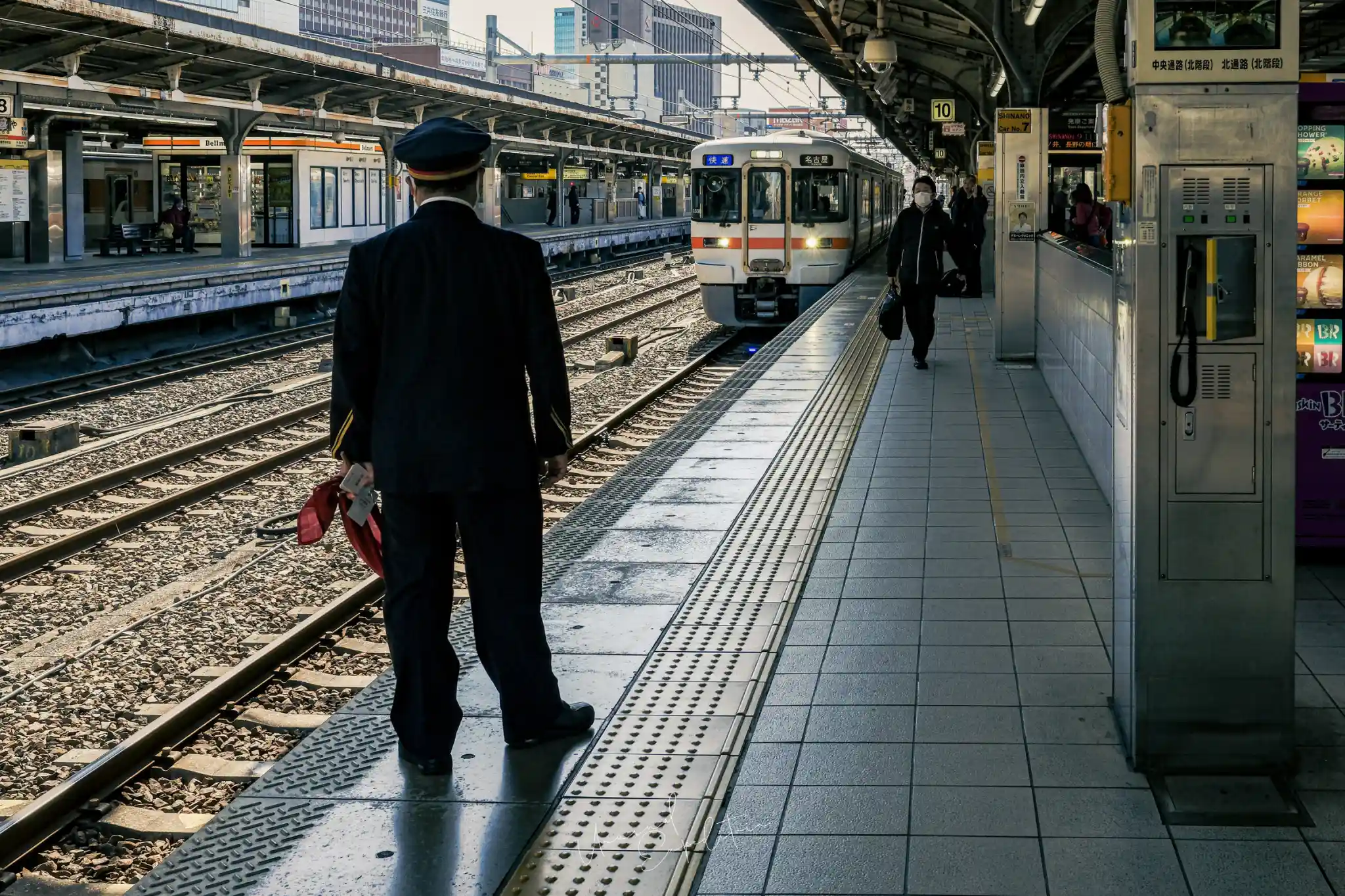
Japan's trains are excellent, but large bags are awkward on them, and some long-distance trains require a reservation for oversized luggage. The answer most travellers use is luggage forwarding: hotels and convenience stores send your suitcase ahead to the next hotel, and you travel with a camera bag only. In the countryside, Hokkaido in winter and much of western Japan, a vehicle with a driver who knows the roads is worth having for dawn starts.
Do I need cash in Japan?
Cards are widely accepted in cities, hotels and larger shops, and transport cards work on most urban trains and buses. Cash is still needed at many shrines and temples for entry and offerings, at small restaurants and markets, and in rural towns. Carry some yen, and use the ATMs in convenience stores and post offices, which generally accept foreign cards.
Photograph Japan with us
Our scheduled Japan tour is the Kyushu, Shikoku and Setouchi Photography Journey; the current dates and rate are on our Japan photography tours page. We also run Japan privately, at your pace; see the Japan private tour and private tours.
Ask us about photographing Japan
Join the Japan photography tour
Kyushu, Shikoku And Setouchi Photography Journey departs 25 Sep 2027 To 05 Oct 2027, led by Joseph Mak. Small group, photography first. All Japan photography tours.
Explore Japan in depth
- Japan Photography Tour Guide: Regions, Seasons and Where to ShootJapan
- Best Time to Photograph Japan: Month by Month Across the RegionsJapan
- Japan Private Tour: Kyoto, Fuji, Miyajima and Hokkaido at Your PaceJapan
Upcoming Photo Tours
- Egypt Photo Tour – EgyptEgypt 12 Dec 2026 To 20 Dec 2026
- Inner Mongolia Winter Owl Photo Tour – ChinaChina 01 Jan 2027 To 04 Jan 2027
- Inner Mongolia Winter Photo Tour – ChinaChina 05 Jan 2027 To 11 Jan 2027
- Mekong And Central Highland Vietnam Photo Tour - VietnamVietnam 16 Jan 2027 To 24 Jan 2027