
Mongolia Photography Tour: The Complete Guide to the Eagle Hunters, the Steppe and Ulaanbaatar
Mongolia photography tour guide: the eagle hunters of Bayan-Olgii, the central steppe, Ulaanbaatar, seasons and entry.
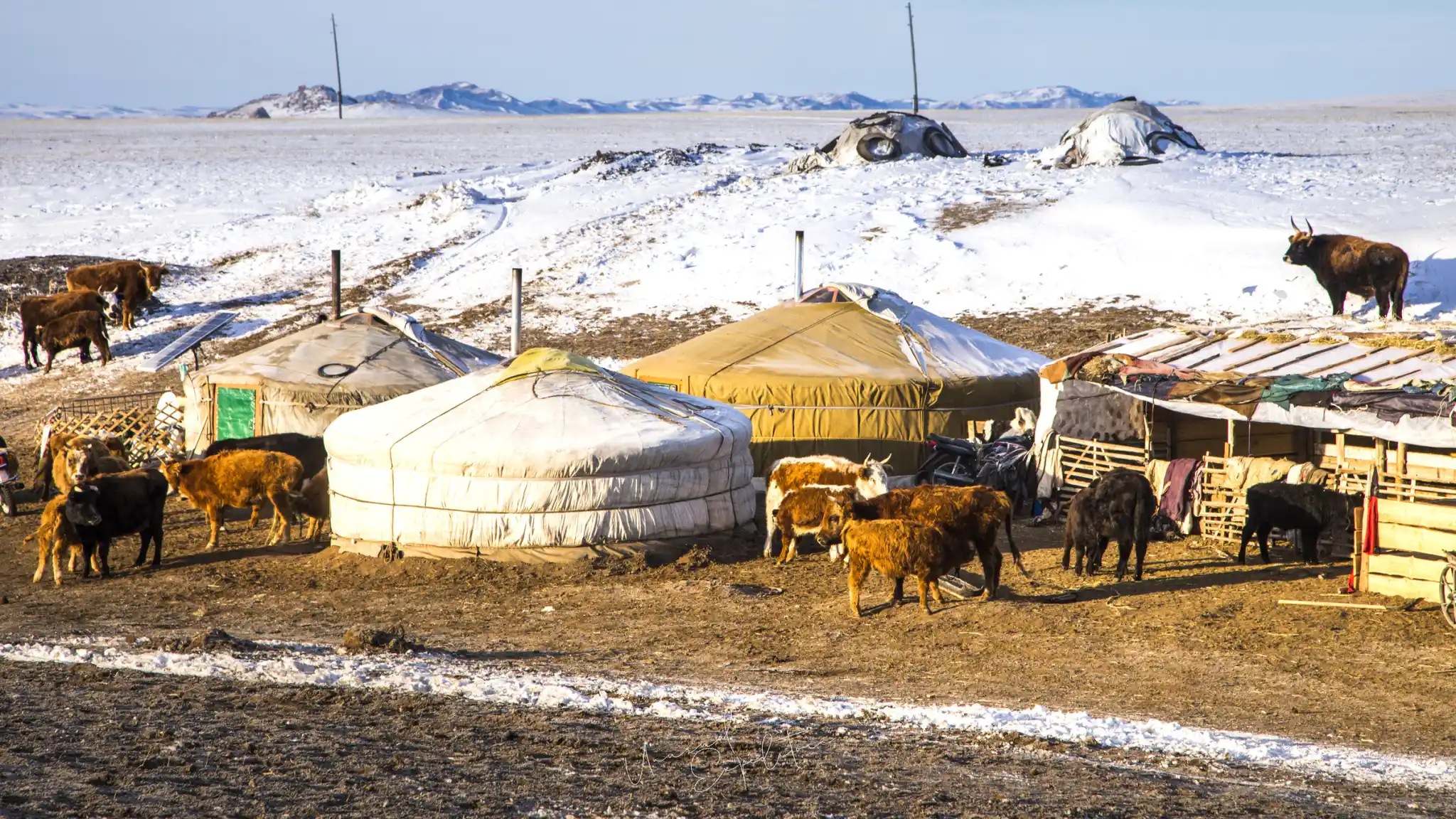
A Mongolia photography tour is built around people and space: the Kazakh eagle hunters of Bayan-Olgii in the far west, the herding families of the central steppe with their gers and livestock, and Ulaanbaatar, the capital where every trip starts. Go in early winter for the hunters and for snow on the steppe, or in summer for Naadam and green grass. Bring a long lens and a wide one, and plan the trip around light and the people you will meet, not distance.
This is the overview for the whole country. Two areas have their own destination guides: the Bayan-Olgii photography tour guide for the eagle hunters of the Altai, and the Central Mongolia photography tour guide for Ulaanbaatar, the herders, the wildlife and the dunes. The photographs in this guide are our own, taken on our trips here; we hold the rights to them, and the notes come from knowing these places first hand.
Mongolia photography tour: what you actually photograph
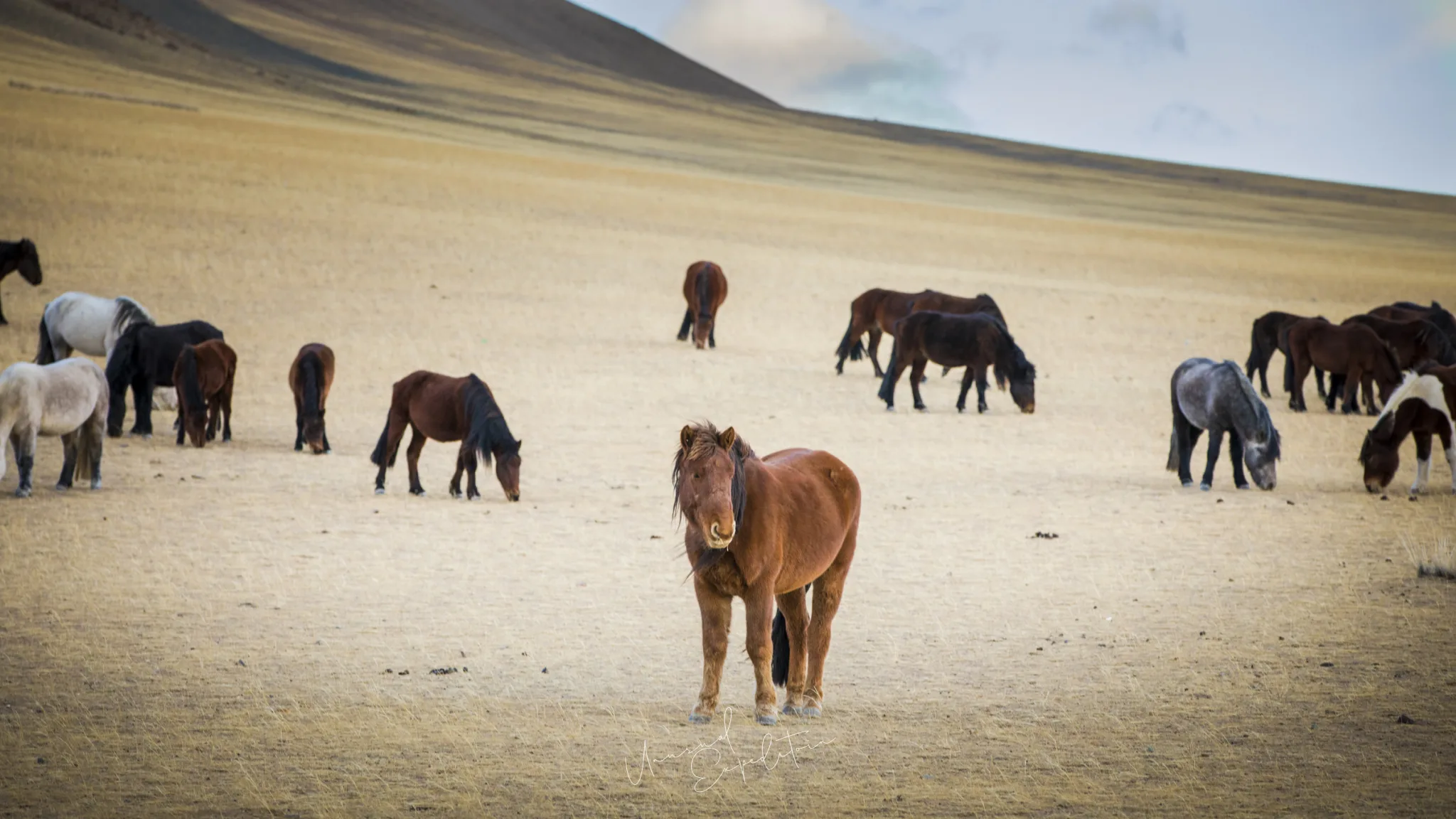
Mongolia photography is mostly about people living with animals in a very big landscape. In the west, Kazakh families keep golden eagles and hunt with them on horseback in winter. On the central steppe, Khalkha herding families move their sheep, goats, cattle, horses and camels between pastures, and the ger, the round felt tent, stands at the centre of every camp. Around them is the land: thin snow on brown hills, frozen rivers, and dunes with snow in the hollows. Wildlife adds another layer: red deer on the hillsides, yaks in the snow, and cinereous vultures, the largest vultures in the world. A good trip mixes all of these.
Is Mongolia part of China?
No. Mongolia is an independent country with its own government, visa rules and currency, the tögrög. The region that often causes confusion is Inner Mongolia, which Britannica describes as an autonomous region of China, with its capital at Hohhot. The two share herding traditions, but they are different places to travel to, with different entry rules. We photograph both, and keep them apart on this site: Inner Mongolia has its own Inner Mongolia photography guide under China. Everything on this page and in the Mongolia destination guides is about the country, from Ulaanbaatar to the Altai.
Photos of Mongolia: the regions we cover
We split Mongolia into areas, each with its own set of destination guides, and this page links them together.
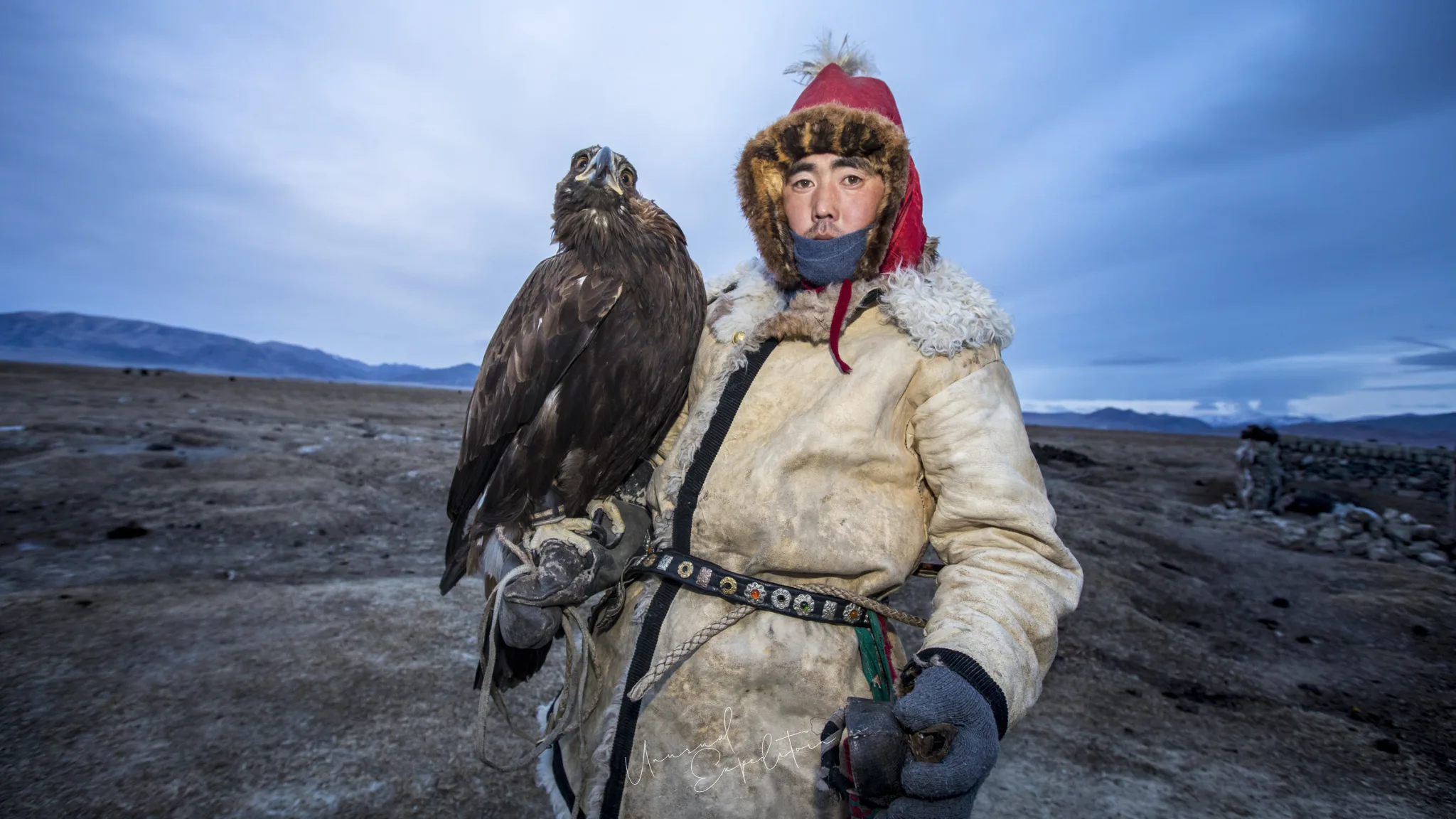
- Bayan-Olgii. Mongolia's westernmost province, under the Altai mountains, and the only one where Kazakhs are the majority, about nine in ten people. This is eagle hunter country. Our Bayan-Olgii guide covers the hunters, their eagles, their homes and the mountains.
- Central Mongolia. The steppe within reach of the capital: herding families and their gers, red deer, yaks and vultures, Bactrian camels in sand dunes. The Central Mongolia guide covers it, with Ulaanbaatar in winter.
The Gobi in the south, Lake Khövsgöl in the north and the Naadam games in July are on many Mongolia itineraries. We do not cover them in these guides because we have not photographed them for this site, and we would rather show you places we know.
Photographing the eagle hunters in Bayan-Olgii
In the far west the Altai rise to snow peaks above stony valleys and frozen rivers. Kazakh families here keep female golden eagles, which are larger and stronger than the males, and fly them at foxes in the cold months. UNESCO lists falconry, with Mongolia among the countries that nominated it, on its list of the intangible heritage of humanity. The subjects are hunters on horseback under the mountains, the eagle leaving the arm, and portraits in fox fur. Start with Mongolian eagle hunters, and if you are weighing the autumn festival against a winter visit, read Golden Eagle Festival or a winter hunt.
Photographing the steppe and the herders of central Mongolia
Central Mongolia is the Mongolia of the postcards: rolling hills, a ger with a stovepipe, a herder on horseback or, these days, a motorbike, and livestock spread across the snow. The herders keep the "five snouts": horses, camels, cattle and yaks, sheep and goats. In winter they stay close to sheltered camps with wooden corrals. The best frames come from time spent with one family. Red deer graze the snowy slopes, and there are sand dunes with Bactrian camels. Read Mongolian nomads and camels in Mongolia for the detail.
Ulaanbaatar: where every trip starts
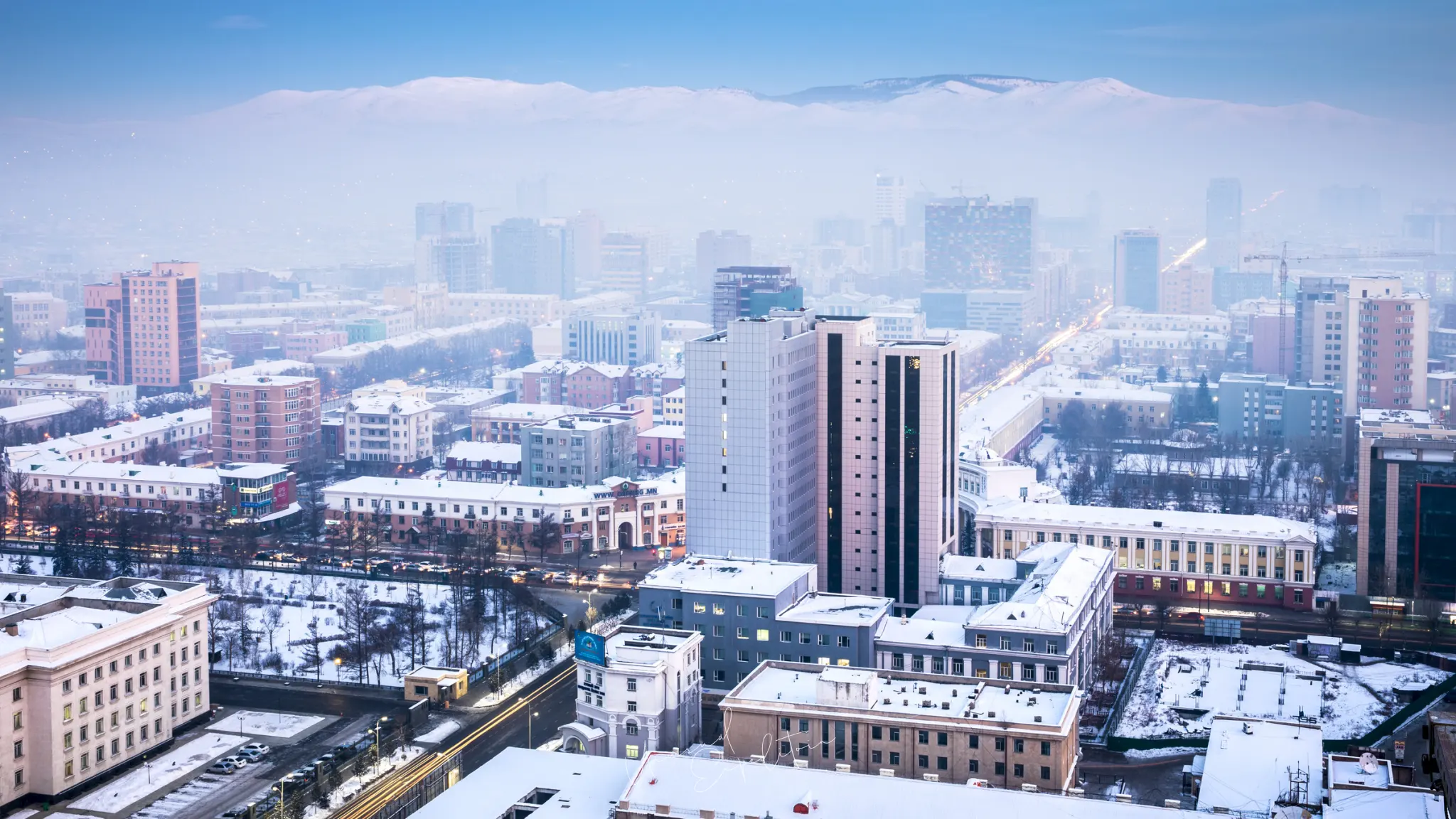
Ulaanbaatar is the capital and the gateway for every trip, and it is often called the coldest capital in the world. In winter it photographs well: sunrise through the haze, the centre lit at dusk, people wrapped against the cold. The haze has a cause, though. UNICEF names raw coal burned in the stoves of the ger districts as the main source of the winter smog, which ranks among the worst in the world. Read Ulaanbaatar in winter before you go.
Is Mongolia worth visiting for photographers?
Yes, if you like people and light more than famous sights. Mongolia has few monuments by the standards of China or Europe, and distances are long. What it has is a way of life that still turns on animals and seasons, and families who will let you in if you arrive with patience and a good local fixer. In early winter the low sun stays golden for much of the day. The hard part is the cold, and the logistics of moving between regions, which is why we run Mongolia as a small private trip.
Best place to visit in Mongolia for photography
| Place | Main subjects | Best season for photography | Lens to bring |
|---|---|---|---|
| Bayan-Olgii and the Altai | Eagle hunters, horses, mountains, frozen rivers | Early October for the festival; winter for the hunt | 16-35mm and 100-400mm |
| Central steppe | Herding families, gers, livestock, red deer, vultures | Winter for snow; summer for green grass | 24-70mm and 200-400mm |
| Sand dunes of central Mongolia | Bactrian camels, dunes, sunset and firelight | Autumn and winter | 16-35mm and 70-200mm |
| Ulaanbaatar | City at sunrise and dusk, street life in the cold | Winter for haze and light, summer for Naadam | 24-70mm |
If you can only do one region, choose by subject: people and eagles in the west, herders and space in the centre.
When to go
Naadam runs from 11 to 13 July, the Golden Eagle Festival in Ölgii is usually on the first weekend of October, and the eagles hunt in winter, which is when we photographed them. The month-by-month table is in the best time to photograph Mongolia.
"Mongolia in early winter is two trips in one. In the Altai you ride out with the eagle hunters in a hard, bright cold. On the central steppe you sit in a herder's ger with a bowl of tea while the snow outside turns pink. Both are about people, and both need time."
Joseph Mak, tour leader, Unusual Expedition
Entry, money and getting there from Singapore
Singapore's Ministry of Foreign Affairs says Singaporeans can visit Mongolia for up to 30 days without a visa, and that foreigners must carry their passport or registration card at all times. Singapore has no embassy in Mongolia, so register your trip with the MFA. The currency is the tögrög: cards work in Ulaanbaatar, cash is what the countryside runs on, and the tögrög is hard to buy outside Mongolia. MIAT Mongolian Airlines has flown a seasonal nonstop service from Singapore in the winter months; outside it, you connect through Seoul, Beijing or Hong Kong. The details are in our guide to getting to Mongolia, and the common questions in the Mongolia photography trip FAQ.
Mongolia photography: lenses and the cold
A 24-70mm and a 16-35mm cover the gers, the portraits and the landscapes. For the eagles and the wildlife you need reach: a 100-400mm or a 200-400mm. In winter the cold is the real test. Batteries drain fast, so carry several inside your jacket and swap them often. Let the camera warm up in a closed bag before you open it inside a ger, or the lens will fog. Drones need registration with the Civil Aviation Authority of Mongolia; check the official source before you travel.
Explore Mongolia by region
- Bayan-Olgii photography tour guide: the eagle hunters of the Altai
- Central Mongolia photography tour guide: Ulaanbaatar, the steppe and the dunes
- Best time to photograph Mongolia, month by month
- Mongolia photography trip FAQ
- How to get to Mongolia
Photograph Mongolia with us
We run Mongolia as a private trip on request, for individuals, couples, families and photographers who want to work at their own pace. We arrange the logistics around what you want to photograph, and a photographer or photography coaching can be added. Ask at least two months ahead for winter. See private tours and the Mongolia photography tours page.
Mongolia photography tours
The next Mongolia departure is announced on the Mongolia photography tours page, with previous expeditions and all the planning guides.
Explore Mongolia in depth
- How to Get to Mongolia: Flights, Visa and Planning a TripMongolia
- Mongolia Photography Trip FAQ: Safety, Visa, Cost, Altitude and the NomadsMongolia
- Best Time to Visit Mongolia for Photography, Month by MonthMongolia
Upcoming Photo Tours
- Egypt Photo Tour – EgyptEgypt 12 Dec 2026 To 20 Dec 2026
- Inner Mongolia Winter Owl Photo Tour – ChinaChina 01 Jan 2027 To 04 Jan 2027
- Inner Mongolia Winter Photo Tour – ChinaChina 05 Jan 2027 To 11 Jan 2027
- Mekong And Central Highland Vietnam Photo Tour - VietnamVietnam 16 Jan 2027 To 24 Jan 2027