
How to Fly to Peru: Visa, Time Zone, Money and Altitude
How to fly to Peru from any continent: Lima gateways, who needs a visa, the time zone, money and the altitude of Cusco and Lake Titicaca.
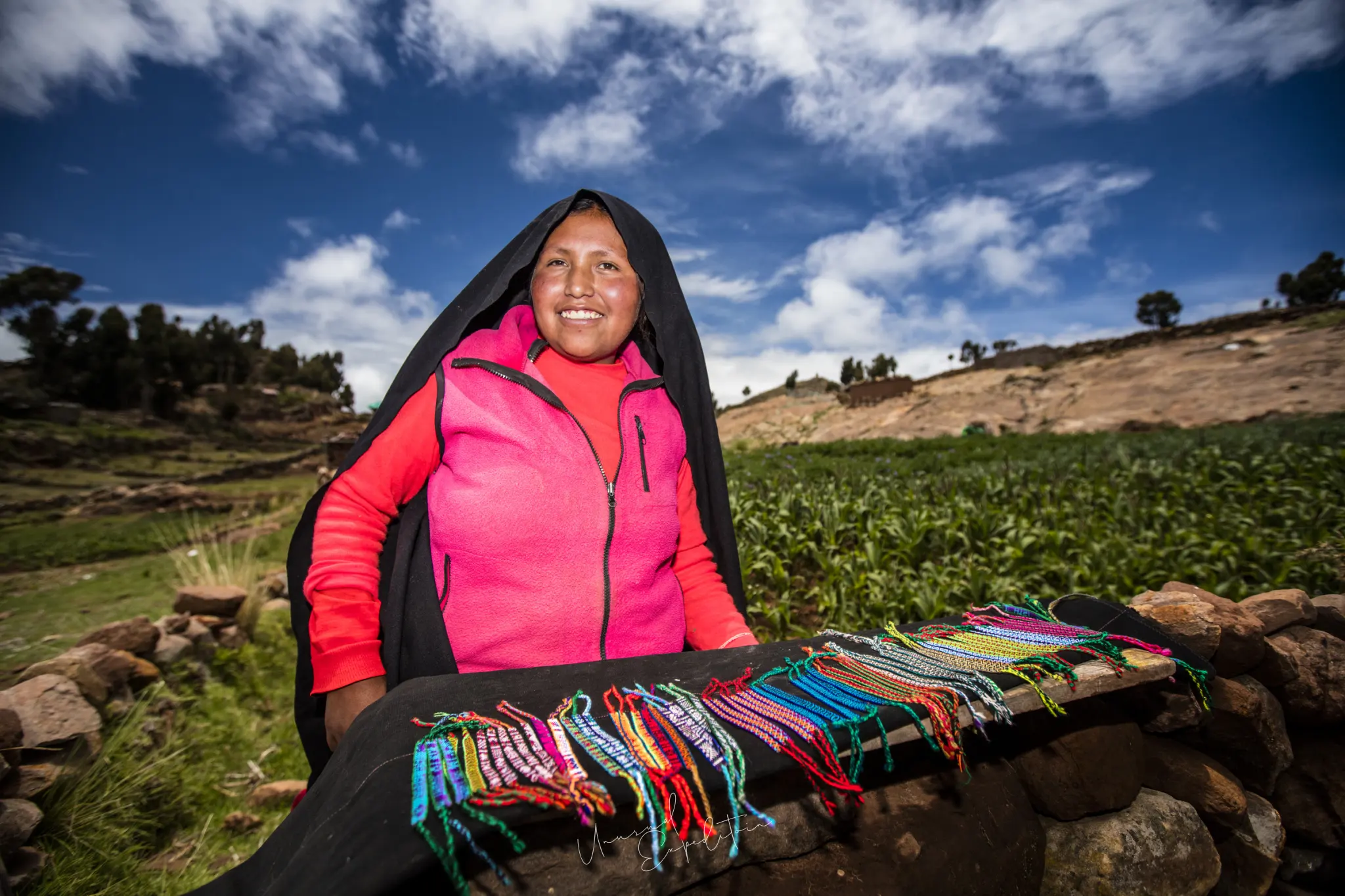
How to fly to Peru: you land at Jorge Chávez International Airport in Lima, the country's main international gateway, then take a domestic flight into the Andes at Cusco. Lima has nonstop flights from many cities in North and South America and from a few in Europe; from Asia, Australia and most of Europe you connect once or twice on the way. Many passports, including US, UK, EU, Canadian and Australian ones, need no visa for a tourist visit. Peru keeps UTC minus five all year, uses the sol, and the highlands where the pictures are sit high enough that the first days must be gentle. Here is the practical side of Peru trip planning.
For what to photograph once you are there, read our Peru photography tour guide first. This page is about getting to the Andes and settling in, from wherever you start.
How to fly to Peru
How to fly to Peru comes down to where you start and which hub you prefer. From North America there are nonstop flights to Lima from several US gateways and from Canada. From Europe, Madrid and Amsterdam are the usual direct links, and other European cities connect through them. From South and Central America, Bogotá, Panama City, Santiago and São Paulo all have frequent flights to Lima. From Asia, Australia and New Zealand there is no nonstop service, so travellers connect through Europe, through North America, or across the South Pacific through Santiago. A routing through the United States needs a US visa, or an ESTA for Visa Waiver Program passports, even if you only change planes there, because the US has no airside transit without one. From Lima, domestic flights go to Cusco for Machu Picchu and the Sacred Valley, and to Juliaca for Puno and Lake Titicaca. Book the international and domestic flights on one ticket where you can, so a delay on the long leg is the airline's problem and not yours.
Long-haul connections: leave room for the travel
For anyone flying in from another continent, treat the travel itself as part of the plan. Route maps such as FlightConnections show how many changes your city needs; whatever the answer, arrive in Lima with a night to recover if your connection allows, and avoid a tight same-day transfer onward to Cusco after the long-haul flights. Many travellers prefer a night in Lima on the way home too, because the last day in the highlands is often the best day for pictures, and an early flight out of Cusco followed by a long-haul connection is hard work.
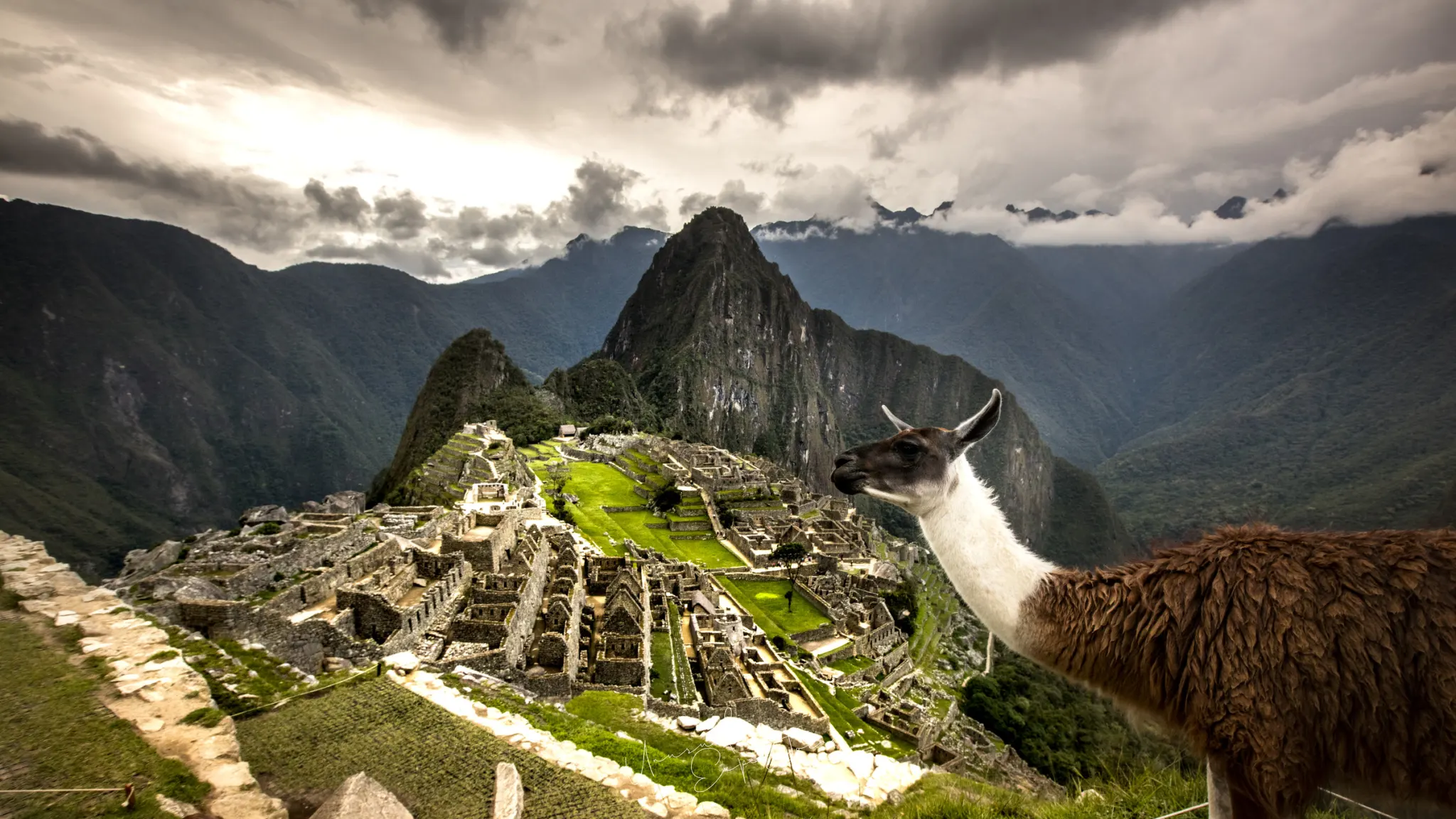
Do I need a visa for Peru?
For a holiday, most travellers do not. Peru admits citizens of a long list of countries as tourists without a visa, including the United States, Canada, the UK, the EU states, Australia, New Zealand and much of Asia; Peru's foreign ministry publishes the list, and Peruvian embassies state the stay allowed for their own country, commonly up to 90 days, with a passport valid for at least six months from entry. The immigration officer sets the length of stay on arrival. Business activities such as signing contracts need the correct visa in advance. Requirements can change at short notice, so check the Peruvian embassy in your country and your own government's travel advice for your passport before you book. Keep a copy of your passport separate from the original, and carry the passport itself on the day you visit Machu Picchu, since your ticket is checked against it.
Peru time zone and jet lag
Peru keeps Peru Time, UTC minus five, and does not use daylight saving time, so the clock is the same all year. That puts Lima on the same time as the US East Coast in winter. Arriving from Asia or Australia, you fly a long way west and your body clock wakes you very early for the first few days, which suits sunrise at Machu Picchu or on the Plaza de Armas in Cusco. Arriving from Europe the gap is smaller, but late evenings come easily. Flying home east is harder, so plan a quiet first day back if you can.
Peru currency: money for the trip
Peru uses the sol. Check the current rate against your own currency in your banking app before you go, because it moves. Cards are accepted in hotels, restaurants and larger shops in Lima and Cusco, and cash machines are common in both cities; tell your bank you will be travelling. Small notes in soles are useful in markets, for portrait tips and on the islands of Lake Titicaca, where cards are rarely accepted. US dollars in good condition can be exchanged in town, but soles are easier day to day. Peru's plugs are mainly the two flat pin type and the two round pin type at 220 volts, so a universal adapter covers both.
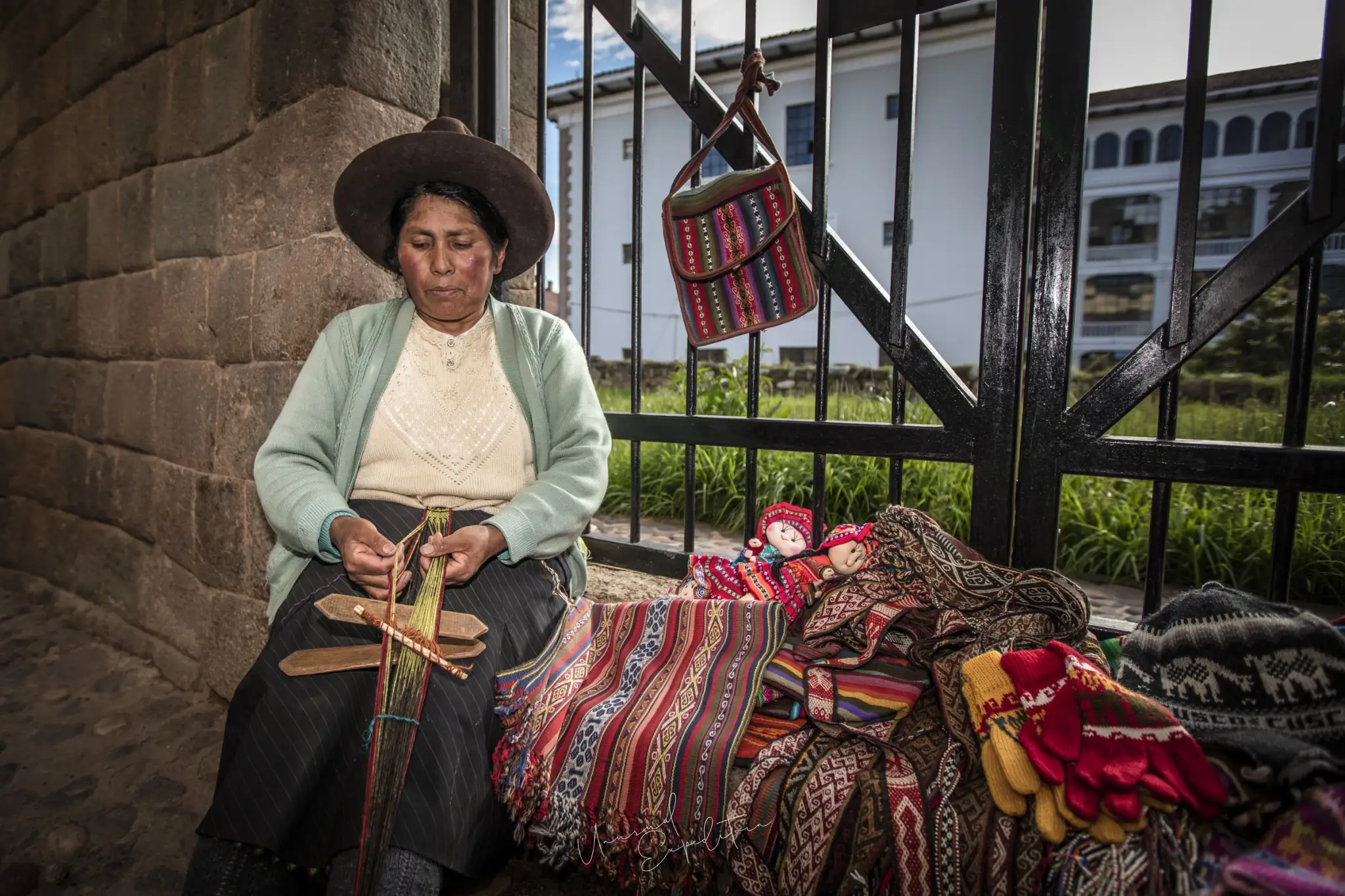
"Wherever you fly in from, the flight is the easy part to plan and the altitude is the part people forget. I would rather lose one morning of shooting in Cusco than have someone sick for the rest of the week. We go slowly at the start, and the pictures come later."
Joseph Mak, tour leader, Unusual Expedition
Altitude: from sea level to the Andes
Lima is at sea level. Cusco is at about 3,400 metres and Lake Titicaca at about 3,800 metres, so arriving by air means a sharp change for almost everyone. Most people feel breathless on stairs and sleep badly for the first nights; a few feel properly unwell. Start gently, drink water and talk to a travel clinic at home about altitude medication before you leave. Machu Picchu itself is lower, at about 2,430 metres, and the Sacred Valley is lower than Cusco, which is why many trips begin in the valley. More on this, and on safety, is in our Peru photography trip FAQ.
Peru tour packages or a private trip?
Peru tour packages usually follow a fixed route at a fixed speed, with Machu Picchu at whatever hour the group ticket allows. For photographers that is the hard part: the best frames at Machu Picchu, on the plaza in Cusco and on Lake Titicaca depend on being in the right place when the weather turns. We run Peru as a private trip on request, and it can start from any country: you fly into Lima and we take it from there. It can be for individuals, couples, families or photographers, at your own pace, and we arrange all the logistics around what you want to photograph. Because no tour leader travels on a private trip, it can cost less than our group tours; a photographer or photography coaching can be added at extra cost. When to go is covered in best time to visit Peru for photography.
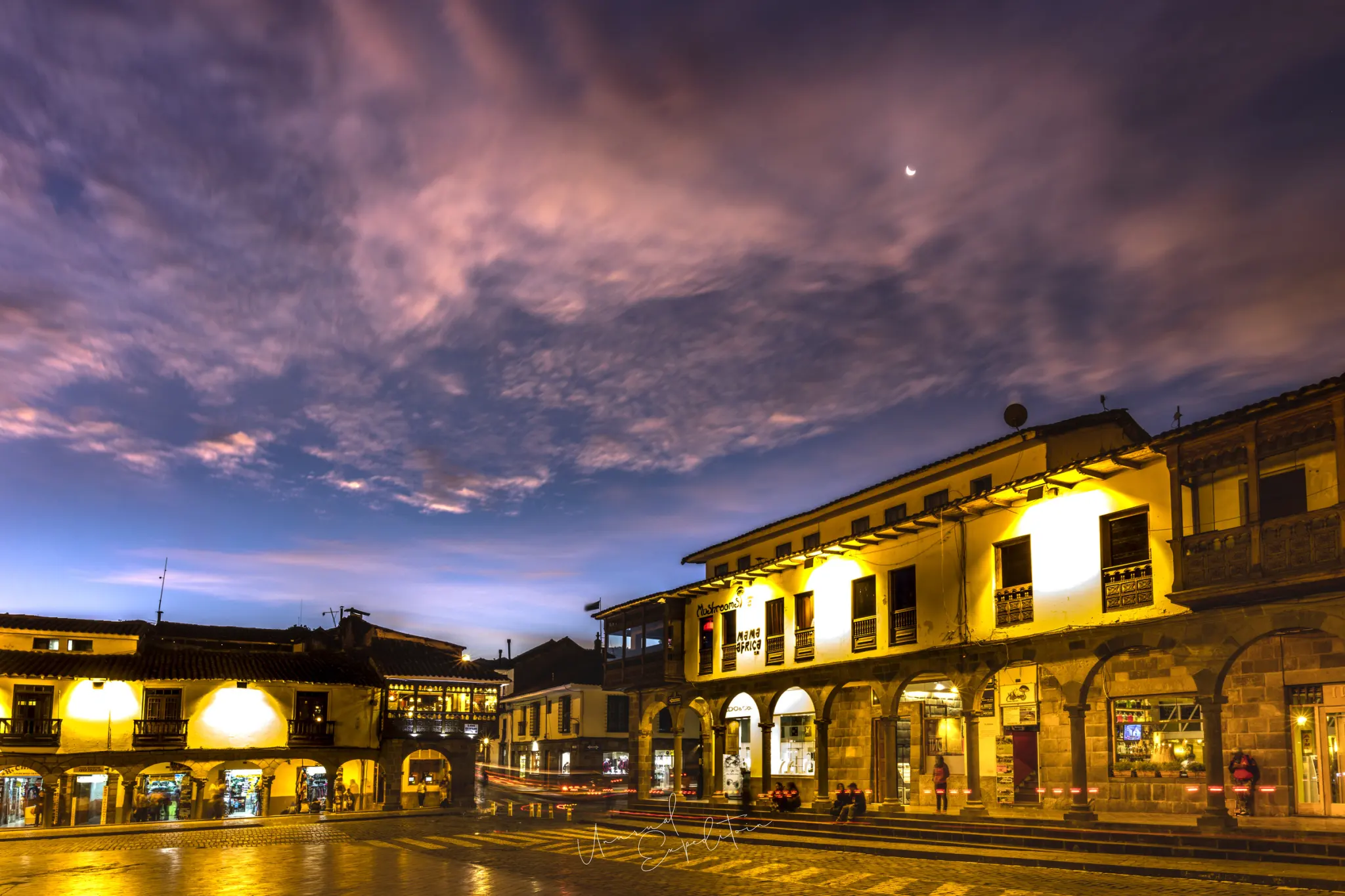
Plan a Peru trip with us
Ask at least two months ahead if you can, because Machu Picchu tickets and domestic flights fill early in the dry season, although last-minute trips can be arranged. Read how private trips work on our private tours page, and see the Peru destination guides together on our Peru photography tours page.
Peru photography tours
The next Peru departure is announced on the Peru photography tours page, with previous expeditions and all the planning guides.
Explore Peru in depth
- Peru Photography Tour: The Complete GuidePeru
- Peru Photography Trip FAQ: Altitude, Tickets, Safety and PeoplePeru
- Best Time to Visit Peru for Photography, Month by MonthPeru
Upcoming Photo Tours
- Egypt Photo Tour – EgyptEgypt 12 Dec 2026 To 20 Dec 2026
- Inner Mongolia Winter Owl Photo Tour – ChinaChina 01 Jan 2027 To 04 Jan 2027
- Inner Mongolia Winter Photo Tour – ChinaChina 05 Jan 2027 To 11 Jan 2027
- Mekong And Central Highland Vietnam Photo Tour - VietnamVietnam 16 Jan 2027 To 24 Jan 2027