
Peru Photography Tour: The Complete Guide
Peru photography tour guide: Machu Picchu, Cusco, the Sacred Valley and Lake Titicaca, when to go and how it works from Singapore.
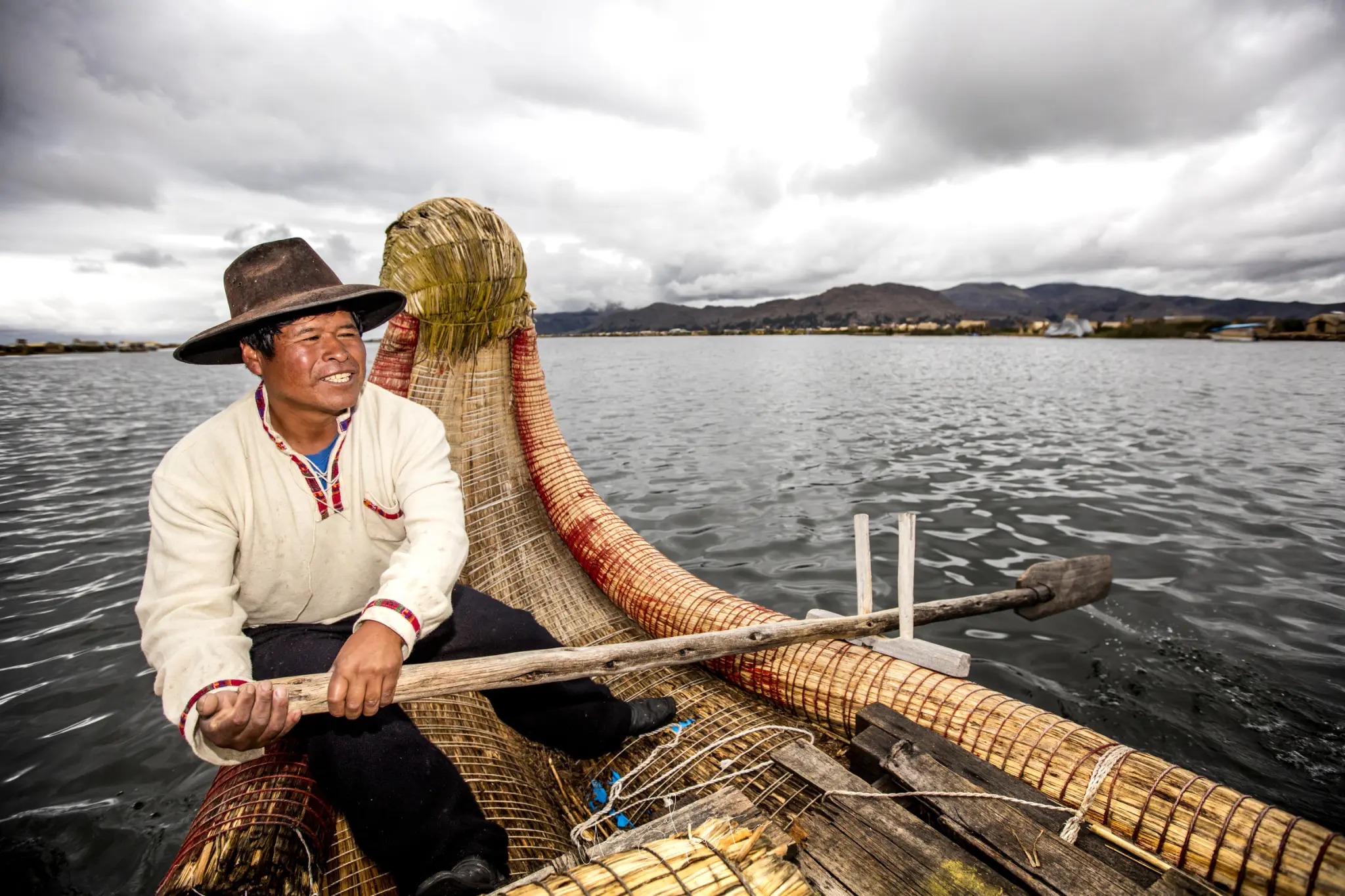
A Peru photography tour is built around four places in the southern Andes: Machu Picchu above its cloud forest, the old Inca capital of Cusco, the terraces and weaving villages of the Sacred Valley, and Lake Titicaca with its reed islands. Peru photography rewards patience with the weather more than special equipment. Cloud lifts off the ruins, storm light catches the cathedral towers at dusk, and the lake turns silver under a huge sky. Here is how we approach the country, and where to go deeper.
Machu Picchu has its own set of destination guides, starting with the Machu Picchu photography tour guide. The photographs in this guide are our own, taken on our trips to Peru; we hold the rights to them, and the notes come from knowing these places first hand.
Peru photography: what you actually photograph
Peru photography in the southern highlands falls into three subjects. The first is Inca stone: the citadel of Machu Picchu, the zigzag walls of Sacsayhuaman above Cusco, and the fitted blocks that still carry colonial houses in the city centre. The second is people, mostly Quechua women and men in the dress of their own community, spinning, weaving and selling at markets, and the Uros and island families on Lake Titicaca. The third is weather. The Andes here sit high, the light is hard at noon and soft at the edges of the day, and cloud moves fast across the mountains in every season. A good trip mixes the three, so a grey morning at the ruins can become a portrait morning in a village, and a clear evening goes to the plaza or the lake.
Machu Picchu photography: the frame everyone comes for
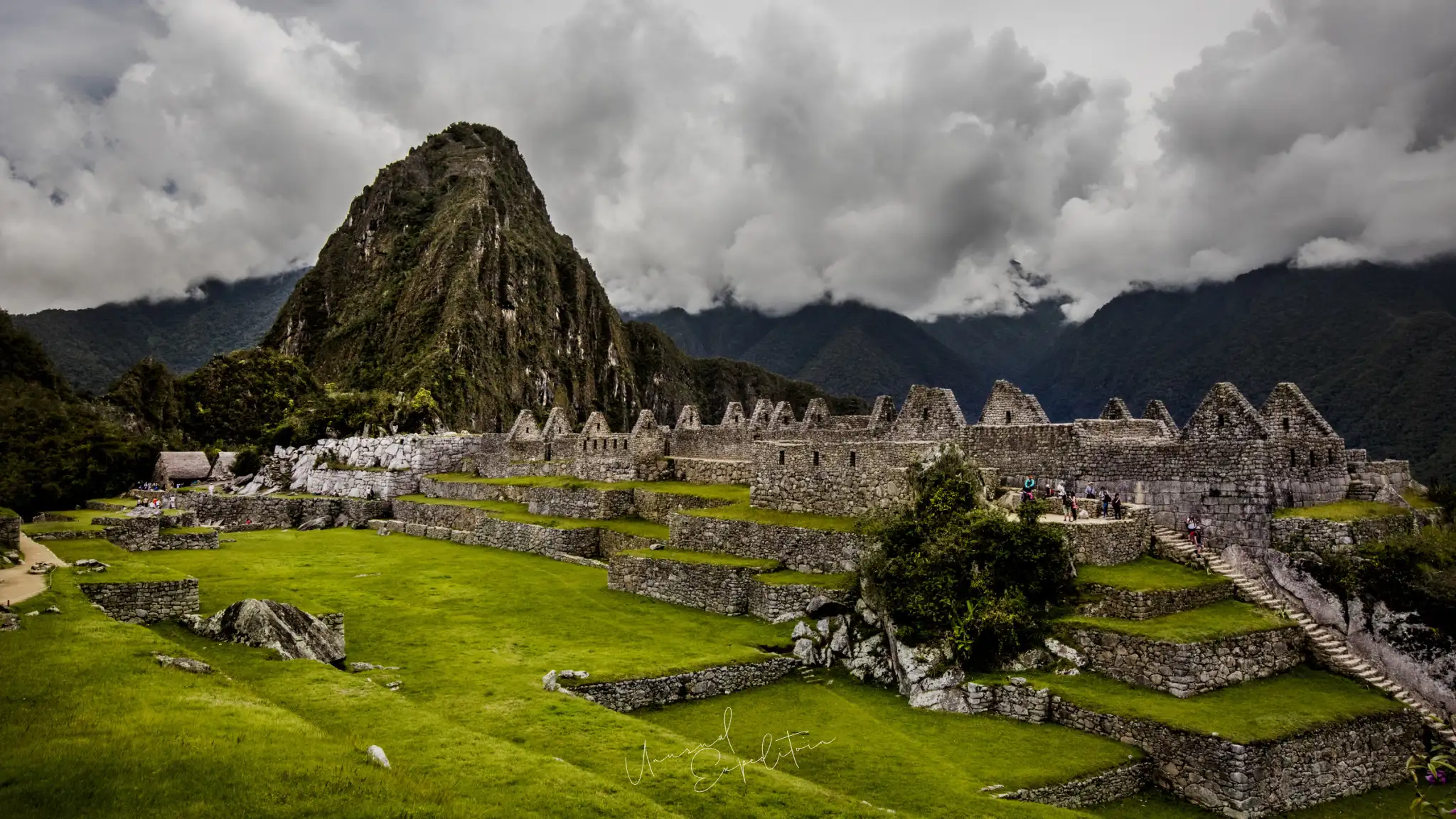
Machu Picchu sits on a ridge above the Urubamba River, at about 2,430 metres, with the peak of Huayna Picchu standing behind the terraces. UNESCO lists the Historic Sanctuary of Machu Picchu as a World Heritage Site, and Peru's Ministry of Culture controls entry with timed tickets sold on its official site, tuboleto.cultura.pe, each issued in the visitor's name and checked against the passport at the gate. Visitors walk set circuits, so the classic view from the upper terraces is on some routes and not on others; pick the circuit before you pick the hour. Machu Picchu photography is at its most dramatic when cloud rises out of the valley and the ruins appear and vanish within minutes. The whole area, from the classic view to the stonework and the season light, is covered in our Machu Picchu photography guide.
Cusco Peru photography: plaza, walls and streets
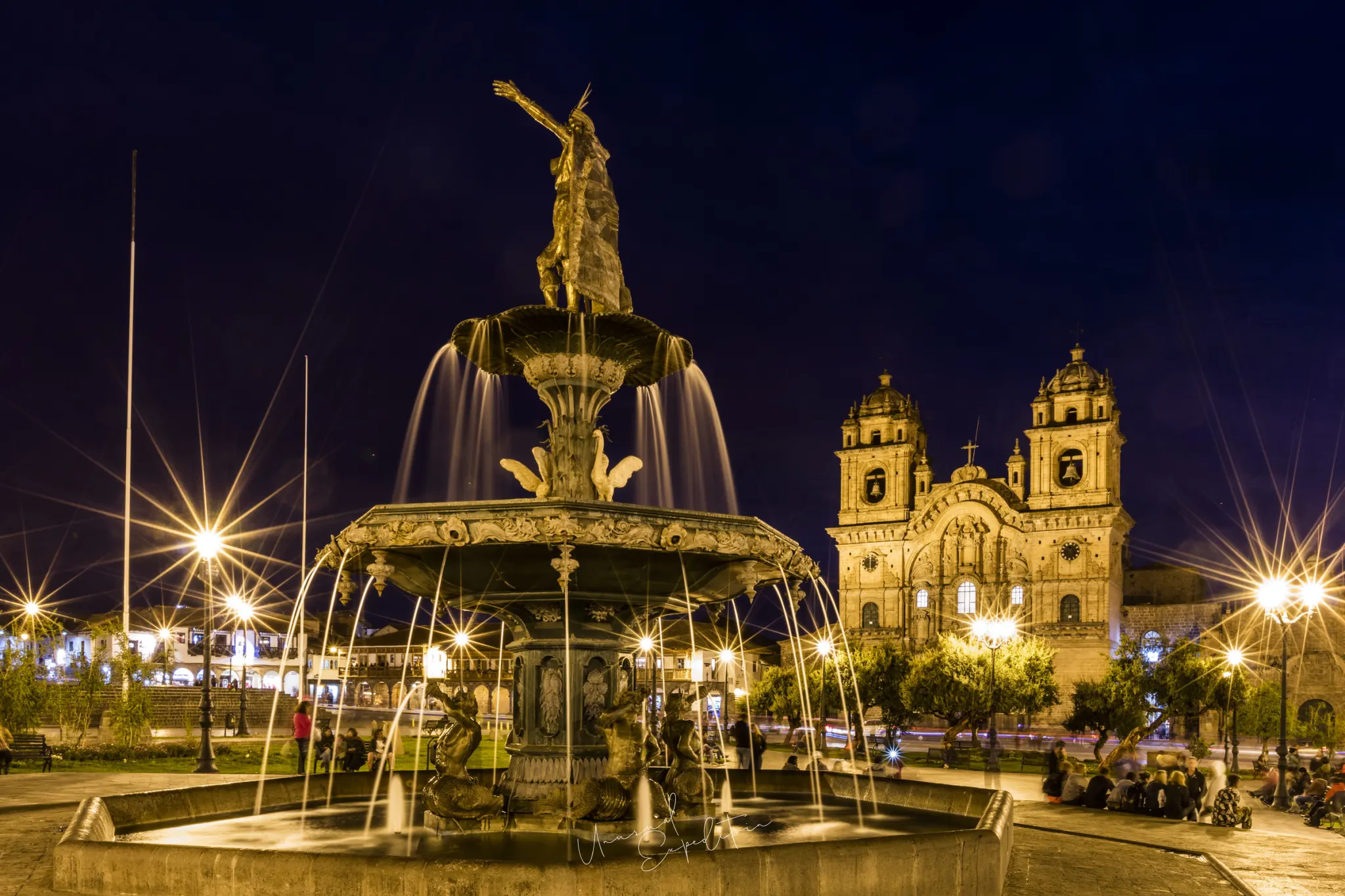
Cusco Peru photography starts in the Plaza de Armas, where the cathedral and the church of La Compañía face each other across the square. Here the best light comes after sunset, when the facades are lit and the sky still holds colour. Behind the plaza, the streets of San Blas climb steeply between white walls and blue balconies, and lanes such as Hatun Rumiyoc keep Inca masonry at street level, including the famous twelve-angled stone. Women in Cusco dress often wait near the plaza with a lamb or a llama for portraits and expect a small tip; ask first, agree, then take your time. Above the city, the walls of Sacsayhuaman are a short climb away and photograph well under a big sky. The City of Cuzco is a UNESCO World Heritage Site in its own right, and at about 3,400 metres it is also where most visitors first feel the altitude.
The Sacred Valley: weavers, terraces and villages
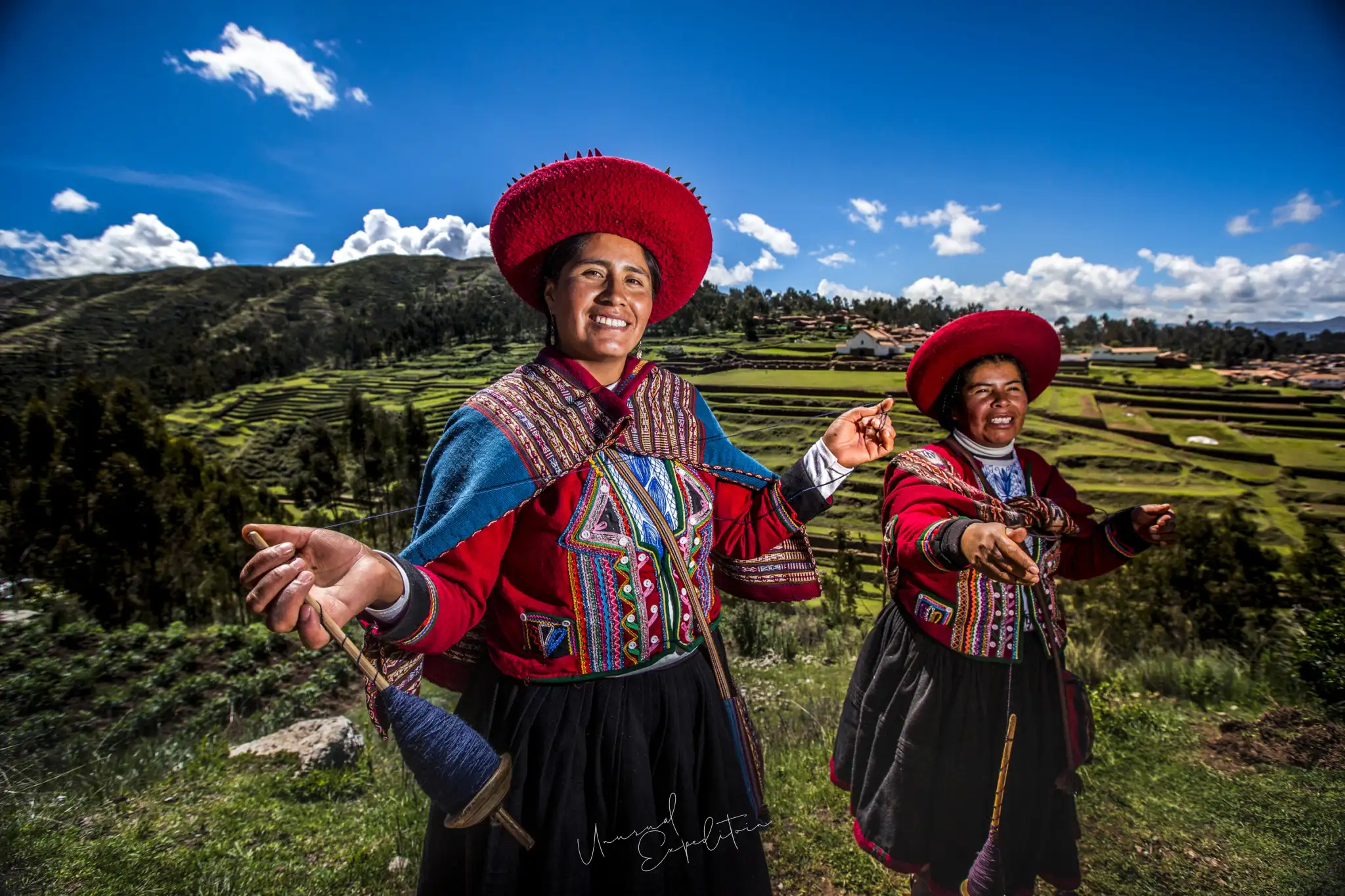
The Sacred Valley of the Incas follows the Urubamba River below Cusco, past Pisac, Urubamba and Ollantaytambo, with Chinchero and the terraces of Moray on the high plain above it. For a photographer the valley is less about single monuments and more about life around them: women spinning wool on a drop spindle as they walk, natural dyes drying in a weaving centre, fields of maize and potatoes on old Inca terraces, adobe houses with tiled roofs. Many weaving cooperatives welcome visitors and are used to cameras, which makes them the easiest place to start portraits. Afternoon cloud building over the peaks gives you skies that carry a wide frame.
Lake Titicaca photography: reed islands and island weavers
Lake Titicaca lies on the border of Peru and Bolivia at about 3,800 metres, and from the Peruvian side the town of Puno is the base. The Uros families live on floating islands made of totora reeds, adding fresh layers on top as the lower ones rot, and they build their boats from the same reed. The islands are small and colourful, and a reed boat crossing open water under a dark sky is one of the strongest pictures in Peru. Further out, Taquile is known for its textiles; UNESCO recognises "Taquile and its Textile Art" as intangible cultural heritage, and the men knit as much as the women weave. Lake Titicaca photography is about the size of the sky: clouds stack up over the water by afternoon, and evenings on the shore can be spectacular and cold.
"Peru taught me to stop waiting for blue sky. The day Machu Picchu was buried in cloud, we stayed, and every few minutes the ruins came back for a moment. Those are still the frames people ask me about."
Joseph Mak, tour leader, Unusual Expedition
Is Peru worth visiting for a photographer?
Peru is worth visiting for a photographer because so much variety sits within one region of the Andes: a world-famous ruin, a colonial city built on Inca walls, living weaving traditions and a high lake with its own island cultures. The difficulty is altitude, not distance. Cusco and Lake Titicaca are high enough that the first days need to be gentle, which is why we plan the pace around how people feel and keep the heaviest shooting for later. The other is dry-season crowds at Machu Picchu. Both are covered in our Peru photography trip FAQ.
When to go on a Peru photography tour
The Andes have a dry season from about May to September and a rainy season from about November to March, with April and October in between. Dry months bring clear skies, cold nights and the busiest season at Machu Picchu. Rainy months bring green terraces, cloud around the peaks and fewer people, and the Inca Trail closes every February for maintenance while the ruins stay open. Our own pictures of Machu Picchu in cloud come from a rainy-season visit. The month-by-month detail for each area is in best time to visit Peru for photography.
Entry, money and flights from Singapore
Singapore passport holders do not need a visa to visit Peru as tourists; the Embassy of Peru in Singapore gives the stay as up to 90 days and asks for a passport valid for at least six months. Check the embassy's current guidance before you book. There is no nonstop flight from Singapore to Peru, so the usual way is one or two connections to Lima, then a domestic flight to Cusco or Juliaca for the lake. Peru uses the sol; cards work in hotels and larger shops in Cusco, and cash is useful in markets and on the islands. The guide to flying to Peru covers flights, the time difference and money in more detail.
Peru photography gear that works
| Subject | Lens | Why |
|---|---|---|
| Machu Picchu terraces and peaks | 16-35mm and 24-70mm | The classic view needs width; cloud details need a little reach |
| Cusco plaza at blue hour | 16-35mm on a small tripod where allowed | Lit facades and long exposures |
| Portraits in Cusco and the Sacred Valley | 24-70mm | Environmental portraits with the village or market around the person |
| Lake Titicaca reed boats and islands | 24-70mm and 70-200mm | Boats on open water and people at a respectful distance |
A rain cover matters more in Peru than an extra lens: the weather turns fast in every season.
Explore Peru by region
- Machu Picchu, Cusco and the Sacred Valley photography guide
- Best time to visit Peru for photography
- Peru photography trip FAQ
- How to fly to Peru
Photograph Peru with us
We have no scheduled Peru departure at the moment, so we run Peru as a private trip on request, for individuals, couples, families and photographers who want to work at their own pace. We arrange all the logistics around what you want to photograph, and a private trip can cost less than a group tour because no tour leader travels with you; a photographer or photography coaching can be added at extra cost. Ask at least two months ahead if you can, although last-minute trips can be arranged. Read how it works on our private tours page, and see the destination guides together on our Peru photography tours page.
Peru photography tours
The next Peru departure is announced on the Peru photography tours page, with previous expeditions and all the planning guides.
Explore Peru in depth
- How to Fly to Peru: Visa, Time Zone, Money and AltitudePeru
- Peru Photography Trip FAQ: Altitude, Tickets, Safety and PeoplePeru
- Best Time to Visit Peru for Photography, Month by MonthPeru
Upcoming Photo Tours
- Egypt Photo Tour – EgyptEgypt 12 Dec 2026 To 20 Dec 2026
- Inner Mongolia Winter Owl Photo Tour – ChinaChina 01 Jan 2027 To 04 Jan 2027
- Inner Mongolia Winter Photo Tour – ChinaChina 05 Jan 2027 To 11 Jan 2027
- Mekong And Central Highland Vietnam Photo Tour - VietnamVietnam 16 Jan 2027 To 24 Jan 2027