
Skeleton Coast Photography Tour: Seals, Wrecks and Walvis Bay
Skeleton Coast photography tours: Cape Cross seals, shipwrecks, Walvis Bay flamingos and pelicans, and the coast's fog and surf.
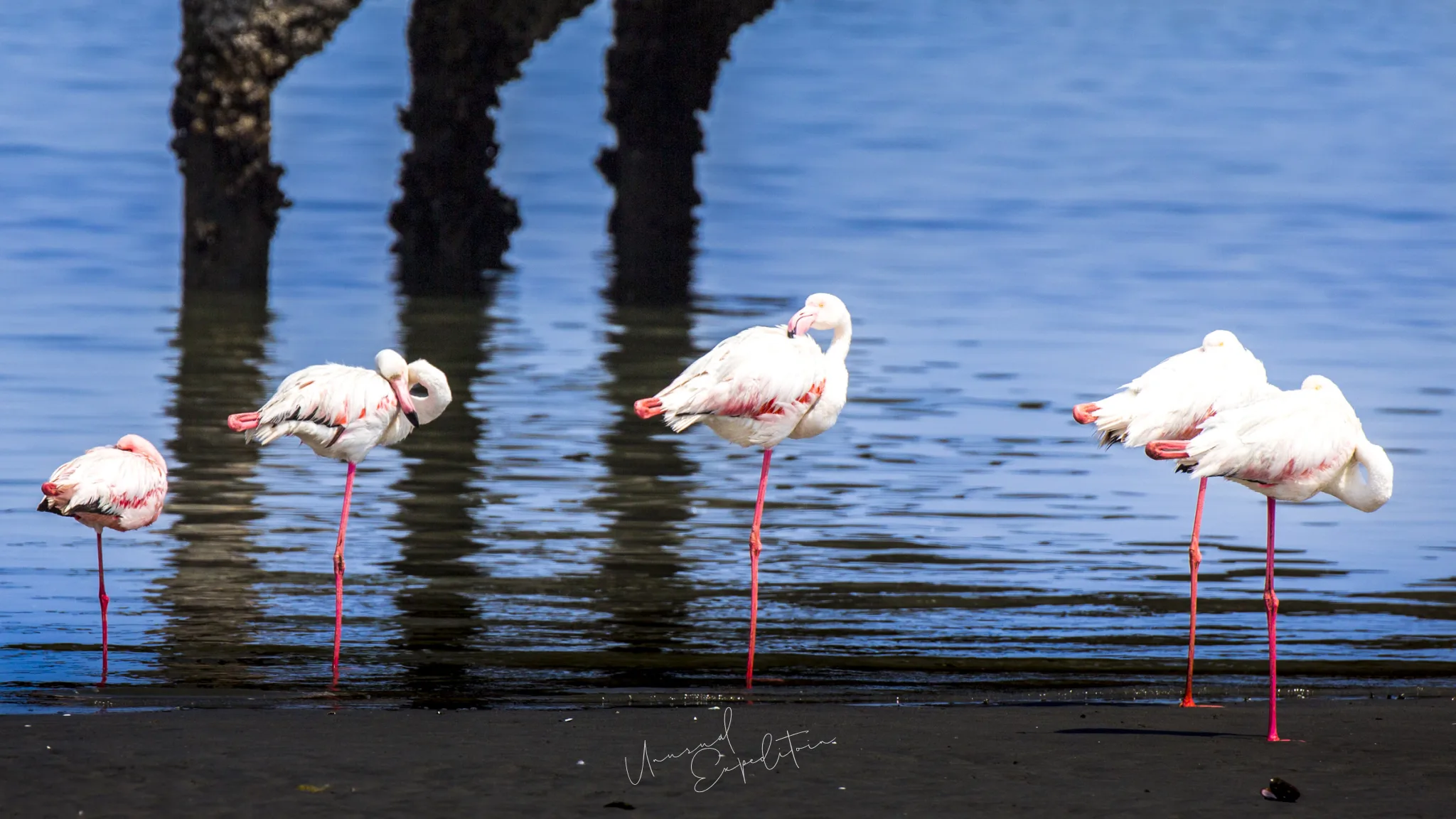
A Skeleton Coast photography tour is about the cold Atlantic edge of Namibia: Cape fur seals in the surf, rusting shipwrecks half buried in sand, fog rolling in over the beach and, further south, the flamingos and pelicans of Walvis Bay. It is a very different Namibia from the dunes and the safari parks, grey and blue where they are orange and gold, and it suits a photographer who likes weather and texture.
This destination guide is the starting point for everything we have written on the Namibian coast, and it sits inside the Namibia photography tour guide. The detail is in Cape Cross seal colony photography and Skeleton Coast shipwrecks. The photographs here are our own, taken on our trips to the coast; we hold the rights to them, and the notes come from knowing these places first hand.
What is the Skeleton Coast, and why does it look like this?
The Skeleton Coast is the long, bleak shore of north-west Namibia, where the Namib Desert runs straight into the Atlantic. The cold Benguela Current brings fog and a steady swell, and the sea is rough and cold. The name comes from the whales' bones and the shipwrecks that once littered it. The Namibian ministry's Skeleton Coast Park begins north of the Ugab River, and you need a permit to go beyond its gate, while the shoreline south of it can be driven without a park permit.
Skeleton Coast Namibia: what can you photograph?
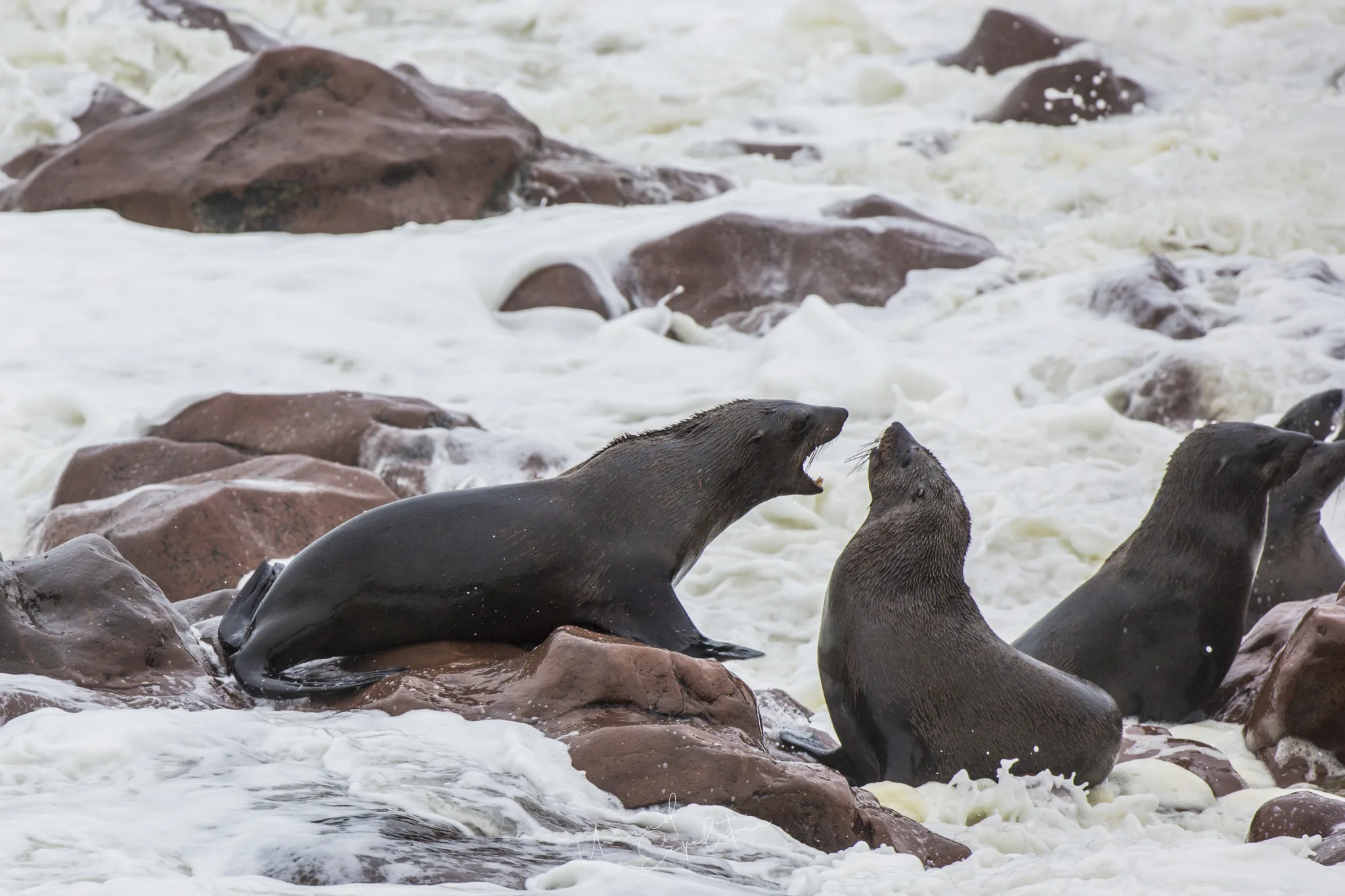
There are three main subjects. At Cape Cross there is a colony of Cape fur seals on dark rocks with surf pouring over them. Along the shore are the wrecks, stranded fishing vessels and half-buried relics, which look best in fog or low light. At Walvis Bay, a lagoon town south of Swakopmund, there are flamingos, pelicans and boat trips on which seals and birds come aboard. Add fog, long beaches and dunes meeting the sea, and you have a coastline with plenty of mood.
Skeleton Coast at a glance
| Place | Subject | Lens |
|---|---|---|
| Cape Cross | Cape fur seals, surf, spray | 70-200mm, 100-400mm |
| The coast road | Wrecks, sand, fog, abandoned relics | 24-70mm, 16-35mm |
| Walvis Bay lagoon | Flamingos, pelicans, reflections | 100-400mm, 70-200mm |
| Boat trips from Walvis Bay | Seals and pelicans close up | 24-70mm |
A 70-200mm and a 24-70mm cover the coast for most people.
Walvis Bay flamingos: can you see them, and when?
Yes. Walvis Bay is a Ramsar wetland of international importance, designated in 1995, and the Ramsar record notes that tour operators bring visitors there to photograph its flamingos. Both greater and lesser flamingos feed in the lagoon, along with great white pelicans, and counts are reported to rise between September and April. Wade-in frames work best from a boat or from the shore with a long lens. Please keep a respectful distance, because BirdLife notes that low-flying aircraft and disturbance affect the birds.
Boat trips: seals and pelicans up close
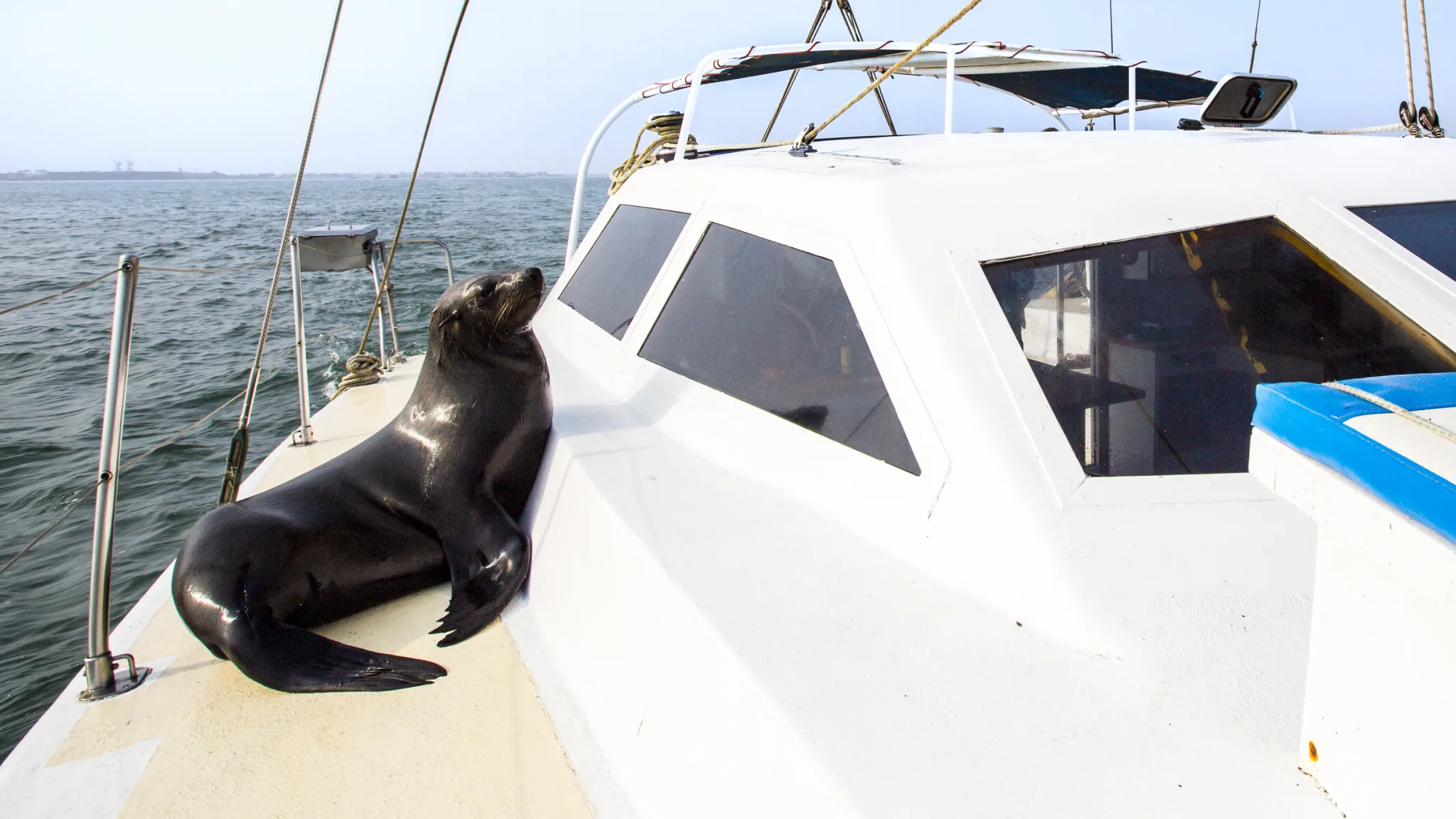
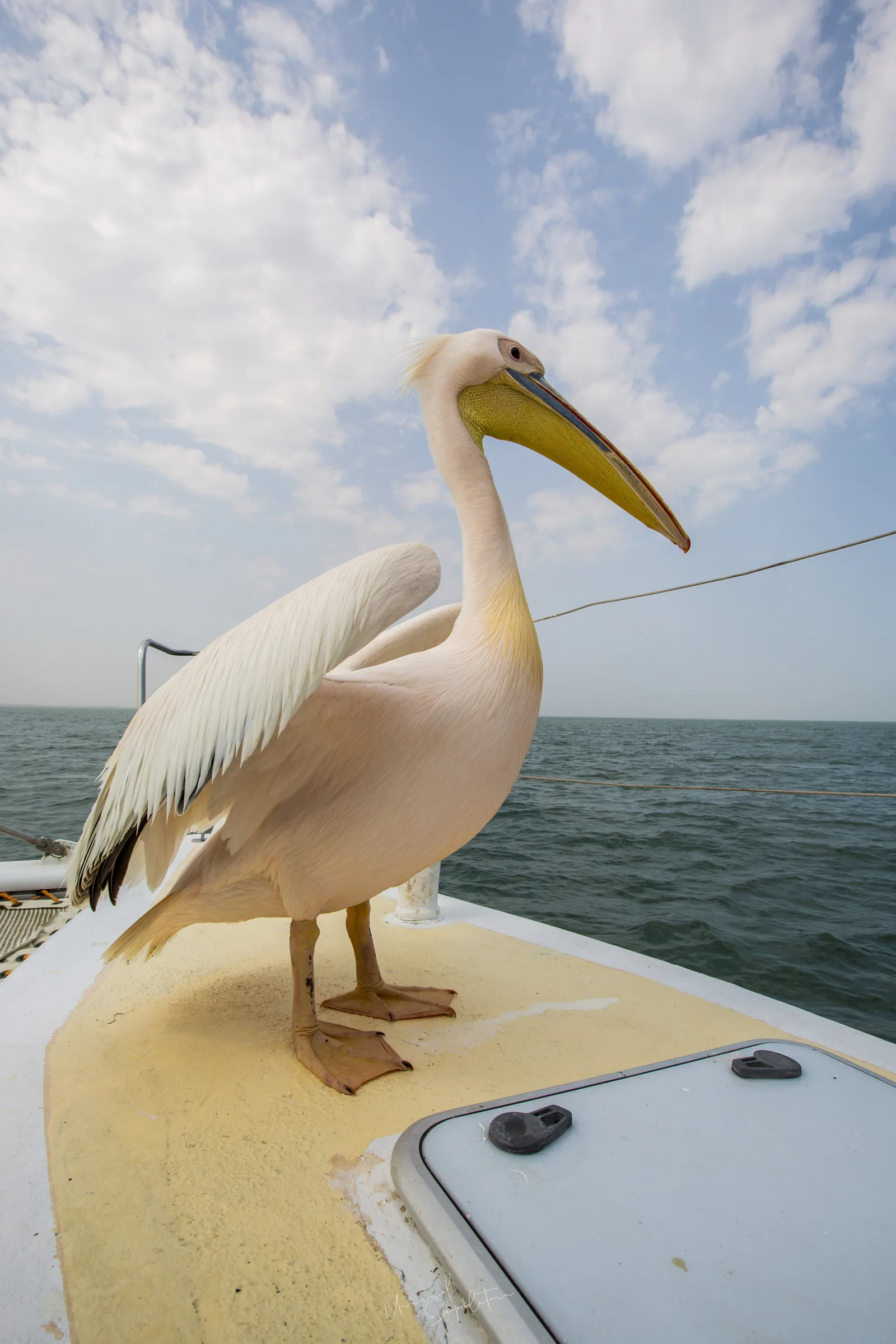
A boat trip from Walvis Bay is a different way to photograph the coast. Cape fur seals will climb on to the bow of a boat and sit in a pose that makes a picture without any effort, and great white pelicans land on the cabin roof. Use a wide lens such as a 24-70mm for close frames, and keep the camera dry; spray and salt are hard on lenses. This is the easiest wildlife on the coast, and a good break from long shooting days elsewhere.
Cape Cross and the shipwrecks
The seal colony at Cape Cross, a protected reserve north of Swakopmund, is the main wildlife stop, and our Cape Cross seal colony photography article covers it in full. The wrecks, mostly fishing vessels run aground and left to the surf, are the other great subject. They are covered in Skeleton Coast shipwrecks, with the safety notes that matter at the waterline.
When is the best time to visit the Skeleton Coast?
The coast is cool and often foggy in every season, since the Benguela Current drives the climate, so the best time depends on the subject. The Ministry of Environment, Forestry and Tourism gives November and December as the breeding season at the Cape Cross colony, while the seals are present all year. For flamingos, the warmer months bring the larger counts. Fog is common and can be a gift for wrecks. The best time to photograph Namibia sets the coast against the other regions.
The coast taught me to stop waiting for blue sky. A grey day with surf and a rusting hull is a better picture than a bright one, and the fog gives you separation you can never plan.
Joseph Mak, tour leader, Unusual Expedition
What kit and clothing do you need?
A 70-200mm and a 24-70mm are the core, with a 100-400mm if you want more reach at Cape Cross or the lagoon. Bring weather protection for the camera, lens cloths, and a rain cover for spray. Dress in layers and a windproof jacket: the coast is much cooler than inland, and the wind off the sea is cold. Waterproof shoes help on wet rocks and sand. Keep salt off the front element by wiping it with a clean cloth as soon as it is splashed.
Is the Skeleton Coast safe, and what are the rules?
Treat the sea with respect: large swells wash over rocks and beaches without warning, so do not turn your back on the water. Stay on marked tracks and follow the instructions at each reserve. The UK Foreign Office advises avoiding driving outside towns at night because of wildlife and livestock, and this applies on the coast roads too. For permits beyond the Ugab River gate, check the Ministry of Environment, Forestry and Tourism before you travel; we do not quote fees.
Explore the coast in depth
Photograph the coast with us
We run Namibia as a private trip on request, and the coast fits neatly between the dunes and Etosha. The pace and dates are yours, we arrange the logistics, and a photographer or photography coaching can be added at extra cost. Ask at least two months ahead. See private tours and the Namibia photography tours page.
Ask us about the Skeleton Coast
Skeleton Coast photography tours
The next Skeleton Coast departure is announced on the Skeleton Coast photography tours page, with previous expeditions and all the planning guides.
Explore Skeleton Coast in depth
- Skeleton Coast Shipwrecks: How to Photograph the WrecksNamibia
- Cape Cross Seal Colony Photography: Fur Seals, Surf and Close FramesNamibia
Upcoming Photo Tours
- Egypt Photo Tour – EgyptEgypt 12 Dec 2026 To 20 Dec 2026
- Inner Mongolia Winter Owl Photo Tour – ChinaChina 01 Jan 2027 To 04 Jan 2027
- Inner Mongolia Winter Photo Tour – ChinaChina 05 Jan 2027 To 11 Jan 2027
- Mekong And Central Highland Vietnam Photo Tour - VietnamVietnam 16 Jan 2027 To 24 Jan 2027