
Best Time to Visit Namibia for Photography, Month by Month
Best time to visit Namibia for wildlife and landscapes: dry season, rains, dunes, Etosha and the coast, by month.
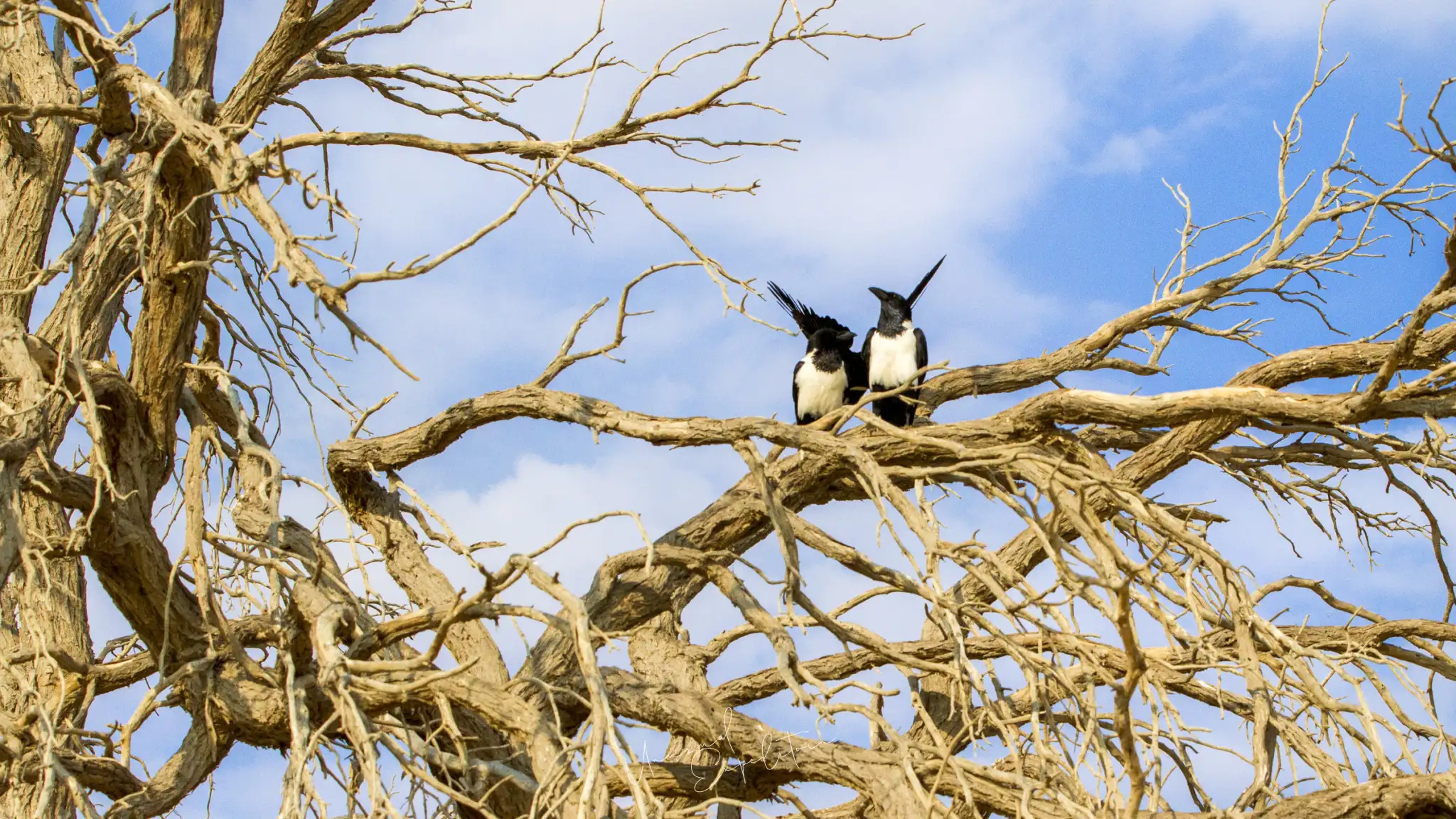
The best time to visit Namibia for photography is the dry season, roughly May to October, when the skies are clear, the nights are cold and animals gather at the waterholes of Etosha. The wetter months, roughly November to April, are hotter and greener and can bring dramatic cloud. Which is best depends on whether you want wildlife, clean light or a sky with weather in it.
This article is part of our Namibia photography tour guide. For the regions in detail, see the best time to visit Sossusvlei, the Etosha waterholes article and the Skeleton Coast photography tour guide.
Best time to visit Namibia: what do the seasons look like?
Climate sources such as the World Bank Climate Knowledge Portal, Britannica and the safari operators we checked describe two main seasons: a dry, cool winter and a hot, wetter summer. Most rain falls roughly between November and April, with the peak in January to March, and it mainly affects the north and north-east. Winter nights in the desert and highlands can get close to freezing, with the coldest period in June to August. April and May are transition months, with the rains ending and the dry season starting.
Best time to visit Namibia for wildlife
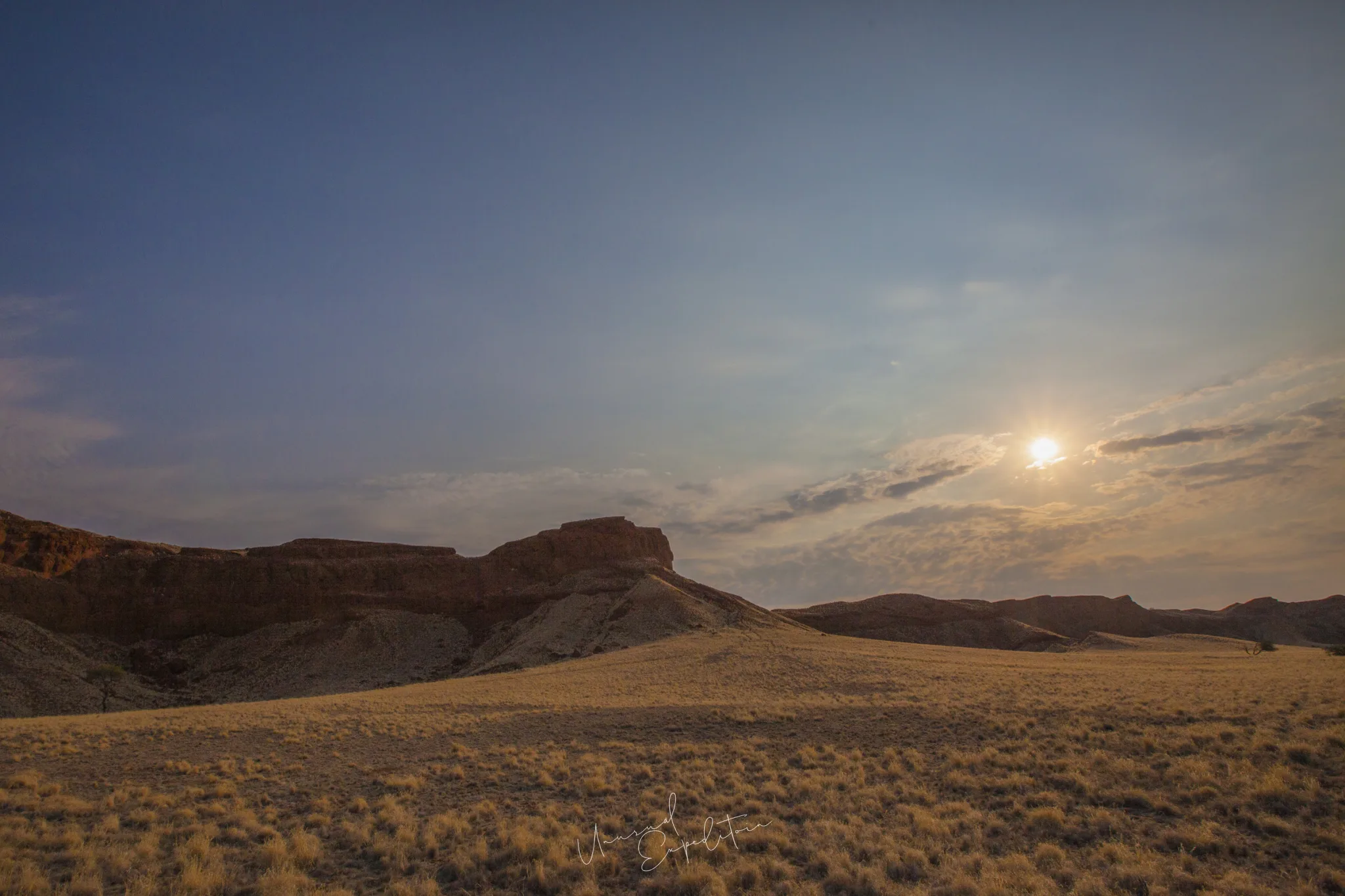
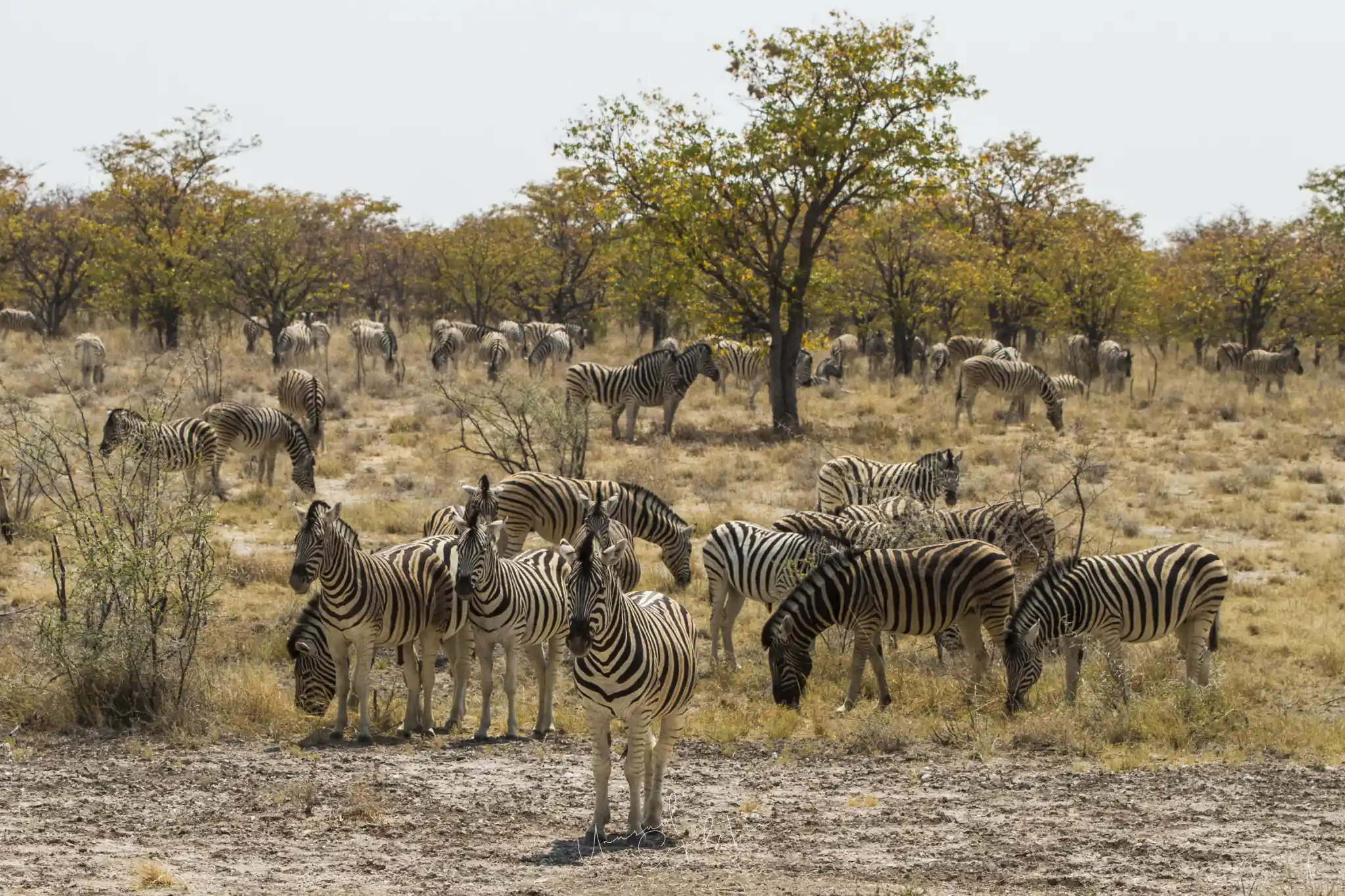
For wildlife, the dry season wins. Travel sources agree that the later in the dry season you go to Etosha, the better the viewing, because water elsewhere has dried up and animals depend on the permanent waterholes. In the rainy months animals disperse and the waterholes are quieter, though the park turns green and young animals appear. If your priority is elephants, zebra and oryx at the water, aim for the dry season, and check the Namibia Wildlife Resorts site for current conditions.
Namibia in August and the cold months
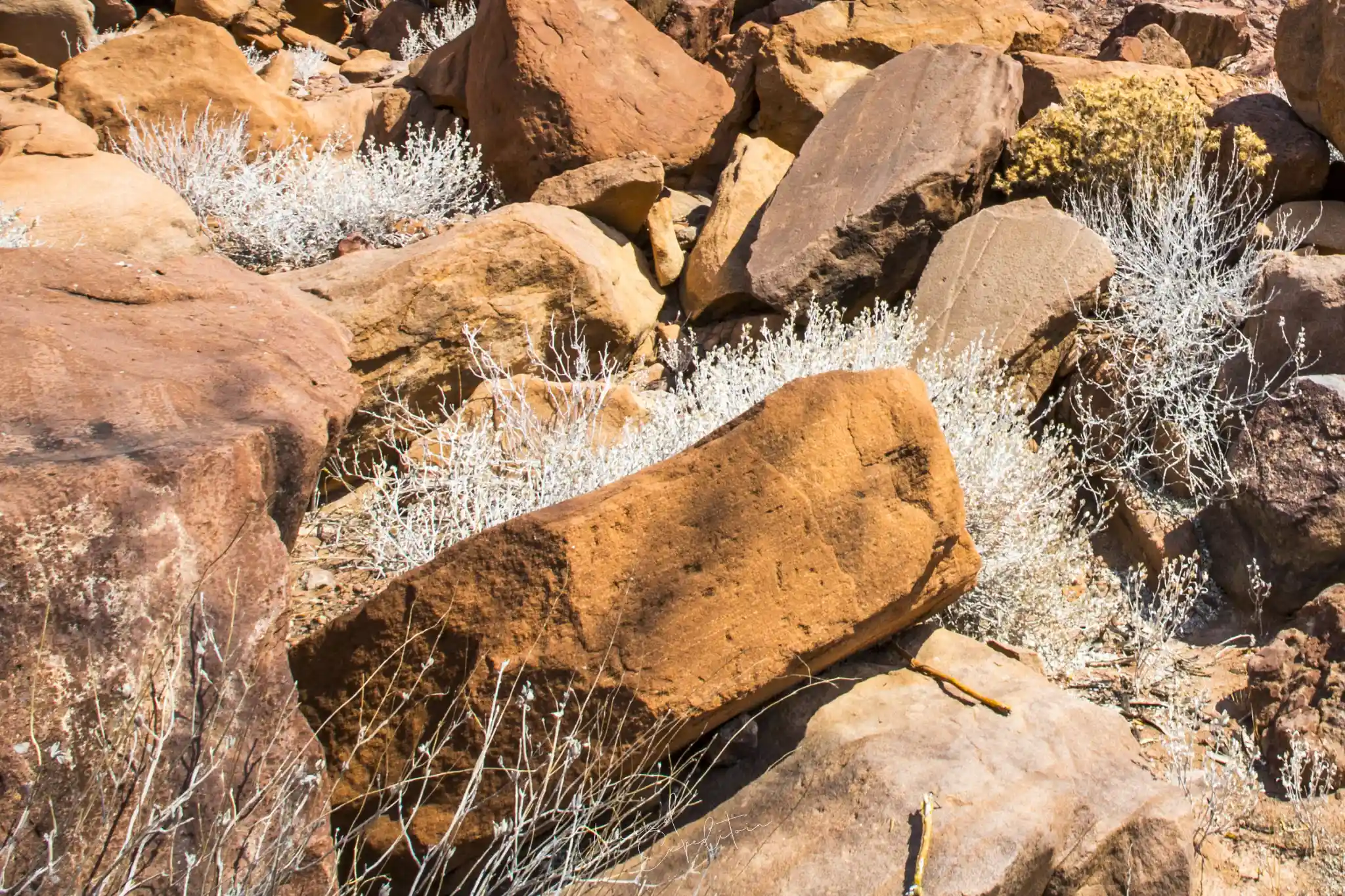
August is in the heart of the dry season, with clear air and low humidity. Days are mild and nights can be very cold in the desert, so bring warm layers for sunrise shoots. In the clear dry air, rocks and shrubs show crisp detail in low sun, as in the frame here, and dust and haze late in the season soften the distance and can give a pale sun at sunrise. The weather is stable, which makes planning easy, and it is the busiest time at the main sites, so book early.
Namibia in December and the rainy season
December and the months around it are hot and the rains begin. In the desert, rain is rare and short, but the plains can turn green after a good fall, and clouds build to make dramatic skies. Heat is the main issue, with high daytime temperatures reported across the country, so shoot early and rest in the middle of the day. The coast stays cool and foggy. At Cape Cross, the Ministry of Environment, Forestry and Tourism gives November and December as the seal breeding season.
Namibia by month and region
| Month | Sossusvlei and the plains | Etosha | Coast |
|---|---|---|---|
| January to March | Hot, patchy cloud, rare rain | Green, animals spread out | Cool, foggy, warm-season flamingo counts |
| April and May | Cooling, clearing skies | Drying out, waterholes begin to matter | Cool, fog common |
| June to August | Clear, cold mornings | Dry season, strong waterhole viewing | Cold sea air, fog common |
| September and October | Clear, warming, some haze | Late dry season, animals crowd the water | Cool, fog, flamingo counts rise |
| November and December | Heating up, first cloud | Rains begin, animals disperse | Seal breeding season at Cape Cross |
The table is a guide, not a forecast, since the start and end of the rains vary from year to year.
Best time to see flamingos at Walvis Bay
Walvis Bay is a Ramsar wetland, and flamingos feed in the lagoon through much of the year. A travel article we read reports the wetland regularly supports a minimum of 70,000 water birds, rising to over 250,000 between September and April, so bird photography is reported to be strongest in the warmer months. Treat the figures as a guide, and check recent reports before you go. The Skeleton Coast photography tour guide covers the lagoon.
I would choose the month by the subject, then accept what the sky gives me. A month of perfect blue is easy to plan and rarely makes the best pictures.
Joseph Mak, tour leader, Unusual Expedition
Which month is best for the dunes and Deadvlei?
The dry season gives you clean, cold mornings, long shadows and a stable sky. The warmer months give heat and sometimes dramatic cloud, which helps the dunes more than a perfectly clear sky. On a clear day, simple pictures work best: bare dead branches against a blue sky, with pied crows perched in them, need nothing else.
Is dry-season Etosha worth the dust?
Yes, for the wildlife. Dust is constant, the ground is pale and the light is hard in the middle of the day, but animals arrive in numbers that make up for it. Etosha rest camps have floodlit waterholes, according to Namibia Wildlife Resorts, and gates open at sunrise and close at sunset with times that change weekly.
How do you choose between the dry and wet seasons?
Start with the one subject you cannot miss. If it is waterhole wildlife, the late dry season wins. If it is a dramatic sky over the dunes, the hotter months give you a better chance. If it is the seal colony in its busiest weeks, plan for the breeding season. Then look at what else the month offers, and think about how you cope with cold dawns or heat. A trip you enjoy gives better pictures than a perfect month you endure.
Plan the month with us
We run Namibia as a private trip on request, and we help choose the month around the subjects you want. The pace and dates are yours, we arrange the logistics, and a photographer or photography coaching can be added at extra cost. Ask at least two months ahead. See private tours and the Namibia photography tours page.
Namibia photography tours
The next Namibia departure is announced on the Namibia photography tours page, with previous expeditions and all the planning guides.
Explore Namibia in depth
- Namibia Photography Tour: Dunes, Deadvlei, Etosha and the CoastNamibia
- Namibia Photography Trip FAQ: Safety, Visa, Driving and KitNamibia
- Namib Desert Photography: Camelthorn Trees, Gemsbok and Sunset PlainsNamibia
- How to Plan a Photography Trip to Namibia: Self Drive or GuidedNamibia
Upcoming Photo Tours
- Egypt Photo Tour – EgyptEgypt 12 Dec 2026 To 20 Dec 2026
- Inner Mongolia Winter Owl Photo Tour – ChinaChina 01 Jan 2027 To 04 Jan 2027
- Inner Mongolia Winter Photo Tour – ChinaChina 05 Jan 2027 To 11 Jan 2027
- Mekong And Central Highland Vietnam Photo Tour - VietnamVietnam 16 Jan 2027 To 24 Jan 2027