
Best Time to Visit Iceland for Photography, Month by Month
Best time to visit Iceland: aurora and ice caves in winter, midnight sun and puffins in summer, with a month by month table.
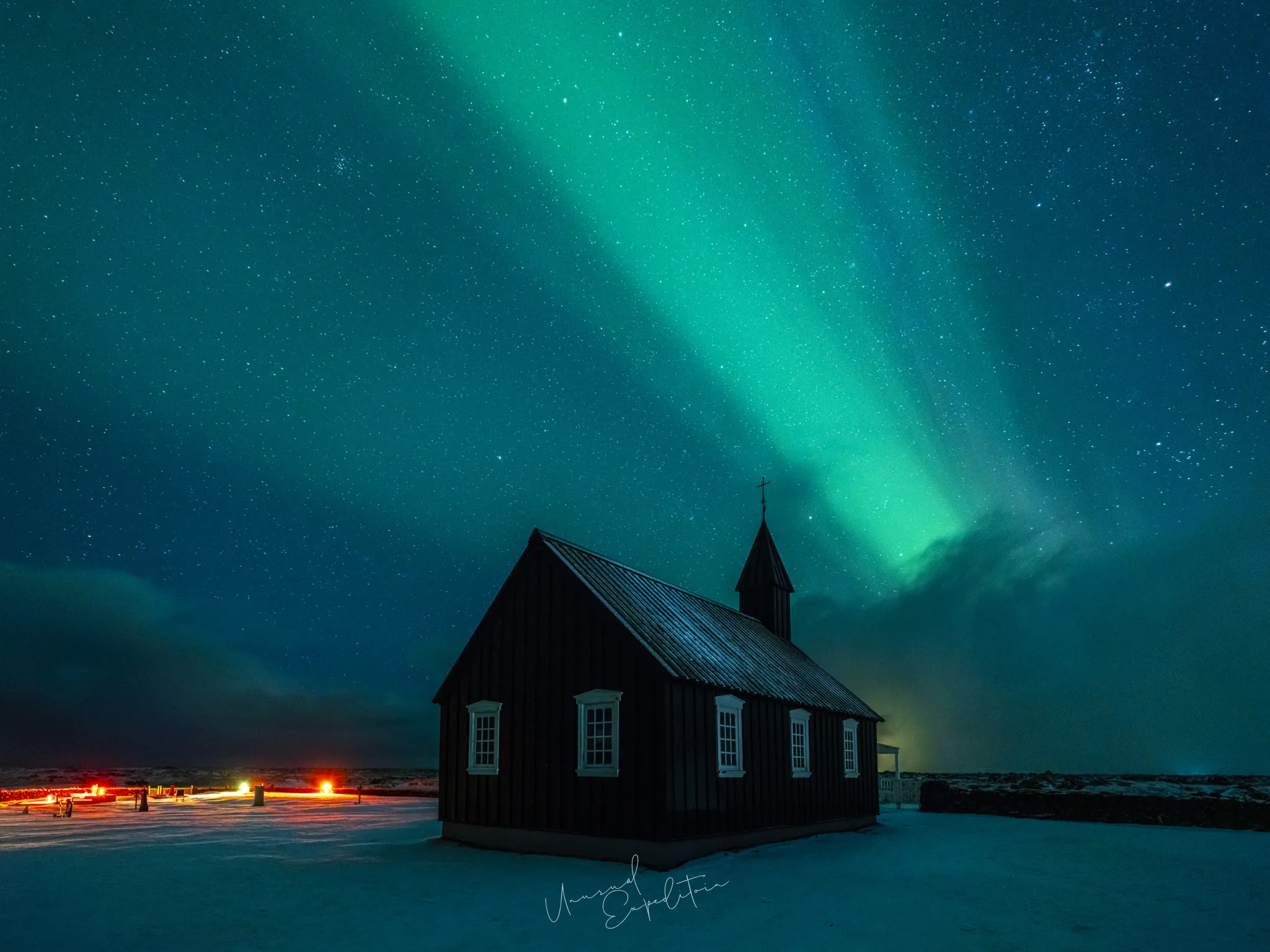
The best time to visit Iceland for photography depends on what you want in the frame. For the northern lights, ice caves and snow on the waterfalls, come between late autumn and March, when the nights are long. For the midnight sun, puffins and the green highlands, come in June or July. September and October sit between the two, with dark nights for the aurora and autumn colour in the low birch woods, and fewer people than in high summer.
Below we take Iceland month by month, with what the light does and where to point the camera, drawing on our own winter trip and the summer tour we run. For the places themselves, start with the Iceland photography tour guide.
When is the best time to visit Iceland for photography?
There is no single best month in Iceland, because the two halves of the year offer opposite things. Winter gives you darkness: the aurora, ice caves inside Vatnajökull, frozen lagoons, and a sun that never climbs high, so the light stays warm and side-lit through the short day. Summer gives you light: in June and July the sun dips only briefly below the horizon in the south, and in the north it barely sets at all, so golden light lasts for hours instead of minutes. If you can choose only once, decide between the aurora and the midnight sun first; the rest follows. Photographers who have never seen snow often find winter the more striking Iceland, while those who want birds and green hills belong in summer.
Best month for Iceland, month by month
| Month | Light | Main subjects | Where it works best |
|---|---|---|---|
| January | Short days, low sun all day, long nights | Northern lights, ice caves, frozen waterfalls | South coast, Jökulsárlón, Snæfellsnes |
| February | Days lengthening, still long nights | Aurora, ice caves, snow landscapes | Golden Circle, south coast, the north |
| March | Day and night roughly equal | Aurora, late snow, clearer weather spells | Snæfellsnes, Mývatn, the south |
| April | Aurora season ending by mid-month | Late snow on peaks, returning birds | South and west |
| May | Long evenings, nights fading | Puffins arriving, waterfalls in spate | Westman Islands, south coast |
| June | Midnight sun, no true darkness | Puffins, night sessions in golden light | Everywhere; the north for the sun at midnight |
| July | Midnight sun continues | Puffins, green moss, highland roads opening | Heimaey, Mývatn, Snæfellsnes, the highlands |
| August | First dark nights late in the month | Puffins leaving, highlands, first aurora chances | Highlands, Eastfjords |
| September | Balanced days, dark nights return | Aurora, autumn colour | The north, Snæfellsnes, Þingvellir |
| October | Shorter days, first snow on the peaks | Aurora, autumn colour, early snow | South coast, Jökulsárlón |
| November | Short days, long nights | Aurora, the start of the ice cave season | Vatnajökull, the south |
| December | The darkest month | Aurora, snow, ice | South coast, Reykjavík area |
Read across the rows and the year splits cleanly: the aurora months and the puffin months barely overlap.
Iceland in winter
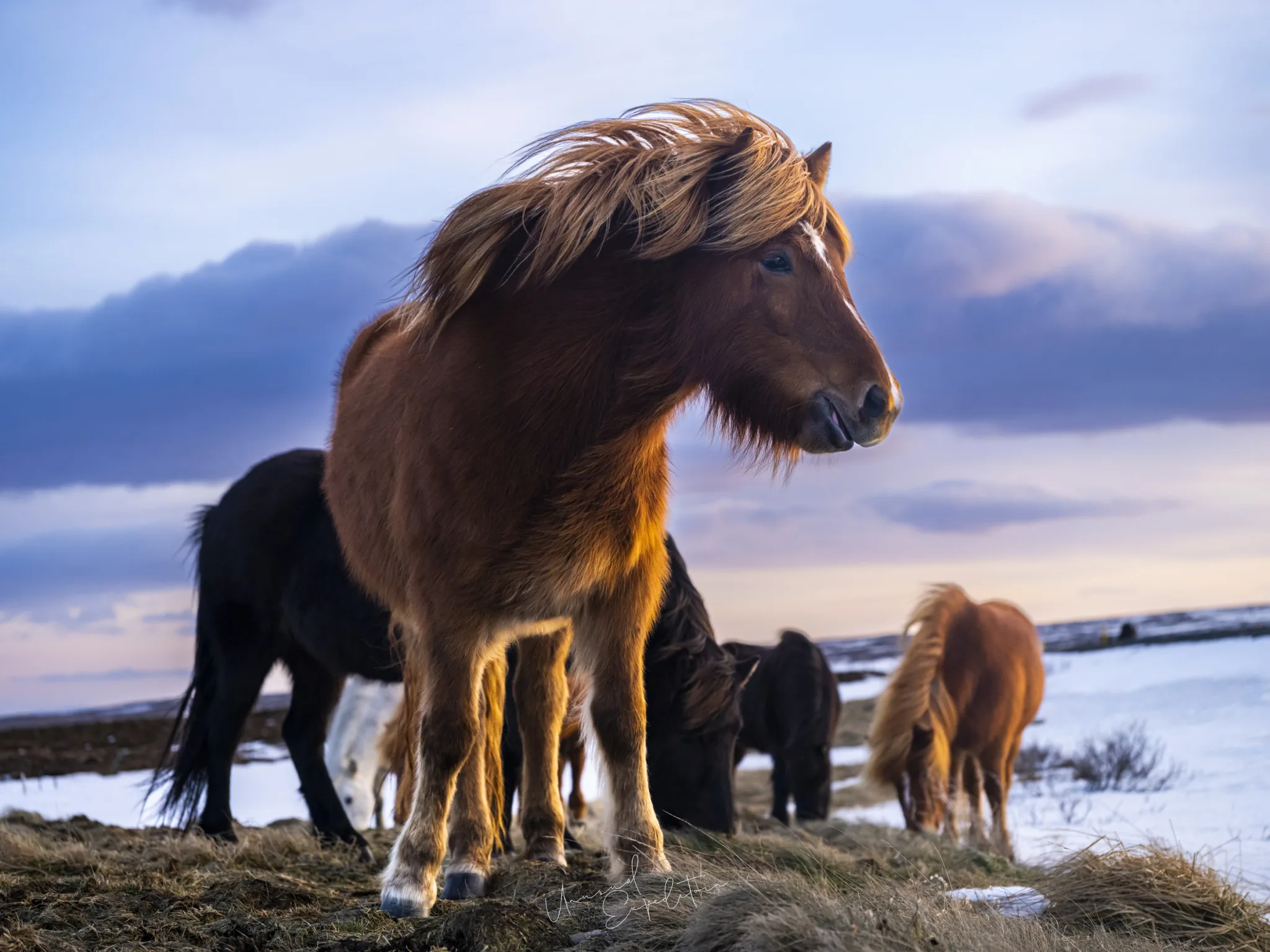
Iceland in winter is for photographers who like weather. The sun stays low, so even the middle of the day has long shadows and warm light on snow, and the blue hour lasts. Perlan, the Reykjavík museum, notes that four or five hours of daylight is the norm at midwinter, so the working day is short and the nights are long. When we photographed Iceland in winter, Gullfoss was half frozen, the Icelandic horses stood in the snow with their manes blowing, and almost every night had a chance of aurora. The cost is flexibility: storms close roads, and the road administration's site, road.is, becomes the most-read page of the trip. Plan buffer days rather than a tight loop.
Best time to see northern lights in Iceland
The best time to see northern lights in Iceland is from September to mid-April, when the nights are dark enough; the activity itself happens all year, but the summer sky is too bright to show it. Within that season, clear weather matters more than the month. The Icelandic Met Office aurora forecast combines activity, cloud cover and moonlight, and its cloud map is the part we watch most closely. The equinox months, September and March, have a reputation for strong displays, and they come with milder weather than midwinter. Away from town lights, a church at Búðir, a mountain such as Kirkjufell or a lone farmhouse gives the sky its scale.
Ice cave season in Iceland
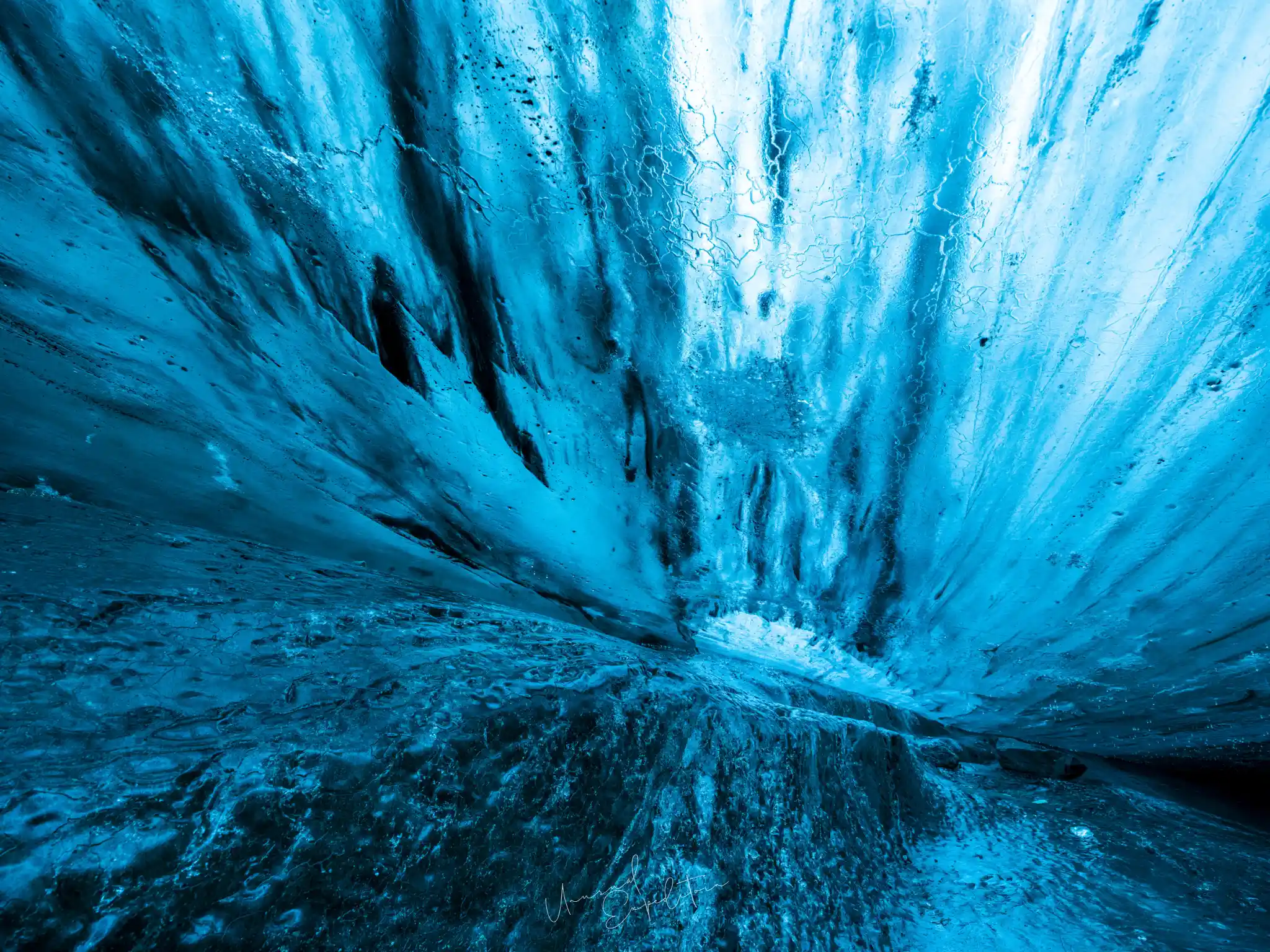
The natural ice caves of Vatnajökull are a winter subject only. They form in the glacier through the year, but they are safe to enter only when the ice is cold and stable, roughly from late autumn to early spring depending on the conditions, and only with certified glacier guides. In summer most natural caves close as the ice melts and shifts. The blue inside a cave comes from dense, old glacier ice, and it changes from one season to the next as the caves reshape. Our Jökulsárlón photography tour guide covers the caves and the lagoon beside them in detail.
In winter I plan every day twice. There is the day we want and the day the weather allows, and the second one has given us some of our best frames. Winter Iceland punishes a fixed plan and rewards a patient one.
Joseph Mak, tour leader, Unusual Expedition
Iceland in summer and the midnight sun
Iceland in summer suits photographers who want long sessions. In June and July there is no real night in the south, and the low sun circles the northern horizon for hours, so a sunset slides straight into a sunrise. Around the solstice Icelanders celebrate the longest days, and Visit Iceland keeps a guide to the midnight sun for visitors. The waterfalls are full, the moss on the lava is green, and highland roads open from early summer, according to the Icelandic Road and Coastal Administration, which keeps a table of opening dates on road.is. Our scheduled departure, the Iceland Midnight Sun Photo Tour, photographs the coast in this light late in the evening and through the night, when the busy sites empty out.
When is puffin season in Iceland?
Puffin season in Iceland runs from late April or early May, when the birds arrive at their cliffs, to mid or late August, when they leave for the open sea, according to Visit Iceland. The Westman Islands off the south coast hold one of the largest colonies, and Stórhöfði on Heimaey is where our summer tour photographs them, with the birds flying in from the sea in low light. June and July are the surest months, because the birds are busy feeding chicks and come and go all evening.
Iceland in autumn and spring
September and October in Iceland bring the aurora back while the roads are still easy. The low birch and the tundra turn red and gold in the north and on Snæfellsnes, and the first snow can dust the peaks. Spring, March and April, is the mirror image: snow on the mountains, longer days, and the last weeks of the aurora. Both shoulder seasons are quieter than summer, though weather can swing from calm to gale in a day.
Best time to visit Iceland weather wise
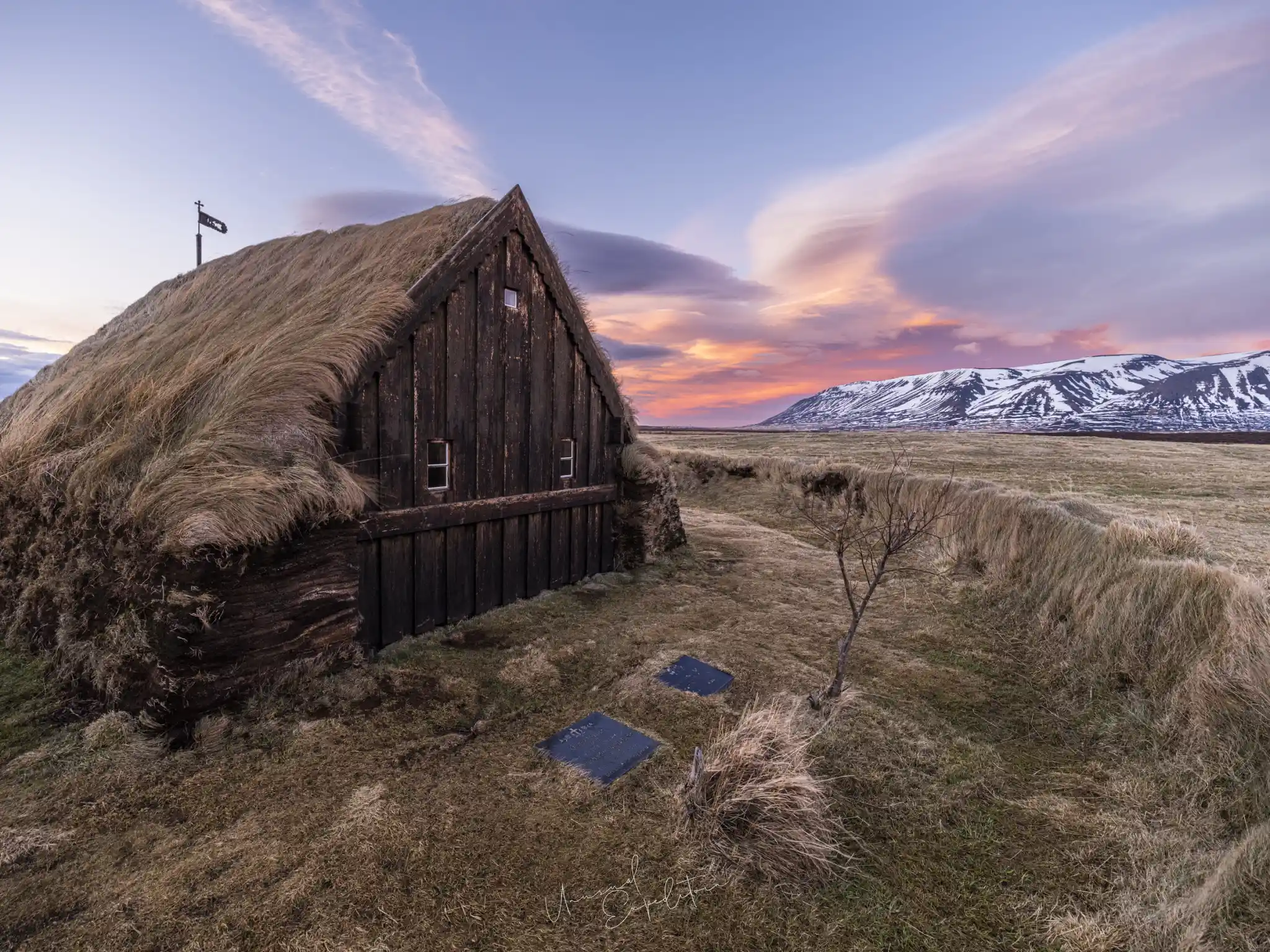
The best time to visit Iceland weather wise is summer, from June to August, when the roads are clear and the days are mild, but Iceland's weather changes fast in every season, and wind matters more than temperature. The Icelandic Met Office at vedur.is publishes forecasts and warnings, and Safetravel posts alerts for travellers. Rain and wind can arrive on a summer evening as easily as in winter, so pack waterproofs whatever the month. Our Iceland photography trip FAQ covers clothing, driving and safety, and the guide to getting to Iceland covers flights, visas and money.
Choose your season and come with us
Our scheduled Iceland departure is the Iceland Midnight Sun Photo Tour; the dates and current rate are on the Iceland photography tours page. For a winter aurora trip at your own pace, we can plan a private tour.
Join the Iceland photography tour
Iceland Midnight Sun Photo Tour departs 05 Jul 2027 To 18 Jul 2027, led by Joseph Mak. Small group, photography first. All Iceland photography tours.
Explore Iceland in depth
- Iceland Photography Tours: The Complete GuideIceland
- How to Get to Iceland: Flights, Visa, Trip Cost and PackingIceland
- Iceland Photography Trip FAQ: Safety, Aurora, Drones and CostIceland
Upcoming Photo Tours
- Egypt Photo Tour – EgyptEgypt 12 Dec 2026 To 20 Dec 2026
- Inner Mongolia Winter Owl Photo Tour – ChinaChina 01 Jan 2027 To 04 Jan 2027
- Inner Mongolia Winter Photo Tour – ChinaChina 05 Jan 2027 To 11 Jan 2027
- Mekong And Central Highland Vietnam Photo Tour - VietnamVietnam 16 Jan 2027 To 24 Jan 2027