
Iceland Photography Trip FAQ: Safety, Aurora, Drones and Cost
Iceland photography trip questions answered: is Iceland expensive, Reynisfjara, winter driving, ice caves, drone rules and cash.
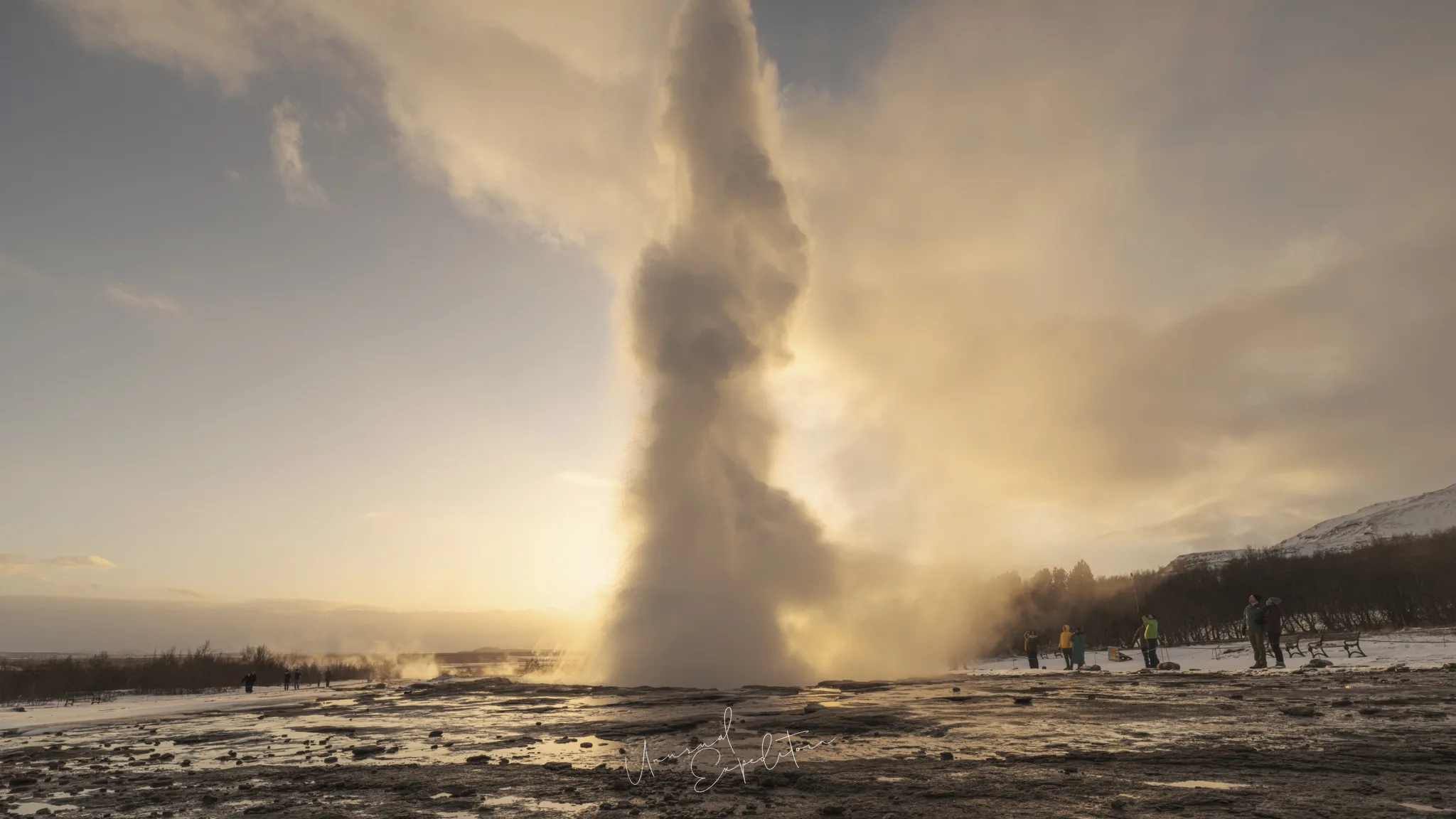
The Iceland photography trip questions we hear most are about the weather, the northern lights, safety on the beaches and roads, drones, ice caves and cost. Iceland is safe but its nature is not, the aurora needs dark and clear skies between September and mid-April, ice caves are guided-only and winter-only, drones need care around protected areas, and the country is expensive. The answers below come from our own trips and the official Icelandic sources.
For the overview of where to go and what to photograph, read the Iceland photography tour guide first; this page answers the practical questions that come after it.
Is Iceland worth visiting?
Iceland is worth visiting, and for a photographer more than most travellers, because Iceland's landscapes change completely with the light and the season. One coastline offers glacier ice on black sand, basalt columns, waterfalls you can walk behind and a geyser that erupts every few minutes. The catch is that the best-known places are busy at the middle of the day, so a photography trip in Iceland pays off only when it follows the light: early and late in winter, late in the evening and through the bright night in summer. At Haukadalur, the Strokkur geyser erupts so often that you can wait for the burst to line up with a low sun behind the steam.
Is Iceland expensive?
Iceland is one of the more expensive countries in Europe for visitors. Accommodation in the countryside is limited and books out early in summer, car hire and fuel cost more than in most of Europe, and eating out is pricey. For a photography trip the bigger cost is time: the best light often falls when tours and buses are not running, which is why a small group with its own vehicle works well here. On our scheduled Iceland Midnight Sun Photo Tour the fare is indicatively S$15,500 to S$19,250 per person depending on the room; the current rate is on the destination page.
Can you see northern lights in Iceland in summer?
No, not in June or July. The aurora is there all year, but the sky in an Icelandic summer never gets dark enough to show it. The season for the northern lights in Iceland runs from about September to mid-April. In late August the first dark nights return, and a strong display is occasionally visible. Our best time to photograph Iceland guide has the month-by-month picture, including the midnight sun months when you trade the aurora for all-night golden light.
Why is Reynisfjara beach dangerous?
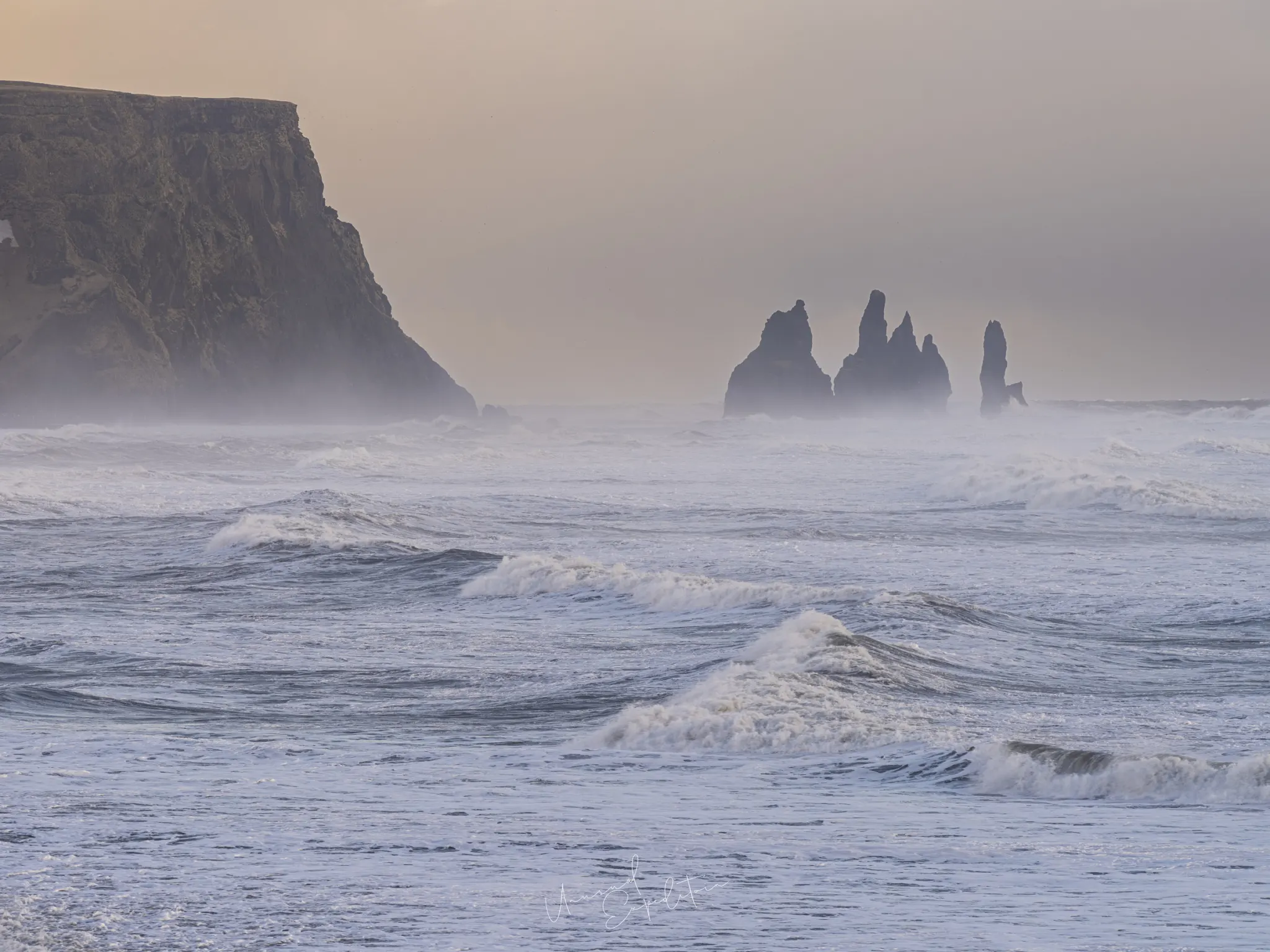
Reynisfjara beach is dangerous because of its waves. The black sand beach near Vík, with the Reynisdrangar sea stacks offshore, is the most dangerous beach in Iceland. Visit Iceland and Safetravel, the safety service run by ICE-SAR, Iceland's search and rescue association, warn about sneaker waves that run much further up the sand than the waves before them, with no warning. People have been dragged into the sea there. Stay well back from the water line, never turn your back on the waves, and follow the warning signs at the beach entrance. We photograph the stacks with a longer lens from high on the beach, which gives a better composition anyway.
Is it safe to drive in Iceland in winter?
Driving in Iceland in winter is safe for an experienced driver with the right vehicle and the patience to wait out the weather, and risky for anyone else. Roads ice over, wind can push a car off the road on exposed stretches, and storms close passes at short notice. The Icelandic Road and Coastal Administration shows live road conditions on road.is, and Safetravel posts alerts; we check both before setting out. The highland F-roads are closed in winter and open only from early summer, as the snow allows. On our trips we drive, so you can concentrate on photographing.
Can you visit ice caves in Iceland on your own?
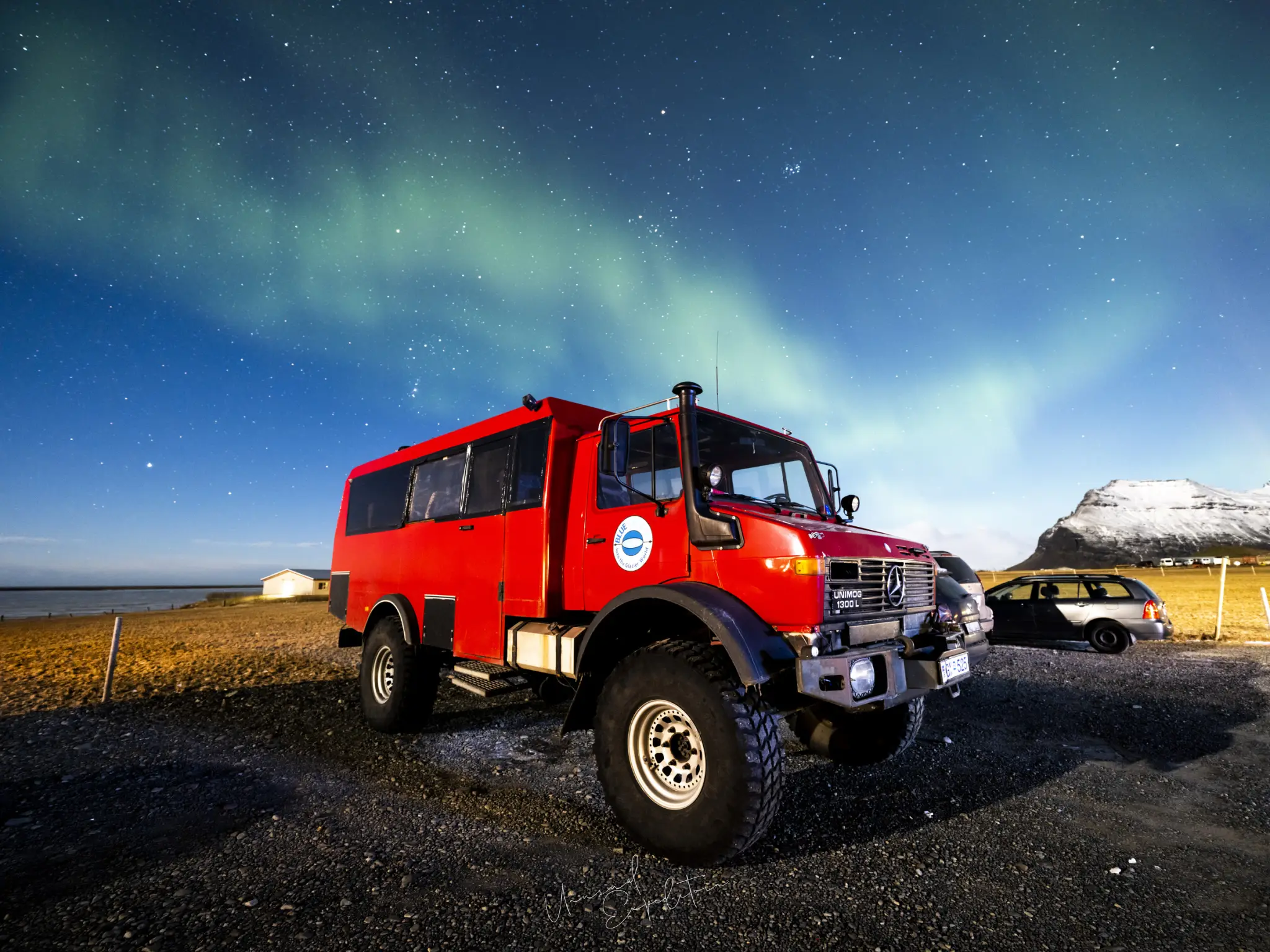
No. The natural ice caves in Vatnajökull are reached only with certified glacier guides, who check the caves for safety and supply helmets and crampons, and the season is limited to the cold months, roughly late autumn to early spring. Access is usually in high-clearance glacier trucks from the south coast near Jökulsárlón. The caves change shape every year, so the cave you see is never quite the one in last year's photographs. For more on the caves and the lagoon, see our Jökulsárlón photography tour guide.
Iceland drone rules: can I fly a drone?
Iceland drone rules allow flying, but with registration and limits. All drones must be registered with the Icelandic Transport Authority, and the Transport Authority publishes a drone map of restricted areas on island.is. Vatnajökull National Park and Þingvellir National Park set their own rules, and many protected areas, including some of the best-known waterfalls, limit or require permission for flights. Check the official map and the park's own page before you fly, and never fly over people, wildlife or other visitors' tripods. Rules change, so we check every location again before each trip.
The most useful thing I carry in Iceland is not a lens. It is the habit of checking the road page and the weather warnings before every outing, and the discipline to turn back when the sea or the wind says so.
Joseph Mak, tour leader, Unusual Expedition
What to wear in Iceland in winter?
In Iceland in winter, dress in layers that cope with wind and wet: a thermal base layer, a fleece or down mid-layer, and a windproof, waterproof outer shell with waterproof trousers. Add a warm hat, a neck gaiter, thin liner gloves that let you work the camera inside warmer mitts, warm socks, and waterproof boots with a good grip, plus microspikes for icy paths at waterfalls. In summer you still need the shell and a warm layer for night sessions, because the wind off the sea is cold in every season.
Do I need cash in Iceland?
Hardly at all. Iceland uses the Icelandic króna, and cards, including contactless payment, are accepted almost everywhere, from petrol stations to remote cafés. A Singapore credit or debit card that works overseas covers most needs; we rarely use cash at all on our trips. Our guide to getting to Iceland covers money, phones and power in more detail.
How many days do I need in Iceland?
For photography, more than most people plan. A week covers the Golden Circle and the south coast as far as Jökulsárlón, at a pace that leaves room for weather. A full loop that adds the Eastfjords, Mývatn, the north and Snæfellsnes needs about two weeks, which is the length of our Iceland Midnight Sun Photo Tour. Spare days matter more in winter, when a storm can close the road for a day.
Is Iceland safe to visit?
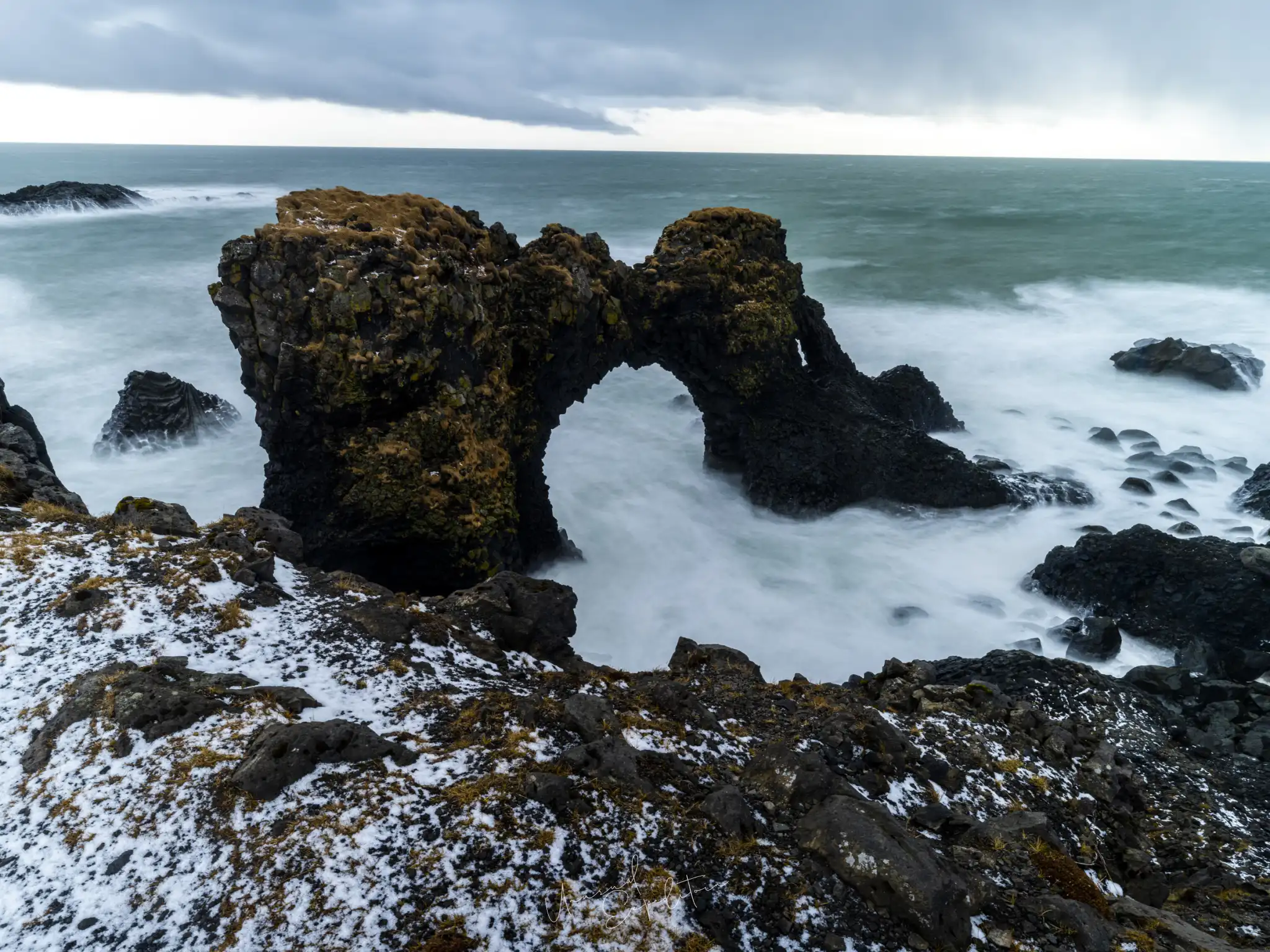
Iceland is widely ranked among the safest countries to visit and crime against visitors is rare; the risks are natural. Besides the waves at Reynisfjara and winter roads, there is glacier ice that should be walked only with a guide, hot ground at geothermal areas where you stay on marked paths, and volcanic activity on the Reykjanes peninsula near Grindavík, where a series of eruptions has taken place in recent years. The Icelandic Met Office at vedur.is publishes the current status and hazard maps, and Safetravel lets you leave a travel plan.
Plan your Iceland photography trip
Dates and the current rate for the Iceland Midnight Sun Photo Tour are on our Iceland photography tours page.
Join the Iceland photography tour
Iceland Midnight Sun Photo Tour departs 05 Jul 2027 To 18 Jul 2027, led by Joseph Mak. Small group, photography first. All Iceland photography tours.
Explore Iceland in depth
- Iceland Photography Tours: The Complete GuideIceland
- How to Get to Iceland: Flights, Visa, Trip Cost and PackingIceland
- Best Time to Visit Iceland for Photography, Month by MonthIceland
Upcoming Photo Tours
- Egypt Photo Tour – EgyptEgypt 12 Dec 2026 To 20 Dec 2026
- Inner Mongolia Winter Owl Photo Tour – ChinaChina 01 Jan 2027 To 04 Jan 2027
- Inner Mongolia Winter Photo Tour – ChinaChina 05 Jan 2027 To 11 Jan 2027
- Mekong And Central Highland Vietnam Photo Tour - VietnamVietnam 16 Jan 2027 To 24 Jan 2027