
Best Time to Photograph India: Festivals, Fog and Weather by Month
Best time to visit India for photography: weather by month in the north, Holi, the Pushkar fair, winter fog and the monsoon.
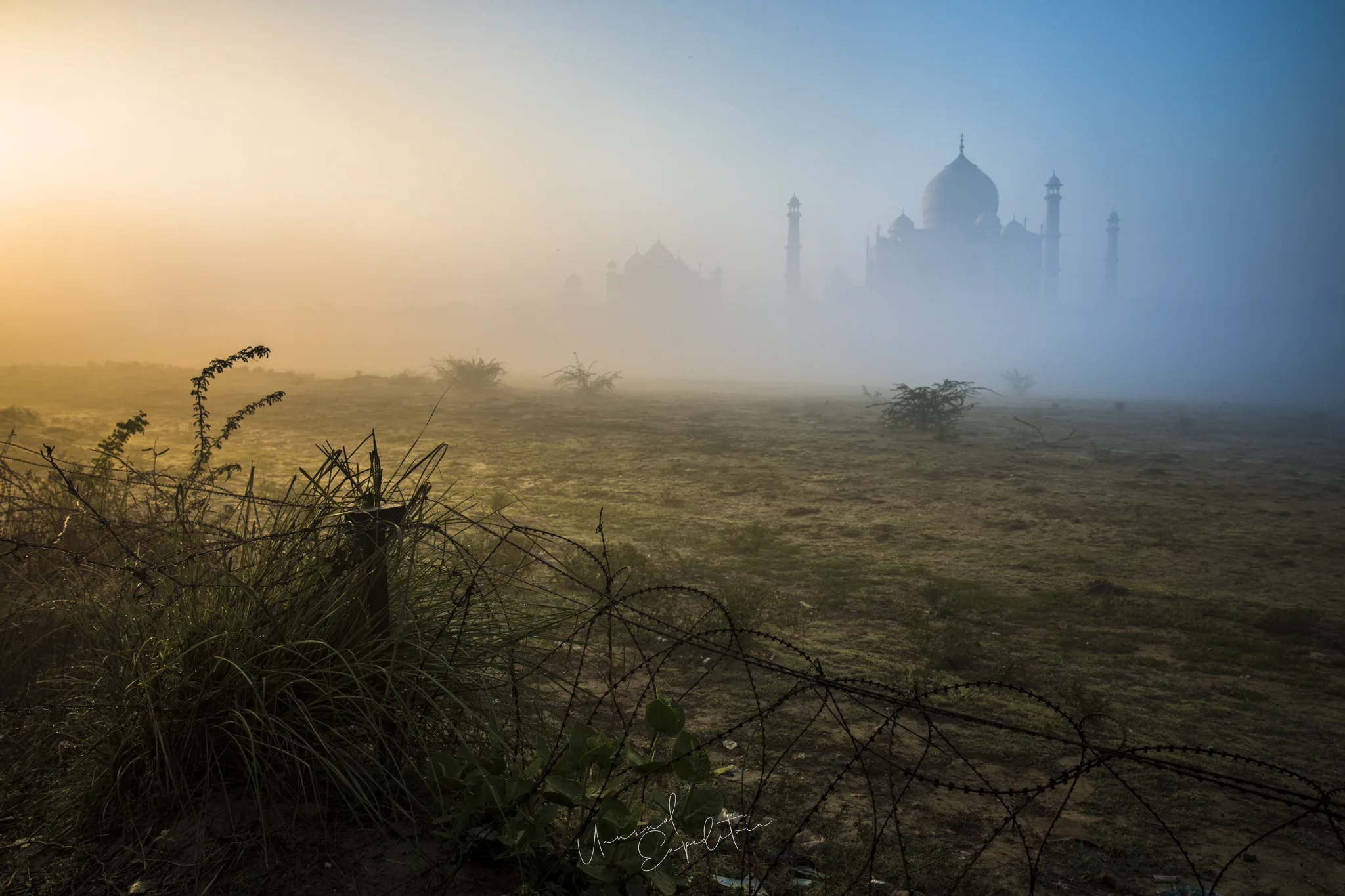
The best time to visit India for photography in the north is from October to March, the cool, dry half of the year, and the exact month depends on the subject: the Pushkar camel fair in October or November, fog over the Taj Mahal and the Ganges in December and January, and Holi in Mathura and Vrindavan in late February or March. April to June is hard work on the plains, and the monsoon from June to September brings heavy rain and soft, wet light.
This page belongs to our India photography tour guide, which introduces the regions. Here we set them side by side, month by month.
Best time to visit India weather wise
The best time to visit India weather wise follows the four seasons the India Meteorological Department uses for the whole country: winter in January and February, the pre-monsoon hot season from March to May, the southwest monsoon from June to September, and the post-monsoon months from October to December. On the northern plains, where Delhi, Agra, Mathura, Vrindavan and Varanasi lie, that means clear, mild autumns, cold and foggy winter mornings, a short warm spring, fierce summer heat and a humid, rainy monsoon. Rajasthan is drier and hotter, and the Himalayan north is cold and snowy in winter. India's Ministry of Tourism recommends October to March for Mathura, and the same window suits the rest of the north.
India by month for photographers
| Month | Mathura and Vrindavan | Pushkar | Agra and Varanasi | Notes |
|---|---|---|---|---|
| October | Clear and warm | Fair season begins in some years | Clear light on the river | Post-monsoon, dust settled |
| November | Mild, dry | Fair at Kartik Purnima in many years | Excellent, cooler mornings | Our favourite all-round month |
| December | Cold mornings, fog | Quiet, cool | Fog on the Taj and the Ganges | Delays to trains and flights in fog |
| January | Coldest, often foggy | Cool, clear | Misty dawns | Pack warm layers |
| February | Warming, Holi season may start | Pleasant | Clearing, good light | Early Holi in some years |
| March | Holi in most years | Warming | Warm, hazier | Plan Holi early |
| April to June | Very hot | Very hot | Very hot | Mountains only |
| July to September | Monsoon, Janmashtami | Monsoon | Monsoon, river in flood | Green, wet, humid |
November is the most comfortable month; March is the most colourful.
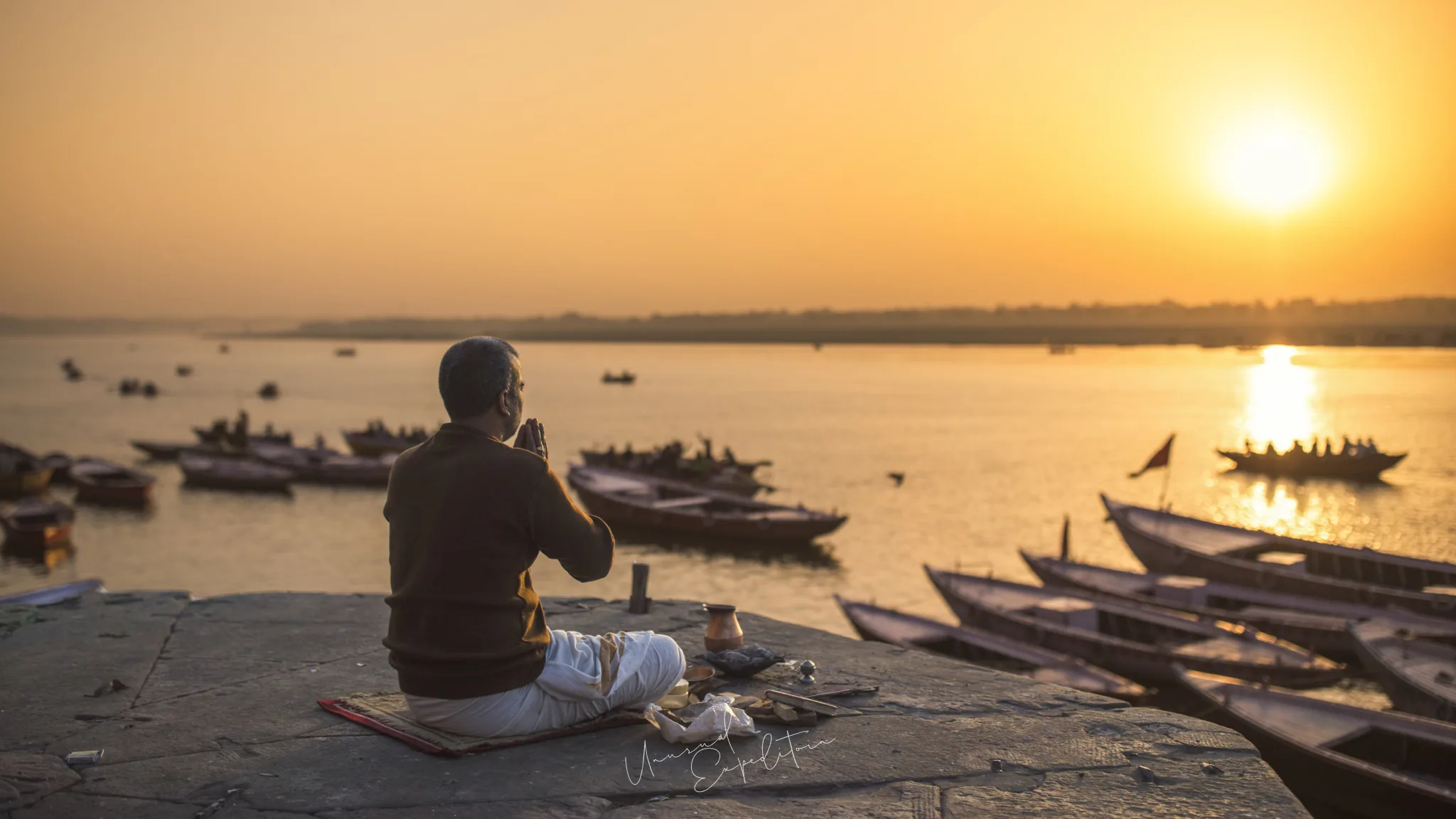
Best time of year to visit northern India for festivals
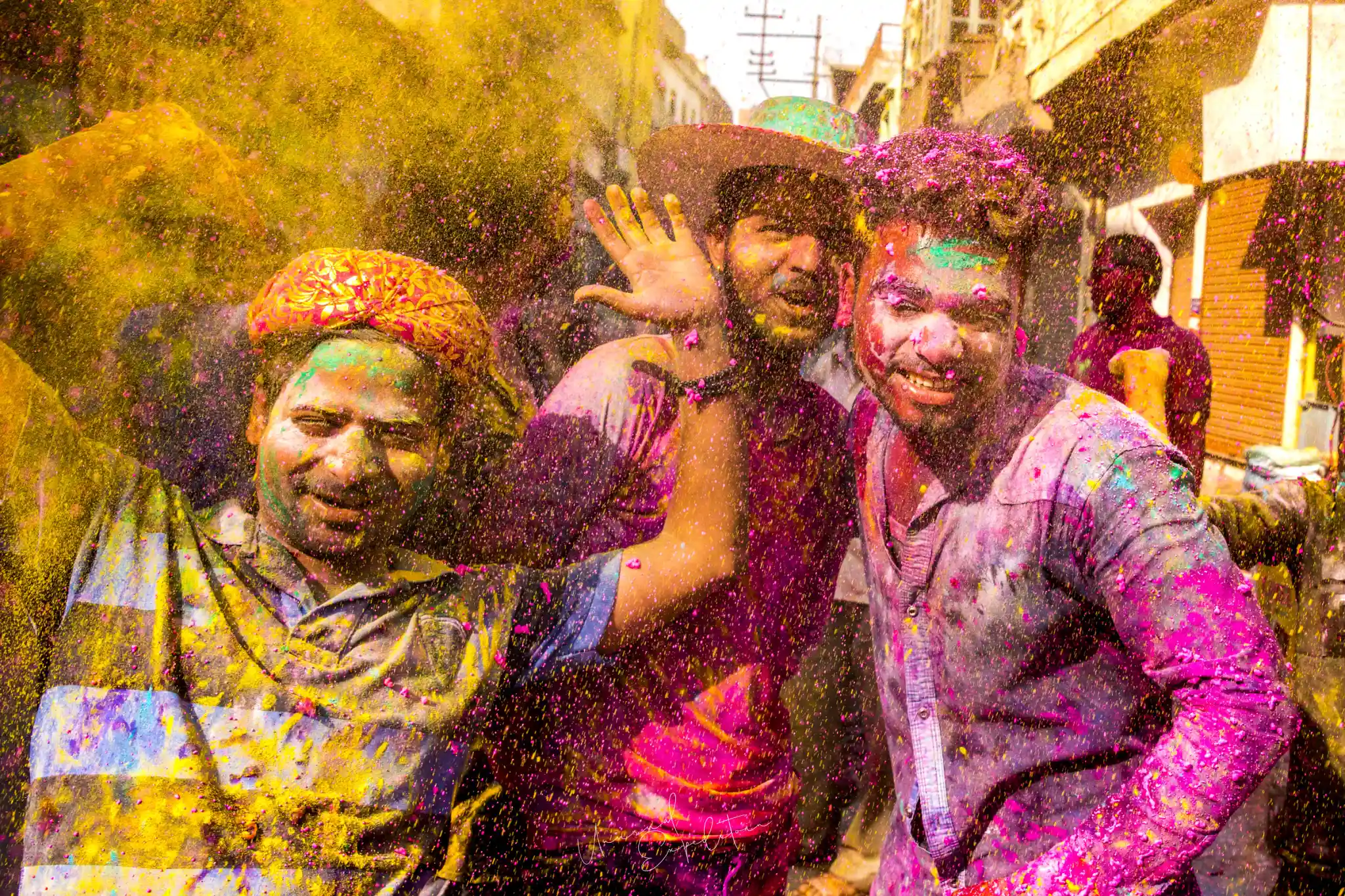
The best time of year to visit northern India for festivals is set by the lunar calendar, so the months shift a little each year. Holi falls on the last full moon of the Hindu year, usually in March, according to India's Ministry of Tourism, and in Mathura and Vrindavan the temple celebrations start days earlier; Incredible India lists the 2027 Braj Rangotsav from 16 to 30 March 2027. The Pushkar camel fair coincides with Kartik Purnima, the full moon of the month of Kartik, which falls in late October or November. Diwali, the festival of lights, falls in the same autumn months. Krishna Janmashtami, Krishna's birthday, comes in August or September and fills Mathura with processions. The Mathura and Vrindavan and Pushkar guides give each festival in detail.
Winter fog: December and January
From December into January the plains of north India often wake in thick fog, and it shapes the photography. The Taj Mahal can vanish entirely at dawn and reappear as a ghost by mid-morning; the Varanasi ghats turn soft and grey, with boats floating in white. These are some of the most beautiful pictures India gives, but they need flexibility: fog can delay trains and flights and hide a monument for a whole morning. Build spare mornings into a winter plan, dress in layers, and keep a fast lens for the dim, flat light.
"People ask me for the best month in India as if there were one answer. For the Taj in fog I come in winter, for Holi in March, for Pushkar in November. Choose the picture you want first, then the month chooses itself."
Joseph Mak, tour leader, Unusual Expedition
Spring and Holi: February and March
Late February and March is India's most colourful season. The fog has gone, the heat has not yet arrived, and Holi turns the towns of Braj into rivers of powder. Light is clear in the morning and hazy by afternoon, which suits both the ghats at dawn and the temple courtyards when the sun is high. It is also busy: the towns fill with pilgrims, and the crowds at the temples are enormous. Singapore's Ministry of Foreign Affairs asks Singaporeans in India to avoid large gatherings, so we plan our places in the crowd carefully; the India photography trip FAQ covers crowd safety and consent.
Summer heat and the monsoon
From April to June the northern plains are very hot, and photography shrinks to the first and last hour of light. Most of our India trips avoid these months unless the subject is in the mountains. The southwest monsoon, from June to September, washes the dust from the air and turns the country green, with dramatic skies and wet streets, but heavy rain, flooding and disrupted travel come with it.
Kashmir and the far north
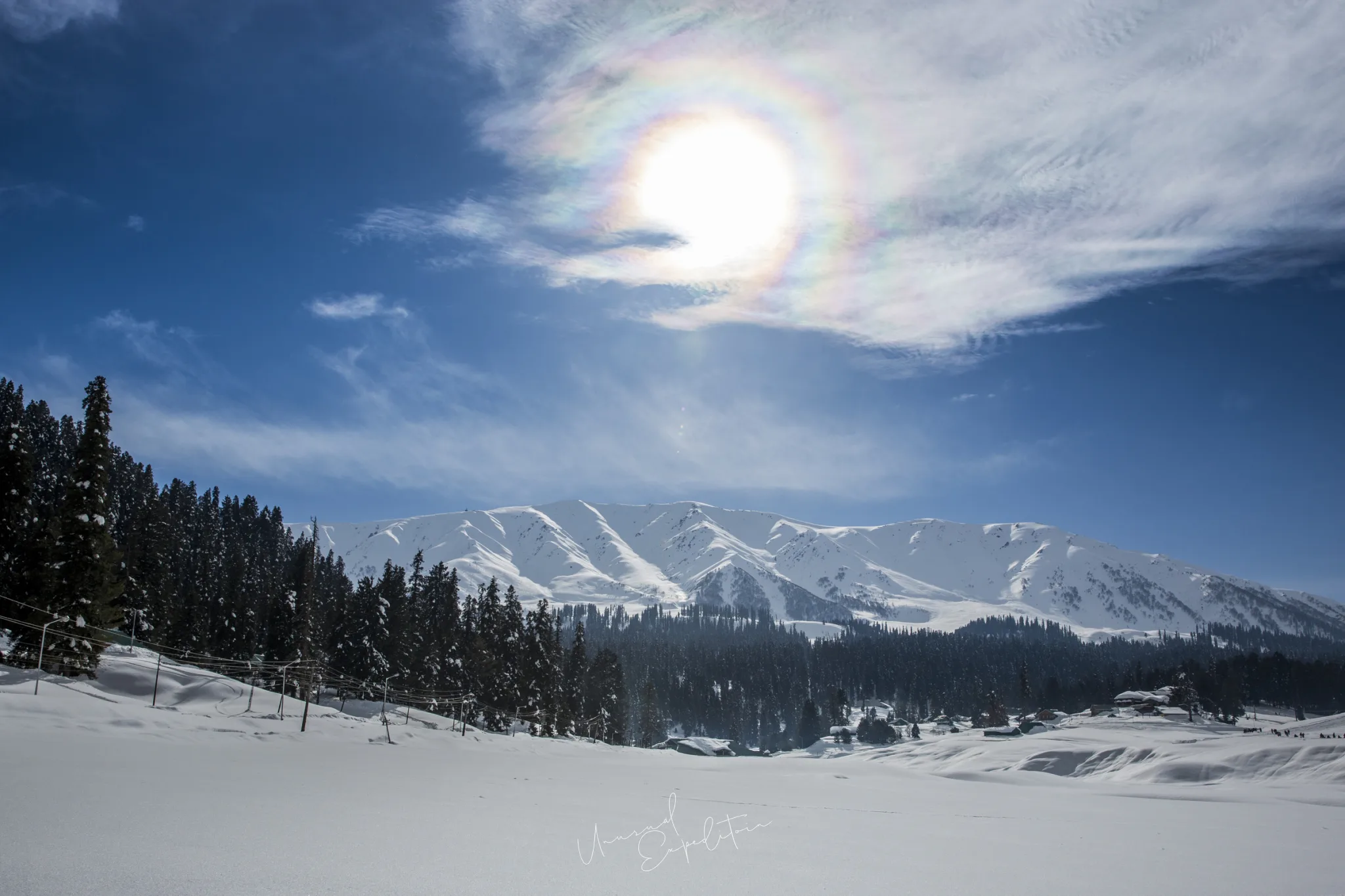
We have photographed Kashmir in winter, Srinagar's Dal Lake and the snowfields of Gulmarg among the finest landscapes in India. As at November 2026, the UK Foreign, Commonwealth and Development Office advises against all travel to the Union Territory of Jammu and Kashmir, including Srinagar and Gulmarg, except to and within Jammu city, and Singapore's Ministry of Foreign Affairs advises deferring non-essential travel there. We do not plan Kashmir while that advice stands.
Choose your month with us
We run India as a private trip on request, built around the festival or season you want to photograph, for individuals, couples, families and photographers. We arrange the logistics around you, and a photographer or photography coaching can be added at extra cost. Ask at least two months ahead, and earlier for Holi and the Pushkar fair. Our how to plan a photography trip to India guide covers visas and flights, and any scheduled departure appears on our India photography tours page.
Ask us about the best time for India
India photography tours
The next India departure is announced on the India photography tours page, with previous expeditions and all the planning guides.
Explore India in depth
- India Photography Tour Guide: Holi, Pushkar, the Taj Mahal and VaranasiIndia
- India Photography Trip FAQ: Visas, Safety, Drones, Temples and KitIndia
- How to Plan a Photography Trip to India: Visa, Flights, Money and SafetyIndia
Upcoming Photo Tours
- Egypt Photo Tour – EgyptEgypt 12 Dec 2026 To 20 Dec 2026
- Inner Mongolia Winter Owl Photo Tour – ChinaChina 01 Jan 2027 To 04 Jan 2027
- Inner Mongolia Winter Photo Tour – ChinaChina 05 Jan 2027 To 11 Jan 2027
- Mekong And Central Highland Vietnam Photo Tour - VietnamVietnam 16 Jan 2027 To 24 Jan 2027