
India Photography Trip FAQ: Visas, Safety, Drones, Temples and Kit
India visa on arrival, e-Visa and e-Arrival card, safety in festival crowds, drones, temple photography, dress, cash and lenses.
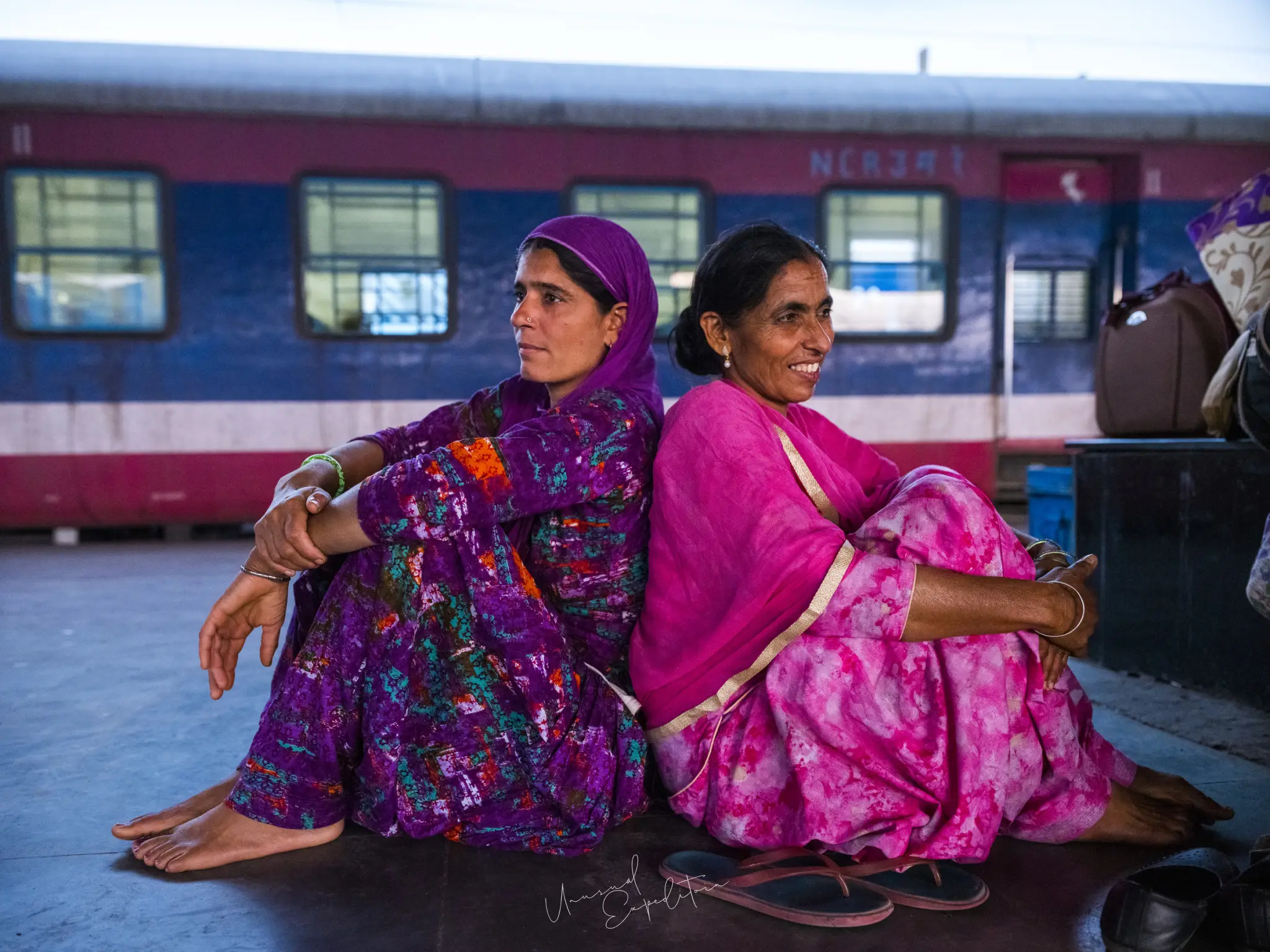
Is there an India visa on arrival? For most travellers the answer is no in the usual sense: you apply online for an e-Visa before you fly, and it is stamped into your passport at the airport. That and the other questions photographers ask before an India trip are answered below: the e-Arrival card, safety in festival crowds, drones, photographing people and temples, dress, money, Kashmir and kit. The answers come from official sources and from our own trips to Mathura and Vrindavan, Pushkar, Agra, Varanasi and Delhi.
The regions themselves are introduced in our India photography tour guide, and the step-by-step plan is in how to plan a photography trip to India.
Is there an India visa on arrival?
India visa on arrival, in the sense of turning up and buying a visa at the airport, is not available to most nationalities. Citizens of a long list of countries can instead apply for an e-Visa on the official Indian Visa Online portal at least four days before arrival. Singapore's Ministry of Foreign Affairs explains the practical step: e-Visa holders go to the visa on arrival counter at the airport to have the visa stamped into the passport. A small number of nationalities have other arrangements, which change from time to time, so check the portal for your own passport. Buy only through the official site; Singapore's MFA warns of fake websites that claim to offer visa services.
India visa for Singaporeans
Singapore is on the e-Visa list. Singapore's Ministry of Foreign Affairs says Singaporeans need a visa before travelling to India and should have at least six months' validity on their passport on the expected date of departure from India. The Indian Visa Online portal offers e-Tourist Visas valid for one month, one year or five years. Visitors of other nationalities should check the same portal and their own government's travel advice, since the rules differ by country.
What is the India e-Arrival card?
The India e-Arrival card is an online arrival form for foreign visitors. The Indian Visa Online portal says foreigners can complete and submit it within the 72 hours before arriving in India, and that it is for arrival information, not a visa. Singapore's MFA reminds Singaporeans to complete it, and also mentions the Air Suvidha health declaration that travellers may be asked to submit before arrival. Fill both in before you leave for the airport and keep a screenshot.
Plan trip to India safety: is it safe for photographers?
For the regions we photograph, the official advice is calm, with sensible precautions. Singapore's Ministry of Foreign Affairs asks Singaporeans in India to remain vigilant, avoid large gatherings, monitor local news and heed local authorities, and to defer non-essential travel to Jammu and Kashmir and to Manipur. The UK Foreign, Commonwealth and Development Office advises against all travel to Jammu and Kashmir, against all but essential travel to Manipur, and against travel within ten kilometres of the border with Pakistan; it does not single out Uttar Pradesh or Rajasthan, where our trips go. It also warns that women can face verbal and physical harassment, especially in crowds. Festivals like Holi are large gatherings by definition, so we plan vantage points, keep groups together and leave early when a crowd turns rough.
Drone India rules for photography
Drone India rules for photography are strict. Drones are regulated by India's civil aviation authorities and need registration and permission, many areas around monuments, airports, borders and military sites are closed to them, and the process for foreign visitors is not simple. We do not fly drones on our India trips and suggest you leave yours at home; if you need aerial work for a commercial project, check the official source before you travel and allow plenty of time for permissions.
Can I photograph people in India?
Most people in India are generous about being photographed, and street and festival portraits are one of the reasons photographers come. Ask first with a gesture or a word, show the picture afterwards, and accept a no. Women and older people in conservative areas may refuse, and their families may refuse on their behalf. Do not pay people to pose, and do not photograph children, anyone in distress, or people bathing at the ghats. At festivals the line is crowd safety and dignity: never photograph someone being pushed, harassed or hurt.
Can I photograph inside temples?
Rules differ temple by temple, and they are posted on the walls. At the Banke Bihari temple in Vrindavan, a sign in Hindi says photographing the deity is strictly forbidden and warns that cameras can be taken; other temples allow photography in the courtyard but not of the sanctum, and some ban cameras at the gate. Look for the signs, ask a temple volunteer, and when in doubt keep the camera down. Shoes come off at the entrance. At the cremation ghats of Varanasi photography is not appropriate, and we do not photograph there.
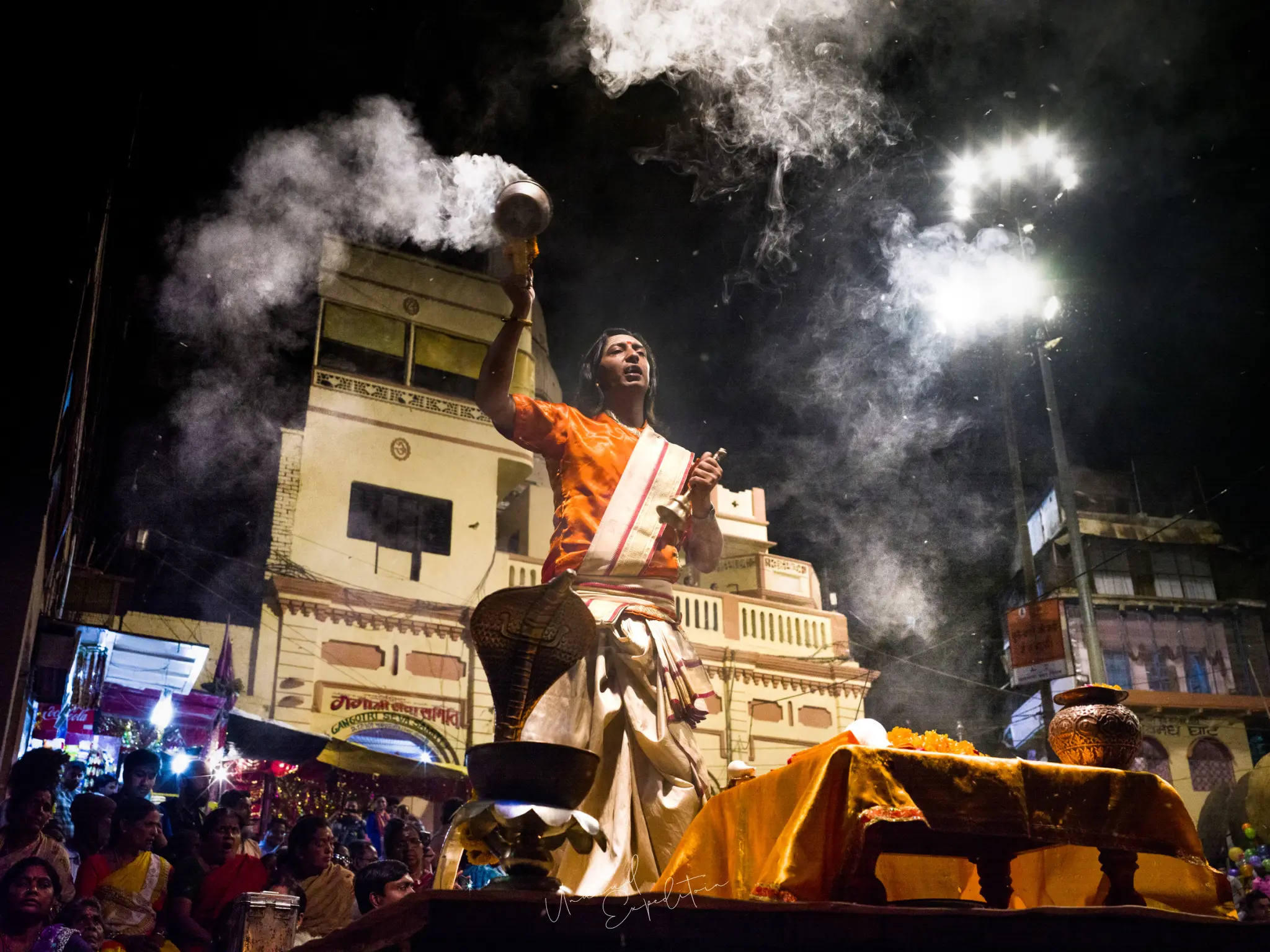
"In India the question is never whether you can take the picture. Someone will almost always let you. The question is whether you should, and that is the photographer's job to answer, every time."
Joseph Mak, tour leader, Unusual Expedition
What should photographers wear in India?
Dress modestly, especially at temples and in small towns: shoulders and knees covered, loose cotton in the warm months and warm layers for the foggy winter mornings in the north. Slip-on shoes save time at temple doors. For Holi, wear old clothes you will throw away and protect your eyes; the Holi photography tips page covers kit and clothing for the colour.
Do I need cash in India?
Yes, some. The currency is the Indian rupee. Cards work in hotels, larger shops and restaurants; markets, temples, rickshaws and tips need cash. India's national payments corporation, NPCI, offers international visitors a prepaid UPI wallet called UPI One World, loaded with foreign currency and usable wherever UPI payments are accepted. ATMs are common in cities and scarcer in small towns, so draw cash before you leave the city.
Can I visit Kashmir?
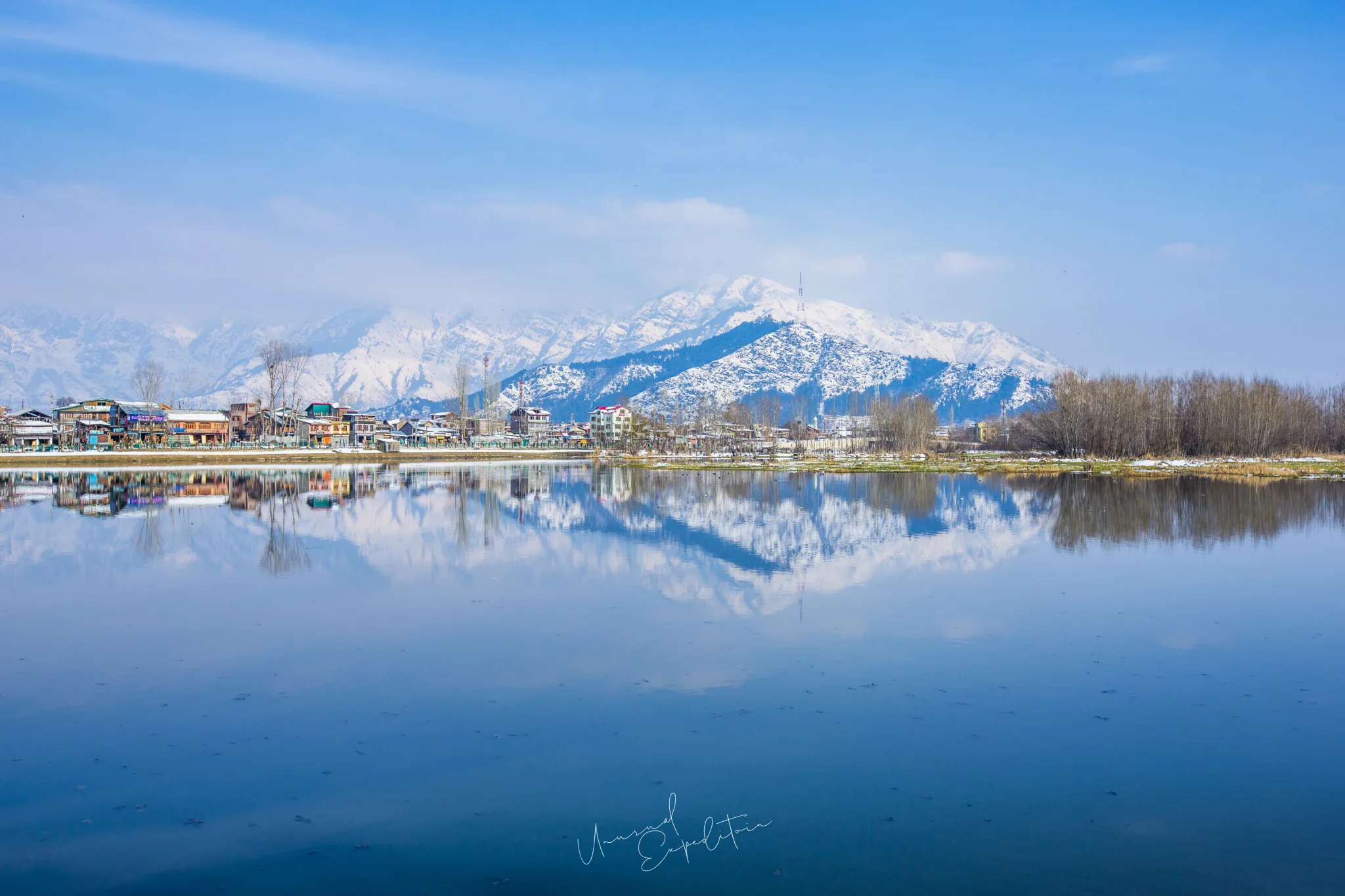
We have photographed Srinagar's Dal Lake and Gulmarg in winter, and they are among the most beautiful places in India. As at November 2026, the UK FCDO advises against all travel to the Union Territory of Jammu and Kashmir, including Srinagar and Gulmarg, except travel to and within Jammu city, and Singapore's MFA advises deferring non-essential travel there. We do not plan Kashmir while that advice stands.
Which lenses should I bring?
A 24-70mm does most of the work in India: street portraits, temple courtyards, ghats from a boat. A 16-35mm helps in crowds and tight lanes, and a 70-200mm is useful at the Pushkar fair and for compressing the ghats from the river. Bring spare batteries, a blower and lens cloths for dust, a rain cover for Holi, and a light, fast prime for evening aarti and bonfire nights. The best time to photograph India guide explains which season needs which.
Ask us your own India question
We run India as a private trip on request, for individuals, couples, families and photographers who want to travel at their own pace. We arrange all the logistics around your needs, the cost can be lower than a group tour because no tour leader travels, and a photographer or photography coaching can be added at extra cost. Ask at least two months ahead. Any scheduled departure will appear on our India photography tours page.
India photography tours
The next India departure is announced on the India photography tours page, with previous expeditions and all the planning guides.
Explore India in depth
- India Photography Tour Guide: Holi, Pushkar, the Taj Mahal and VaranasiIndia
- How to Plan a Photography Trip to India: Visa, Flights, Money and SafetyIndia
- Best Time to Photograph India: Festivals, Fog and Weather by MonthIndia
Upcoming Photo Tours
- Egypt Photo Tour – EgyptEgypt 12 Dec 2026 To 20 Dec 2026
- Inner Mongolia Winter Owl Photo Tour – ChinaChina 01 Jan 2027 To 04 Jan 2027
- Inner Mongolia Winter Photo Tour – ChinaChina 05 Jan 2027 To 11 Jan 2027
- Mekong And Central Highland Vietnam Photo Tour - VietnamVietnam 16 Jan 2027 To 24 Jan 2027