
How to Plan a Photography Trip to India: Visa, Flights, Money and Safety
Planning a trip to India for photography: choose the festival, e-Visa and e-Arrival card, flights via Delhi, money, safety, packing.
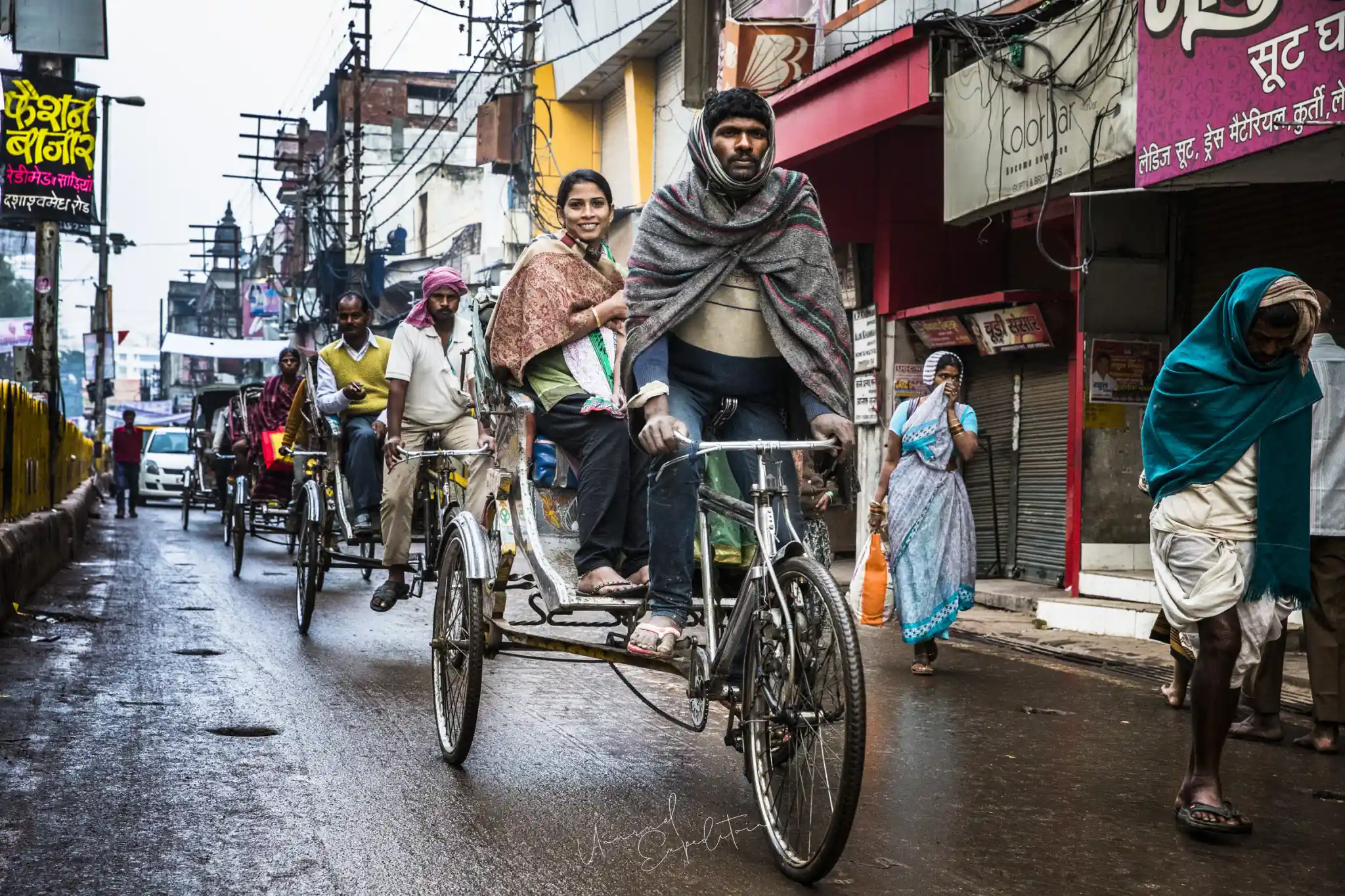
Planning a trip to India for photography starts with one decision: which festival or season you want, because that fixes the region and the dates. Then the practical layer follows. Apply for the e-Visa on the official portal, file the e-Arrival card before you fly, route through Delhi from one of the big international hubs, carry some cash alongside your cards, read your government's travel advice, and pack for dust, crowds and early mornings. This page goes through each step for photographers travelling from anywhere.
The regions and subjects are introduced in our India photography tour guide; this is the practical plan underneath it.
Planning a trip to India: start with the subject
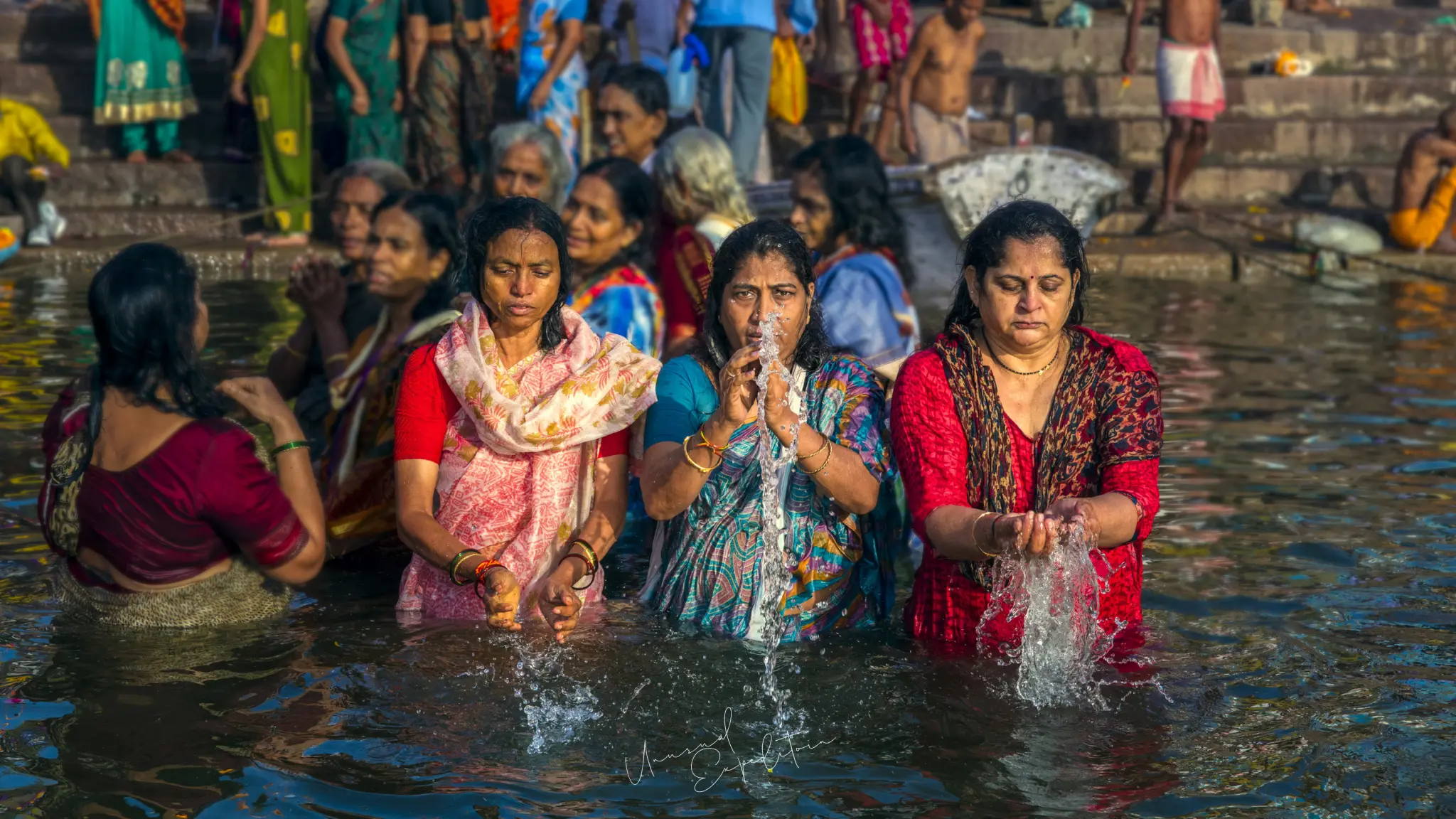
Planning a trip to India goes wrong when it starts with a list of cities. Start with the picture. If you want Holi, you are going to Mathura and Vrindavan in late February or March, in the days around the full moon of Phalguna. If you want the Pushkar camel fair, you are going to Rajasthan around Kartik Purnima, in late October or November. For the Taj Mahal and the Ganges in fog, you want December or January. Our best time to photograph India guide sets the months side by side. Once the subject is fixed, add one or two neighbouring places on the same route, and resist the rest. A trip built around the Holi temples of Braj combines naturally with Agra and the Taj Mahal; one built around Pushkar combines with the old cities of Rajasthan.
| If you want | Go to | When | Combine with |
|---|---|---|---|
| Holi in the temples and streets | Mathura and Vrindavan | Late February or March | Agra, Delhi |
| Camel fair and desert traders | Pushkar, Rajasthan | Late October or November | Other Rajasthan cities |
| River life and ritual | Varanasi | October to March | Delhi |
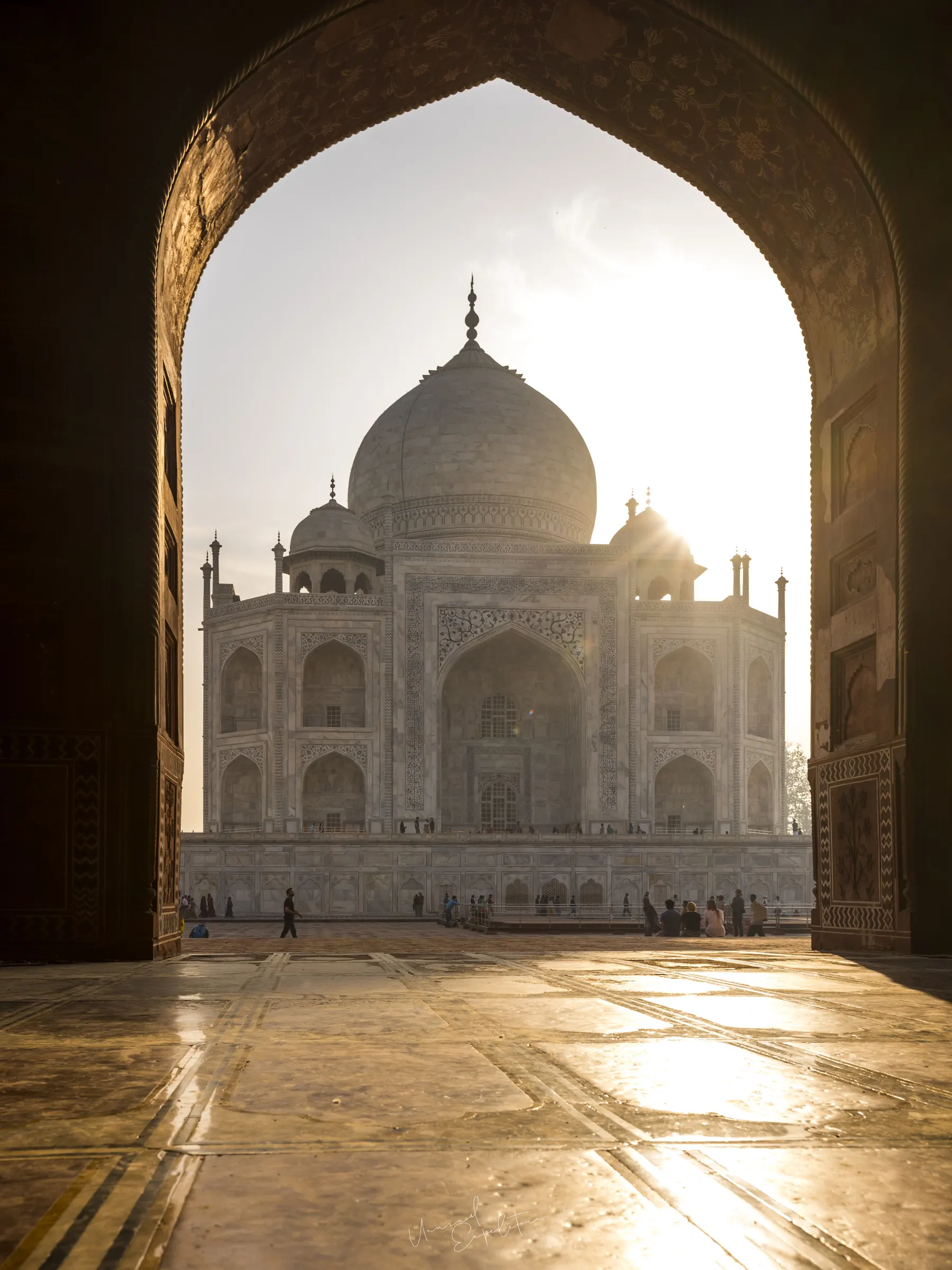
| The Taj Mahal in soft light | Agra | October to March, fog in winter | Mathura and Vrindavan |
Two regions done well beat five done in a hurry.
Entry: e-Visa and e-Arrival card
Most visitors need a visa for India, and most can get it online. The official Indian Visa Online portal lists the eligible countries and offers e-Tourist Visas valid for one month, one year or five years; apply at least four days before arrival, and use only the official site. The same portal asks foreign visitors to complete the e-Arrival card within the 72 hours before landing. Singapore's Ministry of Foreign Affairs adds that Singaporeans need at least six months' validity on their passport on the expected date of departure from India. Rules differ by nationality, so check the portal and your own government's advice. Our India photography trip FAQ answers the common visa questions.
Flights to India from the major hubs
Delhi's Indira Gandhi International Airport is the gateway for Mathura, Vrindavan, Agra and Varanasi, and Jaipur serves Rajasthan. Delhi is linked nonstop with the big hubs of the Gulf, Europe, East and South-East Asia and North America, so most photographers reach it on a single connection from home. Gulf carriers connect through Dubai, Doha and Abu Dhabi, European airlines through their own hubs, and Asian carriers through Singapore, Bangkok and Kuala Lumpur, among others. From our base in Singapore there are nonstop flights to Delhi. Schedules change by season, so check routes with the airlines before you book.
Getting around between regions
Within the north, trains and private cars do most of the work. India's railways link Delhi with Mathura Junction, Agra, Varanasi and the cities of Rajasthan, and the stations themselves are some of the best street photography in the country: porters, families waiting on platforms, tea sellers and the trains. Book reserved seats well ahead in the festival seasons. Roads are busy and slow in towns, and winter fog can delay both trains and flights, so leave spare time in any plan built around a dawn or a festival day.
Money and plan trip to India budget
For a plan trip to India budget, the big items are international flights, accommodation, private transport and local guides, and all of them cost more in festival weeks; everyday local costs are modest. Plan and price a festival trip early. The currency is the Indian rupee. Cards work in hotels, larger shops and restaurants; markets, temples, rickshaws and tips need cash. India's national payments corporation, NPCI, offers international visitors a prepaid UPI wallet, UPI One World, loaded with foreign currency and usable wherever UPI is accepted. Draw cash in the cities, and carry small notes for offerings and tips.
Safety and travel advice
Read your own government's advice before you book and again before you fly. Singapore's Ministry of Foreign Affairs asks Singaporeans in India to remain vigilant, avoid large gatherings and follow local authorities, and to defer non-essential travel to Jammu and Kashmir and to Manipur. The UK Foreign, Commonwealth and Development Office advises against all travel to Jammu and Kashmir and within ten kilometres of the Pakistan border, and against all but essential travel to Manipur; it warns of harassment of women, especially in crowds. The regions on this page, in Uttar Pradesh and Rajasthan, are not under regional warnings. For festivals, plan vantage points, keep companions close and step out when a crowd turns rough.
"The best India trips I have led had the fewest places on them. Pick your festival, pick your river, give each one time, and the country does the rest. The pictures that matter come on the third morning, not the first."
Joseph Mak, tour leader, Unusual Expedition
Plan trip to India packing list for photographers
A plan trip to India packing list for photographers is mostly about dust, crowds and light. Pack a 24-70mm as the main lens, a 16-35mm for crowds and temples and, for Pushkar, a 70-200mm. Add a blower, lens cloths and spare filters for dust, a rain cover and tape for Holi, spare batteries and cards, and a light, fast prime for aarti and bonfire nights. For yourself: modest clothes that cover shoulders and knees, slip-on shoes for temples, warm layers for winter mornings, a scarf against dust and powder, a headlamp for early starts, and a small first-aid kit. Leave the drone at home; the rules for foreign visitors are strict.
Photography rules to plan for
A few rules shape the plan. Many temples forbid photographing the deity, and the Banke Bihari temple in Vrindavan posts the rule beside the sanctum; follow the signs everywhere. The Taj Mahal is closed on Fridays and opens before sunrise, according to its official site, so plan the dawn around that. Ask before portraits, never photograph children, and keep your distance from people bathing and from the cremation ghats of Varanasi. The Mathura and Vrindavan and Pushkar guides show how these rules play out on the ground.
Let us plan it with you
We plan India as a private trip on request, for individuals, couples, families and photographers, around the festival or season you choose. We arrange all the logistics to your needs; the cost can be lower than a group tour because no tour leader travels, and a photographer or photography coaching can be added at extra cost. Ask at least two months ahead, and earlier for Holi and the Pushkar fair. We are based and licensed in Singapore, and photographers join us from many countries. Any scheduled departure will appear on our India photography tours page.
India photography tours
The next India departure is announced on the India photography tours page, with previous expeditions and all the planning guides.
Explore India in depth
- India Photography Tour Guide: Holi, Pushkar, the Taj Mahal and VaranasiIndia
- India Photography Trip FAQ: Visas, Safety, Drones, Temples and KitIndia
- Best Time to Photograph India: Festivals, Fog and Weather by MonthIndia
Upcoming Photo Tours
- Egypt Photo Tour – EgyptEgypt 12 Dec 2026 To 20 Dec 2026
- Inner Mongolia Winter Owl Photo Tour – ChinaChina 01 Jan 2027 To 04 Jan 2027
- Inner Mongolia Winter Photo Tour – ChinaChina 05 Jan 2027 To 11 Jan 2027
- Mekong And Central Highland Vietnam Photo Tour - VietnamVietnam 16 Jan 2027 To 24 Jan 2027