
Best Time to Visit Hue: Weather by Month for Photographers
The best time to visit Hue for photography is March to May. Hue weather by month: dry season, rains, floods and Tet in the villages.
The best time to visit Hue for photography is from March to May, when the dry season has started, the mornings on Tam Giang lagoon are often still and the heat has not yet arrived. June to August stays dry and clear but gets very hot, with hard light soon after sunrise. September to December is the rainy season, with October and November usually the wettest months and storms on the central coast. January and February are cool and grey, with Tet bringing colour to the craft villages.
Season matters more in Hue than in most of Vietnam, because the area's best subject is water that needs calm weather. This page sits under our Hue photography tour guide and goes through the year month by month, with what each part of it is good for.
Best time to visit Hue for the lagoon
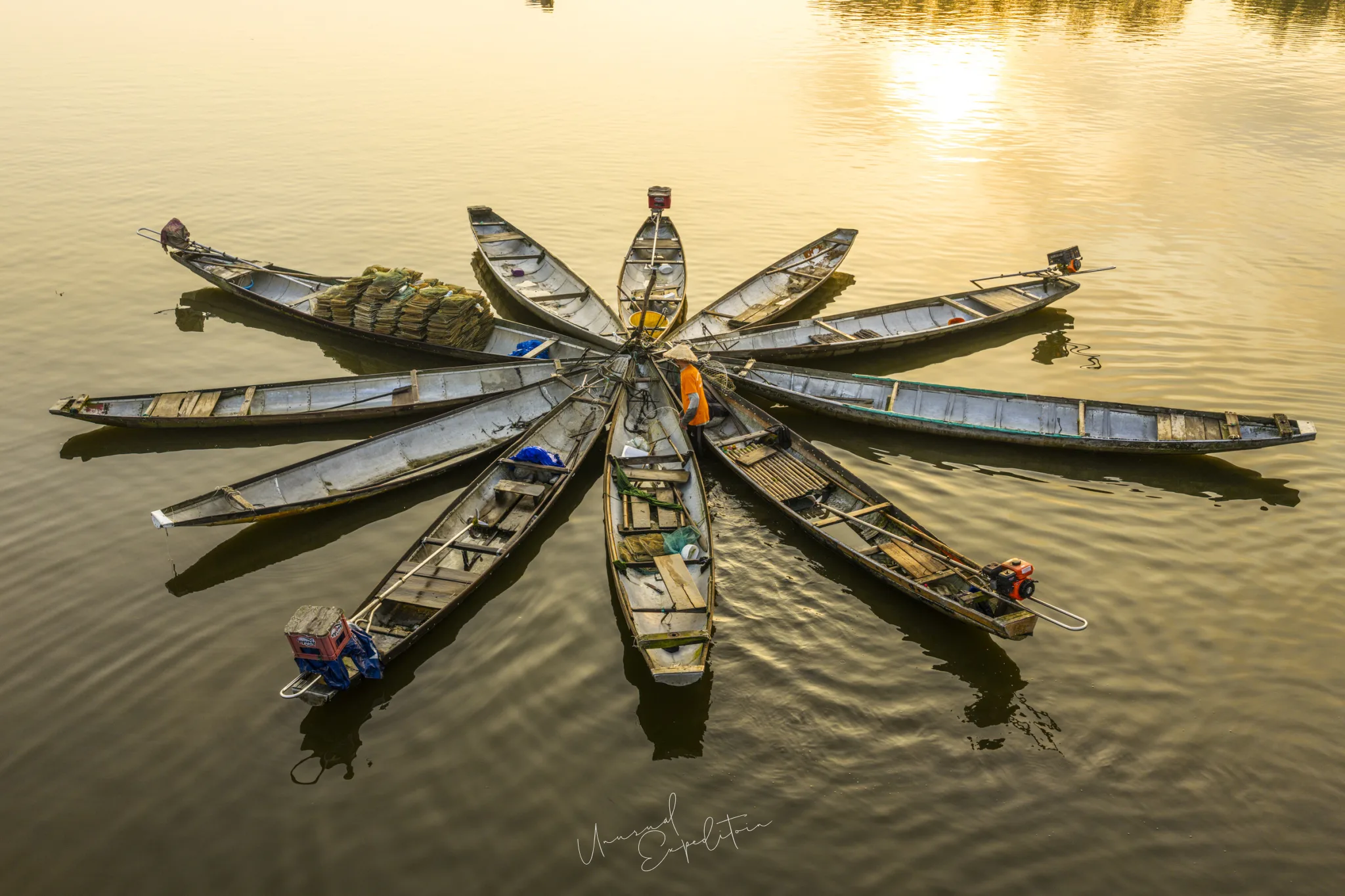
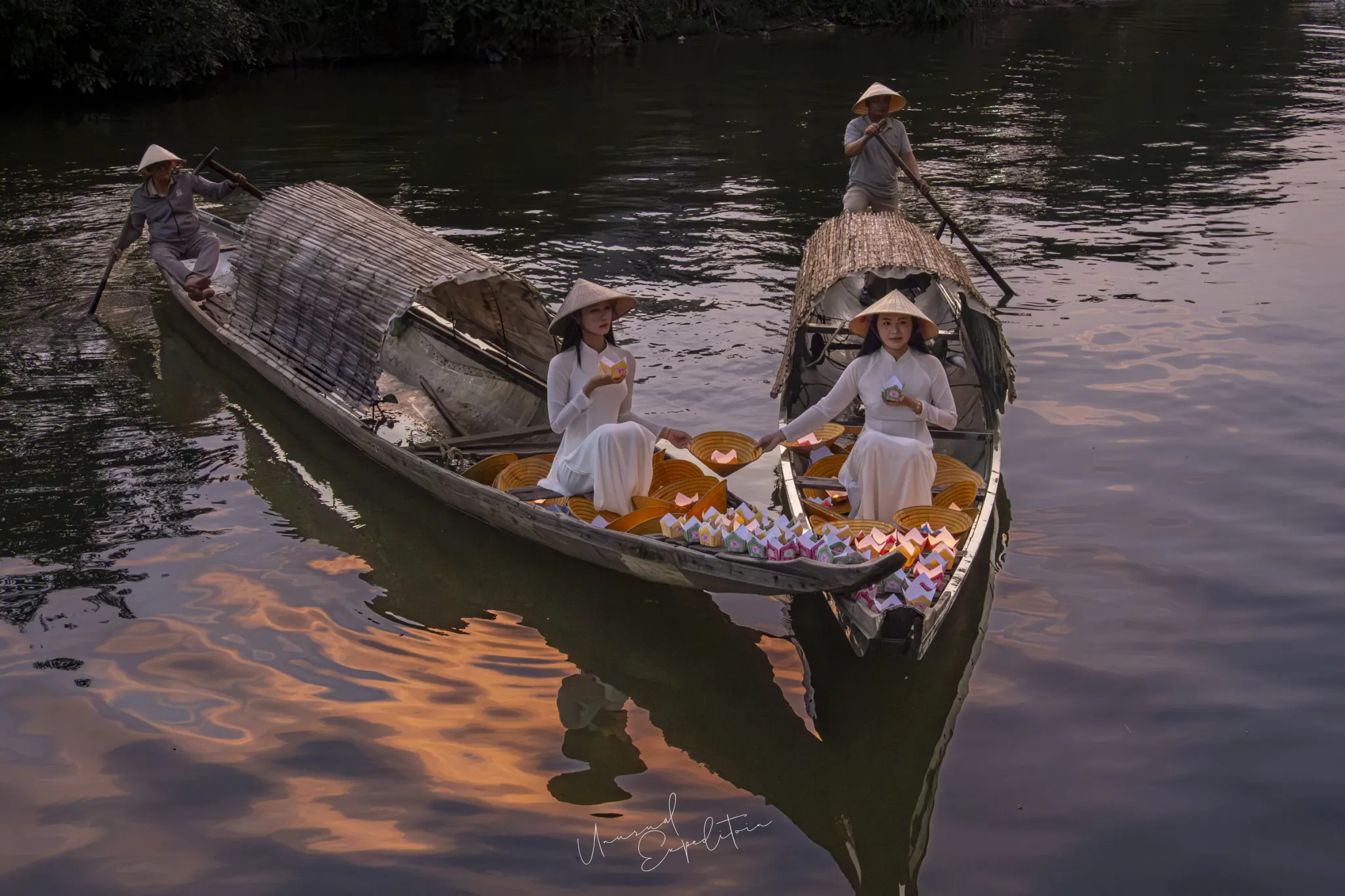
Tam Giang lagoon is the reason most photographers come to Hue, and it decides the calendar. The sampan star and the lift-net fishermen need a still surface to reflect the sky, and a clean horizon for the first light. Those mornings come most often from March to May. The air is mild, the humidity is lower than in summer, and the light stays soft for longer after sunrise. In June and July you still get calm mornings, but the sun climbs fast and the colour is gone soon after it clears the trees, so you work in a shorter window. From September the wind and rain make every lagoon morning a gamble. If the lagoon is your priority, spring is the season to plan around; our detailed page on Tam Giang lagoon follows the light from first colour to dusk.
Hue weather by month
Hue has two broad seasons. Climates to Travel and Weather2Travel both describe a dry season from around March to August and a rainy season from September, with October and November the wettest months and rain that can last for days and bring floods. Some sources stretch the wet season into February; in practice January and February are cool and often overcast with drizzle rather than storms. The central coast's typhoon season runs from roughly September to December. The table below is our reading of the year for photography, not a forecast; for figures, check a current climate source before you travel.
| Months | Weather | Lagoon | Villages and monuments |
|---|---|---|---|
| January to February | Cool, grey, drizzle | Unreliable, flat light | Thanh Tien busiest before Tet |
| March to May | Dry, warm, clearer skies | Best: still mornings, soft light | Green rice along the lanes |
| June to August | Dry, hot, strong sun | Good but short light | Drying yards at their busiest |
| September | Rains begin, storms possible | A gamble | Monuments in moody light |
| October to November | Wettest, flood risk | Usually not workable | Indoor crafts, tombs in the rain |
| December | Wet, cooling | Occasional calm days | Workshops preparing for Tet |
Spring is the one season where every subject in Hue works at once.
Spring in Hue: March to May
Spring is when we would choose to be in Hue, and it is when our Central Vietnam photo tour reaches the city. The rice in the fields around Thanh Tien is green, the sky has colour at both ends of the day, and the lagoon tends to be calm at dawn. The craft villages work at a steady pace after the Tet rush, which makes them easier to photograph. The Citadel and the tombs are pleasant to walk in the morning, before the heat builds. Late spring brings the first properly hot days, so start early and rest at midday.
Summer in Hue: June to August
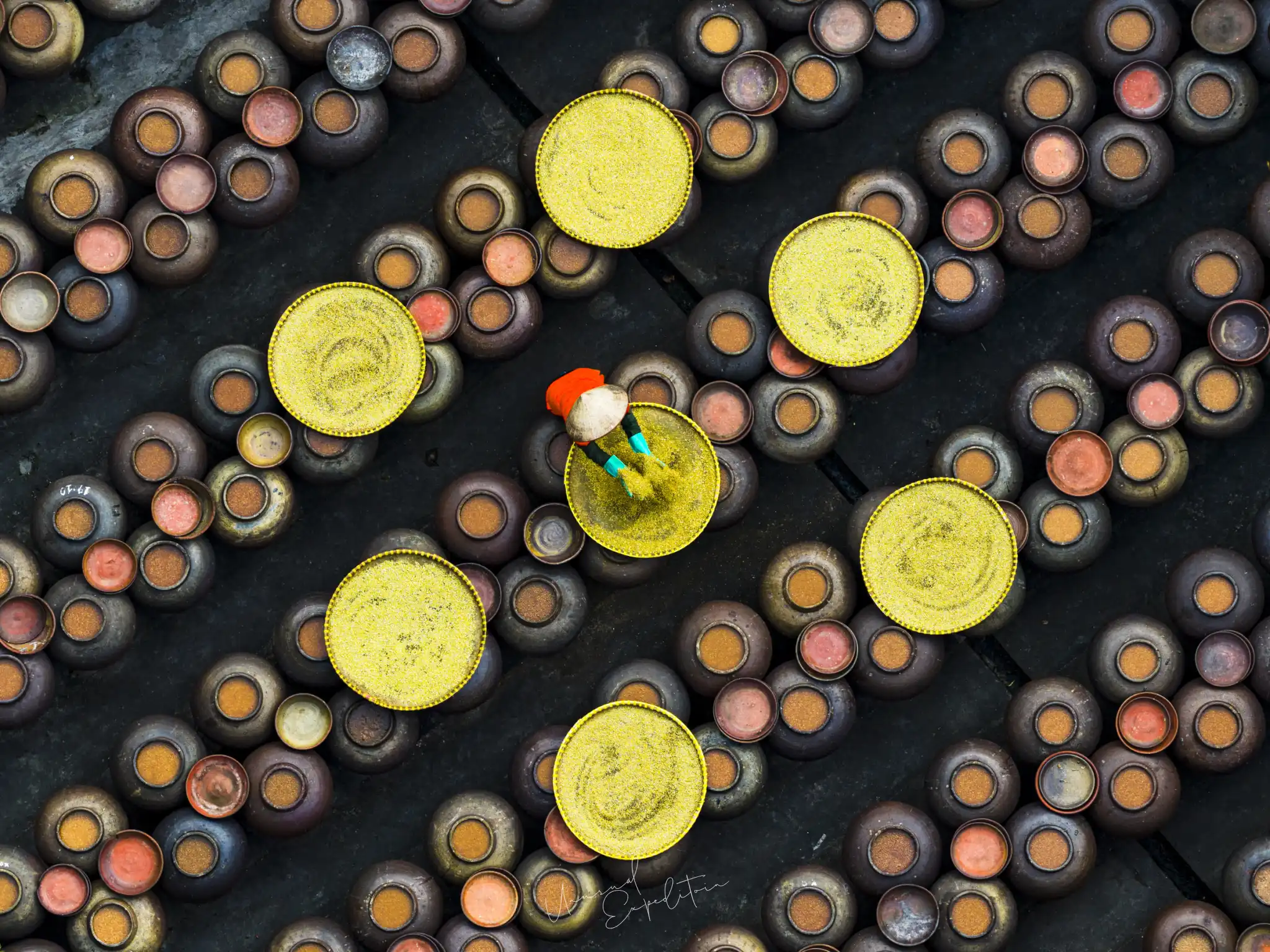
Summer in Hue is hot and mostly dry, and that suits anything that dries in the sun. The fish sauce yards of the central coast keep their jars open, villages lay noodles and rice paper out on trays, and from the air those yards turn into patterns of circles and grids. Lagoon mornings are still possible, and the sunsets can be heavy with cloud, which gives drama to the net fishermen in silhouette. The trade-off is heat: by mid morning the light is flat and harsh, and outdoor work becomes tiring. Plan the day around the two ends and spend the middle in the workshops, where the doorway light is the same in any season.
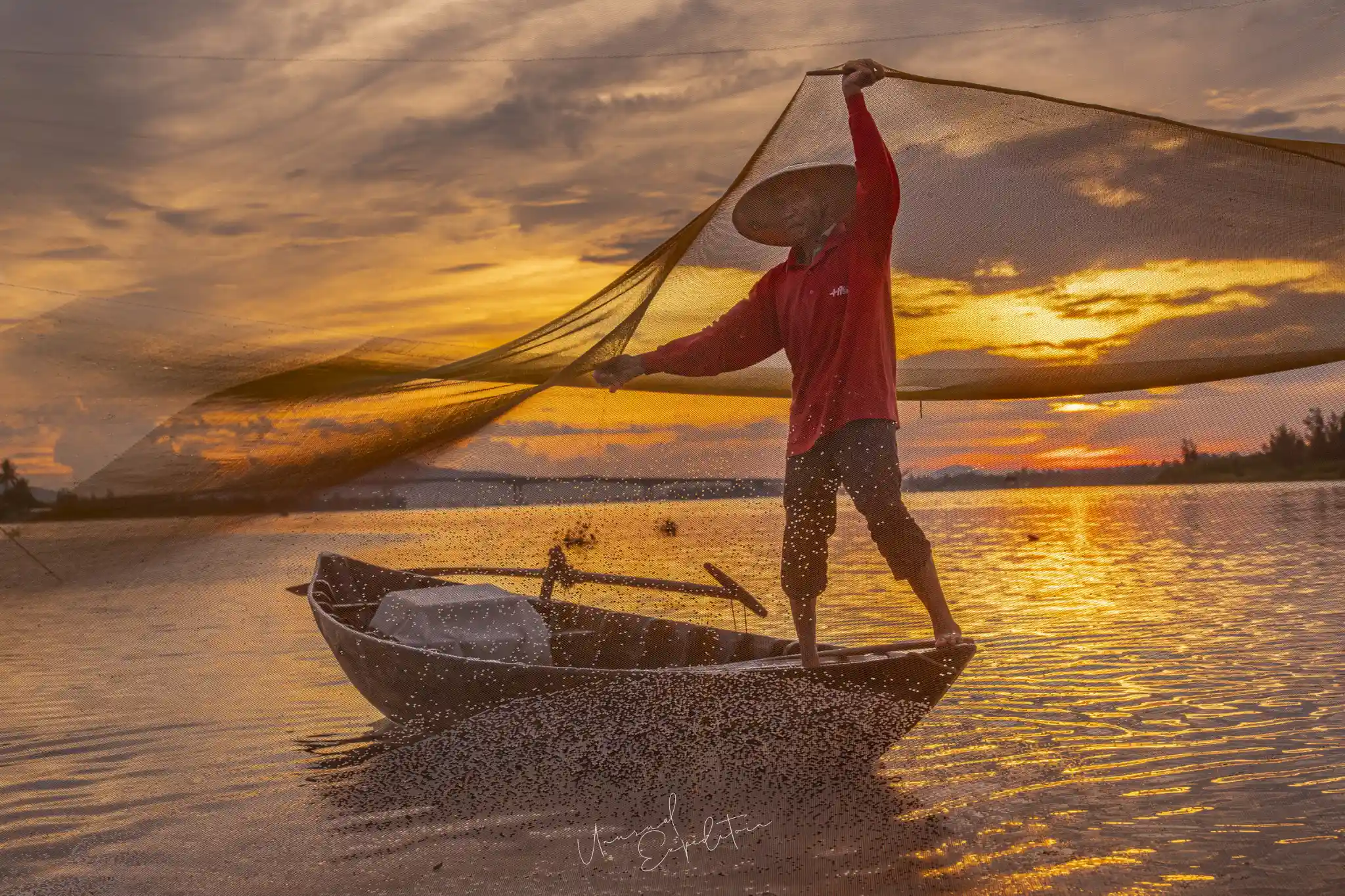
"I have been on the lagoon in spring and in early summer. In spring the light stayed gentle long enough to try three or four ideas in one morning. At the start of summer I had one idea, maybe two, and then the sun was too high. Both times the water was kind to us."
Joseph Mak, tour leader, Unusual Expedition
The rainy season: September to December
Hue's rainy season is serious. The city sits low on the Perfume River, and in bad years the floods reach the streets; storms on the central coast can close the lagoon for days. That does not make the season useless. The Citadel and the tombs empty out, wet stone and lacquer take on deep colour under grey skies, and the craft workshops are indoors. What you cannot count on is the lagoon, so if you come in these months, treat any calm morning as a bonus. Check the national weather service and your airline before you travel, and keep a spare day.
Tet and the cool months: January to February
The weeks before Tet are the one time of year Thanh Tien is completely full, with paper flowers stacked in every room and carried along every lane. The light is grey and soft, which is kind to portraits, and the temperatures are the coolest of the year. The lagoon can still give an occasional calm morning. During Tet itself many workshops and businesses close for several days, so aim for the run-up, not the holiday itself. The Thanh Tien paper flower village page explains how to photograph the workshops at their busiest.
Planning around the season
Whatever month you choose, give Hue more than one morning so a bad one does not cost you the lagoon. If you are still deciding whether Hue deserves the time at all, our answer to is Hue worth visiting weighs it against the rest of the central coast, and the Hue Vietnam photos page shows the kind of frames each season gave us. The countrywide picture, region by region, is in the best time to visit Vietnam for photography.
Come to Hue in the right season
We time the Hue part of our Central Vietnam photo tour for the dry months, when the lagoon is at its most reliable. The current departure is on the Vietnam photography tours page.
Join the Hue photography tour
Mekong And Central Highland Vietnam Photo Tour - Vietnam departs 16 Jan 2027 To 24 Jan 2027, led by Joseph Mak. Small group, photography first. All Hue photography tours.
Explore Hue in depth
- Hue Photography Tour Guide: the Lagoon, the Craft Villages and the Imperial CityVietnam
- Thanh Tien Paper Flower Village and the Conical Hat Villages of HueVietnam
- Tam Giang Lagoon: Photographing Hue's Net Fishermen and How to Get ThereVietnam
- Is Hue Worth Visiting? A Photographer's AnswerVietnam
- Hue Vietnam Photos: the Lagoon, the Fishermen and the Flower VillageVietnam
- Hue Photo Tour: the Citadel, the Tombs and the LagoonVietnam
Upcoming Photo Tours
- Egypt Photo Tour – EgyptEgypt 12 Dec 2026 To 20 Dec 2026
- Inner Mongolia Winter Owl Photo Tour – ChinaChina 01 Jan 2027 To 04 Jan 2027
- Inner Mongolia Winter Photo Tour – ChinaChina 05 Jan 2027 To 11 Jan 2027
- Mekong And Central Highland Vietnam Photo Tour - VietnamVietnam 16 Jan 2027 To 24 Jan 2027