
Best Time to Visit Jokulsarlon for Photography: Winter, Summer or Autumn
Best time to visit Jokulsarlon glacier lagoon: winter ice caves and aurora, the summer midnight sun, autumn, by month.
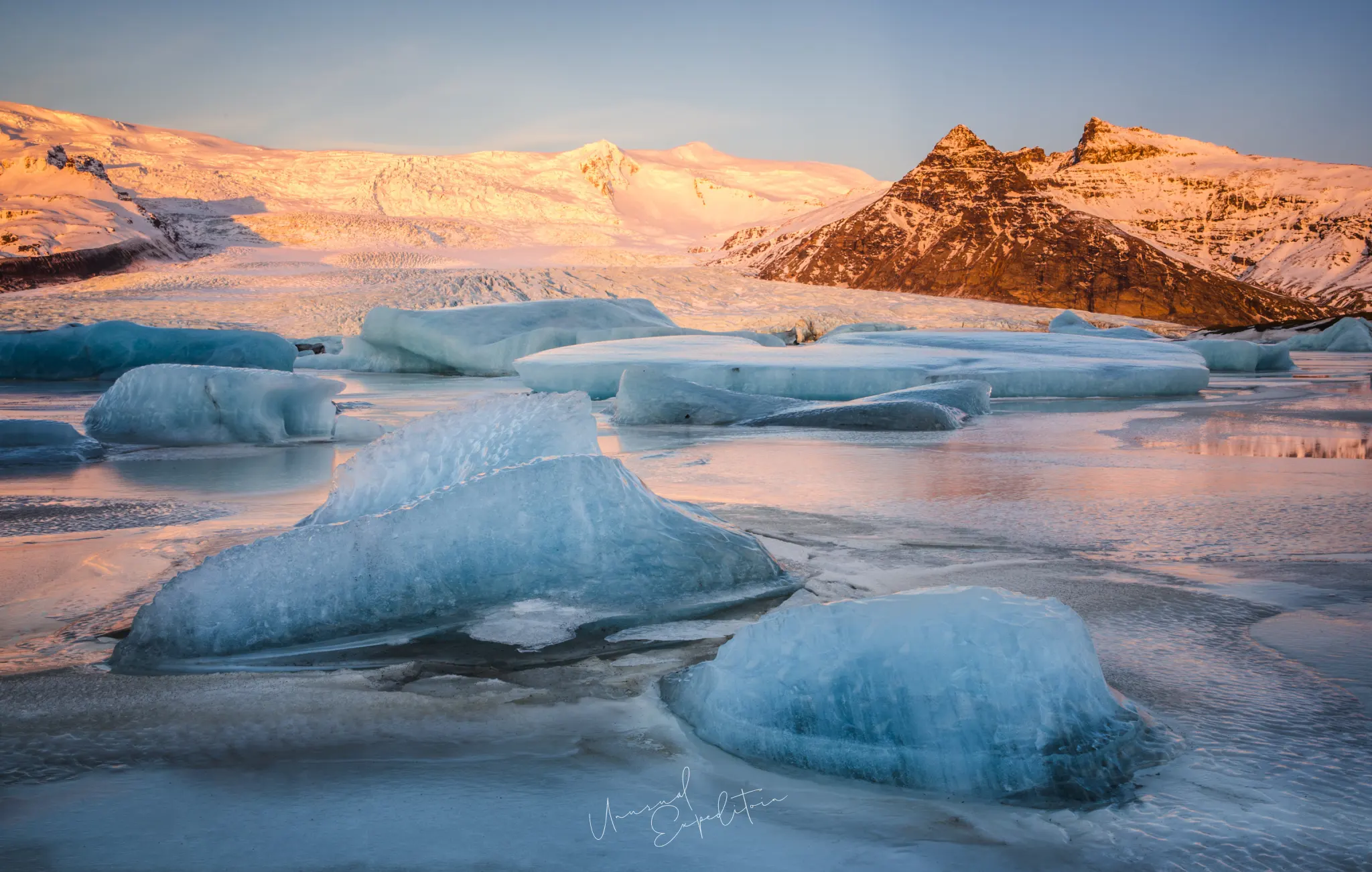
The best time to visit Jokulsarlon for photography is winter, roughly November to March, if you want ice caves, low sun all day and the northern lights over the lagoon, and summer, June and July, if you want the midnight sun and long evenings of soft light on the ice. Autumn, September and October, is the best all-round compromise: open water, dark nights for aurora and fewer visitors than summer. Spring brings back the long days and the boat tours.
This season guide belongs to our Jokulsarlon photography tour guide. We have photographed the lagoon in autumn and on several winter trips, and the notes below come from those visits.
Jokulsarlon glacier lagoon best time to visit, season by season
The Jokulsarlon glacier lagoon never looks the same in two seasons, because three things change through the year: the amount of ice, the length of the day and whether the water is open or frozen. Guide to Iceland studied several years of satellite images of the lagoon and found it holds the most floating ice in late winter, February and March, and the least in July. The light follows the sun: in midwinter it barely rises, so the whole short day feels like sunrise, while in midsummer it hardly sets. Pick the season for the pictures you want, then accept the weather that comes with it.
| Months | Light | Ice and water | Best for |
|---|---|---|---|
| November to January | Very short days, low sun | Lagoon can freeze at the edges | Ice caves, aurora, pastel light |
| February and March | Days lengthening, low sun | Most floating ice, lagoon may freeze | Ice caves, aurora, packed bergs |
| April and May | Long days, short nights | Open water, boats restart | Bergs and reflections, few crowds |
| June and July | Midnight sun, no real dark | Least floating ice | Late evening gold, boat tours |
| August | Dark returns at night | Open water | First auroras late in the month |
| September and October | Balanced day and night | Open water, autumn colour nearby | Aurora with open water, quieter shore |
If you can make only one trip, late winter gives you the most ice and the caves; autumn gives you the easiest weather for aurora.
Jokulsarlon in winter
Jokulsarlon in winter is the season most photographers dream about. The sun stays low across the south all day, so the bergs pick up pink and gold light in late morning and again in early afternoon, and the mountains behind the lagoon glow in alpenglow. Cold snaps freeze the lagoon, locking the bergs in place in a sheet of white ice; storms bring snow to Diamond Beach. Winter is also the only time to enter the natural ice caves in Breidamerkurjokull, covered in our Jokulsarlon ice cave photography guide. The price is weather: the south coast road can close in storms, and you need slack days in the plan.
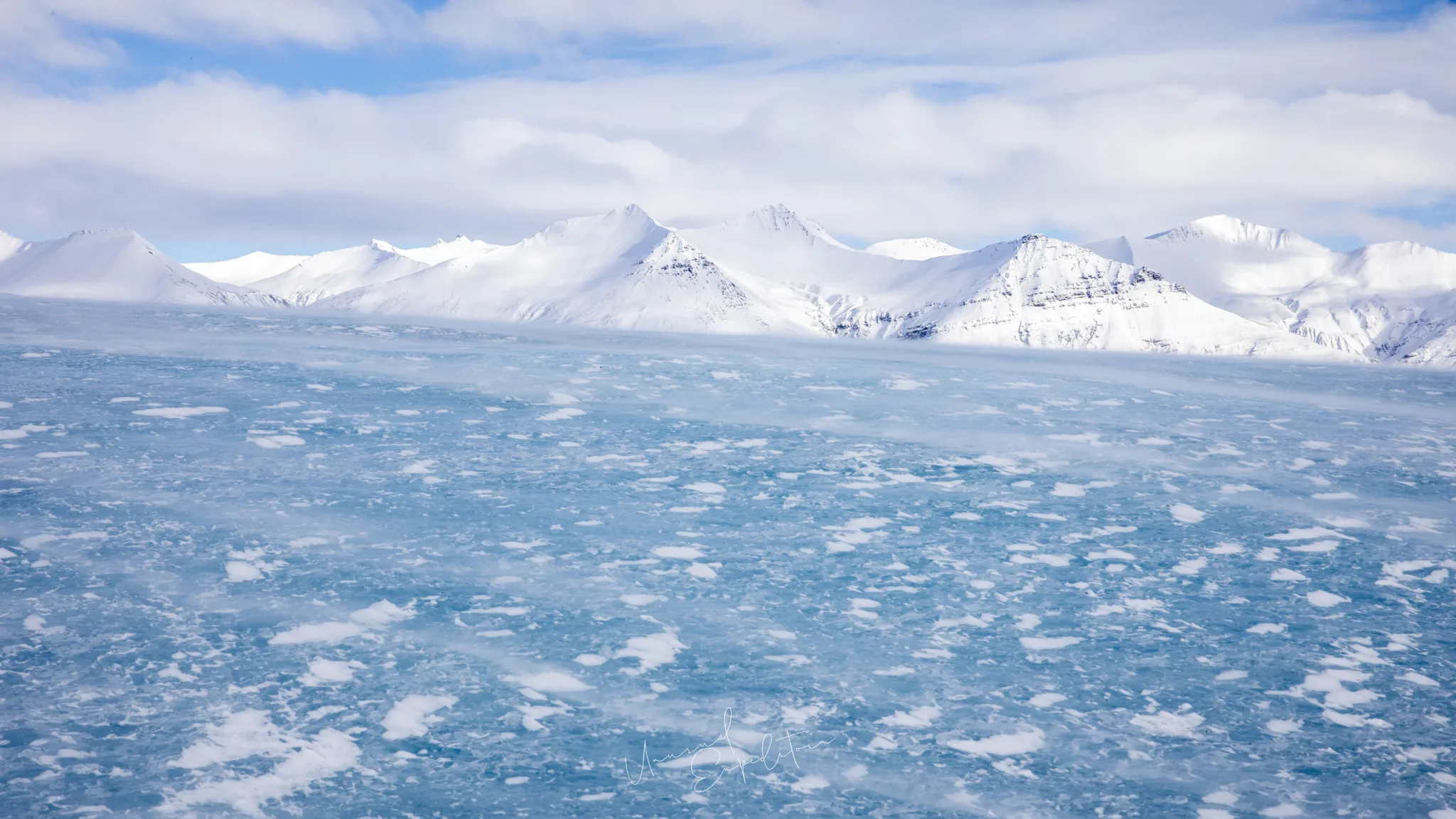
Diamond Beach Iceland in winter
Diamond Beach Iceland in winter is at its most dramatic: low sun behind the ice, snow on the black sand, and big surf from the winter storms. The ice on the beach does not follow a simple calendar, though. The same Guide to Iceland study found no single month clearly best for ice on Diamond Beach, because the beach depends on wind and tide as much as on the lagoon. Late winter tends to bring the most ice to the river mouth. Go expecting to work with whatever the sea has left, and look on both sides of the river before you decide.
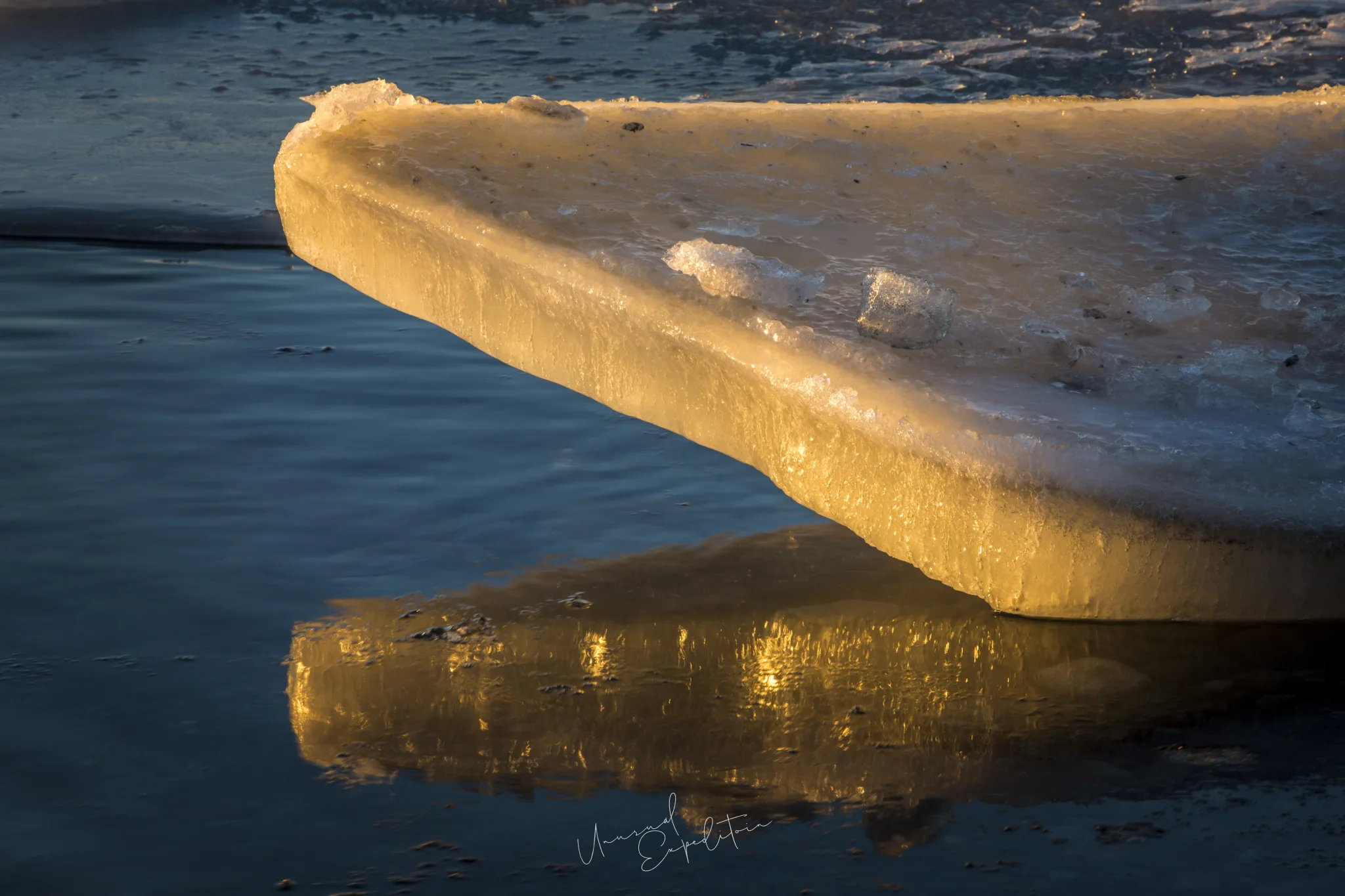
Jokulsarlon summer: the midnight sun
In June and July the sun at Jokulsarlon only dips below the horizon for a short while, and the sky never goes properly dark. That gives photographers hours of low gold light late in the evening and into the small hours, when the day visitors and tour coaches have gone. The lagoon holds less floating ice in summer than in winter, but there is always enough for a picture, and the boat tours and seals add subjects. There is no aurora in the midnight sun. Our scheduled Iceland Midnight Sun Photo Tour uses exactly this light.
Jokulsarlon in September and October
Jokulsarlon in September and October is our favourite all-round season. The nights are dark again, so the northern lights are possible over open water with reflections, while the days are still long enough to work the lagoon, the beach and the glacier without rushing. Birch and moss turn rust and gold around Skaftafell, to the west along the same road, and the summer crowds thin out. Autumn storms do come, and the weather is changeable, but it is rarely as hard as midwinter. The Jokulsarlon northern lights guide explains how we plan the aurora nights in this season.
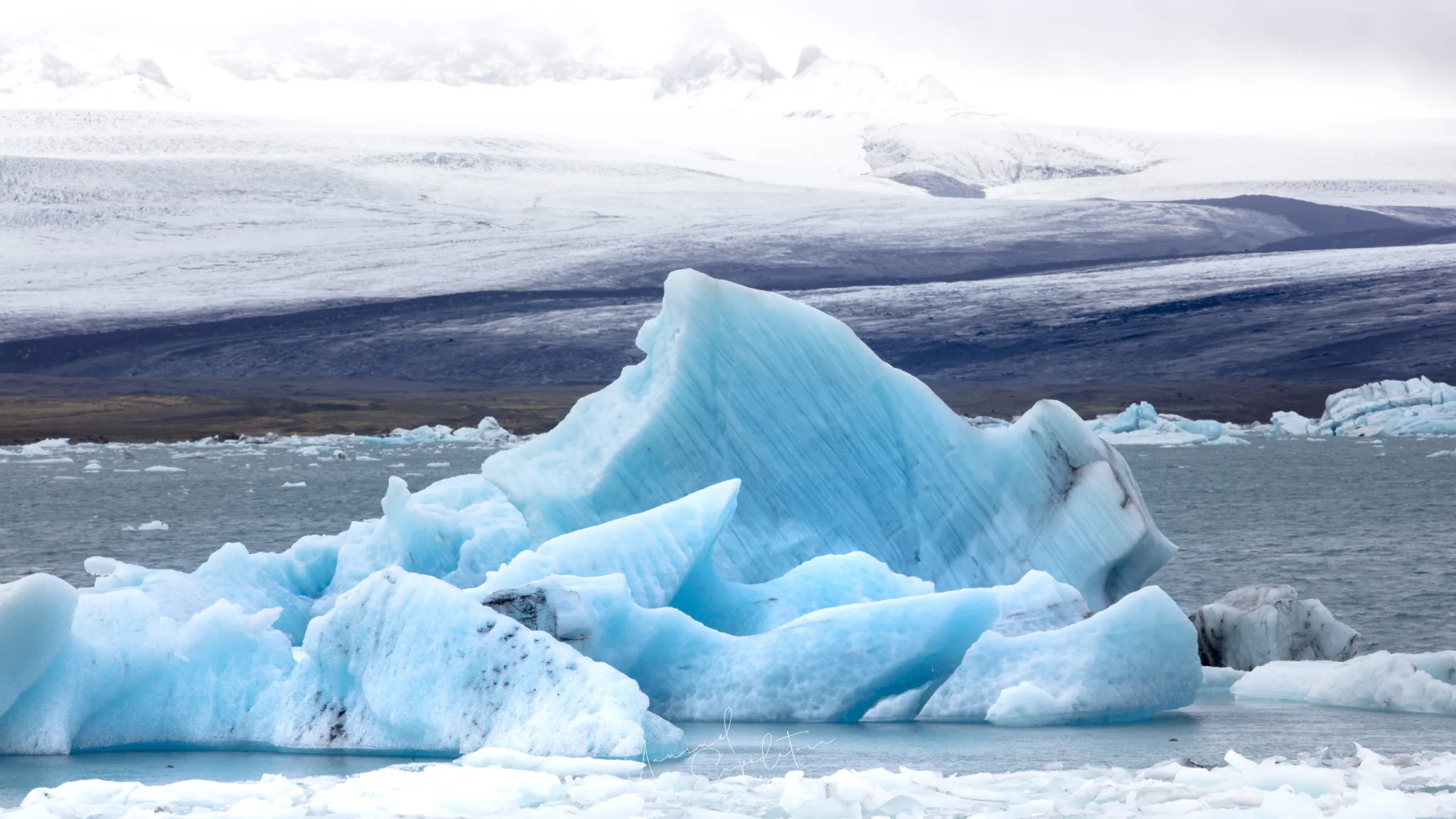
In autumn I get open water and aurora on the same night. In February I get frozen lagoon, ice caves and pink light all day. Different trips, both worth making.
Joseph Mak, tour leader, Unusual Expedition
Boat tours, ice caves and the calendar
Two activities at Jokulsarlon run to a calendar. The amphibian boat tours on the lagoon run roughly from May to November, according to the lagoon's operator, Jokulsarlon ehf, and depend on the ice. The natural ice caves in Breidamerkurjokull open in winter, roughly November to March, only with licensed guides, and the operator decides on the day whether a cave is safe. So boats and caves never overlap in the middle of the year, and a trip in November can sometimes see the end of one and the start of the other. Our is Jokulsarlon worth it guide compares the boat options.
Weather and the light at Jokulsarlon
Weather at Jokulsarlon changes fast. Wind off the ice cap can be bitter even when the sky is clear, and rain or snow can come in from the sea within an hour. Overcast days are not lost days: flat light shows the blue in the ice better than sunshine. We check the Icelandic Met Office forecast every morning and evening, and the road conditions on Safetravel.is, and plan the day around the best window.
Choose your season with us
Our Iceland Midnight Sun Photo Tour covers the summer light at the lagoon. For winter ice caves and autumn aurora we run Jokulsarlon as a private tour on request. See the current departure on our Iceland photography tours page.
Join the Jokulsarlon photography tour
Iceland Midnight Sun Photo Tour departs 05 Jul 2027 To 18 Jul 2027, led by Joseph Mak. Small group, photography first. All Jokulsarlon photography tours.
Explore Jokulsarlon in depth
- Jokulsarlon Photography Tour Guide: Glacier Lagoon, Diamond Beach, Ice Caves and AuroraIceland
- Is Jokulsarlon Worth It? Getting There, Boat Tours, Seals and FeesIceland
- Jokulsarlon Ice Cave Photography: Season, Safety and Blue Ice SettingsIceland
- Jokulsarlon Northern Lights: Aurora Over the Glacier Lagoon and Diamond BeachIceland
- Jokulsarlon Sunrise and Sunset: Lagoon or Diamond Beach, Season by SeasonIceland
- Jokulsarlon Photo Spots: Lagoon Shore, Glacier Ridge, River Mouth and FjallsarlonIceland
- Diamond Beach Iceland Photos: Ice on Black Sand, Light and SettingsIceland
Upcoming Photo Tours
- Egypt Photo Tour – EgyptEgypt 12 Dec 2026 To 20 Dec 2026
- Inner Mongolia Winter Owl Photo Tour – ChinaChina 01 Jan 2027 To 04 Jan 2027
- Inner Mongolia Winter Photo Tour – ChinaChina 05 Jan 2027 To 11 Jan 2027
- Mekong And Central Highland Vietnam Photo Tour - VietnamVietnam 16 Jan 2027 To 24 Jan 2027