
Best Time to Visit the Dead Sea: Seasons, Weather and Light
Best time to visit the Dead Sea: season by season, Dead Sea weather in January, the temperature, and the best hour for the light.
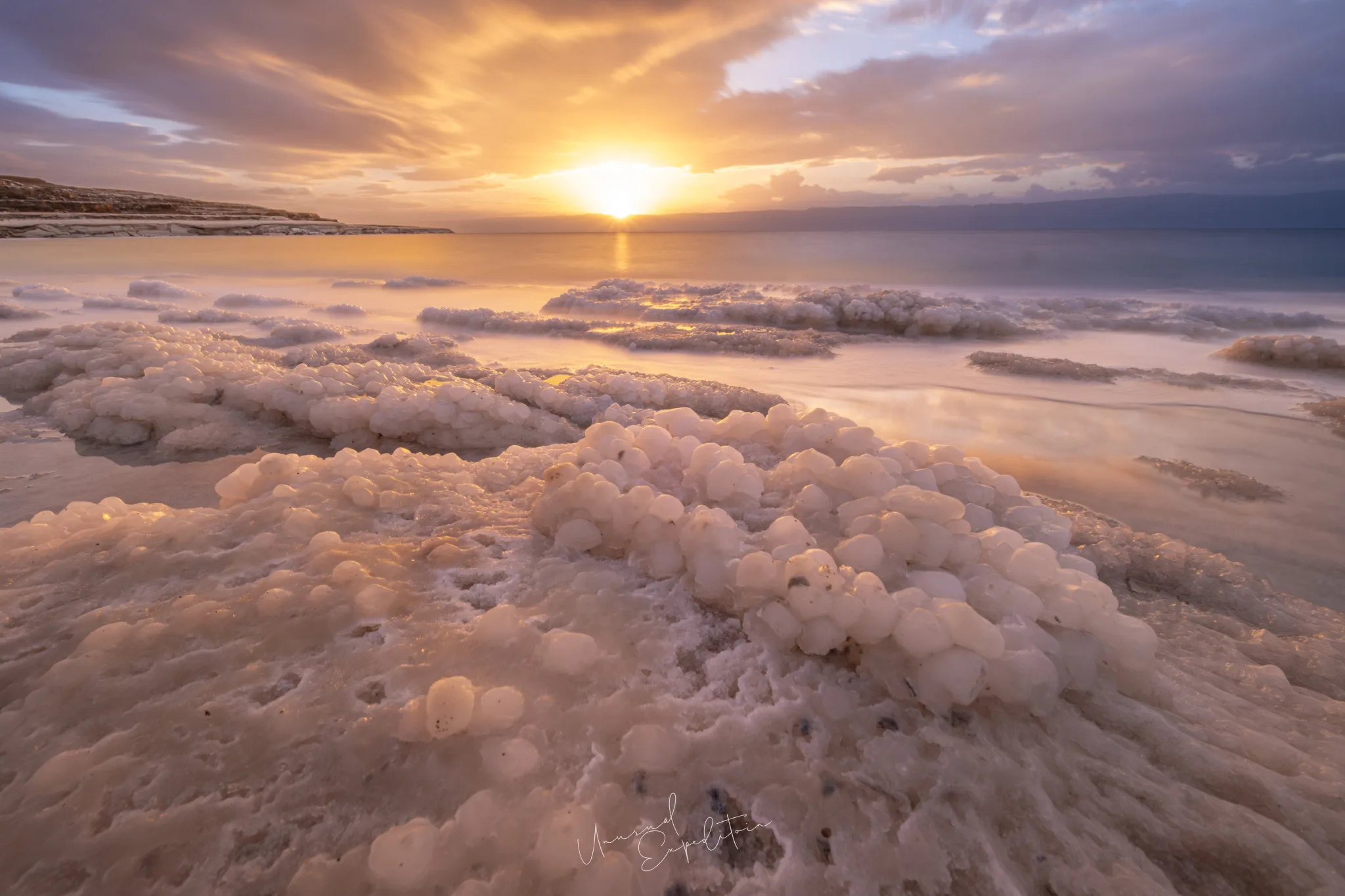
The best time to visit the Dead Sea is spring, from March to May, and autumn, from late September to November, when the shore is warm but not hot and the evening light over the water is clear. Winter is mild at the Dead Sea while Amman is cold, which makes it a good winter escape and a fine season for sunset pictures. Summer is extremely hot, around 40 degrees in August according to Rough Guides, and hazy.
This article belongs to our Dead Sea photography tour guide; for the whole country month by month, see best time to photograph Jordan.
Best time to visit the Dead Sea: season by season
| Season | At the Dead Sea | For photography |
|---|---|---|
| Winter (December to February) | Mild days, cool evenings, occasional rain; Amman above is cold | Clear air after rain, dramatic skies, early sunsets, quiet shore |
| Spring (March to May) | Warm and pleasant, getting hot by May | Long warm evenings, comfortable on the salt |
| Summer (June to August) | Very hot, around 40 degrees in August | Heavy haze; shoot only in the last light |
| Autumn (September to November) | Hot early, pleasant later | Calm water, golden evenings |
Holidify's guide to the Dead Sea and Intrepid's Jordan guide both point to spring and autumn as the comfortable seasons, which matches what we have found.
Dead sea weather january
Dead sea weather in January is one of the area's best kept secrets. While Amman, high on its hills, can be cold and wet, the Dead Sea lies far below sea level and stays mild; Lonely Planet's guide to Jordan notes that the lake is lower and warmer than the rest of the country. Days are pleasant for floating and walking on the salt, and evenings are cool, so bring a layer. Winter is also when Jordan gets most of its rain, so expect the odd grey day. When a storm clears, the air over the lake becomes very clear, the hills of the far shore stand out sharply, and the sunsets can be spectacular. Our winter trips to the Dead Sea gave us most of the salt pictures in these destination guides.
Temperature in the Dead Sea
The temperature in the Dead Sea, the water itself, follows the air: pleasantly warm in spring and autumn, warm enough for most people in winter, and very warm in summer. The air temperature is what limits a visit. In summer the heat on the shore is intense and there is little shade away from the resorts, so floating is best in the morning and the salt only in the last light. The salt itself reflects heat and light, so even in spring, carry water and wear a hat if you are out on the shore in the afternoon.
The best time of day
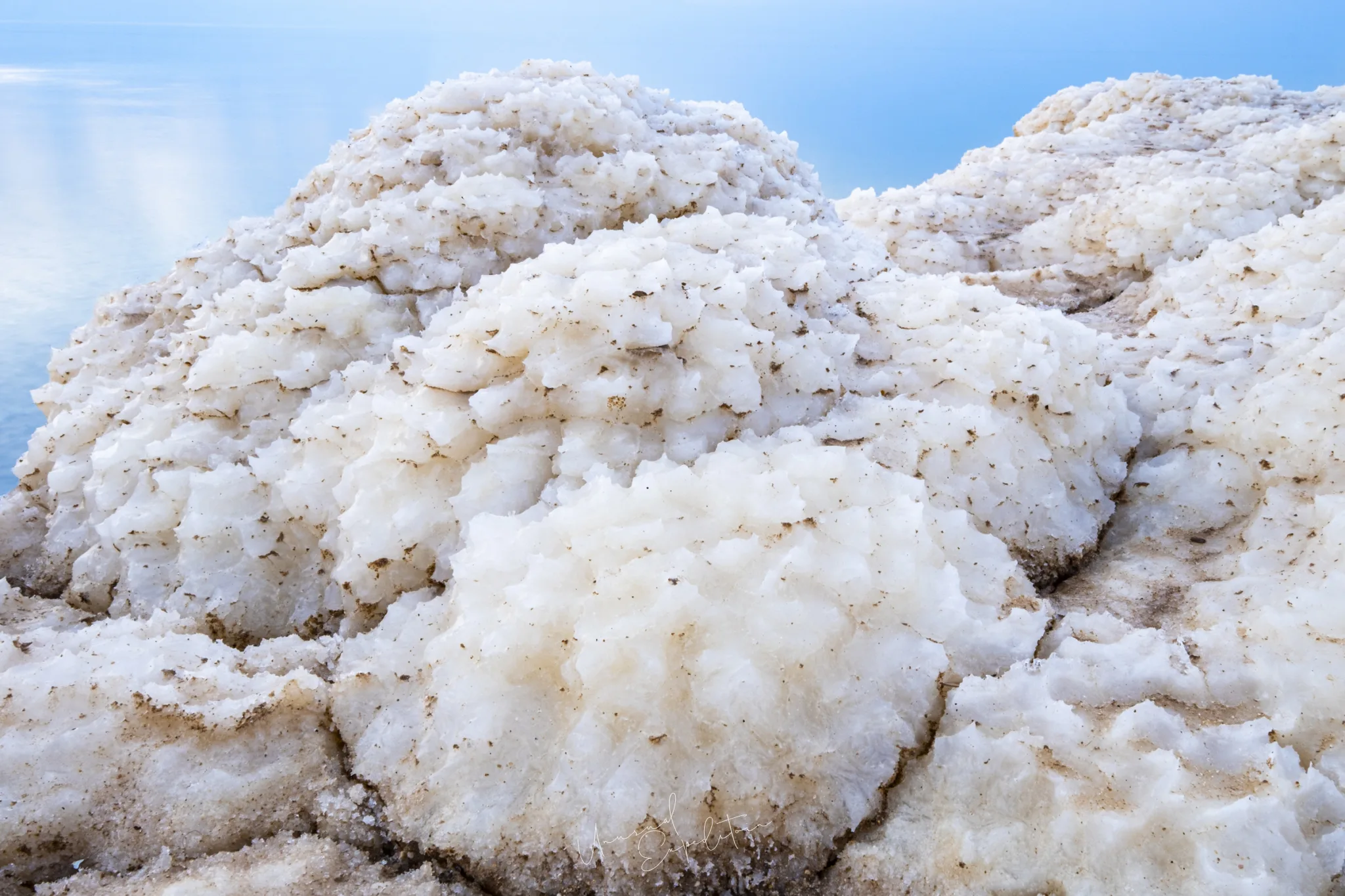
The best time of day at the Dead Sea matters more than the month. From the Jordanian shore the sun sets over the water and the hills beyond, so the late afternoon and sunset are the main event: the salt glows, the sun drops through the haze as an orange disc, and after it sets the sky and water turn pink and violet. Mornings are calm and pale, with the sun rising behind the Jordanian hills, which is lovely for floating but flatter for pictures. Midday is for shade. Check the sunset time for your dates, arrive well before it and stay after it; the afterglow is often the best part.
"People ask me which month. I tell them the month matters less than the hour. Be on the salt for the last hour of light in any season except high summer, and you will have the pictures."
Joseph Mak, tour leader, Unusual Expedition
Spring and autumn: the comfortable seasons
Spring and autumn are the comfortable seasons on the shore, and the busiest. In March and April the hills around the lake show a little green after the winter rain, and the evenings are long and warm. October and November bring calm, clear water and golden light, with the summer haze gone. These are the months when you can spend a whole afternoon and evening on the salt without the heat wearing you down. They are also popular with visitors from Amman at weekends, so the public beaches can be busy; the rocky shore away from them stays quiet.
Weekends, holidays and crowds
Friday and Saturday are the Jordanian weekend, and on these days the public beaches and resort day passes fill with families from Amman. If you can, visit on a weekday. Public holidays and the Eid holidays at the end of Ramadan and of the Hajj season also bring crowds. None of this affects the salt shore much, which is quiet at any time; it matters if you want to float at a popular beach. For getting there, see how to get to the Dead Sea from Amman, and for the salt itself, Dead Sea salt formations.
What to pack for each season
What you pack for the Dead Sea depends on the season more than you might expect. In winter, bring a warm layer for the evening on the shore, because once the sun goes the air cools quickly, and remember that Amman above will be colder still. In spring and autumn, a hat, sunscreen and plenty of water matter more than layers, since the salt reflects the sun from below as well as above. In summer, carry more water than seems sensible and plan to be in the shade through the middle of the day. In every season, bring old shoes or sandals with firm soles for the sharp salt, a towel and fresh water to rinse your skin and your tripod legs, and a cloth for the lens. The salt spray dries on glass into a fine white film.
Choose your season with us
We run the Dead Sea as part of a private Jordan trip on request and will suggest dates that suit the light and the rest of your route. See private tours and the Jordan photography tours page.
Ask us about the best time for the Dead Sea
Dead Sea photography tours
The next Dead Sea departure is announced on the Dead Sea photography tours page, with previous expeditions and all the planning guides.
Explore Dead Sea in depth
- Dead Sea Photography Tour Guide: Salt, Sunsets and the Lowest Shore on EarthJordan
- Is the Dead Sea Worth Visiting? Floating, Safety and the SunsetJordan
- Is the Dead Sea Drying Up? What the Jordanian Shore ShowsJordan
- How to Get to the Dead Sea from Amman, via Madaba and Mount NeboJordan
- Dead Sea Salt Formations: How They Form and How to Photograph ThemJordan
Upcoming Photo Tours
- Egypt Photo Tour – EgyptEgypt 12 Dec 2026 To 20 Dec 2026
- Inner Mongolia Winter Owl Photo Tour – ChinaChina 01 Jan 2027 To 04 Jan 2027
- Inner Mongolia Winter Photo Tour – ChinaChina 05 Jan 2027 To 11 Jan 2027
- Mekong And Central Highland Vietnam Photo Tour - VietnamVietnam 16 Jan 2027 To 24 Jan 2027