
How to Get to Uyuni Salt Flats: Visa, Flights, Altitude and Money
How to get to the Uyuni salt flats: do you need a visa for Bolivia, flights via La Paz, Uyuni altitude vs La Paz, money and packing.
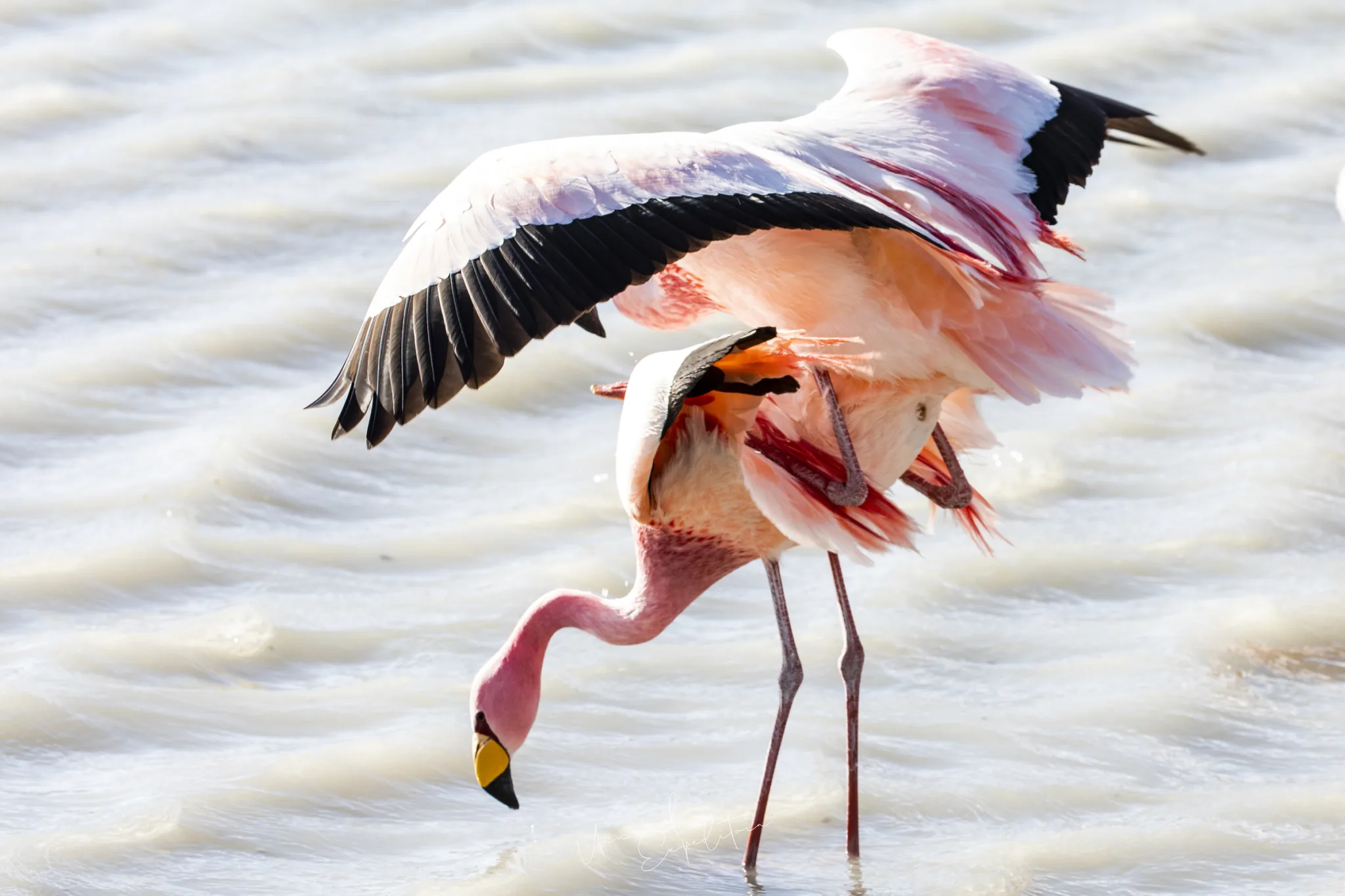
How to get to the Uyuni salt flats: fly internationally into La Paz, usually with at least one connection, then take a domestic flight or the road south to the town of Uyuni, and give the altitude a few days of care on the way. Whether you need a Bolivian visa first depends on your passport: some passports enter visa-free, others must apply before they fly. The usual pattern is a Uyuni salt flats tour from La Paz, so La Paz becomes your first base, and at well over 3,000 metres it doubles as a first step in acclimatising.
For the area itself, the salt, lagoons and geysers, read our Uyuni photography tour guide; for the country as a whole, the Bolivia photography tour guide. Below is the practical side, for travellers starting from any country.
Do I need a visa for Bolivia?
Do I need a visa for Bolivia? It depends on the passport, so this is the first thing to sort out. The UK Foreign, Commonwealth and Development Office says British citizens can visit Bolivia for up to 90 days in a year without a visa; border officials stamp 30 days, which can run to 90 without a new stamp. It also asks for a passport valid at least six months from arrival with two blank pages, proof of at least your first night's accommodation, and an entry stamp, so check you get one, including at land borders. Other passports need a visa arranged in advance: Singapore's Ministry of Foreign Affairs, for example, says Singaporeans require a visa for Bolivia and should check details with a Bolivian embassy. Websites that summarise visa rules often disagree with each other, so check your own government's advice for your passport and the Bolivian embassy that serves you, and keep printed copies of any approval, hotel bookings and onward flights. A yellow fever certificate is required if you arrive from a country with yellow fever risk.
How to get to Uyuni salt flats: flights and roads
Most international routings to Bolivia connect through a hub in Europe, North America or South America, typically landing at El Alto International Airport, which serves La Paz, or at Viru Viru near Santa Cruz in the lowlands. From La Paz, Boliviana de Aviación flies to Uyuni's small Joya Andina airport, which handles domestic flights only. Many photographers also arrive from Peru after Cusco and Machu Picchu, or cross from San Pedro de Atacama in Chile into the lagoon route. We plan the long-haul so that you rest in La Paz before going on to Uyuni, partly to recover and partly for the altitude. Bolivia keeps UTC minus 4 all year with no clock changes, so for travellers from Europe or Asia jet lag and altitude arrive together. Before any road travel, check the current situation: the UK Foreign, Commonwealth and Development Office reports protests and roadblocks in Bolivia and advises travellers not to try to cross them, so allow spare time between the flights and the salt.

Uyuni altitude vs La Paz
Uyuni altitude vs La Paz is a closer comparison than most people expect. Britannica puts La Paz between about 3,250 and 4,100 metres, depending on the neighbourhood, and the airport at El Alto sits at about 4,061 metres. The Salar de Uyuni lies at about 3,656 metres, so the salt is roughly the same height as central La Paz. The real climb comes on the southern loop: Laguna Colorada at about 4,278 metres and the Sol de Mañana geysers at about 4,900 metres. In practice that means arriving from sea level straight into high altitude, spending a few unhurried days around La Paz and on the salt, and only then heading south to the highest points.
| Place | Approximate altitude | Source |
|---|---|---|
| La Paz | 3,250 to 4,100 m | Britannica |
| El Alto International Airport | About 4,061 m | Airport data |
| Salar de Uyuni | About 3,656 m | Britannica |
| Laguna Colorada | About 4,278 m | Reference sources |
| Sol de Mañana | About 4,900 m | Reference sources |
The table is why we put the southern lagoons and geysers at the end of a trip, never the start.
Uyuni altitude sickness: how we handle it
Uyuni altitude sickness is common in a mild form: headache, breathlessness, poor sleep and loss of appetite in the first days. Most people adapt, but it is worth planning for. Talk to your doctor before the trip, especially about medication for altitude and any heart or lung condition. On the ground, the basics work: go slowly for the first days, drink plenty of water, avoid alcohol early on, eat lightly and sleep as low as the route allows. Carrying camera gear at 4,000 metres is harder than it sounds, so keep the kit light and the walks short. Severe symptoms, such as confusion, a worsening headache or breathlessness at rest, mean going down. Good travel insurance that covers high altitude and evacuation is essential.
"From Singapore you go from sea level to four thousand metres in one step. I tell people to treat the first days in La Paz as part of the trip, not time lost. Walk slowly, photograph the city, and let the body catch up before the salt."
Joseph Mak, tour leader, Unusual Expedition
Money, cash and connectivity
Bolivia runs largely on cash in bolivianos. The US State Department notes that ATMs are often out of order and that banks frequently reject worn or marked US dollar notes, so bring clean notes and more than one card. There are ATMs in La Paz and a few in Uyuni town, and none on the salt flat or the lagoon route, so draw what you need before you leave. Bolivia's currency arrangements changed during 2026, so check the current rate before you travel. Mobile coverage is good in La Paz, patchy in Uyuni and absent across much of the southwest; download maps and offline translations before you go, and expect to be out of contact for stretches.
What to pack for a Uyuni salt flats trip
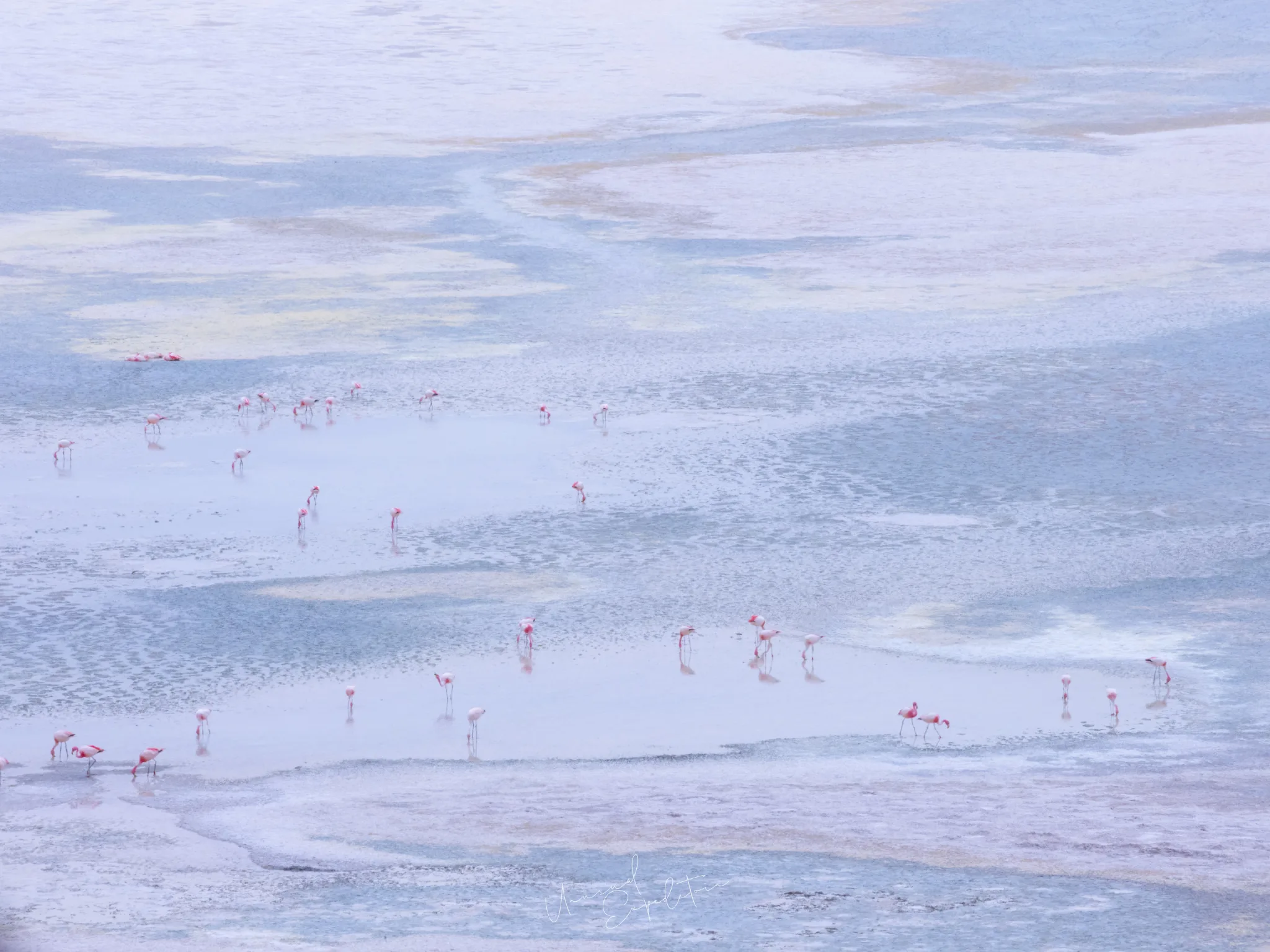
Packing for a Uyuni salt flats trip means packing for winter at altitude, whatever the month. Bring a down jacket, thermal base layers, a warm hat, gloves you can work a camera in and a buff for the wind and dust. Sunglasses, a sun hat and strong sunscreen matter just as much, because the sun at this height and the glare off the salt burn quickly. Rubber boots are essential in the wet season if you want the mirror. For cameras: a 16-35mm and a 24-70mm for the salt, a 100-400mm for the flamingos, a sturdy tripod, spare batteries kept warm, plenty of memory cards and a way to back up without the internet. Our best time to visit Uyuni salt flats article explains how the season changes the list, and Laguna Colorada flamingos covers the long-lens work.
Plan your Uyuni trip with us
We arrange Uyuni as a private trip on request, for travellers joining from any country: flights, the visa paperwork checklist where your passport needs one, the pacing for altitude and the time on the salt and the lagoons, all around what you want to photograph. Private tours suit individuals, couples, families and photographers; with no tour leader travelling, the cost can be lower than our group tours, and a photographer or photography coaching can be added at extra cost. Ask at least two months ahead if you can, especially if you have a visa to arrange. See private tours and our Bolivia photography tours page.
Uyuni photography tours
The next Uyuni departure is announced on the Uyuni photography tours page, with previous expeditions and all the planning guides.
Explore Uyuni in depth
- Uyuni Photography Tour: The Salt Flats, Lagoons and GeysersBolivia
- Is Uyuni Salt Flats Worth It? Isla Incahuasi and How to Get ThereBolivia
- Sol de Mañana Geysers: Photographing Bolivia's Highest Geothermal FieldBolivia
- Laguna Colorada Flamingos: Where to See Flamingos in BoliviaBolivia
- Uyuni Sunset, Sunrise and Night Sky: Photographing the Salt Flats After DarkBolivia
- Best Time to Visit Uyuni Salt Flats: Mirror Season or Dry SeasonBolivia
- Uyuni Salt Flats Photos: Photo Ideas and Where to StandBolivia
Upcoming Photo Tours
- Egypt Photo Tour – EgyptEgypt 12 Dec 2026 To 20 Dec 2026
- Inner Mongolia Winter Owl Photo Tour – ChinaChina 01 Jan 2027 To 04 Jan 2027
- Inner Mongolia Winter Photo Tour – ChinaChina 05 Jan 2027 To 11 Jan 2027
- Mekong And Central Highland Vietnam Photo Tour - VietnamVietnam 16 Jan 2027 To 24 Jan 2027