
Dolores Hidalgo Photos: the Parish, the Catrina and the Market
Dolores Hidalgo photos and things to do: the parish of the Grito, the giant Catrina, the Hidalgo monument and the market.
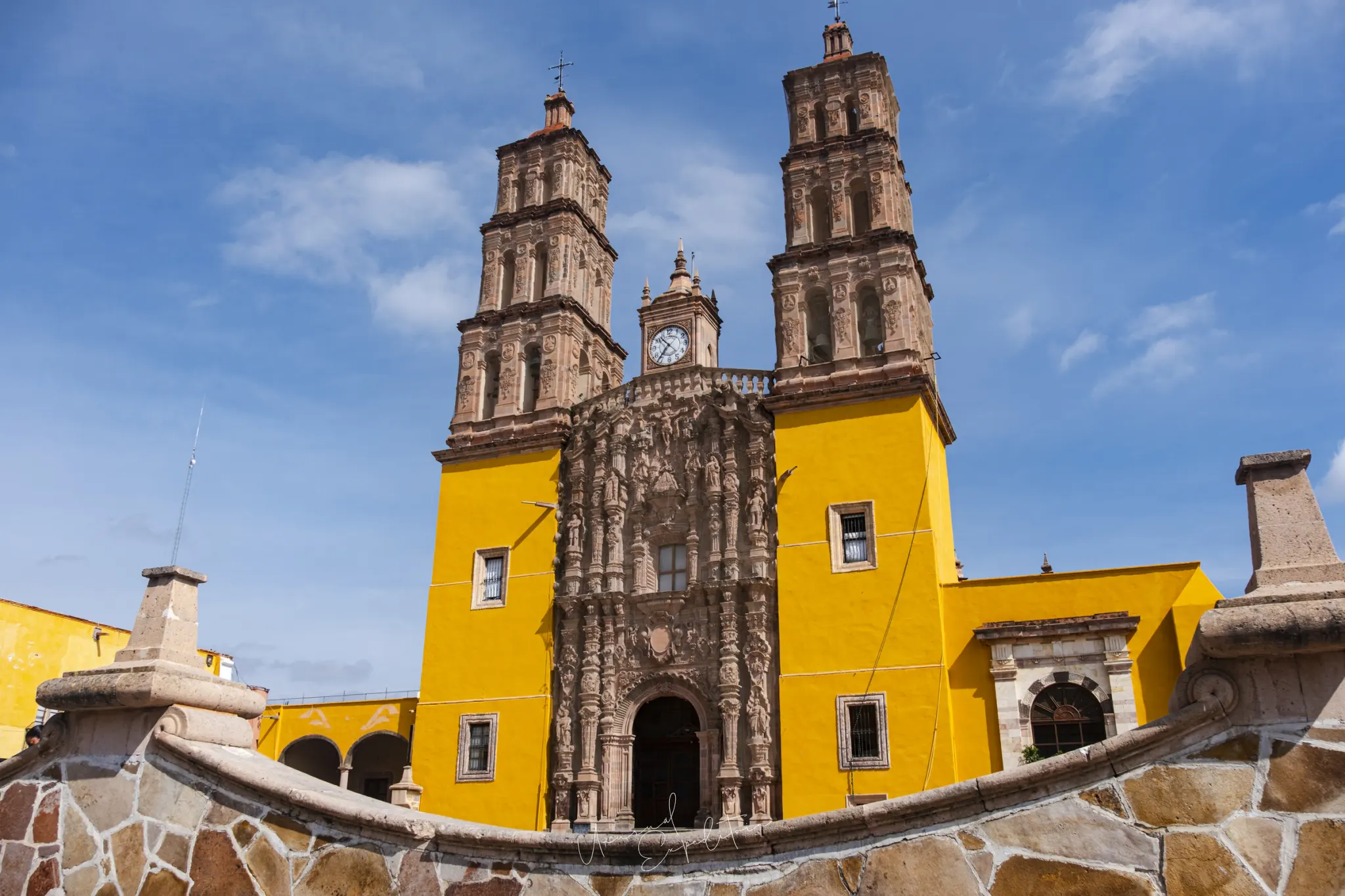
Dolores Hidalgo photos usually show the same handful of subjects, and they are the right ones: the carved front and twin towers of the Parroquia de Nuestra Señora de los Dolores, the statue of Miguel Hidalgo in the main garden, the market with its sugar skulls and sweets, and, in late October, a giant Catrina on the square. Things to do in Dolores Hidalgo for a photographer come down to one good morning in the centre, when the light is clean on the church and the market is busy.
Dolores Hidalgo is the smallest of the three towns in our Guanajuato photography tour guide, north of San Miguel de Allende in Guanajuato state. It is the town where Mexican independence began, a Pueblo Mágico, and a place most visitors see on the way between San Miguel and Guanajuato city. It deserves more attention than that.
Why Dolores Hidalgo matters: the Grito de Dolores
In the early hours of 16 September 1810 the parish priest of Dolores, Miguel Hidalgo y Costilla, rang the bells of his church to gather the town and called on it to rise against Spanish rule. The speech is remembered as the Grito de Dolores, and every year on the night of 15 September the President of Mexico repeats it from the National Palace while mayors repeat it across the country. The town later added Hidalgo's name to its own, and it now calls itself the Cuna de la Independencia Nacional, the cradle of national independence. Mexico's heritage institute INAH lists the town under that title. The parish, the priest's house and the square are the historic core, and they sit within a few streets of each other.
The Parroquia de Nuestra Señora de los Dolores
The parish church is the picture of Dolores Hidalgo: a pink stone front carved in Novohispanic baroque, set between two tall towers, with yellow-washed side walls and a curving stone wall and steps in front of the atrium. Sources date its completion to the late eighteenth century. The bell that Hidalgo rang is now in the National Palace in Mexico City, and the one in the tower is a replica. Photograph the church from the low wall at the corner of the atrium with a 16-35mm or the wide end of a 24-70mm, so the curve of the wall leads in and both towers stand clear against the sky. The front faces the garden, and the morning is the time for it, when the stone is lit evenly and the yellow walls are bright without burning out.
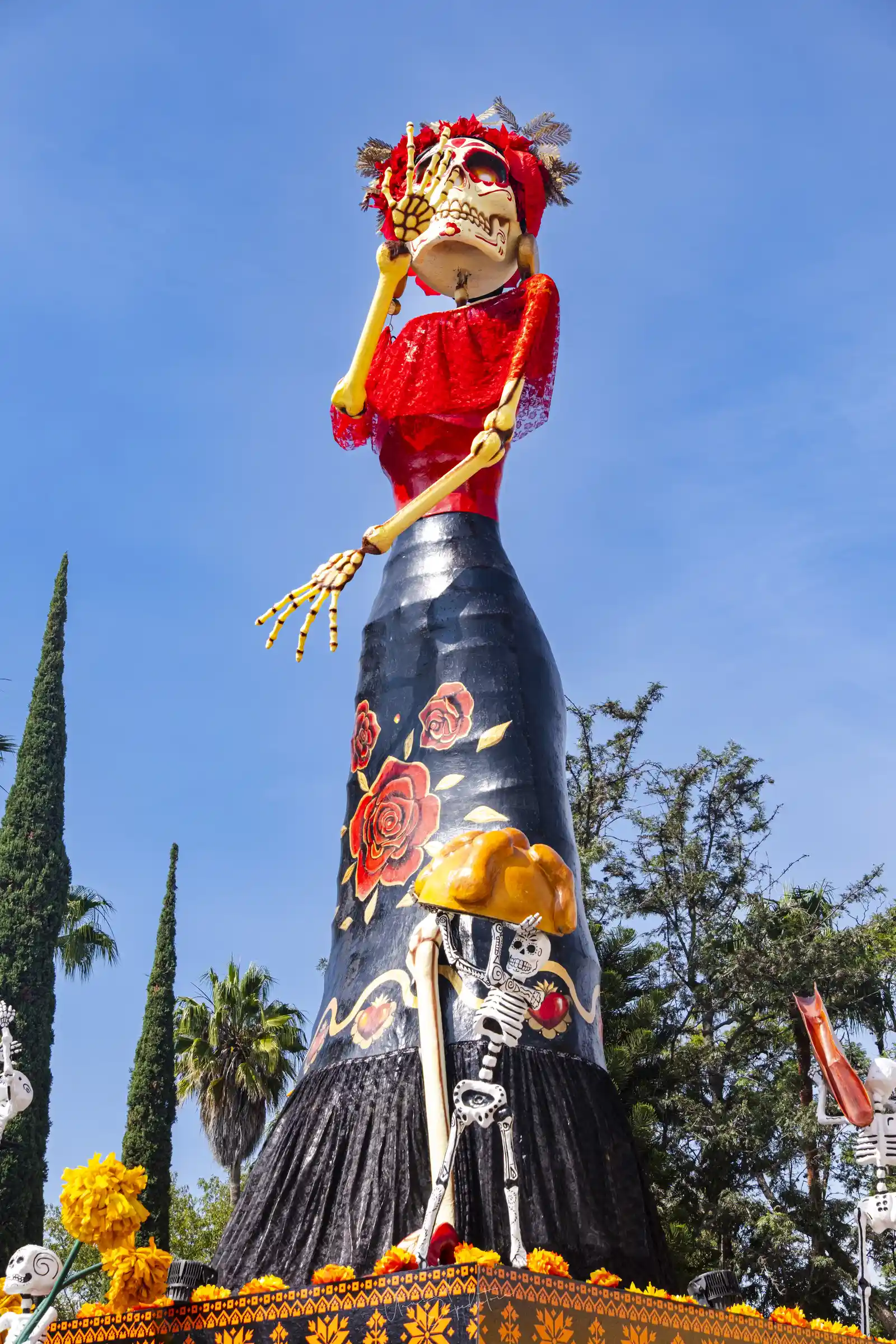
The giant Catrina in the festival week
In the last week of October Dolores Hidalgo builds Day of the Dead figures on its main square: giant Catrinas, skeleton musicians, marigold bases and papel picado. They change from year to year. In the year we photographed the town there were several, including a Catrina in a red blouse and a long black skirt painted with roses, several times the height of a person. The figures are subjects in their own right and they also make foregrounds for the church. Shoot them from low with a wide lens, so the figure towers against the sky, and then step back and use the parish towers behind them.
The Hidalgo monument and the main garden
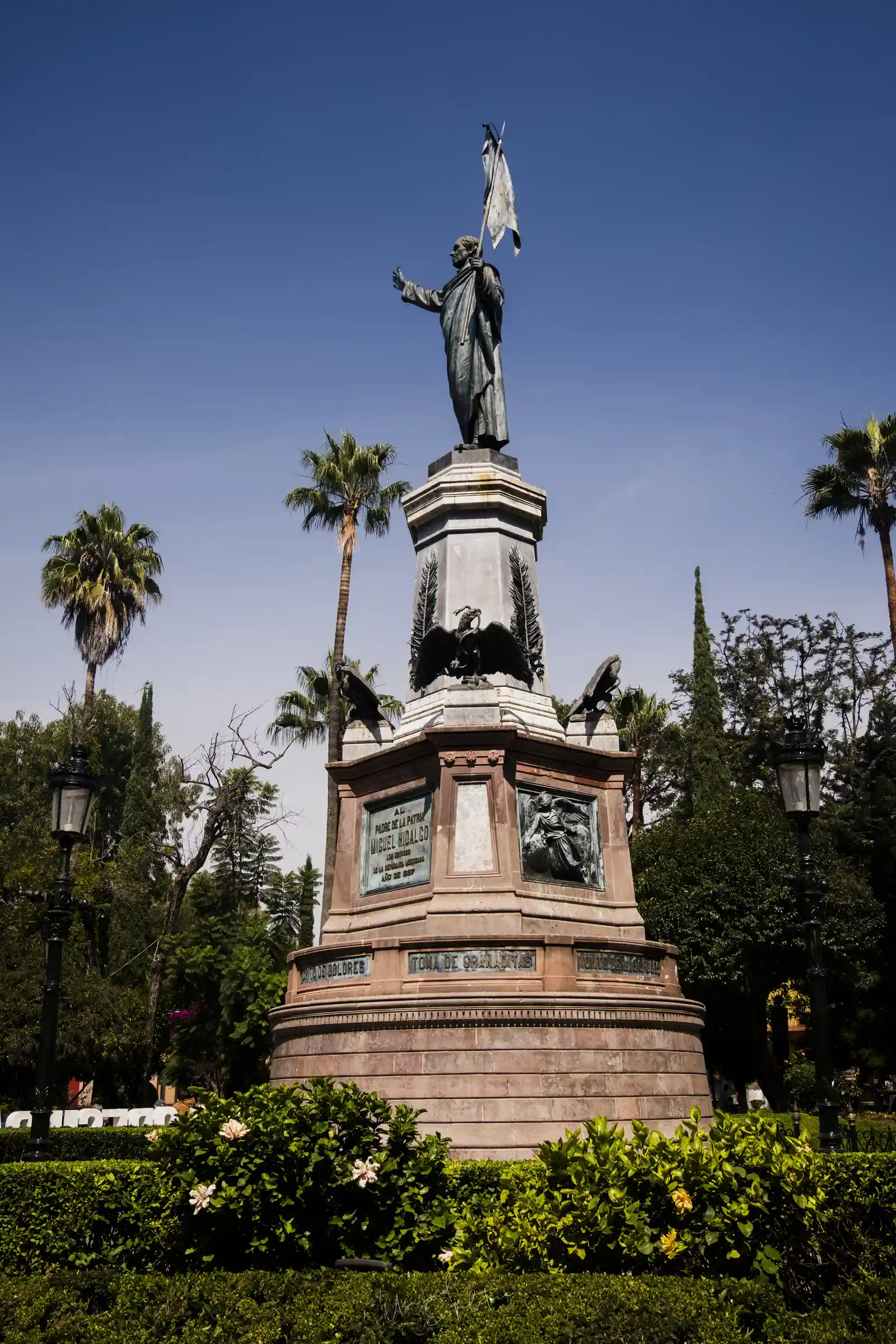
The main garden in front of the church is shaded by laurels and palms and centres on a tall monument to Miguel Hidalgo, a bronze figure on a column. It is a vertical subject. Frame it from the garden path with the palms on either side and a clean blue sky behind the figure, and expose for the sky so the bronze holds its shape against it. The benches around the garden, shoe-shiners, balloon sellers and families on a weekend give the square its life, and a 70-200mm from the edge of the garden picks out small scenes without intruding. Ask before any close portrait.
Dolores Hidalgo market: cazuelas, sweets and sugar skulls
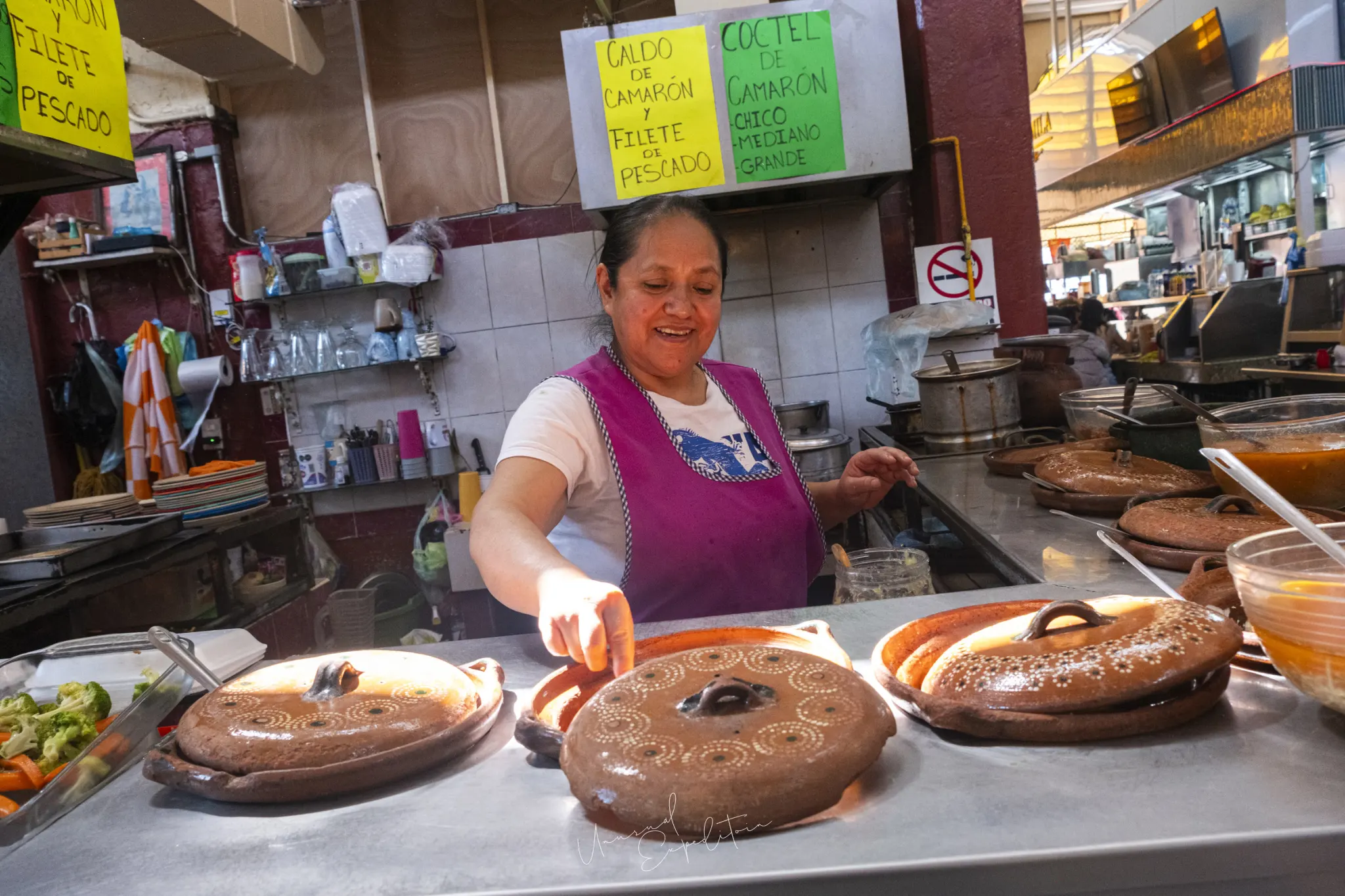
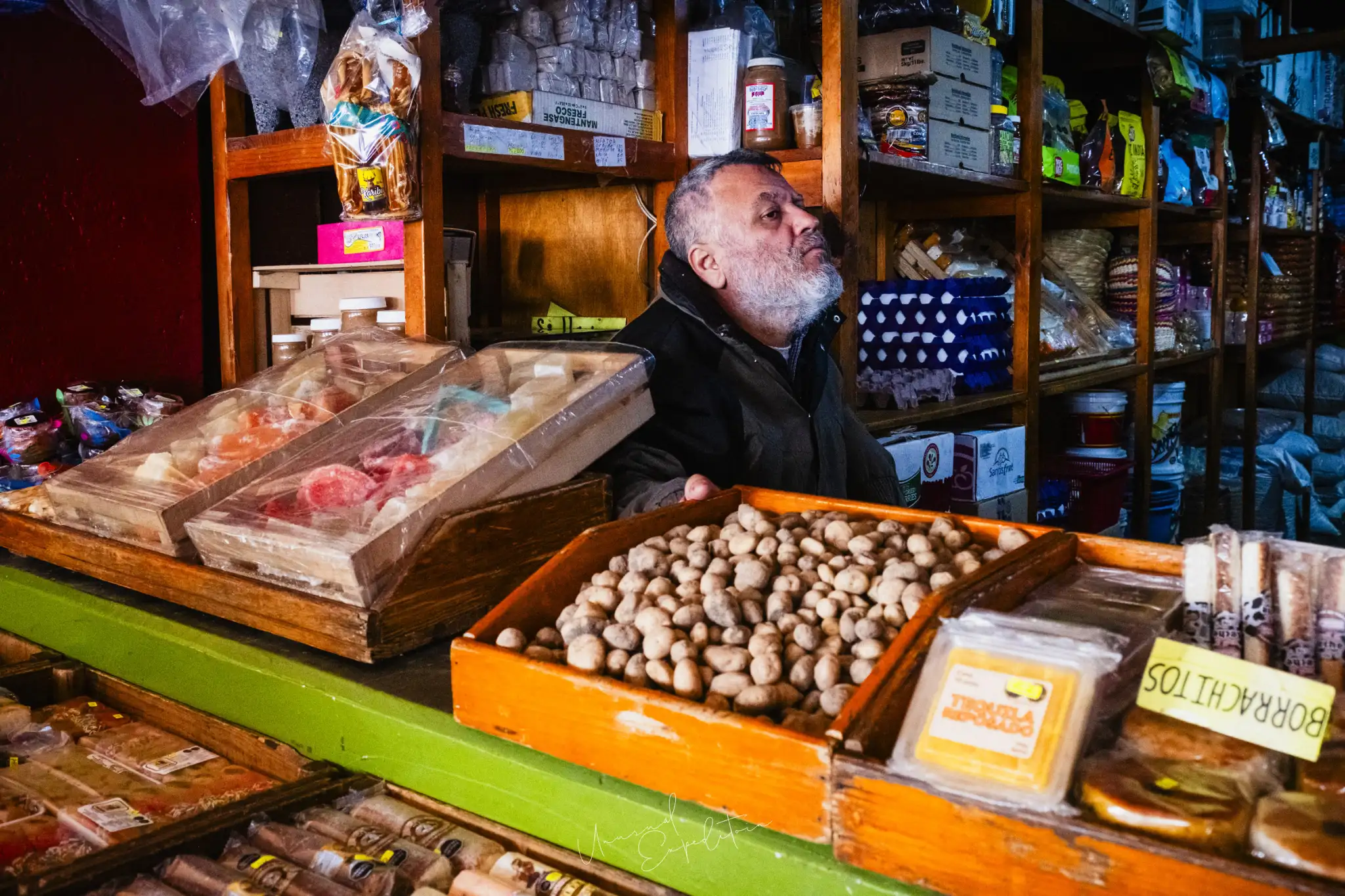
The market a block from the square is where the town's colour concentrates. Food stalls keep their dishes warm in glazed clay cazuelas, sweet shops stack candied fruit, cajeta and the little sugar figures called borrachitos, and in late October the tables fill with sugar skulls decorated in coloured icing, bought for family altars. The light inside is mixed, daylight from the street and tubes overhead, so raise the ISO, set the white balance by hand if the tubes turn faces green, and use a 24-70mm at its wide end. Say hello, buy something, and then ask; many stallholders are happy to be photographed at work, and a no is their right.
"Dolores is a town people drive through. I stop because the church front is the best baroque face in the state at that hour of the morning, and because the market people are not tired of cameras yet. Buy a sweet, say good morning, and they will show you their stall."
Joseph Mak, tour leader, Unusual Expedition
Ceramics and ice cream
Dolores Hidalgo is known across Mexico for two things beyond its history. The first is ceramics: workshops in and around the town make glazed talavera-style tiles, plates and basins, and their showrooms are a riot of pattern. The second is ice cream, sold from stalls around the main garden in flavours that go well beyond fruit, some of them savoury. Both make lively small pictures, and the ice-cream stalls are a gentle way to photograph people on the square: buy a cone, take a frame of the counter, then turn to the garden. Lonely Planet's guide to the town puts both the ceramics and the ice cream among its draws.
Dolores Hidalgo a San Miguel de Allende: fitting it in
Dolores Hidalgo lies north of San Miguel de Allende on the road towards Guanajuato city, so it fits naturally between the two. A morning is enough for the church, the garden, the monument and the market. Arriving early matters more than staying long: by midday the sun is high on the yellow walls and the square is in hard light. If you come during the festival week, check locally that the Catrinas are already up; they go up in the last days of October. The town is quieter than San Miguel and much quieter than Guanajuato, which makes it easier to work with people.
Dolores Hidalgo subjects at a glance
| Subject | Best light | Lens | Tip |
|---|---|---|---|
| Parroquia front and towers | Morning | 16-35mm, 24-70mm | Use the curved atrium wall as a lead in |
| Giant Catrina | Morning | 16-35mm | Shoot from low, church behind |
| Hidalgo monument | Morning | 24-70mm | Vertical frame between the palms |
| Market stalls | Any time | 24-70mm | Raise ISO, ask first |
| Ceramic showrooms | Any time | 35mm to 50mm | Fill the frame with pattern |
Everything outdoors here is a morning subject; keep the market and the showrooms for when the sun climbs.
More of Guanajuato state
Dolores Hidalgo is one stop of three. Guanajuato city's ravine and alleys are in Guanajuato photo spots, San Miguel's streets in San Miguel de Allende photo spots, and the festival week across the three towns in Guanajuato and San Miguel de Allende at Day of the Dead.
See Dolores Hidalgo with us
Dolores Hidalgo is part of our Day of the Dead photography route through central Mexico. Details of the next departure are on the Mexico photography tours page.
Guanajuato photography tours
The next Guanajuato departure is announced on the Guanajuato photography tours page, with previous expeditions and all the planning guides.
Explore Guanajuato in depth
- Guanajuato Photography Tour: Guanajuato City, San Miguel de Allende and Dolores HidalgoMexico
- Guanajuato Photo Spots: the Ravine City from Above and BelowMexico
- San Miguel de Allende Photo Spots: Where to Stand and WhenMexico
- Guanajuato and San Miguel de Allende at Day of the DeadMexico
Upcoming Photo Tours
- Egypt Photo Tour – EgyptEgypt 12 Dec 2026 To 20 Dec 2026
- Inner Mongolia Winter Owl Photo Tour – ChinaChina 01 Jan 2027 To 04 Jan 2027
- Inner Mongolia Winter Photo Tour – ChinaChina 05 Jan 2027 To 11 Jan 2027
- Mekong And Central Highland Vietnam Photo Tour - VietnamVietnam 16 Jan 2027 To 24 Jan 2027