
Hirosaki Castle in Autumn: Maples, the Keep, Saishoin Pagoda and Neputa Village
Hirosaki Castle autumn: red maples on the moats, why the keep is special, Saishoin pagoda, Neputa Village lanterns and dusk light.
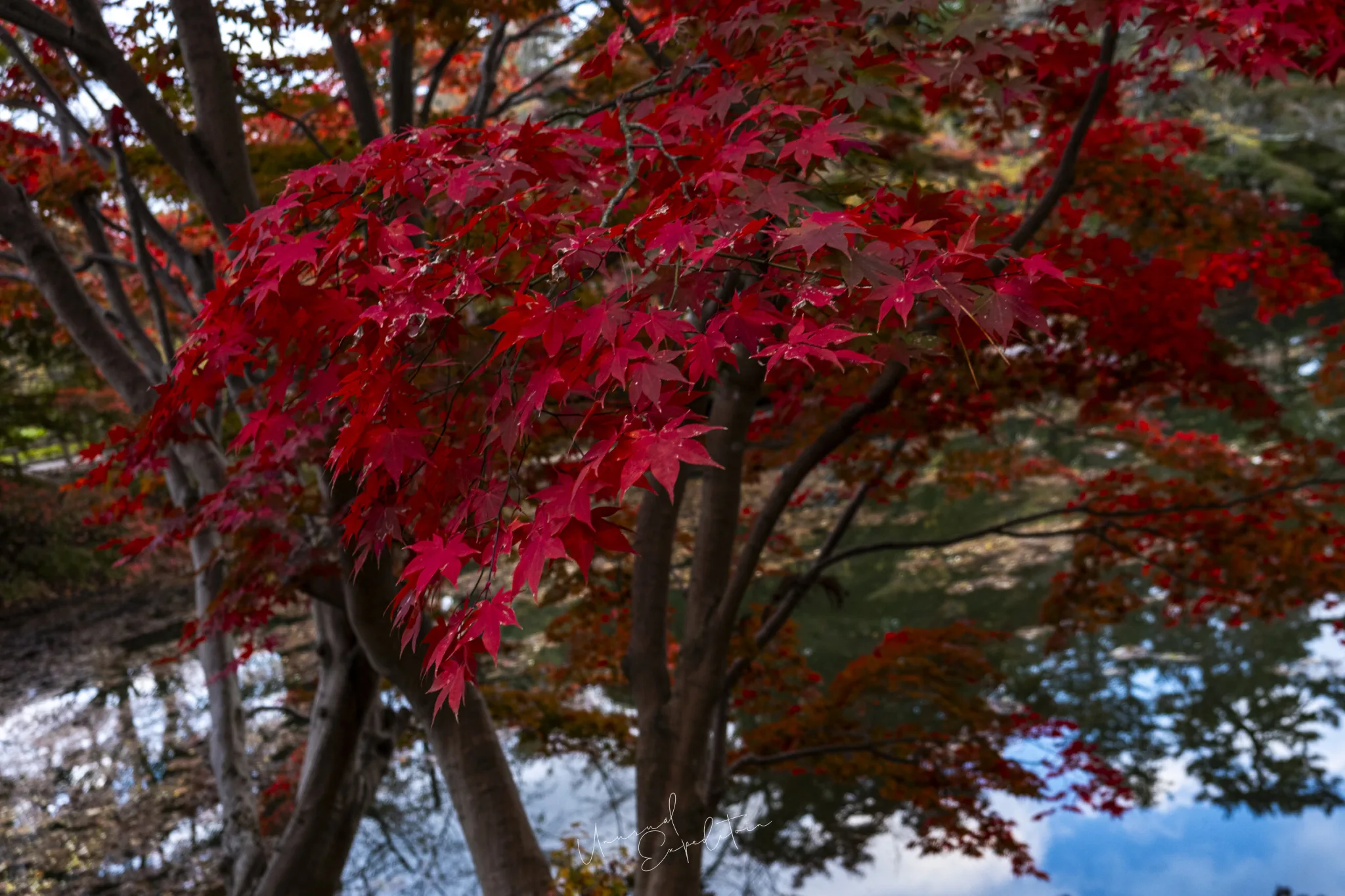
Hirosaki Castle autumn colour turns the same park that is famous for its cherry blossom into a scene of red maples, yellow cherry leaves and still moats, usually from late October into November. With far fewer visitors than in spring, it is a calm place to photograph the castle keep, the red bridges, the avenues of old cherry trees and, a short walk away, the five-storey pagoda of Saishoin and the Neputa lanterns of the Tsugaru-han Neputa Village.
Hirosaki is the cultural centre of western Aomori and a cornerstone of our Aomori photography tour guide. Our Hirosaki cherry blossom guide covers the park in spring; this one follows the same paths in autumn, when the light is lower, the colour is deeper and the crowds have gone.
Hirosaki Castle autumn: what changes after the blossom
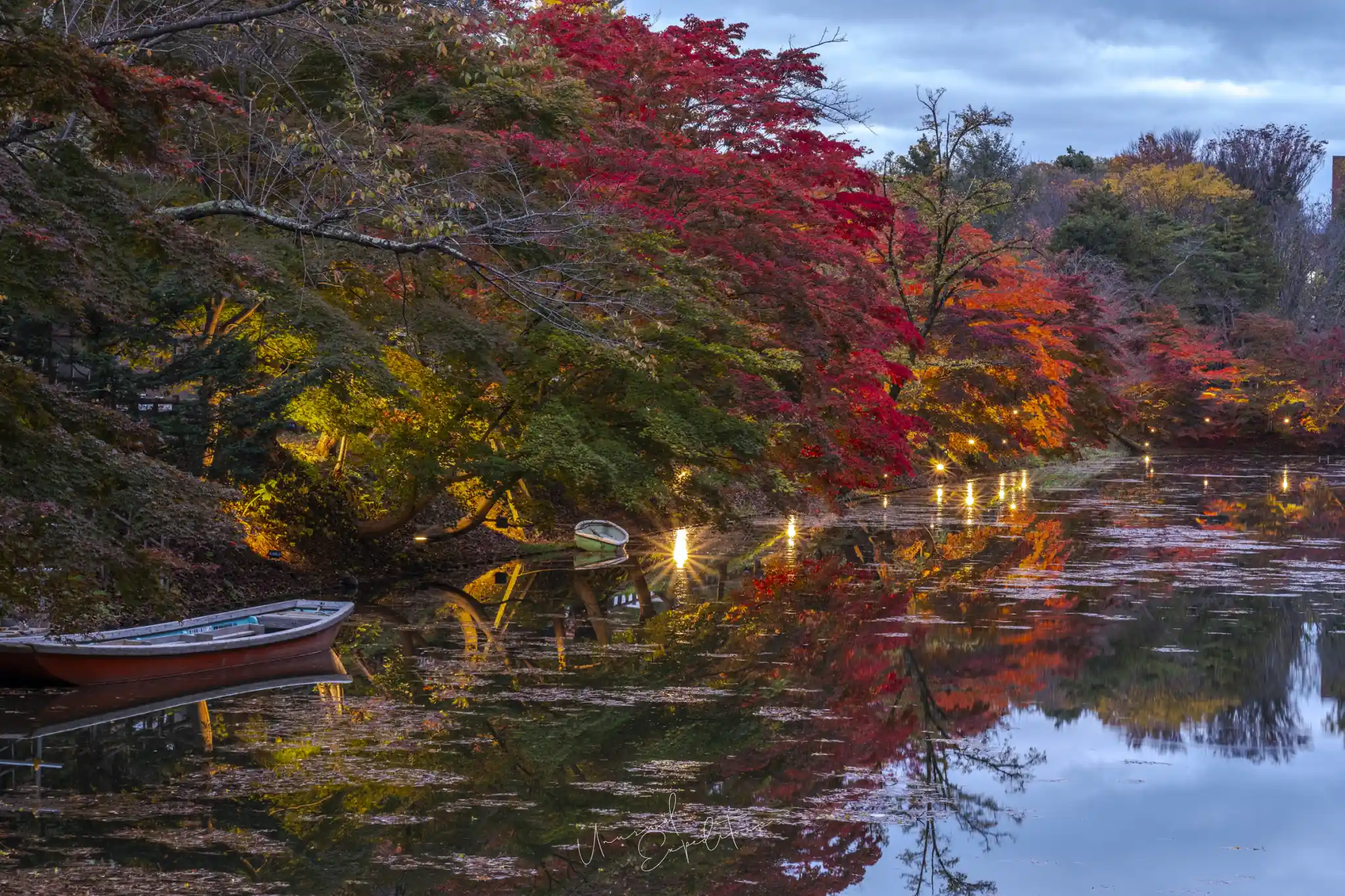
In autumn the cherry trees that make Hirosaki Park famous turn yellow and orange, and the maples planted among them turn deep red. The park becomes a study in layers: red maples over dark moat water, yellow avenues over the paths, the white keep against a pale autumn sky. The light changes too. The sun sits lower, so the moats catch reflections for longer in the morning and the late afternoon, and the backlit leaves glow. Hirosaki holds an autumn festival in the park, with chrysanthemums and maples as its theme; its dates change each year, so check them with the city tourist office before you go.
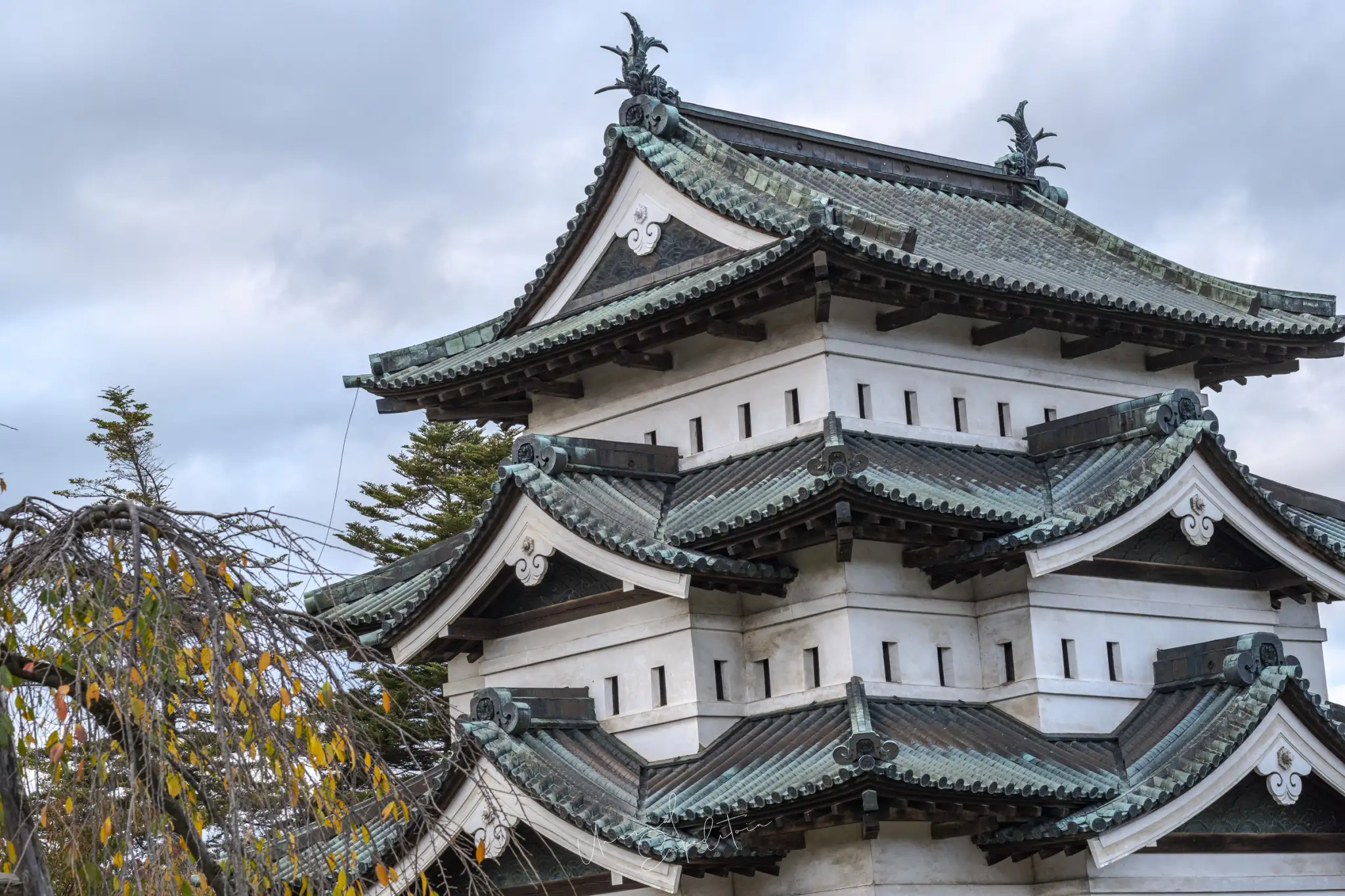
Why is Hirosaki Castle so special?
Why is Hirosaki Castle so special? Its keep is the only Edo-period castle tower still standing in the Tohoku region of northern Honshu, according to the Japan National Tourism Organization, so it is one of the few original castle towers left in Japan. It is small compared with the great castles of the south, but its white walls, copper roofs and carved gables are beautifully proportioned, and it sits within a full set of moats, gates and stone walls. In 2015 the keep was rolled on rails away from its stone base so that the walls could be rebuilt, and in 2026 it began moving back, pulled partly by volunteers, as reported by Smithsonian Magazine and others. That gave photographers a decade of new viewpoints; check where the keep stands before you plan your frames.
Hirosaki Castle keep and the park in autumn colour
For the Hirosaki Castle keep in autumn, look for maples that can frame or contrast with the white walls, and shoot from below to put the gables against the sky. A 24-70mm lens covers most frames, while a 70-200mm lens picks out details: a carved roof end, a gable above a red branch. Around the park, the avenues of old cherry trees make tunnels of yellow over the paths, and the red bridges over the moats give a strong accent of colour. On still mornings the moats are mirrors. In the late afternoon the low sun from the west lights the red maples from behind, which is the time to look for backlit leaves against shadow.
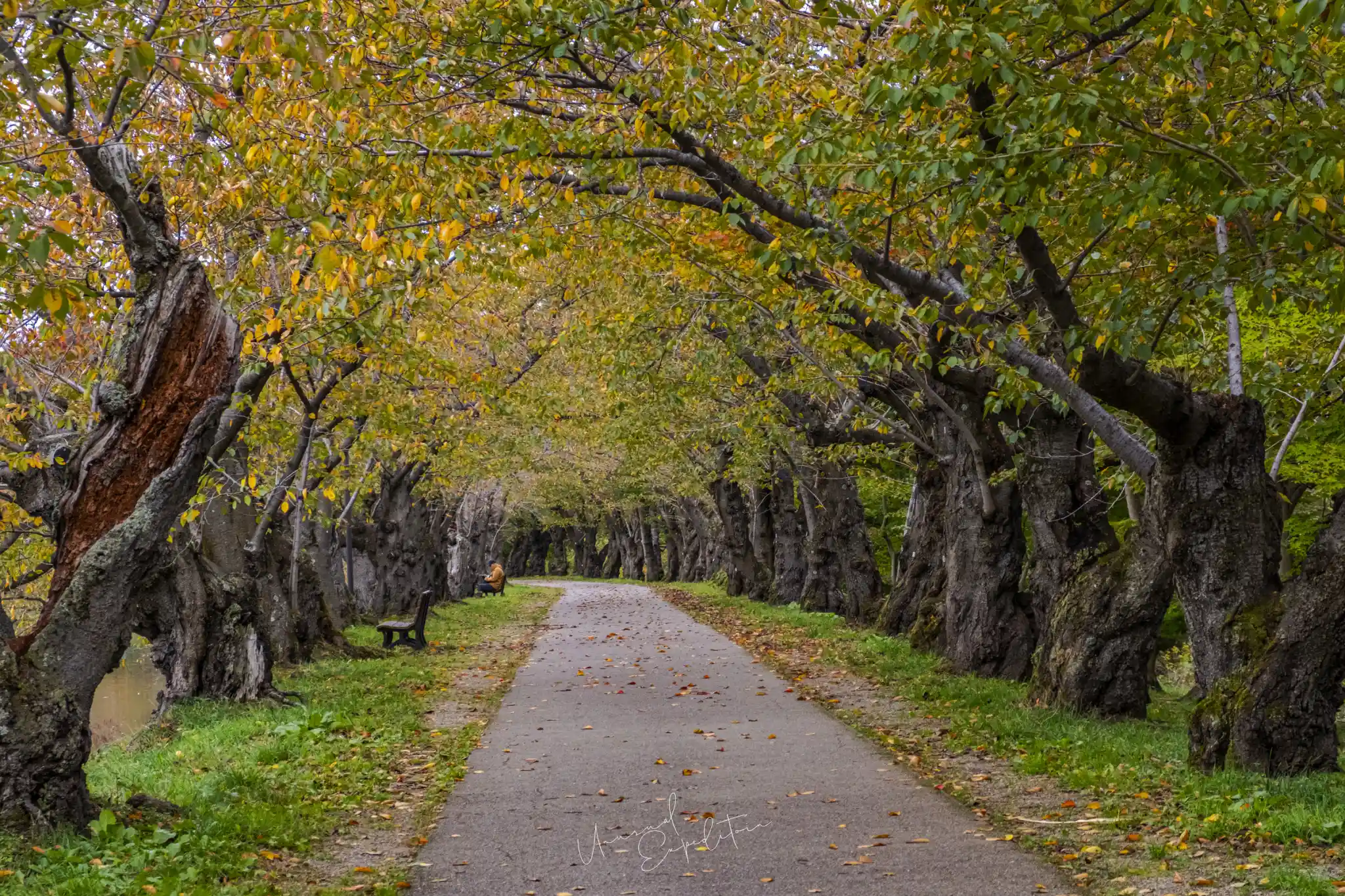
In autumn Hirosaki is a different park. The colour is just as strong as the blossom, the people have gone, and you can stand by the moat for as long as you like waiting for the wind to drop.
Joseph Mak, tour leader, Unusual Expedition
Neputa Village and Hirosaki Castle
Neputa Village and Hirosaki Castle sit side by side, so it is easy to combine them on the same day. The Tsugaru-han Neputa Village, next to the park, displays the large fan-shaped lanterns of the Hirosaki Neputa Festival, painted with warriors and heroes from Chinese and Japanese legend, together with traditional Tsugaru crafts. The festival itself runs each August, in the evenings from the 1st to the 6th and in the daytime on the 7th, according to Aomori Tourism, and it is listed as an Important Intangible Folk Cultural Property of Japan. In the village the lanterns are lit inside a darkened hall, which makes them easy to photograph handheld with a fast lens; ask before using a tripod.
Saishoin and the five-storey pagoda
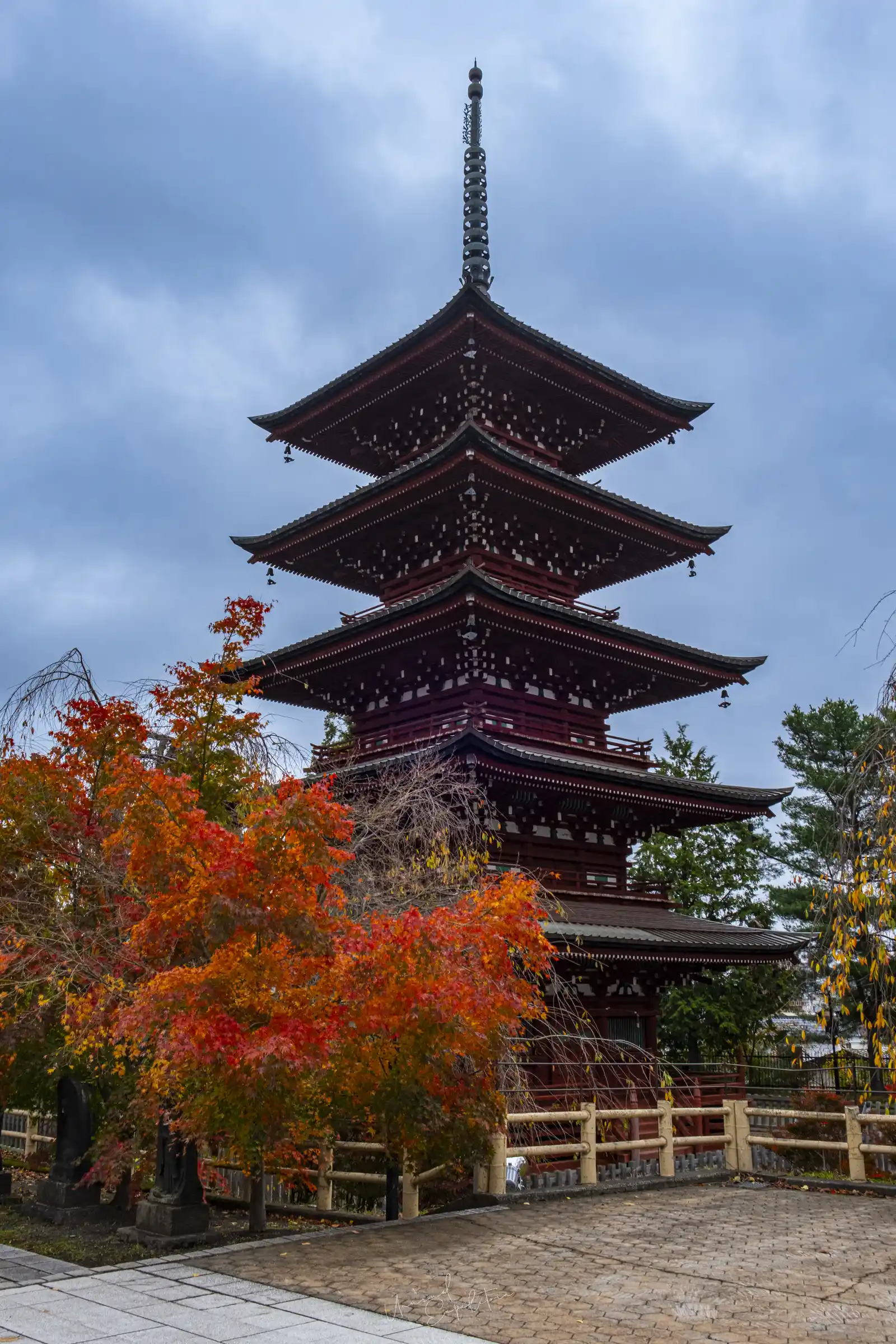
A short walk south of the castle, the temple of Saishoin holds a five-storey pagoda, one of the finest in the north of Japan. In autumn the maples at its base turn red, and the dark wooden tiers rise above them. A portrait frame with a 24-70mm lens from the temple grounds captures the full height, and the pagoda is good in both soft overcast light and the warm light of a late afternoon. The temple is a place of worship, so keep your voice down and stay off the buildings.
Hirosaki Castle autumn festival and the moat at dusk
As the light fades, the lanterns along the moat paths come on and the autumn trees are reflected in the dark water. Dusk is the best time to photograph that mix of natural colour and warm artificial light, with a little blue left in the sky. A tripod and a few seconds of exposure smooth the water; bracket if the lanterns are much brighter than the trees. Whether the park is lit up for the Hirosaki Castle autumn festival in a given year depends on the programme, so check it before you plan an evening there.
Hirosaki in autumn: what to photograph
| Subject | Light | Lens | Note |
|---|---|---|---|
| Red maples over the moat | Calm morning | 24-70mm, polariser | Reflections before the wind rises |
| Castle keep | Morning or late afternoon | 24-70mm, 70-200mm | Check its current position |
| Cherry avenues in yellow | Overcast or soft sun | 24-70mm | Paths are quieter early |
| Saishoin pagoda | Late afternoon | 24-70mm, portrait frame | Respect the temple |
| Neputa lanterns | Indoor, lit lanterns | Fast 24-70mm, handheld | Ask before using a tripod |
| Moat at dusk | Blue hour | 24-70mm on a tripod | Check the festival programme |
One full day covers the park, the pagoda and the Neputa Village without rushing.
Hirosaki with the rest of autumn in Aomori
Autumn in the Tsugaru region also brings the Takayama Inari Shrine torii in clear autumn light and the Tsuru no Mai Bridge at sunrise, and to the east the Oirase stream and Lake Towada are at their peak at about the same time. Our guide to autumn in Aomori explains where the colour comes first.
Photograph Hirosaki in autumn with us
We run Hirosaki and the Tsugaru region as a private trip on request, timed for the colour, with all logistics in place and coaching available at extra cost. See our private tours and the Japan photography tours page.
Ask us about Hirosaki in autumn
Join the Aomori photography tour
Kyushu, Shikoku And Setouchi Photography Journey departs 25 Sep 2027 To 05 Oct 2027, led by Joseph Mak. Small group, photography first. All Aomori photography tours.
Explore Aomori in depth
- Aomori Photography Tour Guide: Hirosaki Blossom, Oirase Autumn and the Tsugaru CoastJapan
- Tsuru no Mai Bridge: Photographing Mount Iwaki and Japan's Longest Wooden Arch BridgeJapan
- Takayama Inari Shrine, Aomori: Photographing the Winding Torii of TsugaruJapan
- Oirase Gorge: Photographing the Stream, the Waterfalls and the Autumn ColourJapan
- Hirosaki Cherry Blossom: Photographing the Castle, the Moats and the FestivalJapan
- Hachinohe Morning Market: Photographing the Tatehana Wharf on a SundayJapan
- Autumn in Aomori: Lake Towada, Towada Shrine and When the Colour ComesJapan
Upcoming Photo Tours
- Egypt Photo Tour – EgyptEgypt 12 Dec 2026 To 20 Dec 2026
- Inner Mongolia Winter Owl Photo Tour – ChinaChina 01 Jan 2027 To 04 Jan 2027
- Inner Mongolia Winter Photo Tour – ChinaChina 05 Jan 2027 To 11 Jan 2027
- Mekong And Central Highland Vietnam Photo Tour - VietnamVietnam 16 Jan 2027 To 24 Jan 2027