
Aomori Photography Tour Guide: Hirosaki Blossom, Oirase Autumn and the Tsugaru Coast
Aomori photography: Hirosaki blossom, Oirase and Lake Towada in autumn, Takayama Inari torii, Tsuru-no-Mai Bridge, Hachinohe market.
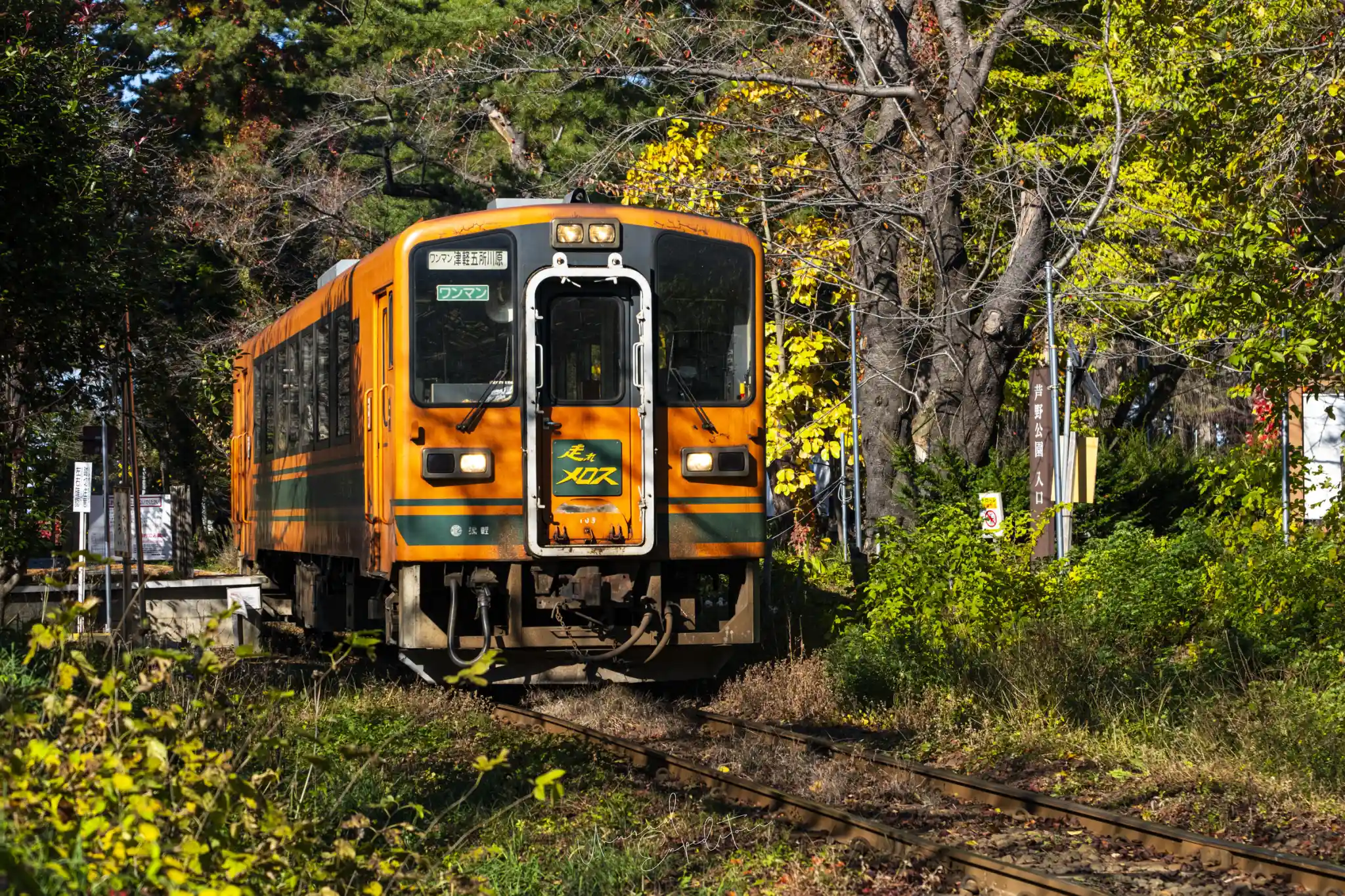
Aomori photography is about two seasons at the northern tip of Honshu: spring, when the cherry trees of Hirosaki Park bloom around the old castle, and autumn, when the Oirase stream, Lake Towada and the Tsugaru plain turn red and gold. Between them you find the vermilion torii of Takayama Inari Shrine, the long wooden Tsuru-no-Mai Bridge under Mount Iwaki, the Neputa lanterns of Hirosaki and the Sunday morning market on the wharf at Hachinohe.
Aomori is the northernmost prefecture of Honshu, facing Hokkaido across the Tsugaru Strait, and this guide is one of the regional parts of our Japan photography tour guide, where entry, money and the rest of the country are covered. The photographs here are our own, taken on our spring and autumn trips to Aomori; we hold the rights to them, and the notes come from knowing these places first hand.
Aomori attractions for photographers
Aomori attractions fall into three areas that a photographer can cover in one trip. In the west, the Tsugaru region around Hirosaki holds the castle and its park, the Neputa lanterns, Takayama Inari Shrine on the coast and the Tsuru-no-Mai Bridge in the rice country below Mount Iwaki. In the centre, the Hakkoda mountains lead down to Lake Towada and the Oirase stream, the prefecture's great autumn landscape. In the east, the port city of Hachinohe has one of the largest morning markets in Japan. Each place has its own destination guide, linked below, and each is best in a particular season, which is why we plan Aomori around spring or autumn rather than trying to cover the whole year.
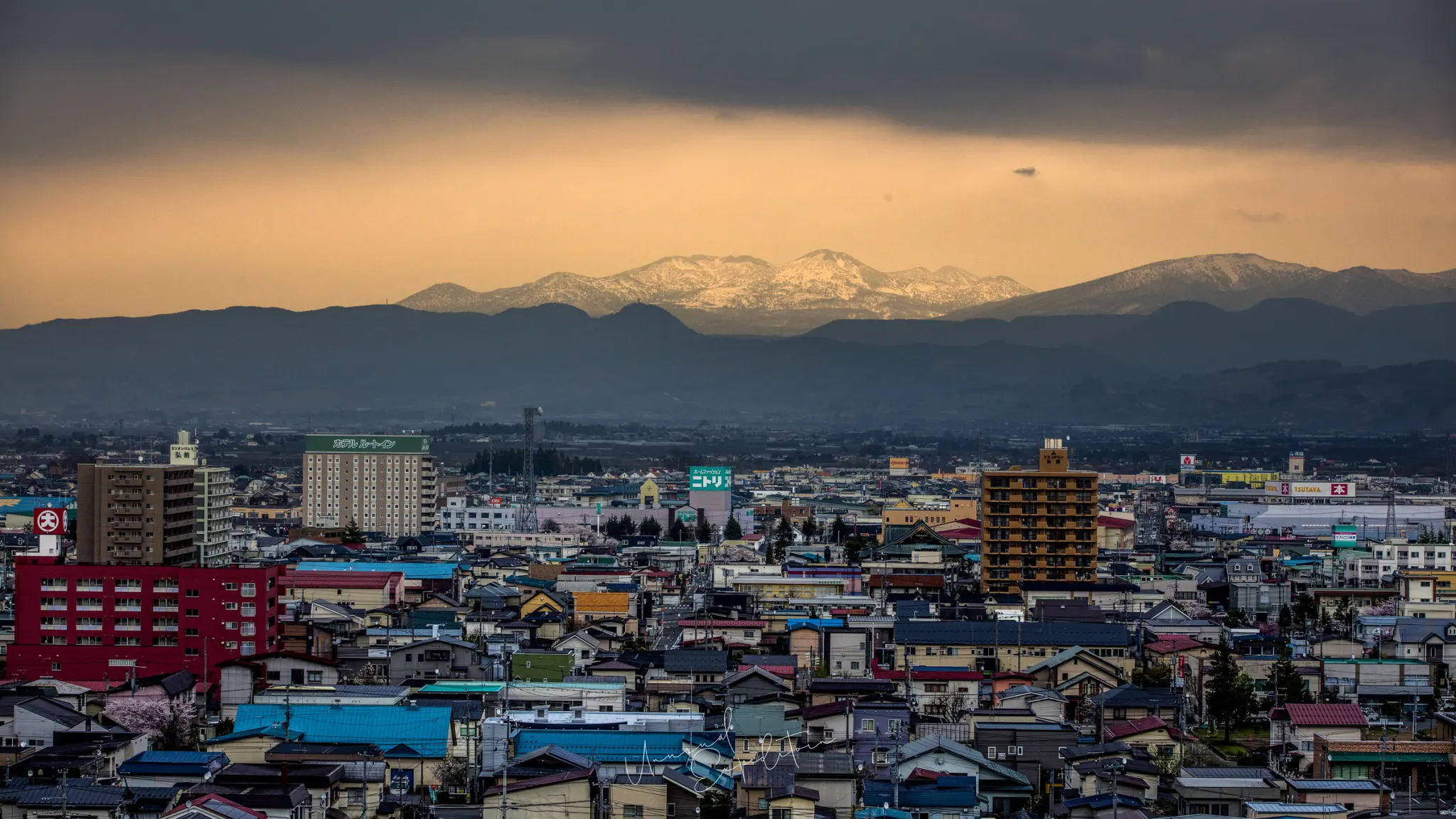
Hirosaki: castle, blossom and Neputa
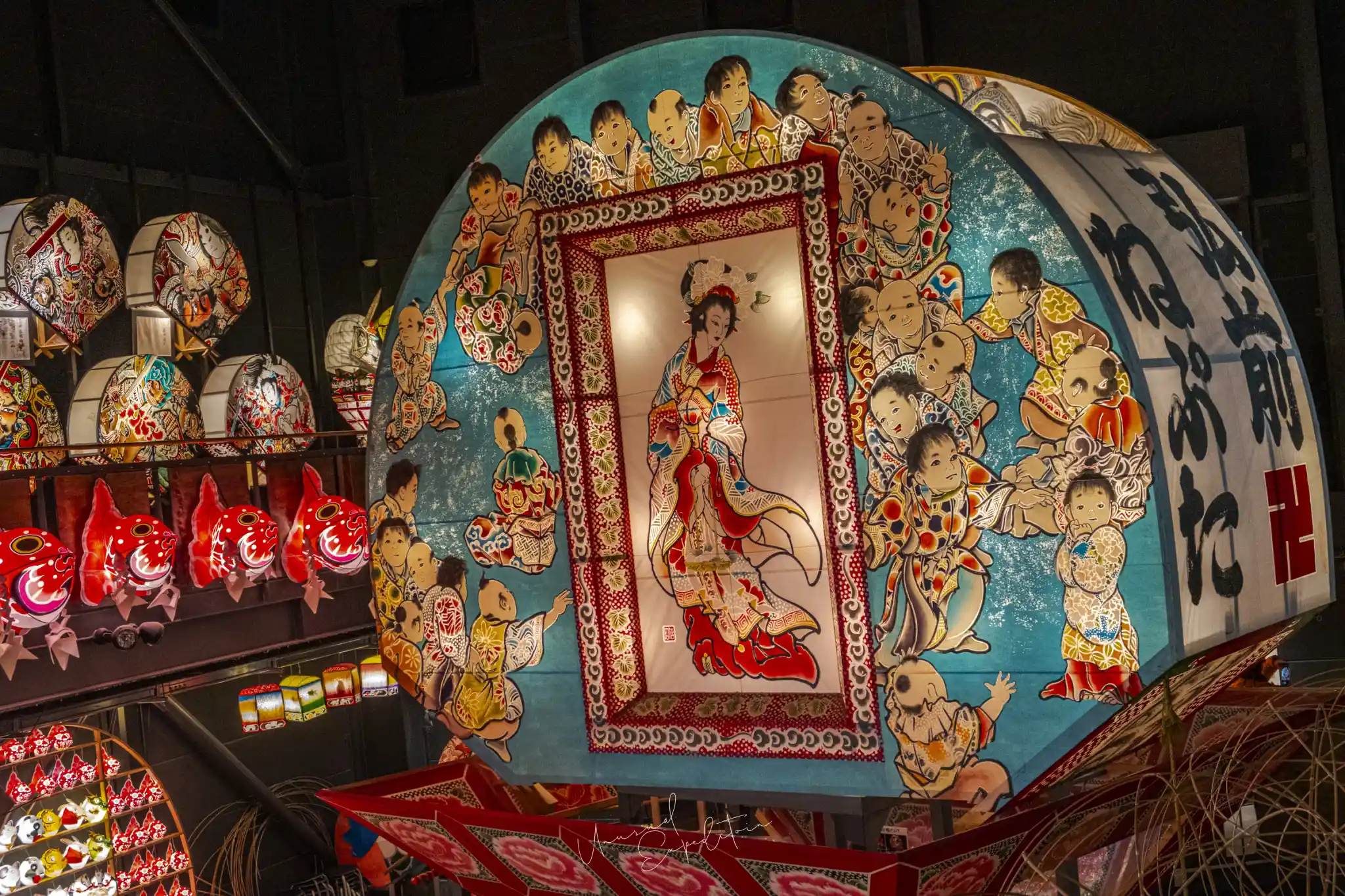
Hirosaki is the cultural heart of the Tsugaru region. Its castle keep is the only Edo-period castle tower still standing in the Tohoku region, according to the Japan National Tourism Organization, and Hirosaki Park around it holds some 2,600 cherry trees, which makes the spring festival one of the most famous blossom events in the country. Our Hirosaki cherry blossom guide covers the spring, and our Hirosaki Castle autumn guide covers the maples, the moat and the town's five-storey pagoda. Beside the park, the Tsugaru-han Neputa Village displays the painted fan-shaped lanterns of the Hirosaki Neputa Festival, held each August from the evening of the 1st according to Aomori Tourism, so you can photograph the artwork in any season.
Aomori Japan things to do in autumn: Oirase and Lake Towada
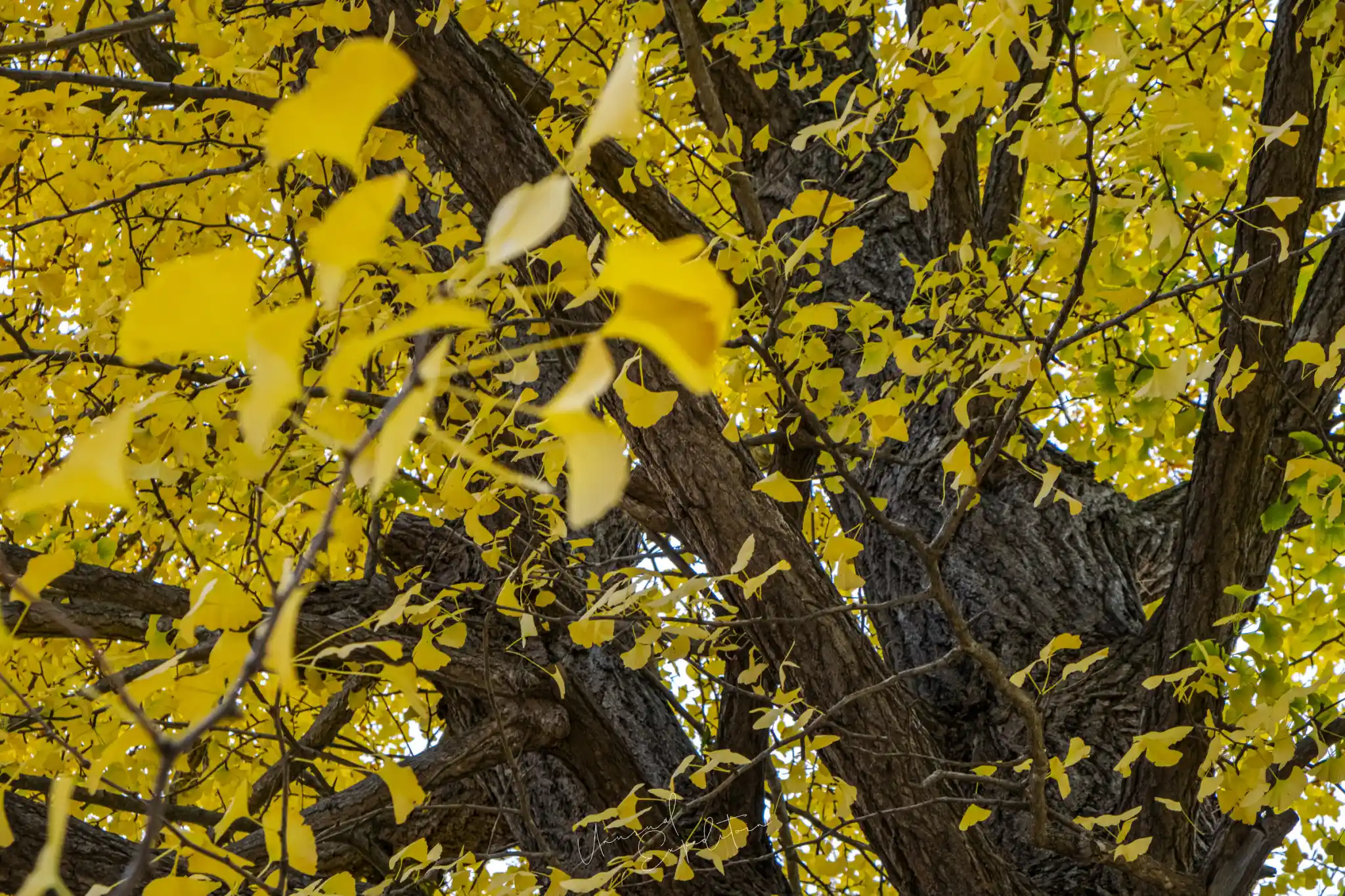
If you only have one season for Aomori, many photographers would choose autumn. The Oirase stream runs about 14 kilometres from Lake Towada through a forested gorge, with rapids, mossy rocks and waterfalls along a walking path, and the leaves usually peak from the end of October into early November, according to the Japan National Tourism Organization. Our Oirase Gorge guide covers the walk, the waterfalls and the light. Lake Towada itself and Towada Shrine in the cedar forest on its shore are covered in our guide to autumn in Aomori, which also compares where the colour comes first across the prefecture.
Tsugaru: torii, a wooden bridge and the Tsugaru Fuji
The Tsugaru plain is rice and apple country, overlooked by Mount Iwaki, the volcano locals call the Tsugaru Fuji. Two of its sights have become favourites of photographers. Takayama Inari Shrine is known for the line of vermilion torii that winds through its garden above the Sea of Japan coast. The Tsuru no Mai Bridge, a long triple-arch wooden bridge across Tsugaru Fujimi Lake, lines up with Mount Iwaki, and in autumn the sun sets beside the mountain. Between them, the small orange trains of the Tsugaru Railway run through the countryside, as in the photograph at the top of this guide.
Aomori surprised me. People come for the blossom at Hirosaki and leave having photographed a torii tunnel, a fish market and a mountain stream in the same trip. It feels like a different Japan, quieter and slower.
Joseph Mak, tour leader, Unusual Expedition
Hachinohe and the morning market
Hachinohe, on the Pacific side, is a working fishing port. On Sunday mornings from spring to the end of the year, the wharf fills with hundreds of stalls selling fish, vegetables, street food and second-hand goods from daybreak, with the fishing fleet moored behind; Visit Hachinohe, the city's tourism site, bills it as Japan's largest morning market. Our Hachinohe morning market guide covers how to photograph it, including street photography with respect for the stallholders.
Aomori things to do by season
| Place | What you photograph | Best season | Lens |
|---|---|---|---|
| Hirosaki Park | Castle keep, blossom, moat, maples | Late April to early May, autumn | 24-70mm, 70-200mm |
| Oirase stream | Rapids, waterfalls, moss, autumn leaves | Late October into November, spring green | 16-35mm, 24-70mm, ND filter |
| Lake Towada and Towada Shrine | Shrine in cedar forest, maples | Autumn | 24-70mm |
| Takayama Inari Shrine | Winding vermilion torii | Any season, best in clear light | 24-70mm, 70-200mm |
| Tsuru-no-Mai Bridge | Wooden arches, Mount Iwaki, sunset | Spring and autumn, both ends of the day | 24-70mm, 70-200mm |
| Hachinohe morning market | Stalls, fish, street life | Sundays, mid March to December | 24-70mm |
Spring and autumn suit different places, so the season decides the route more than the map does.
Aomori photography in winter
Aomori is one of the snowiest parts of Japan, and winter brings its own subjects, from snow lanterns at Hirosaki Castle to frozen waterfalls along the Oirase stream and snow-covered torii at Takayama Inari Shrine. We have not yet photographed Aomori in deep winter, so our destination guides concentrate on spring and autumn, and for a snow trip we usually point photographers to Hokkaido, covered in our Hokkaido photography tour guide.
How to get to Aomori
Aomori is reached through Tokyo for most international visitors: a domestic flight to Aomori or Misawa, or the Tohoku Shinkansen to Shin-Aomori or Hachinohe. Many nationalities, Singapore's among them, can visit Japan without a visa for a short stay; check Japan's official guidance and your own government's advice for your passport before you travel. Our article on the Japan private tour explains how we plan private trips in Japan.
Explore Aomori in depth
- Hirosaki cherry blossom: the castle, the moat and the festival
- Hirosaki Castle in autumn: maples, the keep and the Saishoin pagoda
- Oirase Gorge: the stream, the waterfalls and the autumn colour
- Autumn in Aomori: Lake Towada, Towada Shrine and when the colour comes
- Takayama Inari Shrine: the winding torii of Tsugaru
- Tsuru no Mai Bridge and Mount Iwaki at sunset
- Hachinohe morning market on the Tatehana wharf
Photograph Aomori with us
We run Aomori as a private trip on request, for individuals, families, couples and photographers who want to travel at their own pace, timed for the blossom or the autumn colour. We arrange all the logistics around your needs, and because no tour leader travels with a private trip, the cost can be lower than our group tours; a photographer or photography coaching can be added at extra cost. Ask at least two months ahead, especially for the blossom season, although last-minute trips can be arranged. See our private tours page and the Japan photography tours page.
Join the Aomori photography tour
Kyushu, Shikoku And Setouchi Photography Journey departs 25 Sep 2027 To 05 Oct 2027, led by Joseph Mak. Small group, photography first. All Aomori photography tours.
Explore Aomori in depth
- Tsuru no Mai Bridge: Photographing Mount Iwaki and Japan's Longest Wooden Arch BridgeJapan
- Takayama Inari Shrine, Aomori: Photographing the Winding Torii of TsugaruJapan
- Oirase Gorge: Photographing the Stream, the Waterfalls and the Autumn ColourJapan
- Hirosaki Cherry Blossom: Photographing the Castle, the Moats and the FestivalJapan
- Hirosaki Castle in Autumn: Maples, the Keep, Saishoin Pagoda and Neputa VillageJapan
- Hachinohe Morning Market: Photographing the Tatehana Wharf on a SundayJapan
- Autumn in Aomori: Lake Towada, Towada Shrine and When the Colour ComesJapan
Upcoming Photo Tours
- Egypt Photo Tour – EgyptEgypt 12 Dec 2026 To 20 Dec 2026
- Inner Mongolia Winter Owl Photo Tour – ChinaChina 01 Jan 2027 To 04 Jan 2027
- Inner Mongolia Winter Photo Tour – ChinaChina 05 Jan 2027 To 11 Jan 2027
- Mekong And Central Highland Vietnam Photo Tour - VietnamVietnam 16 Jan 2027 To 24 Jan 2027