
Namibia Photography Trip FAQ: Safety, Visa, Driving and Kit
Is Namibia safe, do Singapore passports need a visa, can you self drive: answers for a Namibia photography trip.
Is Namibia safe for a photography trip? In general, yes: it is a politically stable, sparsely populated country with well-run parks, and most visitors have trouble-free trips. The risks are the ordinary ones of a big, empty country: long gravel roads, wildlife on the road at night, strong sun and a few cities where petty and street crime occur. This FAQ answers the questions we hear most, in plain terms.
It belongs to our Namibia photography tour guide. For planning detail, see how to plan a photography trip to Namibia, and for seasons the best time to photograph Namibia.
Is Namibia safe to visit?
The UK Foreign Office advises avoiding driving outside towns at night because of wildlife and livestock, notes violent street crime that can affect tourists, particularly in Windhoek, and advises care on some routes. Conservative attitudes toward LGBT+ people remain in rural areas. The Singapore Ministry of Foreign Affairs publishes its own advisory for Namibia, and you should read the current version of both before you go. Our experience is that sensible precautions, daylight driving and a good vehicle cover most of the risk.
Do Singapore passport holders need a visa for Namibia?
According to the Singapore Ministry of Foreign Affairs, Singapore passport holders are exempt from visa requirements for up to 90 days, and the passport should have at least six months' validity and three blank pages beyond the planned departure date. The Namibian embassy's exemption list agrees on the 90-day limit. Rules can change with little notice, so check the official source before you travel. Other nationalities should check their own government's advice and the Namibian authorities.
Can you self drive in Namibia?
Yes, and many people do. Namibia drives on the left, the main roads are tarred and the rest are gravel, sometimes rough. A high-clearance vehicle suits the gravel, and a 4x4 is needed for the last stretch to the Sossusvlei pans unless you use the shuttle, whose arrangements have been reported as changing. Distances are long and fuel stops are far apart, so plan carefully. Self-drive suits a confident driver who wants freedom; guided trips remove the driving and the navigation.
Is Etosha safe for self-drive?
Etosha is a managed national park with roads, camps and staff, and self-drive is common. Namibia Wildlife Resorts says gates open at sunrise and close at sunset, with times that change weekly and are posted at the gates and camps, and that self-driving at night is not permitted. Stay in your vehicle outside the camps, keep your distance from animals and follow park staff. The UK Foreign Office advises checking current Etosha access with your provider before you travel.
What is the best time to visit Namibia?
The dry season, roughly May to October, is the classic time for clear skies and Etosha waterholes, and the wetter months, roughly November to April, bring heat and cloud. Climate sources agree on the pattern; the detail is in best time to photograph Namibia. Choose by subject: dunes and clean light in the dry season, drama in the sky in the wet one.
What lenses should you bring to Namibia?
A 24-70mm and a 70-200mm cover the dunes, the plains and the coast, and a 100-400mm is the key lens for Etosha and the seal colony. A 16-35mm is useful for skies and wrecks. Bring a sturdy tripod for early and late light, a beanbag for vehicle windows, spare batteries and cards, and plenty of lens cloths and a blower for dust and sand. A second body saves lens changes in the wind.
Everyone asks about the kit. I say bring less glass and more patience. Two lenses and a tripod will make you more pictures in Namibia than a bag of five that you never open in the wind.
Joseph Mak, tour leader, Unusual Expedition
How cold does it get, and what should you wear?
Desert nights in winter can get close to freezing, according to the climate sources we checked, with the coldest period in June to August, while days are mild and summer afternoons can be very hot. Bring layers, a warm hat and gloves for early starts, a sun hat and sunglasses for the day, and a windproof jacket for the coast, which is cool and foggy in every season. Closed shoes with a good grip work on sand, rock and gravel.
Can you photograph local people in Namibia?
Yes, with consent and respect. Namibia is home to many peoples, including the Himba of the north, and people are not scenery. Ask before you photograph, accept a no, and consider whether a picture shows someone with dignity. Children need extra care and a parent's agreement, and we do not publish pictures of children. Paying for a portrait or visiting a community should be done through a reputable local arrangement. Our private trips are planned with these questions in mind.
What wildlife will you see, and is it dangerous?
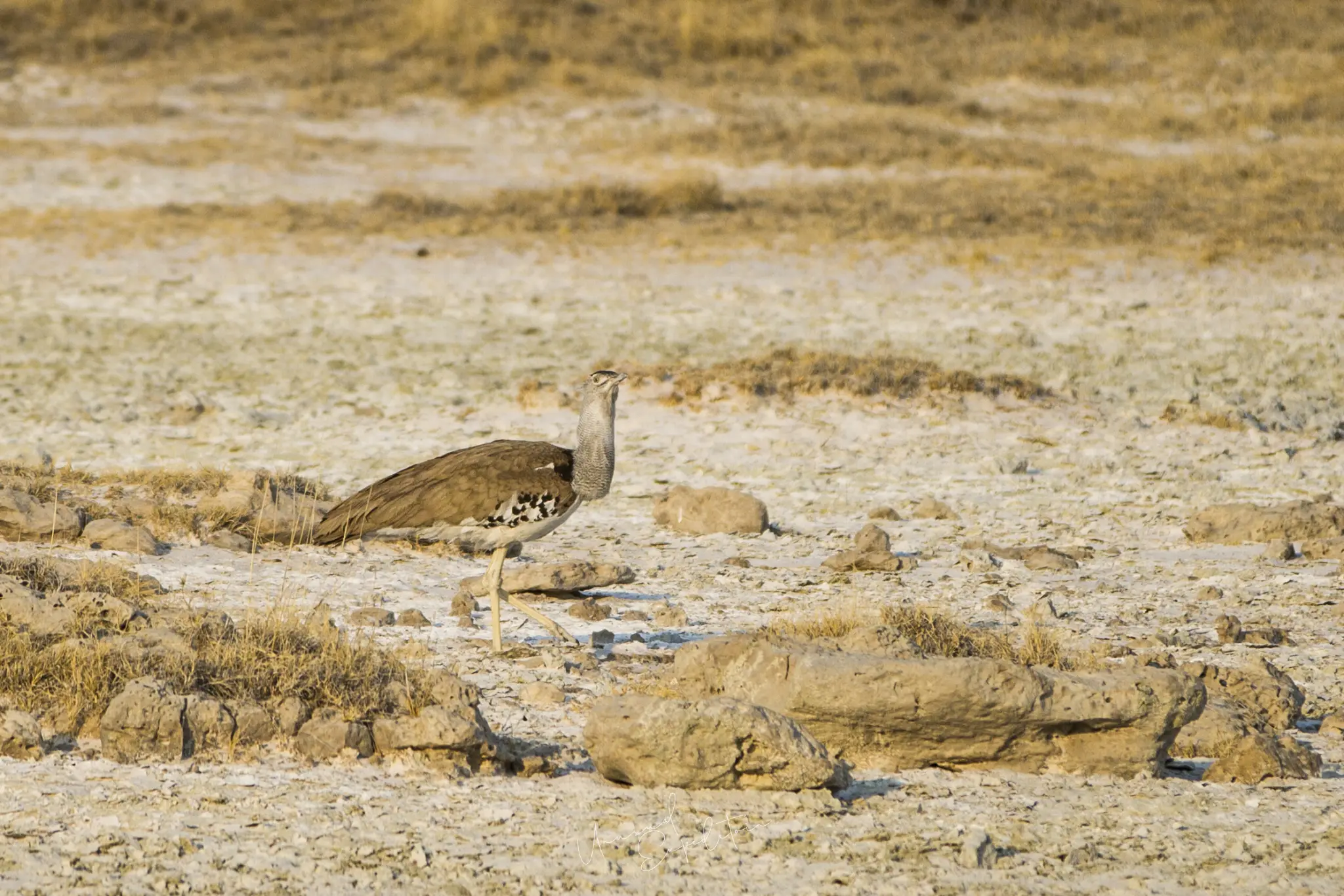
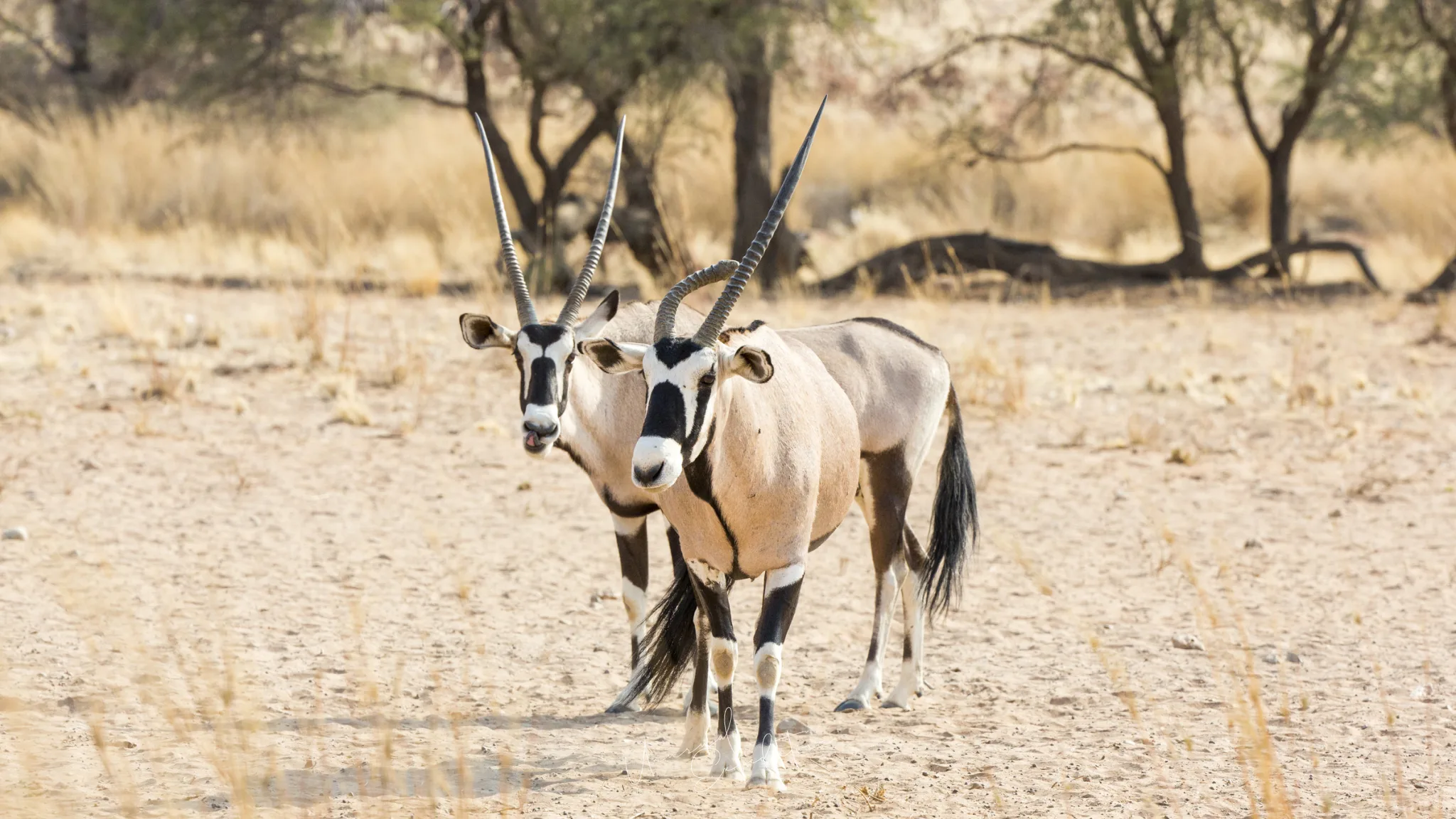
In Etosha you can expect elephants, zebra, oryx, springbok, impala, giraffe and, with luck, rhino and lion. On the plains there are gemsbok, as in the frame here, and birds such as the kori bustard, and on the coast there are seals, pelicans and flamingos. Wildlife is dangerous only when you leave the vehicle or approach too close. Stay inside, keep your distance and follow the staff.
Is travel insurance important for Namibia?
Yes. The UK Foreign Office notes that some insurance policies are not recognised by some Namibian hospitals, so check acceptance before you travel, and that adventure activities such as ballooning should be covered by your policy. Distances to medical care can be long in remote areas, so cover that includes evacuation is worth having. Ask your insurer for the details in writing.
How do you take a Namibia photography trip with us?
We run Namibia as a private trip on request, for individuals, families, couples and photographers. The pace and dates are yours, we arrange all the logistics to your needs, and the cost can be lower than a group tour because no tour leader travels. A photographer or photography coaching can be added at extra cost. Ask at least two months ahead; last-minute can be arranged. See private tours and the Namibia photography tours page.
Namibia photography tours
The next Namibia departure is announced on the Namibia photography tours page, with previous expeditions and all the planning guides.
Explore Namibia in depth
- Namibia Photography Tour: Dunes, Deadvlei, Etosha and the CoastNamibia
- Namib Desert Photography: Camelthorn Trees, Gemsbok and Sunset PlainsNamibia
- How to Plan a Photography Trip to Namibia: Self Drive or GuidedNamibia
- Best Time to Visit Namibia for Photography, Month by MonthNamibia
Upcoming Photo Tours
- Egypt Photo Tour – EgyptEgypt 12 Dec 2026 To 20 Dec 2026
- Inner Mongolia Winter Owl Photo Tour – ChinaChina 01 Jan 2027 To 04 Jan 2027
- Inner Mongolia Winter Photo Tour – ChinaChina 05 Jan 2027 To 11 Jan 2027
- Mekong And Central Highland Vietnam Photo Tour - VietnamVietnam 16 Jan 2027 To 24 Jan 2027