
How to Plan a Photography Trip to Namibia: Self Drive or Guided
How to plan a Namibia photography trip: self drive or guided, how long, which regions, gear, money and what to book early.
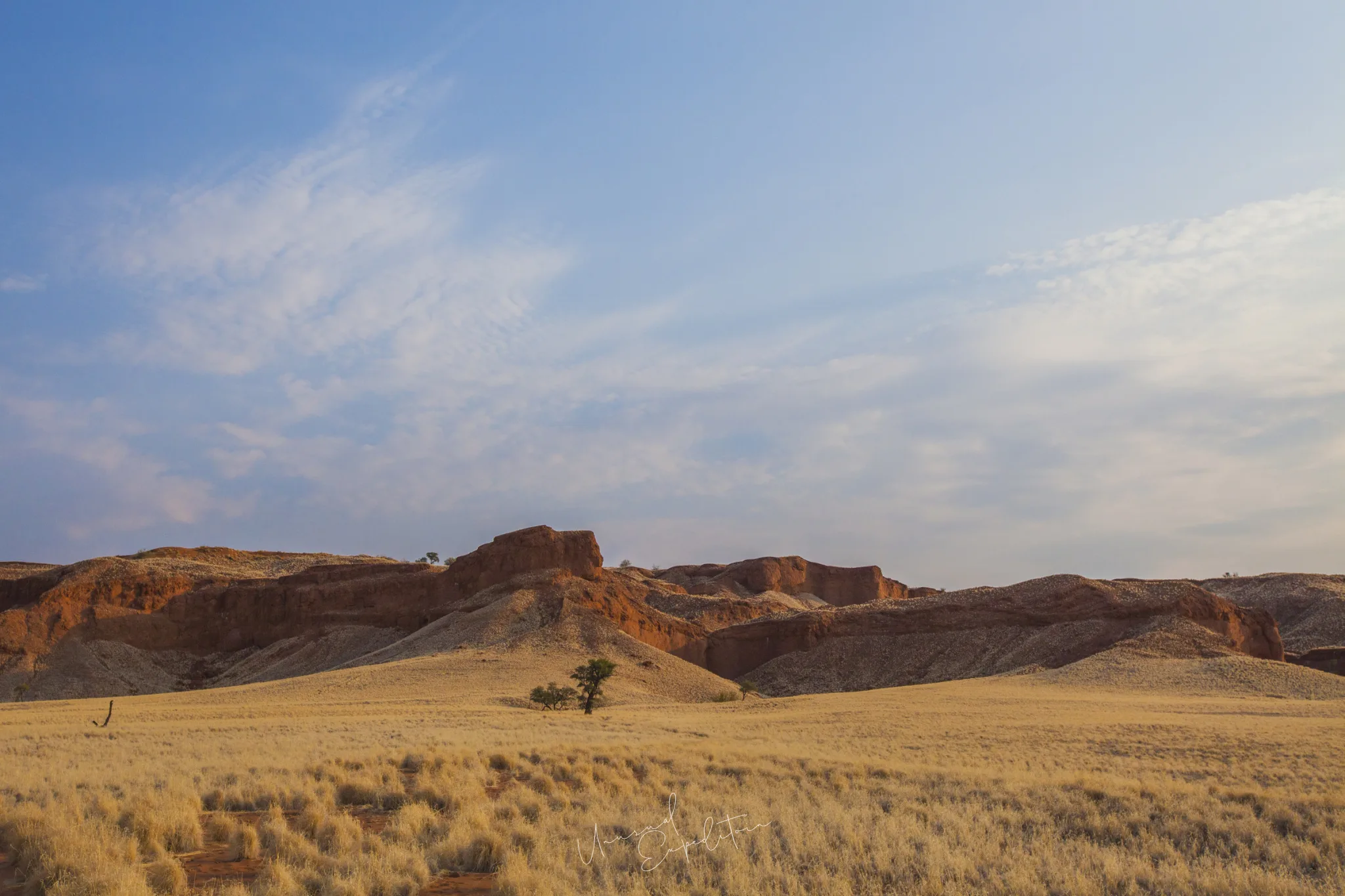
To plan a photography trip to Namibia, decide three things first: self drive or guided, how many regions you want, and which season suits your subjects. The country is large and the best light is at the ends of the day, so the plan is about pace. Fewer places and more time in each beat a long list of stops, and the dry season, roughly May to October, is the usual choice.
This article belongs to our Namibia photography tour guide. The questions about safety, visas and kit are in the Namibia photography trip FAQ, and the seasons in the best time to photograph Namibia.
Namibia self drive or guided?
Self drive suits a confident driver who wants freedom to stop where the light is good. Namibia drives on the left, and the roads between the big sites are long, with gravel that needs care. A guided or driven trip frees you to shoot from the window, and it removes the navigation, the fuel planning and the driving at the end of a long shoot. Many photographers find that having someone else drive is the better use of their energy, especially on the long gravel days.
How do you travel to Namibia?
Most international visitors arrive at Windhoek, the capital, and travel on by road or on a short domestic flight. Connections usually run through a regional, Gulf or European hub, so check current schedules and allow a margin for delays. Singapore passport holders are exempt from a visa for up to 90 days according to the Singapore Ministry of Foreign Affairs, with at least six months' validity and three blank pages, but check the official source before you travel.
Which regions should you include?
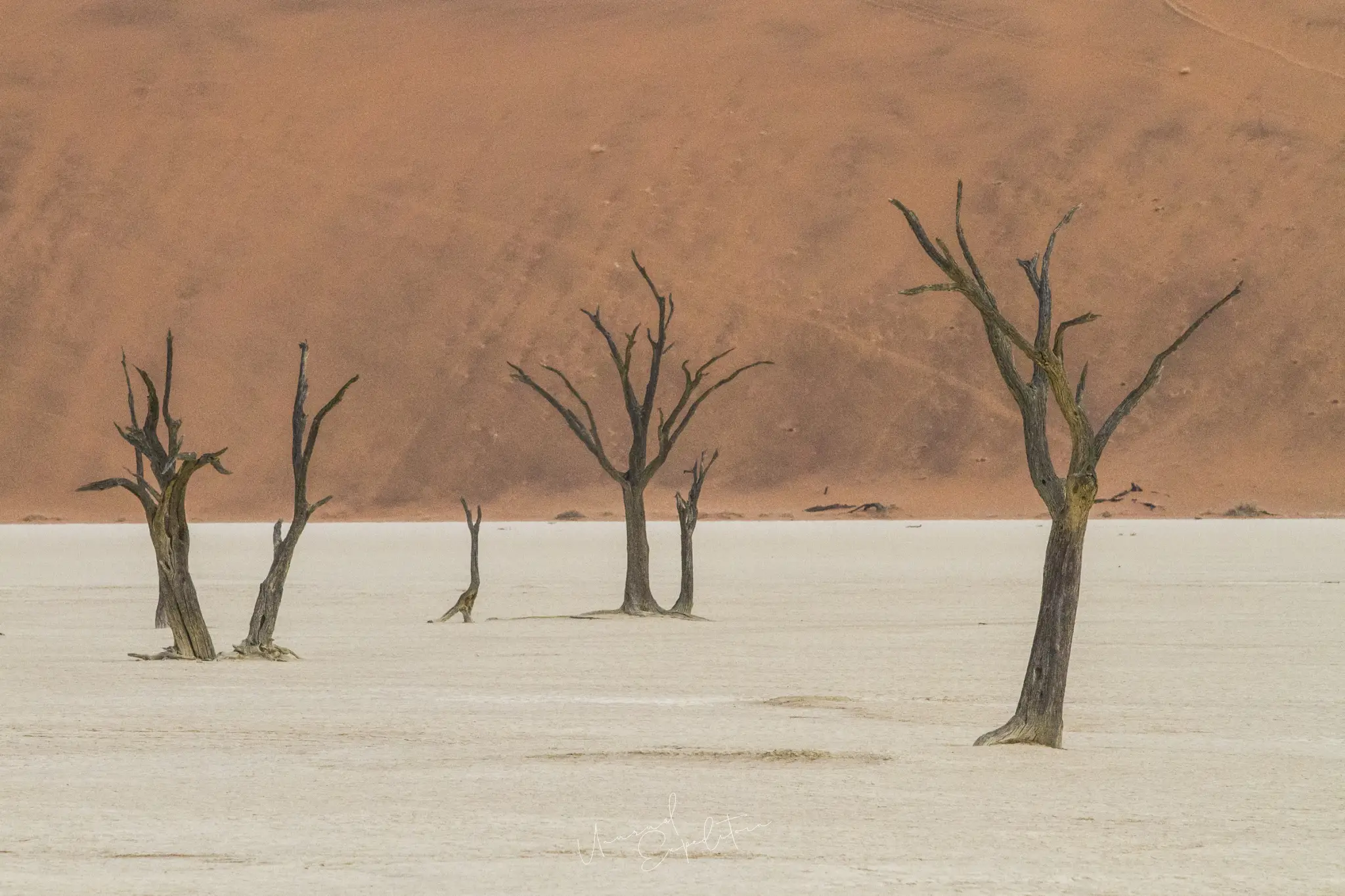
Each of the main regions offers a different picture, and you will not fit all of them well into one trip. The dunes and pans of Sossusvlei give graphic desert work and the dead trees of Deadvlei, as set out in the Sossusvlei photography tour guide.
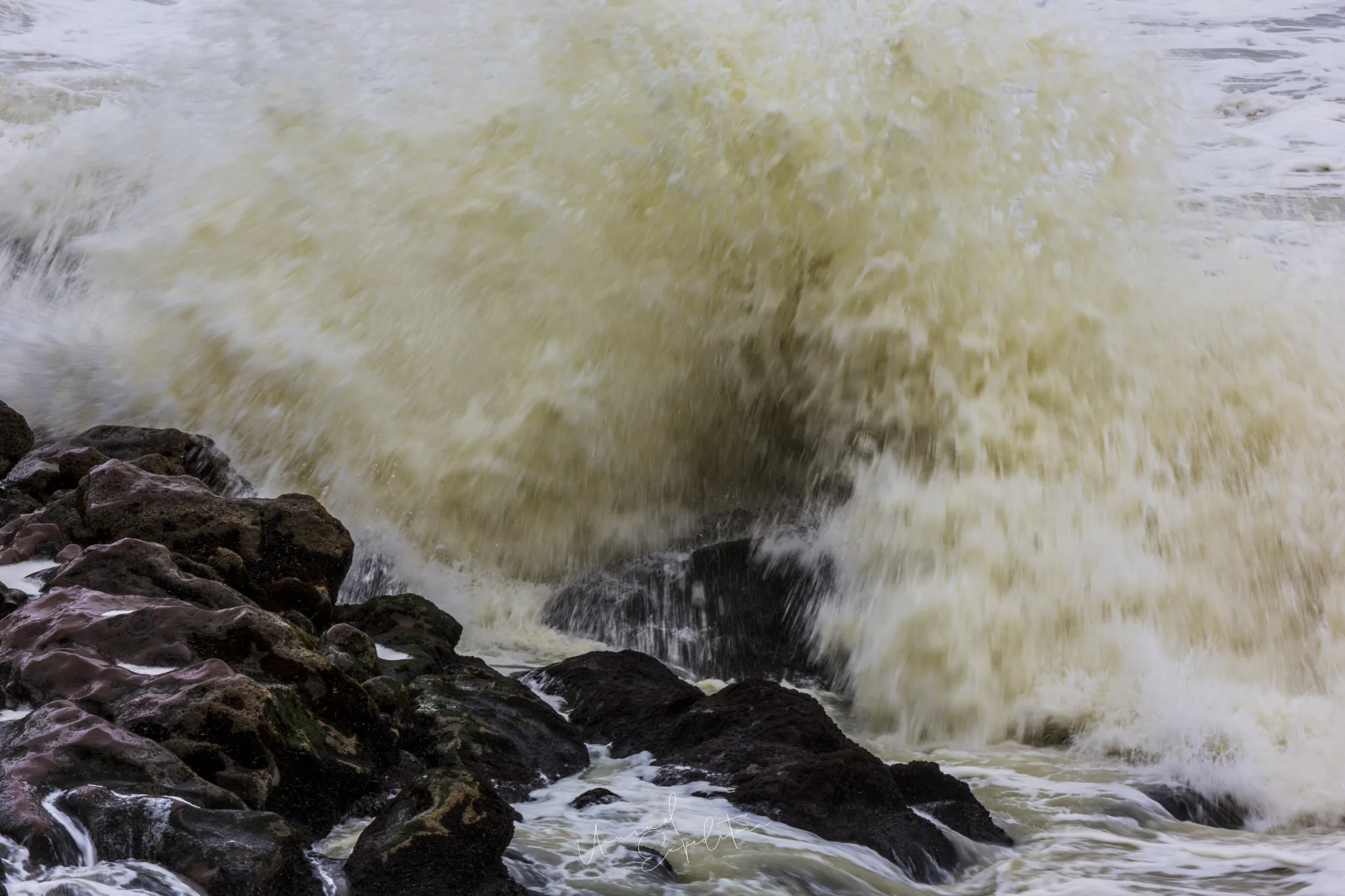
The coast gives seals, wrecks and flamingos in cool, foggy light, covered in the Skeleton Coast photography tour guide, and Etosha gives wildlife at the waterholes in the Etosha photography tour guide.
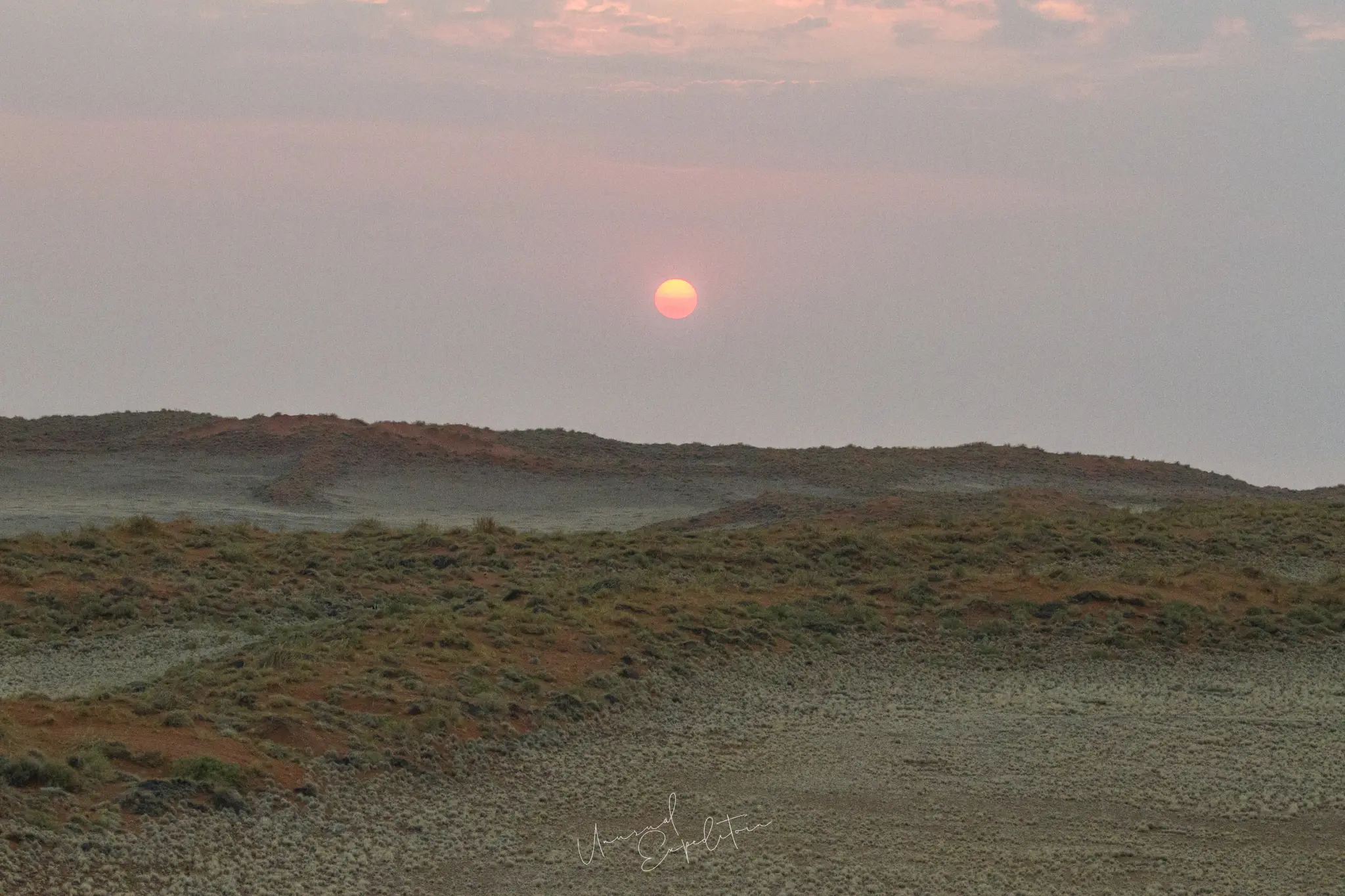
The plains between them, with their camelthorn trees and long red sunsets, are in Namib Desert photography. Choose the two or three regions that suit your interests, and give each time to wait for the light.
How much time do you need?
Allow more than you think. Distances are long, the best light is short and a day lost to driving cannot be used for shooting. A trip that includes all the main regions needs a longer stay than one that focuses on the dunes and Etosha, and a trip that spreads across four regions leaves little time for any. We would rather give two regions enough days to wait for light than four regions a morning each. We do not publish a day-by-day plan, because the right sequence depends on the season and the light. Build in a spare morning for weather, a late start after a dawn shoot and time to back up your files, and you will find the trip feels slower and the pictures better.
What should you book early?
Lodges and camps close to Sossusvlei and inside or beside Etosha are limited, and the best ones fill in the dry season, so book early. Vehicles, particularly 4x4s, also need to be reserved ahead. Check the park rules for access, since reports in 2026 describe changing arrangements for the last stretch to the Sossusvlei pans. Namibia Wildlife Resorts is the source for rest-camp bookings in the parks, and fees are set by the authorities, so check the official source before you travel.
The mistake I see most is too many places. Namibia rewards staying put. Give a place a second sunrise and you will get a better picture than you did on the first.
Joseph Mak, tour leader, Unusual Expedition
How do you choose the season for your subjects?
Work backward from the picture you most want. Etosha waterholes are at their best late in the dry season, the dunes give their cleanest light in the cold dry months, and the Cape Cross seal colony is at its busiest in the breeding season of November and December, according to the Ministry of Environment, Forestry and Tourism. Where those wishes conflict, put the one you care about most first and accept a compromise on the others. The month-by-month table in best time to photograph Namibia helps you see the trade-offs.
What kit should you pack?
Two core lenses, a 24-70mm and a 70-200mm, with a 100-400mm if you will spend time at Etosha and Cape Cross. A sturdy tripod, a beanbag for vehicle windows, spare batteries and cards, a blower and lens cloths for the dust, and rain and spray protection for the coast. Pack in layers for cold mornings and hot days. Keep your camera bag zipped on gravel roads, and carry a second bag or cover for the dust.
How do you stay safe and healthy?
The UK Foreign Office advises avoiding driving outside towns at night because of wildlife and livestock, and notes street crime mainly in Windhoek, so plan arrivals in daylight. Carry water, sun protection and a first-aid kit, and check that your travel insurance covers medical care, evacuation and any adventure activity. Remote areas have limited mobile coverage, so tell someone your route. Our trips are planned with these points built in.
Plan a Namibia trip with us
We run Namibia as a private trip on request, for individuals, families, couples and photographers. The pace and dates are yours, we arrange all the logistics to your needs, and the cost can be lower than a group tour because no tour leader travels. A photographer or photography coaching can be added at extra cost. Ask at least two months ahead; last-minute can be arranged. See private tours and the Namibia photography tours page.
Namibia photography tours
The next Namibia departure is announced on the Namibia photography tours page, with previous expeditions and all the planning guides.
Explore Namibia in depth
- Namibia Photography Tour: Dunes, Deadvlei, Etosha and the CoastNamibia
- Namibia Photography Trip FAQ: Safety, Visa, Driving and KitNamibia
- Namib Desert Photography: Camelthorn Trees, Gemsbok and Sunset PlainsNamibia
- Best Time to Visit Namibia for Photography, Month by MonthNamibia
Upcoming Photo Tours
- Egypt Photo Tour – EgyptEgypt 12 Dec 2026 To 20 Dec 2026
- Inner Mongolia Winter Owl Photo Tour – ChinaChina 01 Jan 2027 To 04 Jan 2027
- Inner Mongolia Winter Photo Tour – ChinaChina 05 Jan 2027 To 11 Jan 2027
- Mekong And Central Highland Vietnam Photo Tour - VietnamVietnam 16 Jan 2027 To 24 Jan 2027