
North Iceland Photography Tour Guide: Godafoss, Hvitserkur, Myvatn, Arctic Henge and Horses
What to see in North Iceland as a photographer: Godafoss, Hvitserkur, Myvatn, the Arctic Henge, horses, seasons and roads.
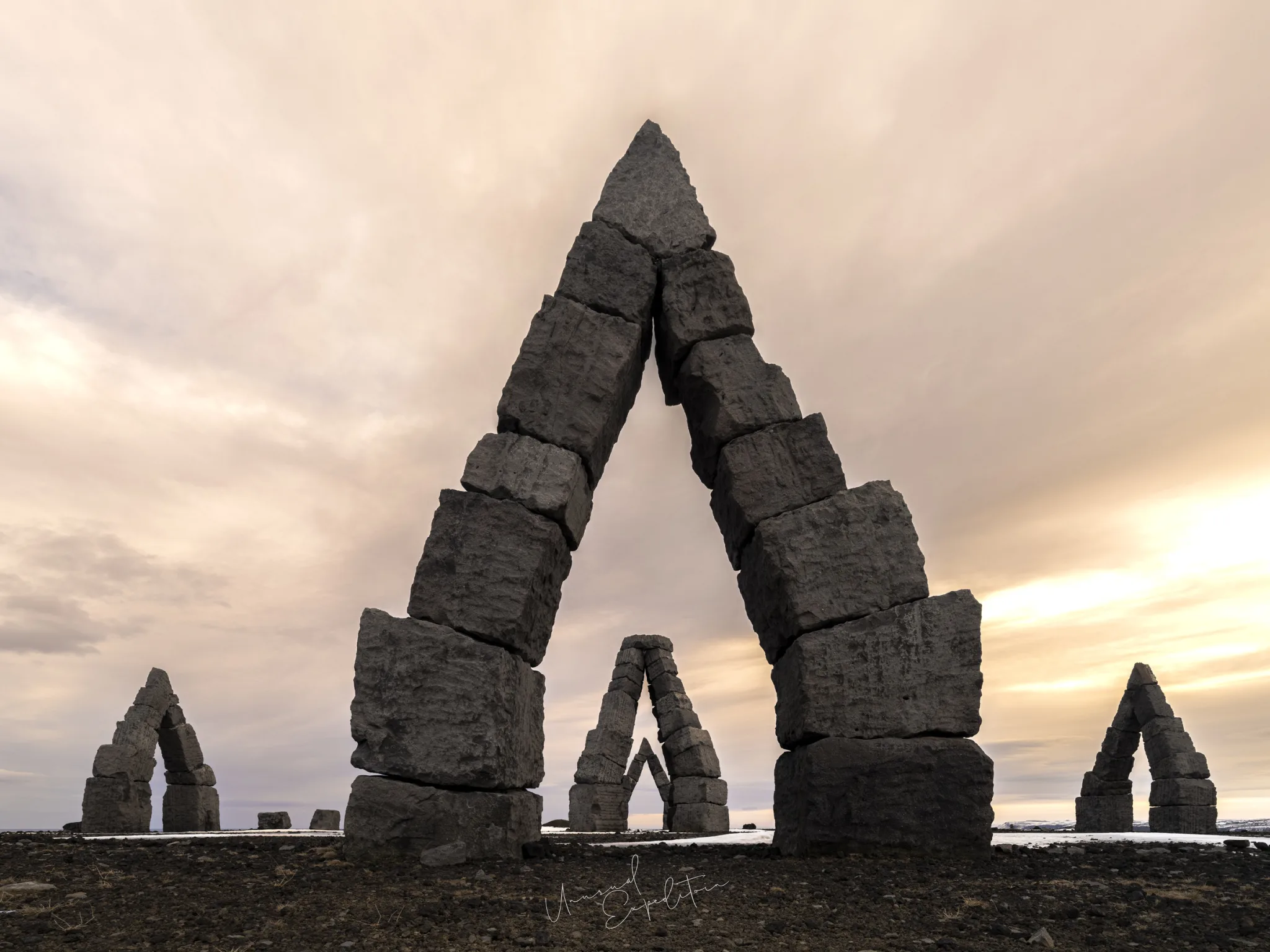
What to see in North Iceland, for a photographer, comes down to a handful of subjects spread along a long and quiet coast: Godafoss, the horseshoe waterfall between Akureyri and Lake Myvatn; Hvitserkur, the troll-shaped sea stack on the Vatnsnes peninsula; the geothermal and lava country around Myvatn; the Arctic Henge at Raufarhofn near the Arctic Circle; and the horses of the northern valleys. Add long winter nights for the aurora and the north becomes the calmer half of an Iceland trip.
North Iceland is one area in our Iceland photography tour guide, which covers entry, money and flights from Singapore once for the whole country. The photographs in this guide are our own, taken on our winter and autumn trips through the north; we hold the rights to them, and the notes come from knowing these places first hand.
What to see in North Iceland: the main subjects
North Iceland is bigger and emptier than the south coast, and the subjects are further apart. Godafoss sits right beside the Ring Road east of Akureyri. Lake Myvatn, further east, is the centre of the volcanic north, with steaming vents, lava formations and pseudocraters. Hvitserkur lies off the Ring Road to the west, on the shore of the Vatnsnes peninsula. The Arctic Henge is out on the far north-east coast at Raufarhofn. Between them are farm valleys, turf buildings, frozen marshes in winter and horses almost everywhere. Akureyri, the largest town of the north, is the natural hub. Our guide to North Iceland in winter covers how the region changes in the cold months.
Godafoss, the waterfall of the gods
Godafoss is about 12 metres high and 30 metres wide on the Skjalfandafljot river, a curved curtain of water that pours into a turquoise pool. The Environment Agency of Iceland protected it as a natural monument in 2020. The usual story is that the lawspeaker Thorgeir threw his statues of the old gods into the falls after Iceland accepted Christianity around the year 1000, though historians note that the link between the story and the name was written down much later. Our Godafoss waterfall Iceland guide compares the two banks and the seasons.
Hvitserkur sea stack
Hvitserkur is a 15-metre basalt stack standing in the shallows off the east shore of Vatnsnes, shaped like a beast drinking from the sea. Local legend says it is a troll caught by the sunrise and turned to stone. At low tide you can walk the beach below the viewpoint and frame it against the open bay. Our Hvitserkur Iceland guide covers the tides, the viewpoint and the road.
The volcanic north around Myvatn
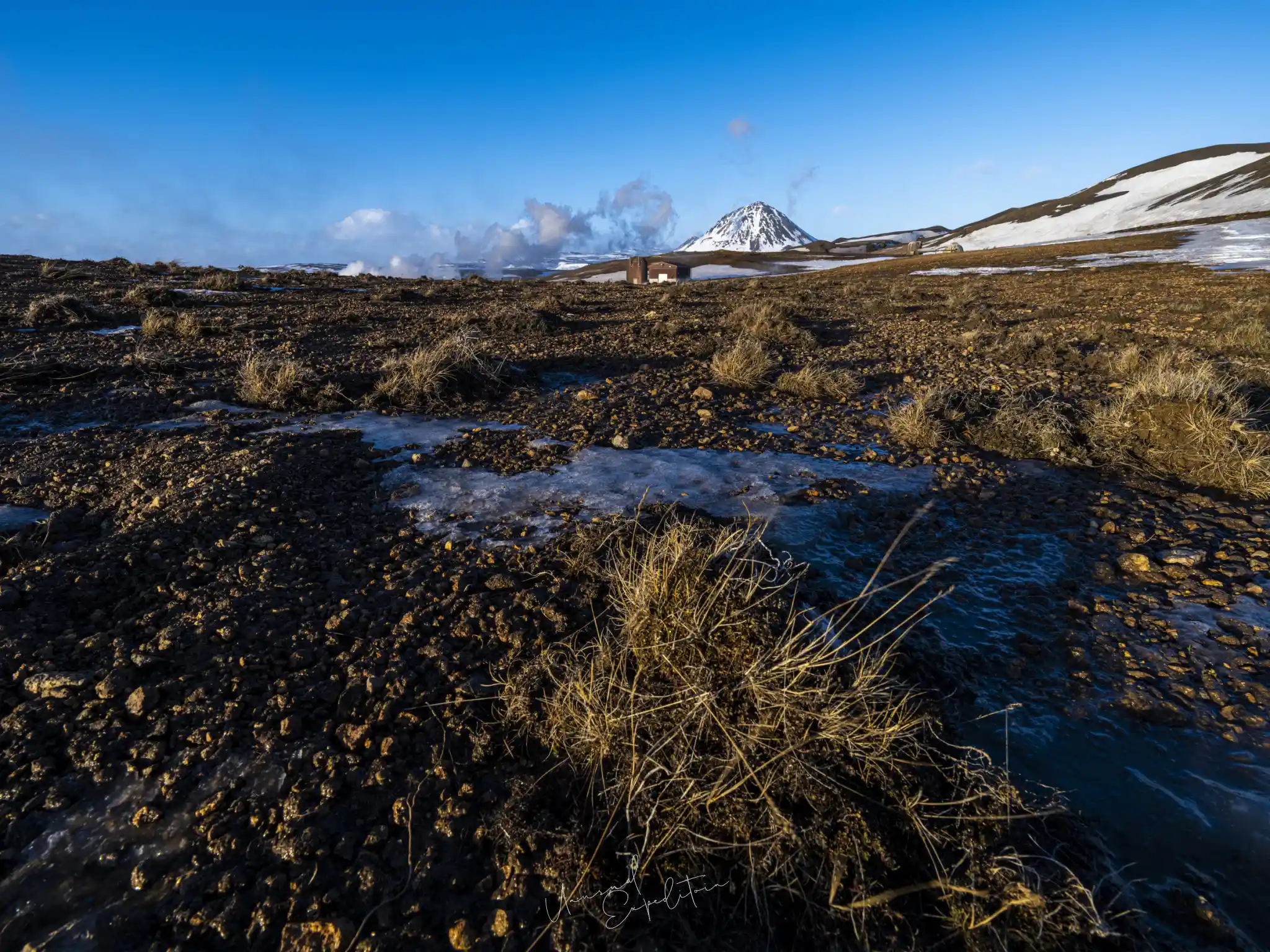
East of Godafoss the land turns volcanic. Around Lake Myvatn are the geothermal field of Hverir with its mud pots and steam vents, the Krafla volcanic area, the lava pillars of Dimmuborgir and the pseudocraters on the lake shore. In winter the steam hangs low over snow and black lava, and the colours of the ground soften. It is a place for wide frames with steam and for close details of mineral colours, and for keeping a careful distance from boiling ground: stay on marked paths.
The Arctic Henge and the north-east coast
At Raufarhofn, one of the northernmost villages in Iceland, a ring of stone gates called the Arctic Henge stands on a low hill above the sea. Visit North Iceland describes it as a monument inspired by Norse mythology and the Arctic light, built around the dwarves named in the poem Voluspa, and it is still unfinished. It makes a striking frame at any time of day, and if you look through one gate, the others line up beyond it.
Icelandic horses
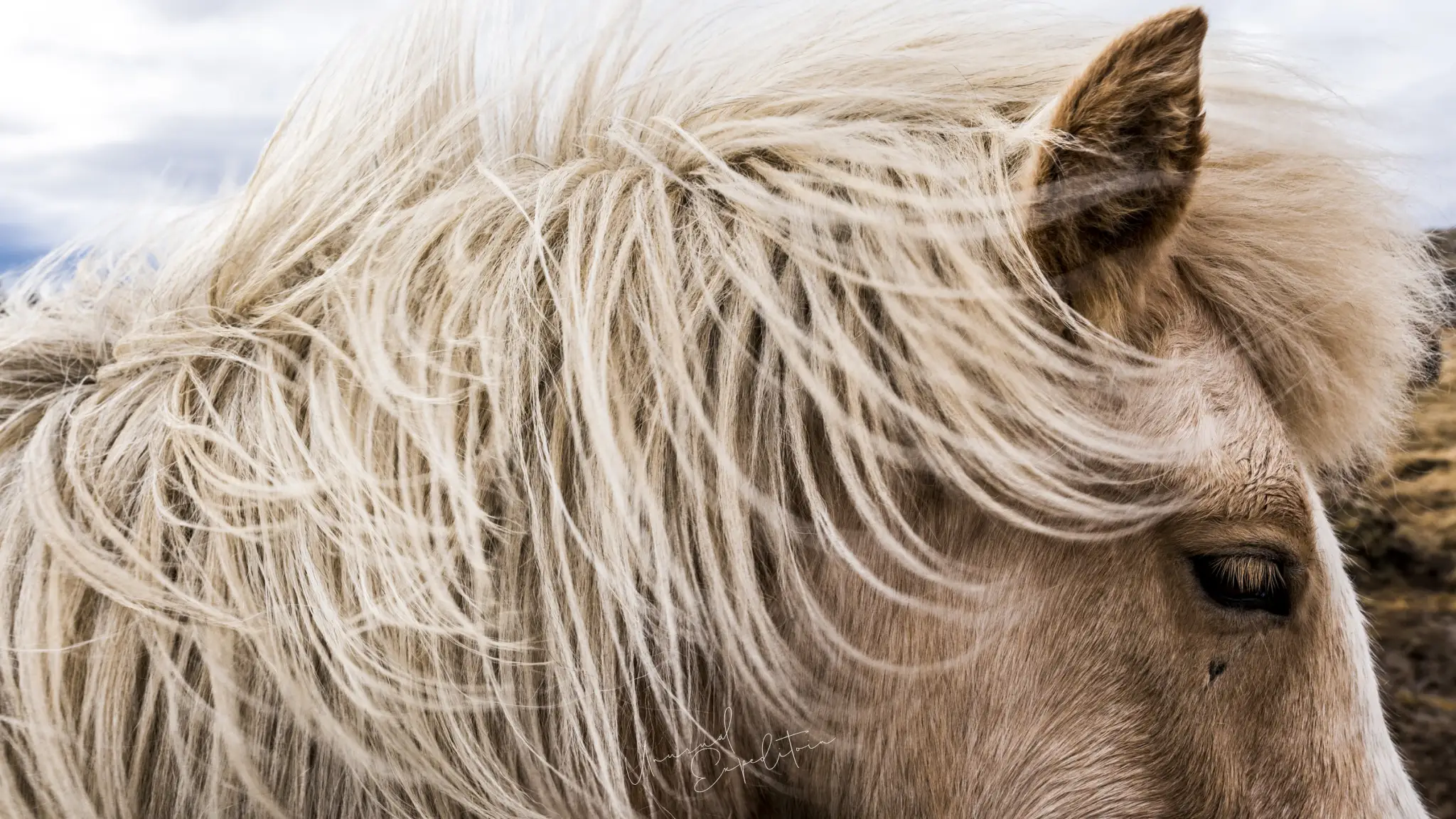
The north is horse country, and Skagafjordur in particular is known for breeding. Herds stand by the fences along the Ring Road in every season, in thick coats and long manes in winter. Our Icelandic horses photos guide covers the breed, its gaits and how to photograph horses without disturbing them or their owners.
The north asks for more driving and gives you more quiet. At Godafoss in winter we have had the falls nearly to ourselves, which never happens on the south coast.
Joseph Mak, tour leader, Unusual Expedition
North Iceland through the seasons
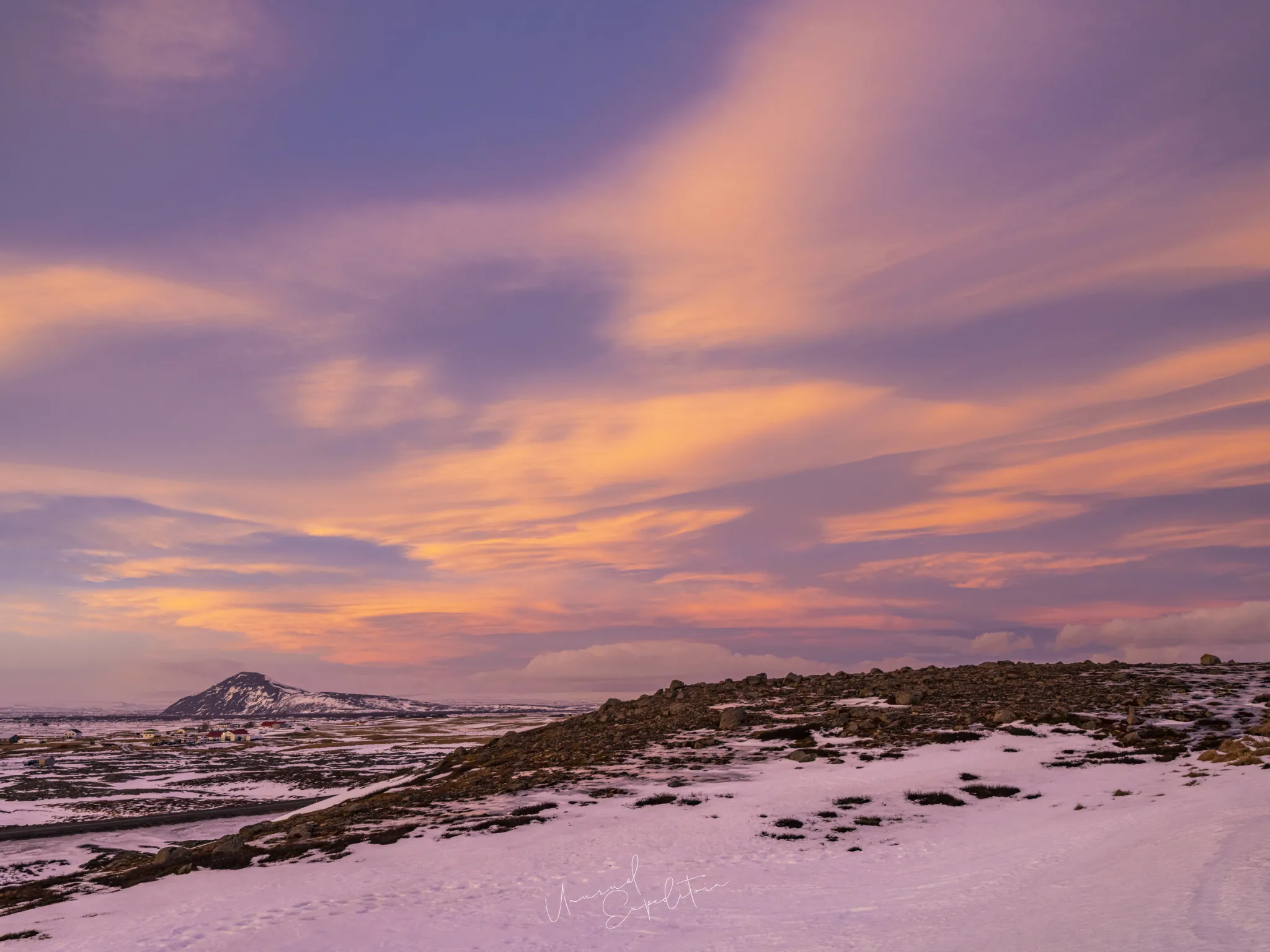
Winter brings snow, frozen waterfalls, short days and the best of the aurora; when cloud covers the south coast the north is sometimes clear, and the reverse, so having both regions in a trip improves your chances. Summer brings the midnight sun, which near the Arctic Circle hardly sets at all around the solstice, and green valleys full of birds. Our guide to North Iceland in winter covers the weather, the light and the roads in the cold months.
| Subject | Best season | Best light | Lens |
|---|---|---|---|
| Godafoss | All year, snow in winter | Low sun, overcast for long exposures | 16-35mm, 24-70mm |
| Hvitserkur | All year, low tide | Dawn, dusk | 16-35mm, 70-200mm |
| Myvatn geothermal areas | Winter for steam, summer for colour | Low sun, backlit steam | 16-35mm, 70-200mm |
| Arctic Henge | All year | Twilight, aurora | 16-35mm |
| Icelandic horses | All year | Side light | 24-70mm, 70-200mm |
| Northern lights | September to mid-April | Dark, clear nights | Fast wide lens |
Winter is the season that gives you most of this table at once, if the roads allow.
Getting around the north
Akureyri has the main airport of the north, with domestic flights from Reykjavik, and the Ring Road links the north to the rest of the country. Hvitserkur and the Arctic Henge are off the main road on gravel and coastal roads. In winter, check road.is, run by the Icelandic Road and Coastal Administration, and Safetravel.is every day, and allow for closures on the mountain passes. Far to the south-east, beyond the Eastfjords, lies Vestrahorn, covered in our Vestrahorn photography tour guide.
Explore North Iceland in depth
- Godafoss waterfall Iceland: east or west bank
- Hvitserkur Iceland: the troll sea stack
- Icelandic horses photos
- North Iceland in winter: weather, light and aurora
Photograph North Iceland with us
Our Iceland Midnight Sun Photo Tour crosses the north in summer, with a long session in the geothermal country around Myvatn, a stop at Godafoss and time in the horse valleys of Skagafjordur. The fare is indicatively S$15,500 to S$19,250 per person depending on the room; the current departure and rate are on our Iceland photography tours page. For winter in the north, with snow and the aurora, we arrange private tours on your dates.
Join the North Iceland photography tour
Iceland Midnight Sun Photo Tour departs 05 Jul 2027 To 18 Jul 2027, led by Joseph Mak. Small group, photography first. All North Iceland photography tours.
Explore North Iceland in depth
- North Iceland in Winter: Weather, Light, Akureyri and the Northern LightsIceland
- Icelandic Horses Photos: How to Photograph Iceland's Horses, Gaits and ColoursIceland
- Hvitserkur, Iceland: Photographing the Troll Sea Stack at Low Tide and DawnIceland
- Godafoss Waterfall, Iceland: East or West Bank, Winter Light and the LegendIceland
Upcoming Photo Tours
- Egypt Photo Tour – EgyptEgypt 12 Dec 2026 To 20 Dec 2026
- Inner Mongolia Winter Owl Photo Tour – ChinaChina 01 Jan 2027 To 04 Jan 2027
- Inner Mongolia Winter Photo Tour – ChinaChina 05 Jan 2027 To 11 Jan 2027
- Mekong And Central Highland Vietnam Photo Tour - VietnamVietnam 16 Jan 2027 To 24 Jan 2027