
Yamal Peninsula Weather: Winter Light and Cold for Photographers
Yamal Peninsula weather and climate for photographers: where Yamal is, winter temperatures, light on snow, camera care and clothing.
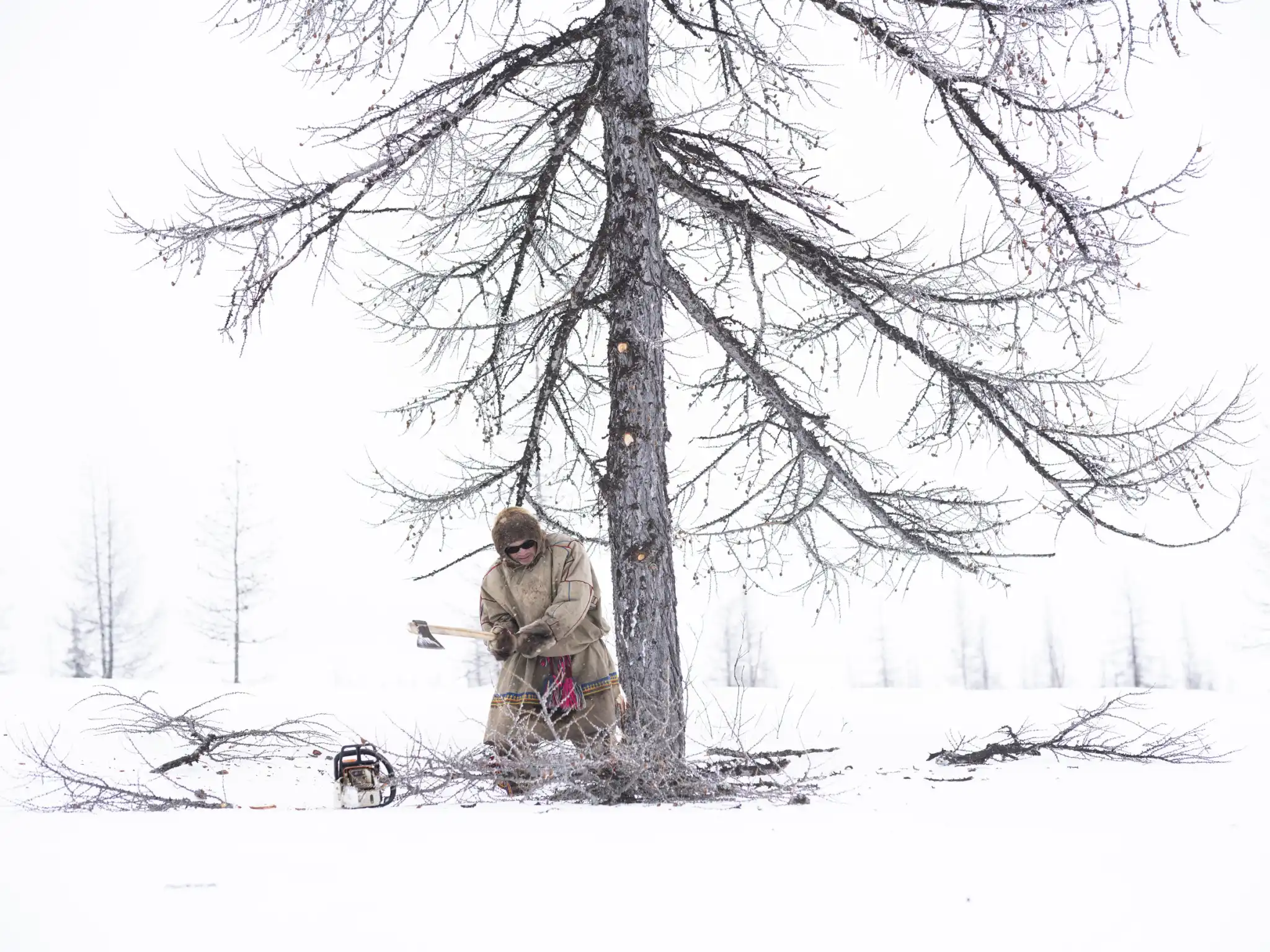
Yamal Peninsula weather in winter is long, deep cold with short days that lengthen quickly from February, frequent haze and whiteouts, and light that stays low and soft for much of the day. Late winter is our recommended season for the Nenets herders: clean snow, long days, herds near camp. Here is where the Yamal Peninsula is, what its climate means for you and your camera, and how to work in it, as part of our Nenets photography tour guide.
Where is the Yamal Peninsula?
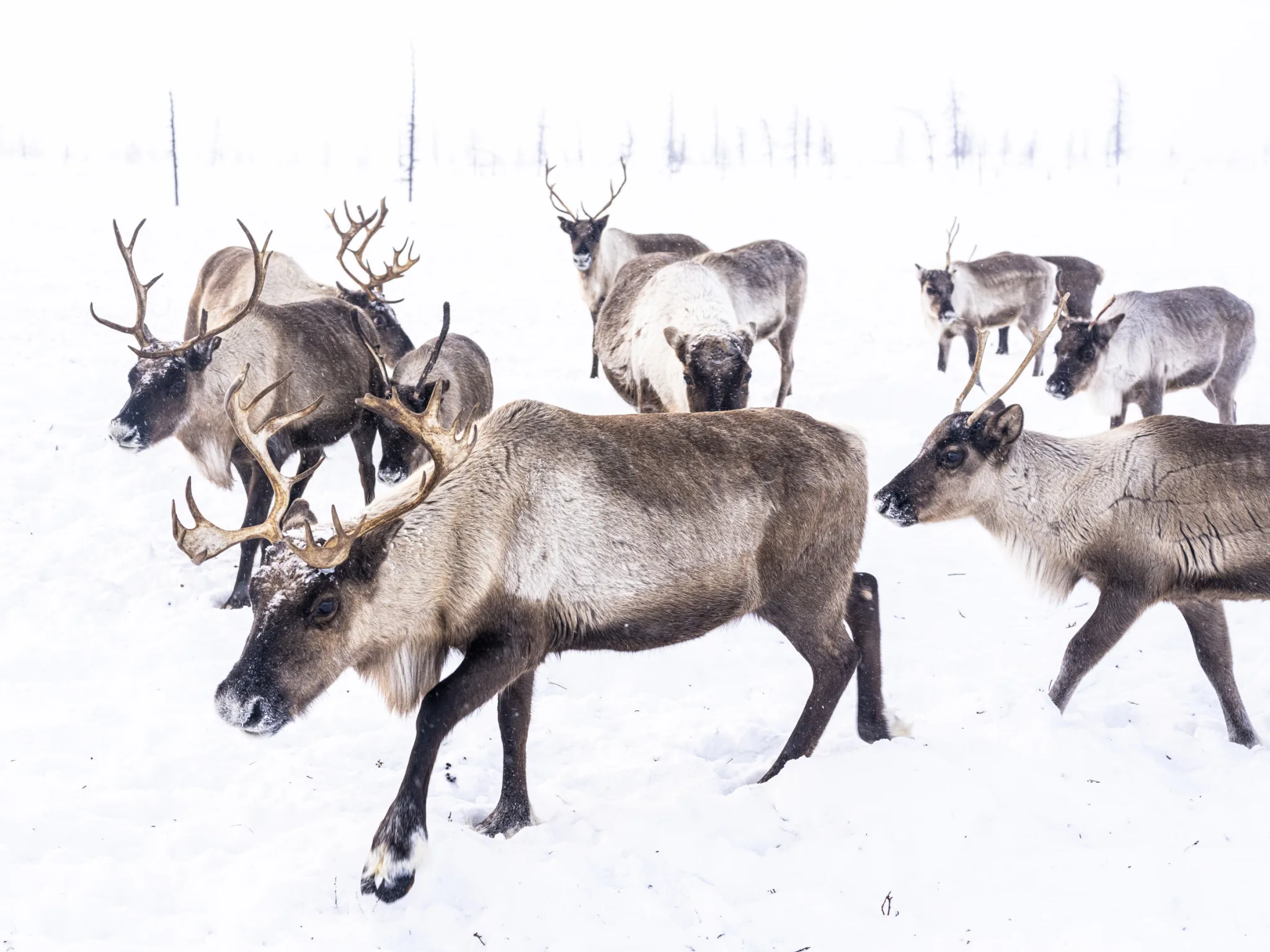
The Yamal Peninsula reaches north from northwest Siberia into the Kara Sea, about seven hundred kilometres of open tundra and lakes, east of the Ural Mountains and west of the Gulf of Ob. It lies in the Yamalo-Nenets Autonomous Okrug, whose capital, Salekhard, sits on the Arctic Circle at the southern end. In summer it is the main pasture of the Yamal herds; in winter most families move south into the forest-tundra, which is where our camp stood.
Is the Yamal Peninsula in the Arctic?
Yes. Almost all of the peninsula lies north of the Arctic Circle, with polar night in the far north in midwinter and the midnight sun in summer. The winter camps further south sit close to the Circle, so even in deep winter they get a short, low day, and by late winter the days are long.
Yamal Peninsula climate through the year
| Season | Conditions | For photographers |
|---|---|---|
| Deep winter | Short days, the coldest weather, polar night in the north | Very little light, hard on people and gear |
| Late winter | Cold, long and lengthening days, haze and clear spells | The season we recommend: herds near camp, long low light |
| Spring | Thaw begins, the migration north | Movement and drama, harder logistics |
| Summer | Midnight sun, mosquitoes, wet tundra | Herds on the Yamal tundra, hard access |
| Autumn | First snow, moving south | Short window, unsettled weather |
Late winter is a compromise in the photographer's favour: the cold is still serious, but the light has come back.
Yamal Peninsula temperature in late winter
For a sense of scale, published averages for Salekhard in March are around minus thirteen to minus fourteen degrees, with nights near minus twenty and cold snaps below minus thirty. Out on open snow with wind it feels much colder. Deep winter is colder again. Plan for minus thirty at the camp and be glad if it is warmer.
What the cold does to your camera
Batteries lose charge fast: carry several, keep them in an inside pocket and swap them often. Bring the camera into the chum in a sealed bag and let it warm slowly, or it will fog inside and out. Breath freezes on the viewfinder, so turn your head when you exhale. Touch metal with bare skin only for a moment. Zooms stiffen; primes cope better. Keep a lens cloth inside your jacket.
"The cold takes your batteries first and your patience second. I kept four batteries against my chest and swapped one in every half hour."
Joseph Mak, tour leader, Unusual Expedition
Winter light on the snow
In late winter the sun stays low all day, so the light is soft and directional from morning to afternoon, and haze often turns it into a glow behind the herd. Overcast days flatten the snow but are good for portraits and herd detail. Whiteouts remove the horizon entirely and give you pure graphic frames: a figure, a tree, a sledge. Add one to two stops of exposure on bright snow and check the histogram.
Dressing for minus thirty
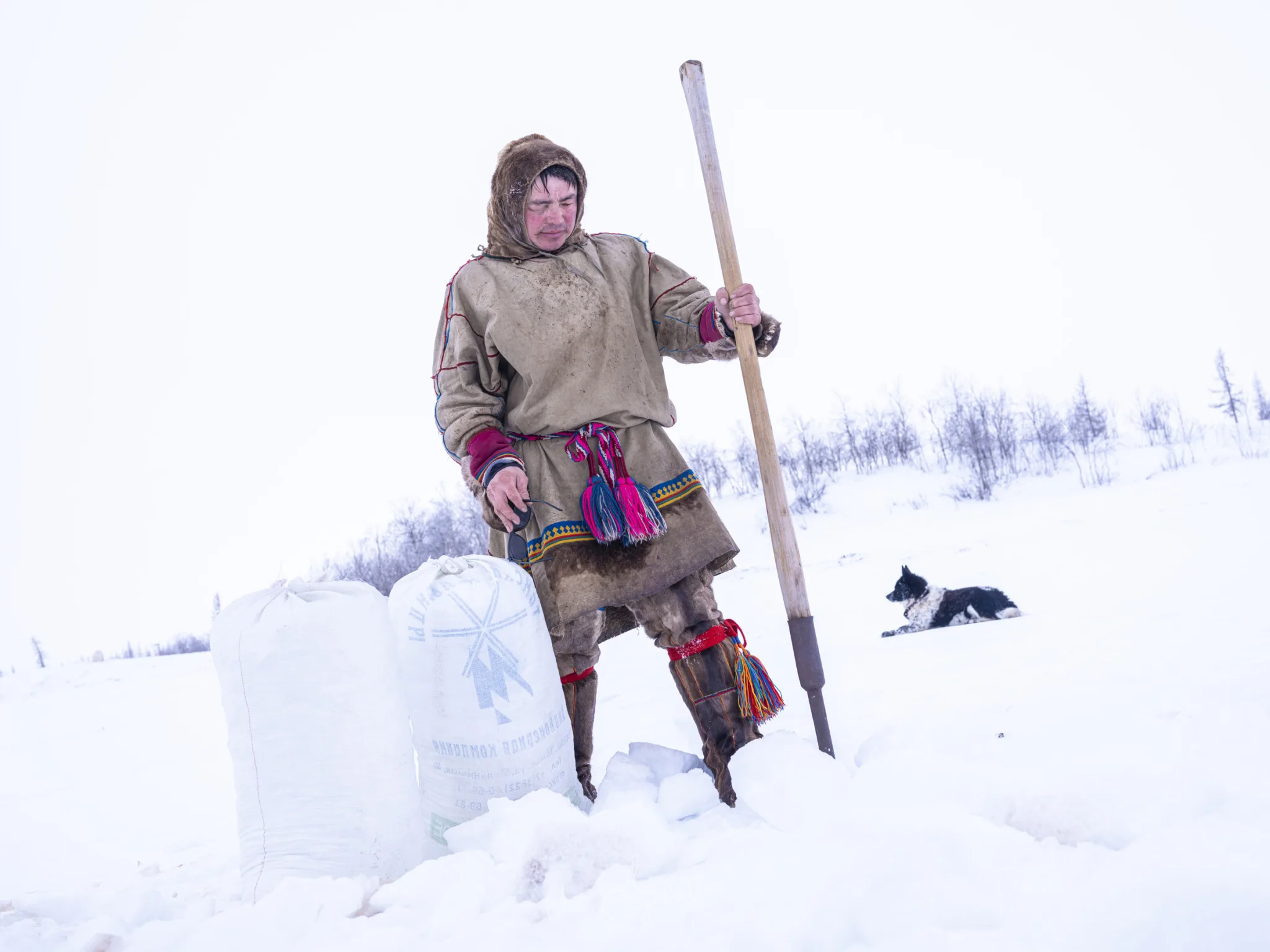
Dress in layers: thermal base, fleece, down, and a windproof outer shell or a lent reindeer coat. Boots rated far below minus thirty with a felt liner, mittens over thin liner gloves so you can work the camera, a face mask and goggles for wind. Inside the chum strip down to the fleece. The details of clothing in camp are in inside a Nenets chum.
Combining Yamal with the rest of Russia
A winter Nenets visit sits naturally with Lake Baikal's ice season, and the people you meet are introduced in who are the Nenets people. For the herd itself in this weather, see Nenets reindeer herding photography.
Daylight in late winter
Close to the Arctic Circle the light changes quickly in late winter. Each week adds a noticeable stretch of daylight, the sun climbs a little higher, and the blue hour after sunset becomes long enough to work through properly. Mornings are often hazy with ice crystals that catch the sun; afternoons can clear to a hard blue sky. You will rarely be short of light, but you will be short of warmth.
Whiteouts and wind
On open snow a light wind lifts drifting snow and a stronger one can remove the horizon altogether. In a whiteout, stay close to camp and to people who know the ground; distances become impossible to judge. For photographers a mild whiteout is a gift: figures, trees and sledges stand alone on white with no background at all. Protect the front element from blown snow with a hood and check it between frames.
Health in the cold
Frostbite starts on the cheeks, nose and fingertips, often without pain. Check each other's faces when you are out with the herd, cover exposed skin in wind, and go inside to warm up before your hands stop working, not after. Drink plenty of tea; cold air is very dry. Anyone with heart or circulation problems should talk to a doctor before a winter trip this far north.
Getting gear to camp
The last stretch to a herding camp is usually by snowmobile or sledge, so pack soft bags that can be strapped down, keep the camera in a padded bag inside your luggage, not a rigid case, and carry spare batteries and memory cards on your body. A small tripod, a lens hood, hand warmers and a dry bag for bringing cameras into the chum are worth their weight.
Plan a winter trip with us
We arrange late winter Nenets visits as small private trips; see our Russia photography tours page and tell us your dates.
Nenets photography tours
The next Nenets departure is announced on the Nenets photography tours page, with previous expeditions and all the planning guides.
Explore Nenets in depth
- Nenets Photography Tour: Visiting the Reindeer Herders of SiberiaRussia
- Who Are the Nenets People? The Reindeer Herders of SiberiaRussia
- Photographing Nenets People: Portraits, Consent and RespectRussia
- Nenets Reindeer Herding: Photographing the Herd, the Lasso and the SledgesRussia
- Inside a Nenets Chum: Camp Life, Clothing and FoodRussia
Upcoming Photo Tours
- Egypt Photo Tour – EgyptEgypt 12 Dec 2026 To 20 Dec 2026
- Inner Mongolia Winter Owl Photo Tour – ChinaChina 01 Jan 2027 To 04 Jan 2027
- Inner Mongolia Winter Photo Tour – ChinaChina 05 Jan 2027 To 11 Jan 2027
- Mekong And Central Highland Vietnam Photo Tour - VietnamVietnam 16 Jan 2027 To 24 Jan 2027