
Amman and Jerash Photography Tour Guide: the Citadel, the Roman Theatre and Jerash
Amman photography: the Citadel at sunset, the Roman Theatre at blue hour, downtown souqs and Jerash's Roman city. Our area guide.
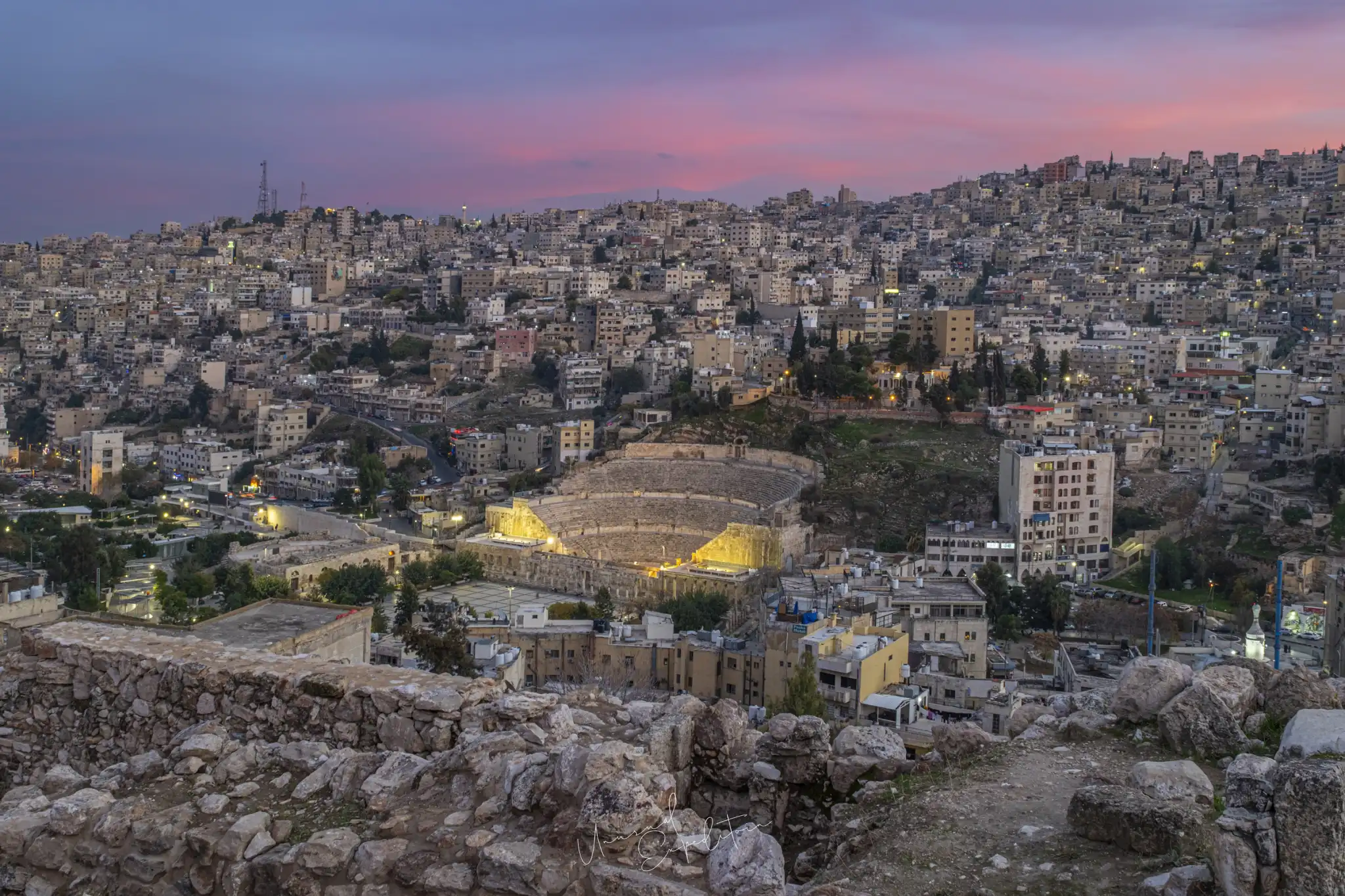
Amman photography is about a hill city with Roman bones: the Citadel and the Temple of Hercules above, the Roman Theatre lit at dusk below, and downtown souqs full of traders who are happy to talk. North of the capital, Jerash adds Hadrian's Arch, the Oval Plaza and a colonnaded street that glows in late sun. Together they make a compact area with strong sunset, blue hour and street pictures, and a natural start or end to any Jordan trip.
This is the area guide for Amman and Jerash within our Jordan photography tour guide, which covers entry, money, flights from Singapore and the current travel advice for the whole country. The photographs in this guide are our own, taken on our trips here; we hold the rights to them, and the notes come from knowing these places first hand.
Is Amman worth visiting for photography?
Amman is worth visiting for photography for at least two evenings, and most people give it less than that. Visitors land, sleep and drive south to Petra, which misses what the capital does best: light. The city is built over steep hills of pale limestone houses, so at sunset the slopes turn pink and gold and then, at blue hour, fill with thousands of small lights. From the Citadel you look straight down on the Roman Theatre as its floodlights come on. In the morning the downtown market streets are busy and friendly, with fruit stalls, nut roasters and coffee sellers. Amman also works as a base: Jerash lies to the north, the Dead Sea to the south west, and Madaba with its mosaics on the road between. Our Amman photos article shows what the city looks like through the day.
Amman jordan photos: the places that matter
Amman jordan photos come from four places, all within a small part of the old city. The Amman Citadel sits on the highest hill, with the columns of the Temple of Hercules, the fragments of a giant hand and the domed hall of the Umayyad Palace; it is the sunset viewpoint. Below it, the Roman Theatre in Amman is a second century auditorium cut into the hillside, best from above at blue hour and from its own top rows in soft morning light. Around the theatre spreads downtown Amman, the Al-Balad of souqs, sweet shops and street traders. The fourth place is the view itself: the city's hills, layered with houses, from any high rooftop or lookout.
| Place | What you photograph | Best light |
|---|---|---|
| Amman Citadel | Temple of Hercules, Hand of Hercules, city panorama | Late afternoon to sunset |
| Roman Theatre | The auditorium from above, the seating close up | Blue hour from above, morning inside |
| Downtown Amman | Souq traders, street life, night street scenes | Morning and after dark |
| Jerash | Hadrian's Arch, Oval Plaza, Cardo, theatres, pipers | Late afternoon to sunset |
Two evenings in Amman, one for the Citadel and one for the theatre, plus a long afternoon in Jerash covers the area well.
Jerash: the Roman city north of Amman
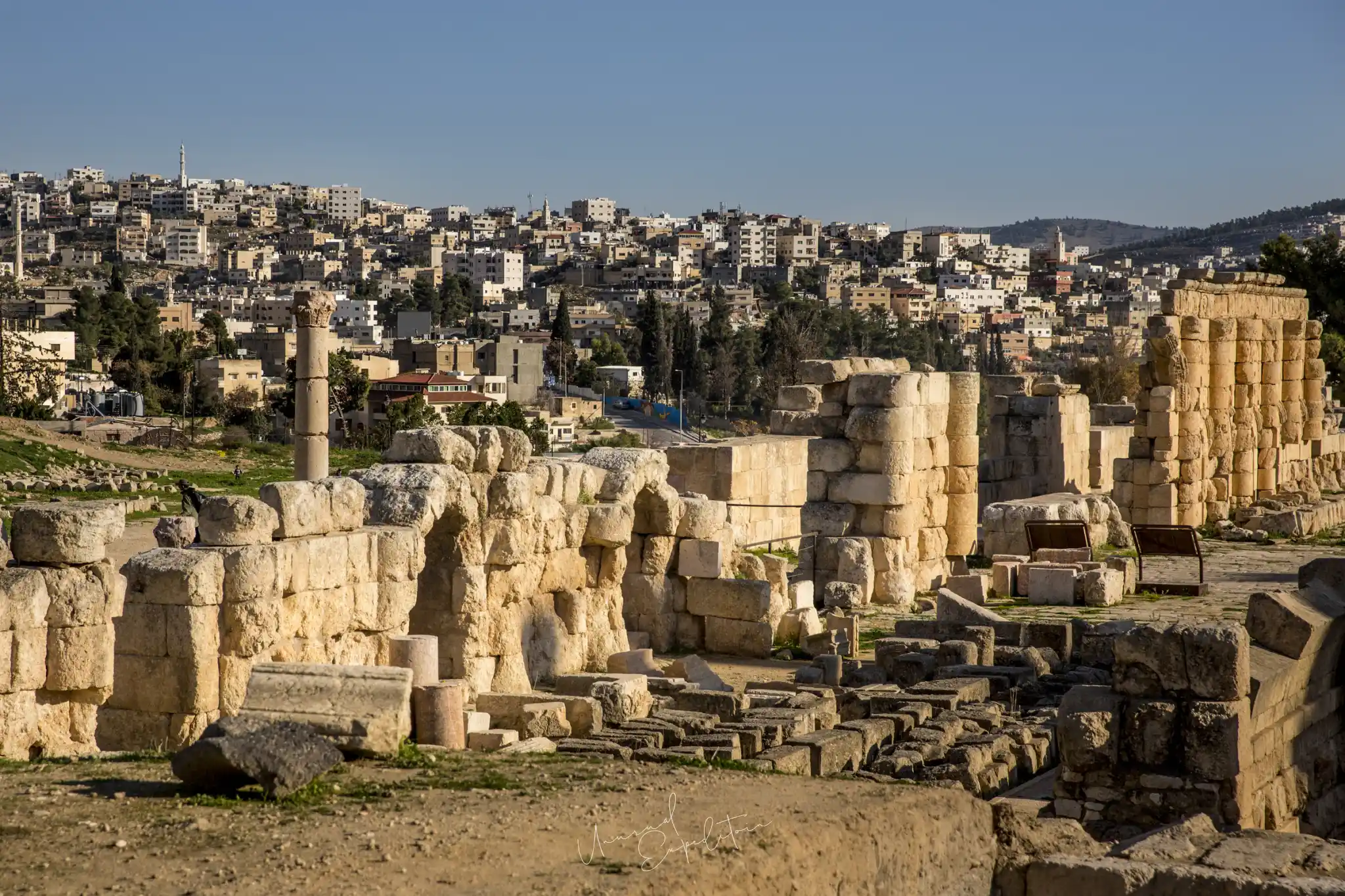
Jerash is the reason many photographers stay an extra day in Amman. Roman Gerasa, which the Jordan Tourism Board calls the city of a thousand columns, spreads across a valley with the modern town around it. You walk in through Hadrian's Arch, built for the emperor's visit in the winter of 129 to 130 CE, then reach the Oval Plaza, ringed by Ionic columns, and the Cardo, the colonnaded main street, which runs north between rows of standing columns. Two theatres survive, and pipers in Jordanian dress often play in the South Theatre. Our Jerash Roman ruins article covers what to photograph and where to stand, and the day trip to Jerash from Amman covers the practical side.
Best time for Amman and Jerash photography
The best time for Amman and Jerash photography is spring and autumn, when the hills are mild, the air is clear and the light stays warm for longer at both ends of the day. Spring adds green grass and wildflowers among the Jerash ruins. Winter is the quiet season: Lonely Planet notes that Jordan gets most of its rain in winter, and Amman, on its hills, can be cold and grey, but a clearing storm gives the cleanest sunsets of the year. Summer is hot and hazy, so work only the first and last hours. Our best time to visit Amman article has a month by month table.
"Most of our guests arrive thinking of Amman as the airport for Petra. Then they stand on the Citadel at sunset and watch the whole city light up below them, and they ask why we are not staying longer."
Joseph Mak, tour leader, Unusual Expedition
Photographing people in downtown Amman
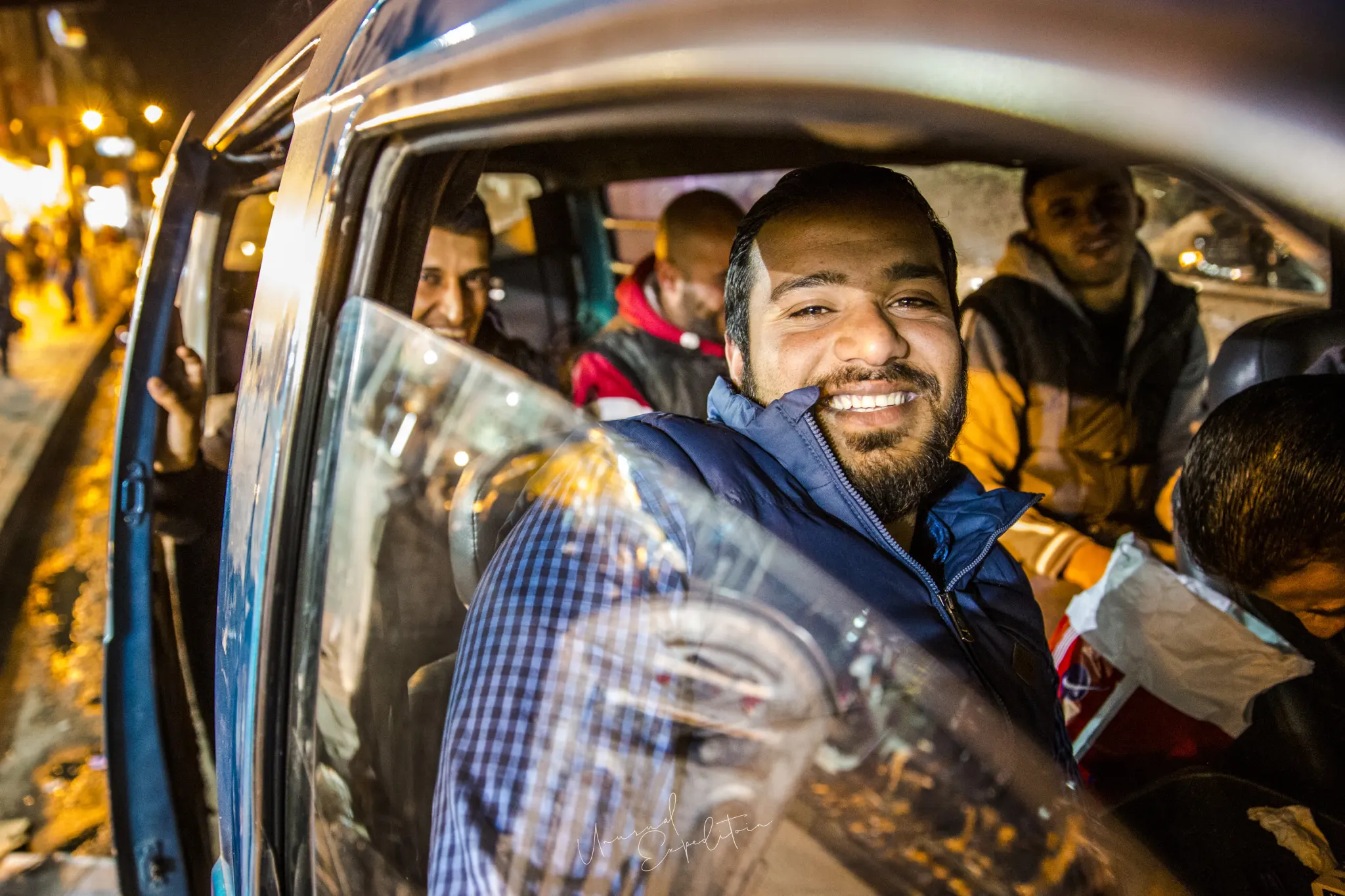
Downtown Amman is one of the easiest places in the Middle East to photograph people, because the traders are curious and proud of their stalls. Ask first, with a smile and a gesture to the camera; most say yes, many will pose, and some will hand you a coffee or a handful of nuts. Men are generally relaxed about portraits; with women, keep to wide street scenes unless a woman clearly invites a picture. Avoid photographing police, soldiers and government buildings. Carry a 24-70mm for stalls and a fast prime for the evening streets, where the shop lights do the work.
Madaba, Mount Nebo and the Dead Sea from Amman
South west of Amman the plateau drops to the Dead Sea. On the way sit Madaba, the town of mosaics, whose St George's Church holds the sixth century Madaba Map of the Holy Land, and Mount Nebo, where the Memorial Church of Moses looks over the Jordan Valley. We have photographed in Madaba but not yet on Mount Nebo, so neither has its own article here. The salt shore below is covered in our Dead Sea photography tour guide, and the Petra photography tour guide covers the main reason to drive south.
Amman photography gear: what to bring
Amman and Jerash need a light kit. A 16-35mm covers the Citadel columns, the theatre from above and the Jerash colonnades; a 24-70mm does most of the street work; a 70-200mm pulls the theatre and distant hills together from the Citadel and isolates details on the arch. Bring a travel tripod for blue hour over the city, and a small bag: the Citadel and downtown are on steep hills with many steps. Drones need prior approval in Jordan, so leave yours at home unless you have it; the Jordan pillar has the detail.
Safety and travel advice for Amman
Amman is a calm, everyday city to walk around, and we have always felt welcome in it. Read the official advice before you plan all the same: as at November 2026, Singapore's Ministry of Foreign Affairs still shows its March 2026 advisory to defer travel to the Middle East region. Our Jordan photography tour guide keeps the current position, and we check it again before every trip.
Explore Amman and Jerash in depth
- Amman photos: what the city looks like
- Best time to visit Amman
- Amman Citadel
- Roman Theatre in Amman
- Downtown Amman
- Jerash Roman ruins
- Day trip to Jerash from Amman
Photograph Amman and Jerash with us
We have no scheduled Jordan departure at present, so we run Amman and Jerash as a private trip on request, for individuals, couples, families and photographers who want their own pace. We arrange all the logistics, the cost can be lower than a group tour because no tour leader travels, and photography coaching can be added at extra cost. Ask at least two months ahead if you can, though last-minute trips can be arranged. See private tours and the Jordan photography tours page for the destination guides and any new departure.
Amman and Jerash photography tours
The next Amman and Jerash departure is announced on the Amman and Jerash photography tours page, with previous expeditions and all the planning guides.
Explore Amman and Jerash in depth
- Roman Theatre Amman: Photographing It by Day and at Blue HourJordan
- Jerash Roman Ruins: What to Photograph and Where to StandJordan
- Downtown Amman: Souqs, Street Portraits and the Streets at NightJordan
- Day Trip to Jerash from Amman: Getting There and Timing the LightJordan
- Best Time to Visit Amman, Jordan, for Photography: Weather by MonthJordan
- Amman Photos: What the City Really Looks Like, Day and NightJordan
- Amman Citadel: Temple of Hercules, the Hand and the Sunset ViewJordan
Upcoming Photo Tours
- Egypt Photo Tour – EgyptEgypt 12 Dec 2026 To 20 Dec 2026
- Inner Mongolia Winter Owl Photo Tour – ChinaChina 01 Jan 2027 To 04 Jan 2027
- Inner Mongolia Winter Photo Tour – ChinaChina 05 Jan 2027 To 11 Jan 2027
- Mekong And Central Highland Vietnam Photo Tour - VietnamVietnam 16 Jan 2027 To 24 Jan 2027