
Best Time to Visit Kenya for Safari Photography, Month by Month
Best time to visit Kenya for safari photography: the dry seasons, the migration, flamingo season and Kenya weather by month.
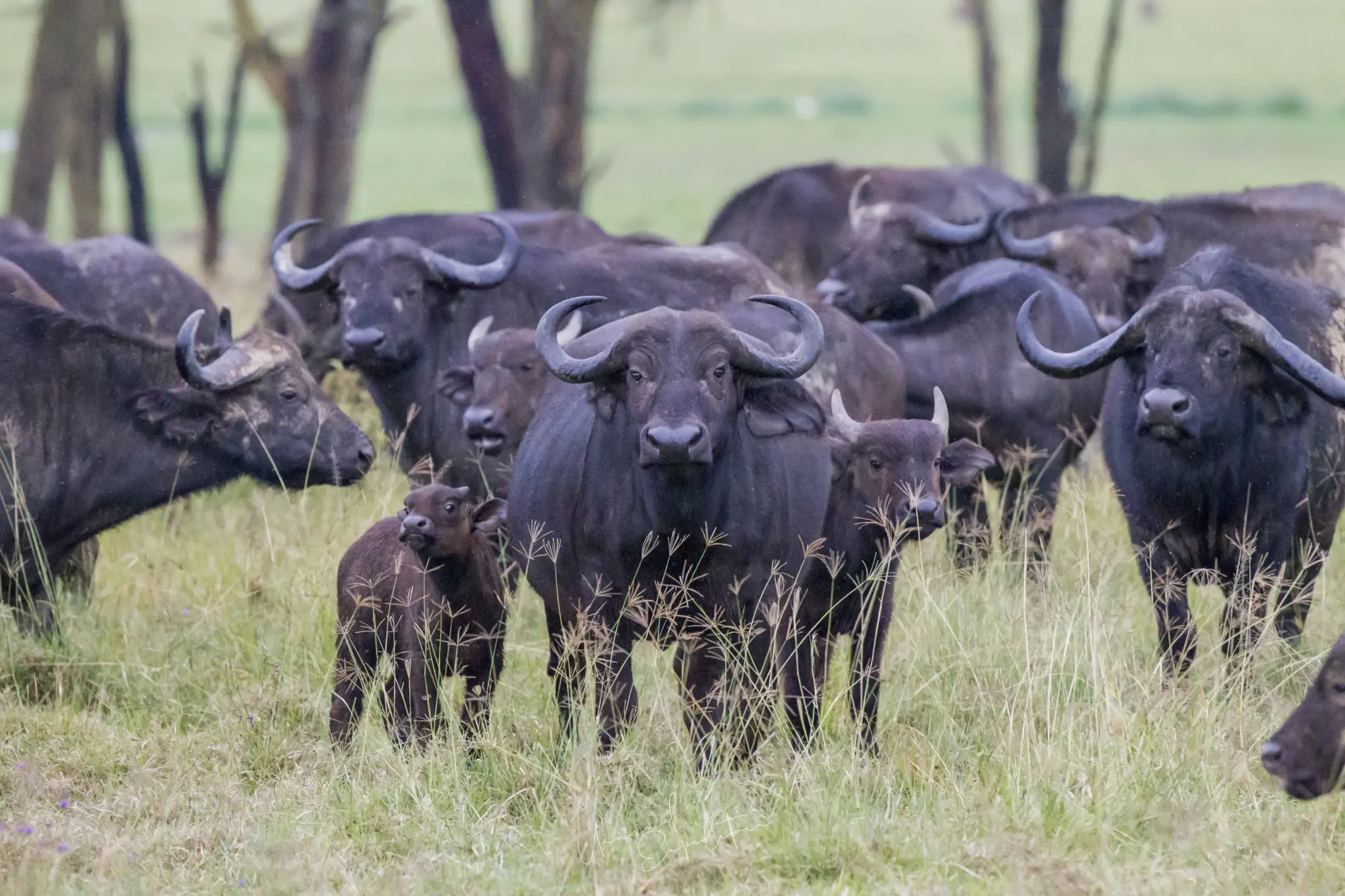
The best time to visit Kenya for safari photography is the long dry season from July to October, when the great migration is in the Masai Mara and the grass is short enough to see the cats. January and February are the second window: dry, green and quieter. The long rains from March to May and the short rains from October to December bring lush colour and fewer vehicles, but also muddy tracks. The right month depends on whether you want the herds, the light or the space.
This guide works month by month across the two areas we photograph, the Masai Mara and the Rift Valley lakes. It sits under our Kenya photography tour guide, which covers the regions, entry and getting there.
Best time to visit Kenya for safari: the two dry seasons
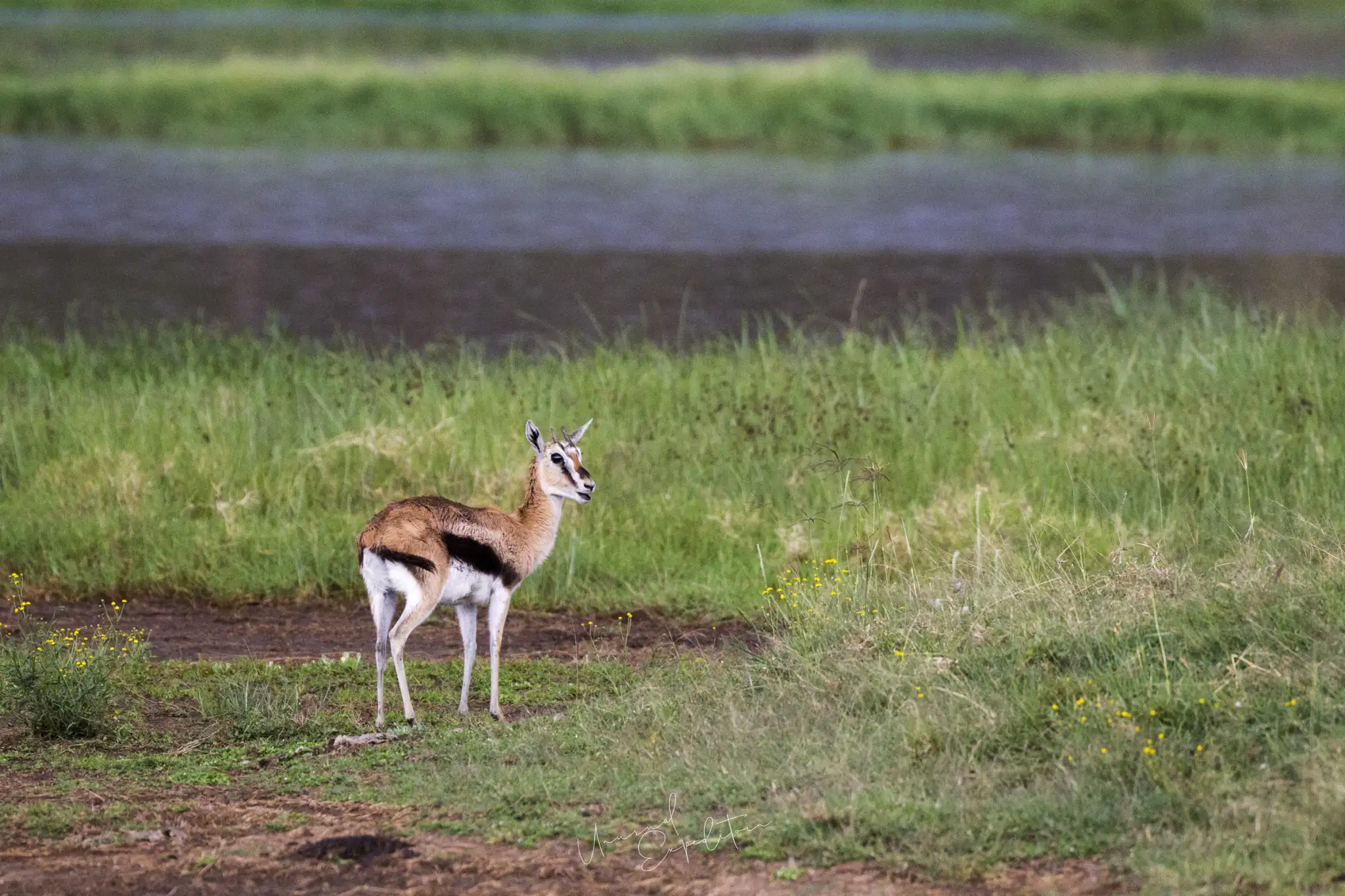
Kenya lies on the equator, so it has no summer and winter in the usual sense; the year turns on rain. The Kenya Meteorological Department describes two rainy seasons: the long rains from March to May, which are the main rainfall season over most of the country, and the short rains from October to December. That leaves two dry seasons for safari. The long dry season, roughly June to October, is cooler, with dusty plains, thinning grass and animals gathered near water. The short dry season, January and February, is hotter, greener and calmer, with many young animals born after the rains. For photography both work. The long dry season gives drama and action; the short one gives cleaner air and fewer vehicles at every sighting.
Best month to visit Kenya for safari, month by month
| Month | Masai Mara | Rift Valley lakes | Light and weather |
|---|---|---|---|
| January | Resident cats, green plains, few vehicles | Good, birds active | Dry, clear, warm |
| February | Same, young animals about | Good | Dry, hot afternoons |
| March | Rains start, lush grass | Rising water | Storm skies, showers |
| April | Wettest, some tracks difficult | Green, high water | Heavy rain likely |
| May | Rains easing, very green | Green | Showers, dramatic cloud |
| June | Dry season begins, grass long | Good | Cool mornings |
| July | Migration arrives, first crossings | Good | Dry, cool, some haze |
| August | Migration peak, river crossings | Good | Dry, dust in the air |
| September | Crossings continue, herds spread | Good | Dry, warmer |
| October | Herds start back south, short rains begin late | Good | First storms |
| November | Short rains, green and quiet | Green | Afternoon storms |
| December | Short rains ease, busy at holidays | Good | Mixed, clearing |
The table is a pattern, not a promise: the rains shift by weeks from one year to the next, and the herds follow them.
The migration season in the Masai Mara
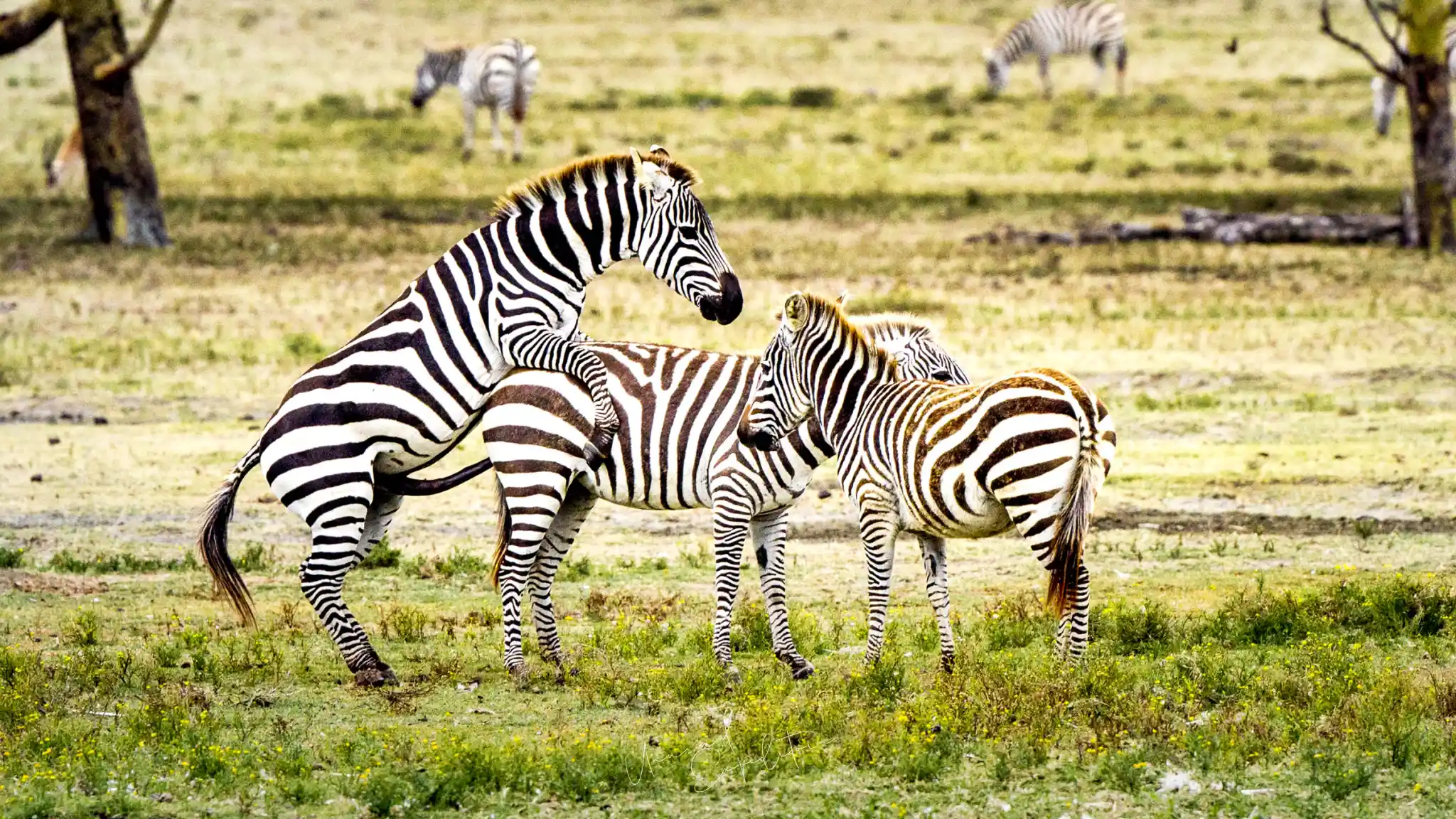
From about July to October the wildebeest and zebra herds of the Serengeti move north into the Masai Mara, following the rain and the new grass. The months most photographers chase are July, August and September, when the herds gather at the Mara River and cross. Crossings are never on a schedule; you wait on the bank, sometimes for hours, and a herd may turn back at the last moment. This is also the busiest time in the reserve, and the park's daily conservation fee is higher from July to December than from January to June. Our best time to visit Masai Mara guide goes into the season in detail, and our Mara River crossing guide covers the crossings themselves.
Kenya flamingo season on the Rift Valley lakes
People often ask about the Kenya flamingo season as if it were fixed. It is not. Lesser flamingos move between the soda lakes of the Rift Valley, Nakuru, Bogoria, Elmenteita and others, according to the water level and the algae they feed on. In some years one lake holds huge numbers and the next year almost none. The Kenya Wildlife Service notes that Lake Nakuru was first protected in 1961 for its flamingos, yet travel writers report far fewer there in recent years than in the past. The dry months usually concentrate the birds along shallow shorelines, which is what you want for photography. Check a recent report from a park or a guide before you build a trip around flamingos, and plan rhinos, buffalo and storks as the main subjects at the lake, with flamingos as the bonus.
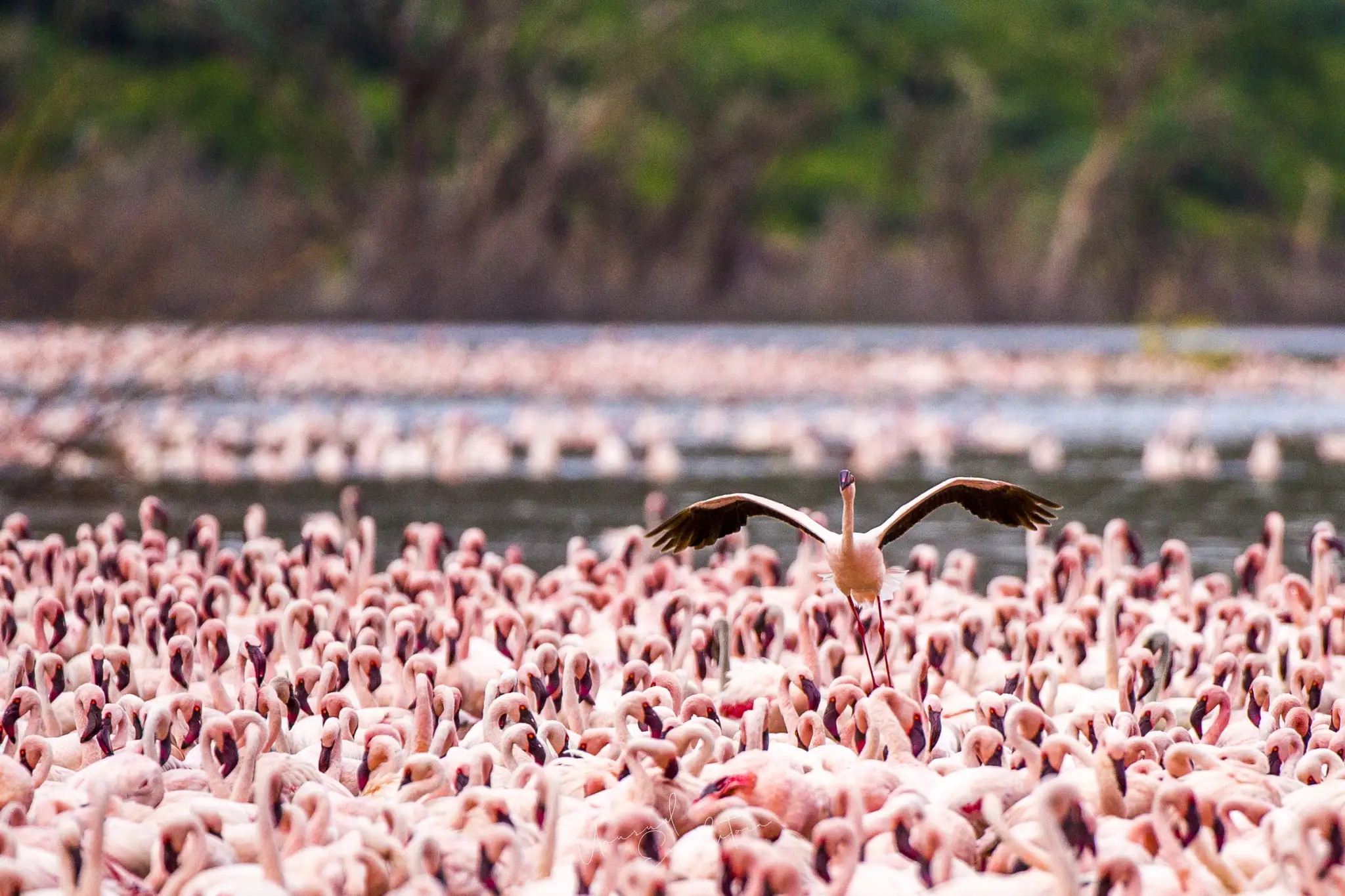
"I tell people not to choose the month for the flamingos. Choose it for the Mara, then go to the lakes and take what they give you. When the flamingos are there, they are the best picture of the trip."
Joseph Mak, tour leader, Unusual Expedition
Kenya weather by month for photographers
Kenya weather by month matters for more than comfort. In the dry season the Mara sits at altitude and mornings are cold in an open vehicle, so bring a warm layer; by midday the light is hard and the dust rises. Afternoon storms in the rains give the best skies of the year: dark clouds over gold grass, rain curtains across the plains and rainbows. The air after rain is clean, so distant hills come out sharp. Grass height changes everything. After the long rains it can hide a lion completely; by the end of the dry season the plains are short and the cats are easier to see and to photograph without stems across their faces.
Best time to visit Kenya and Tanzania together
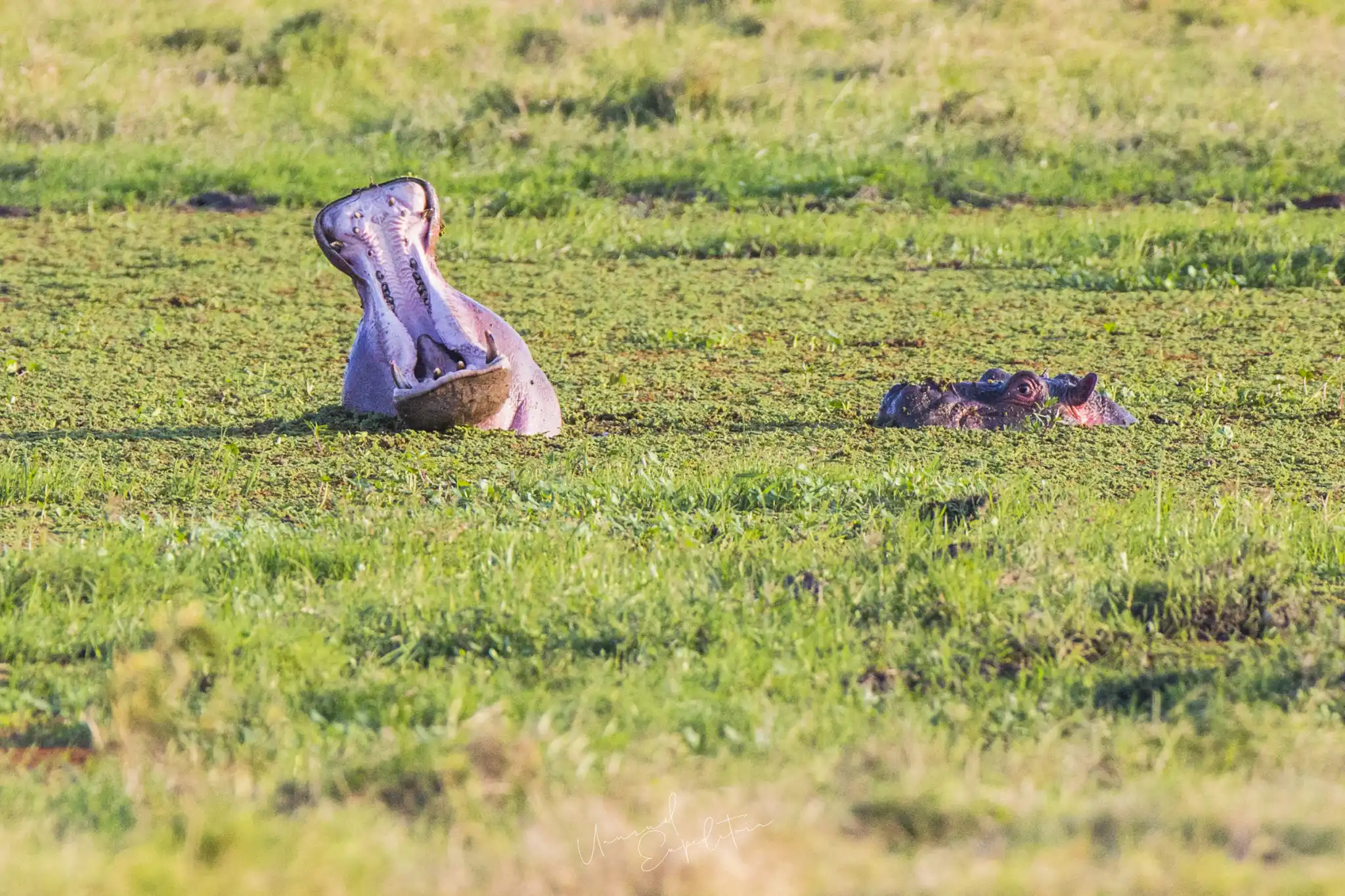
Many photographers want the Mara and the Serengeti on one trip. The two are one ecosystem, and the herds are simply in different parts of it at different times. From about July to October they are mostly in the Mara and the northern Serengeti, which makes that window the easiest time to combine the two countries along the border. From January to March the herds are far south in the Serengeti, calving, while the Mara has its resident animals. If you want both the calving and the crossings, it means two separate trips. Our sister guides cover the Serengeti in Tanzania.
Is the rainy season worth it for a Kenya photo safari
For a photographer who has done the classic dry season once, the rains can be the better trip. The Mara turns deep green, animals have young, the storms make every sky interesting, and you often have a sighting to yourself. The risks are real: tracks become slippery, some areas close, and a whole morning can be lost to rain. November is a good compromise, with short storms and long clear spells. April is the hardest month. Whatever month you choose, read the Masai Mara photos guide for what the reserve looks like through the year, and pack for both sun and rain.
Plan your Kenya season with us
We do not have a scheduled Kenya departure. We run Kenya as a private trip on request and time it to the season you want, the migration, the green months or the lakes. We arrange all logistics to your needs, and a photographer or photography coaching can be added at extra cost. Ask at least two months ahead; last-minute can be arranged. See the Kenya photography tours page and our private tours.
Kenya photography tours
The next Kenya departure is announced on the Kenya photography tours page, with previous expeditions and all the planning guides.
Explore Kenya in depth
- Kenya Photography Tour: The Complete Guide to the Masai Mara and the Rift ValleyKenya
- Kenya Trip Planning: Flights, Visa, eTA, Insurance and SafetyKenya
Upcoming Photo Tours
- Egypt Photo Tour – EgyptEgypt 12 Dec 2026 To 20 Dec 2026
- Inner Mongolia Winter Owl Photo Tour – ChinaChina 01 Jan 2027 To 04 Jan 2027
- Inner Mongolia Winter Photo Tour – ChinaChina 05 Jan 2027 To 11 Jan 2027
- Mekong And Central Highland Vietnam Photo Tour - VietnamVietnam 16 Jan 2027 To 24 Jan 2027